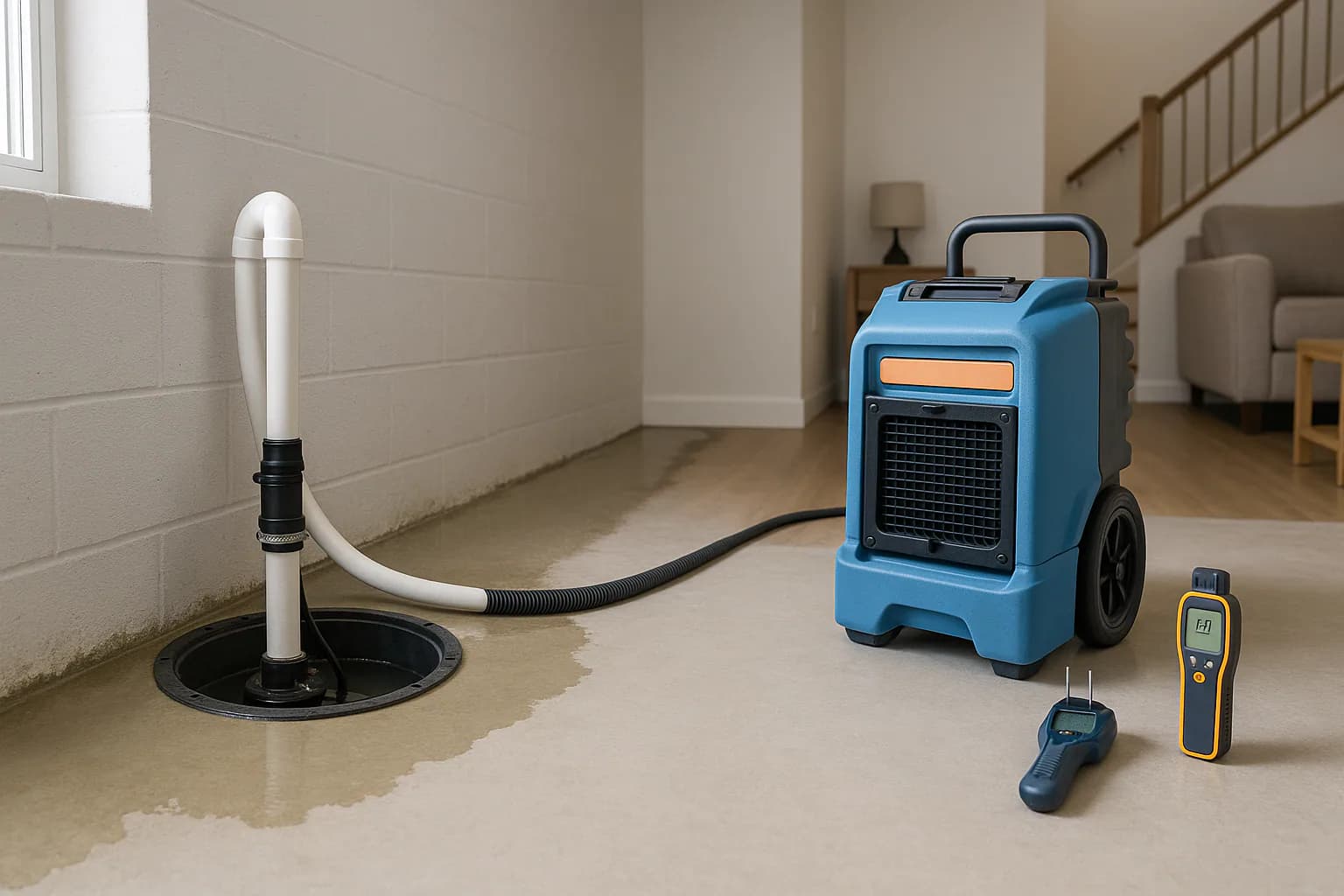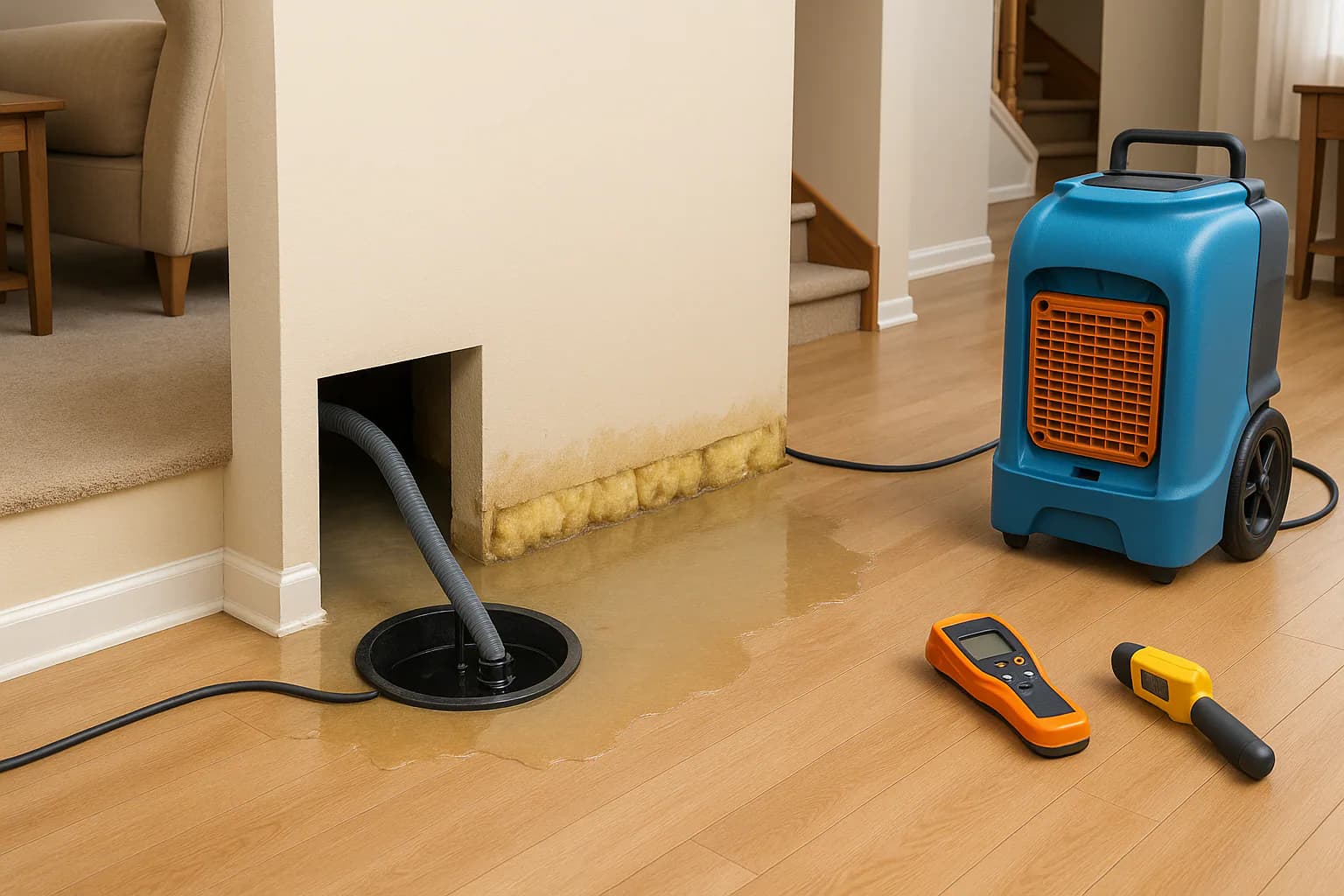
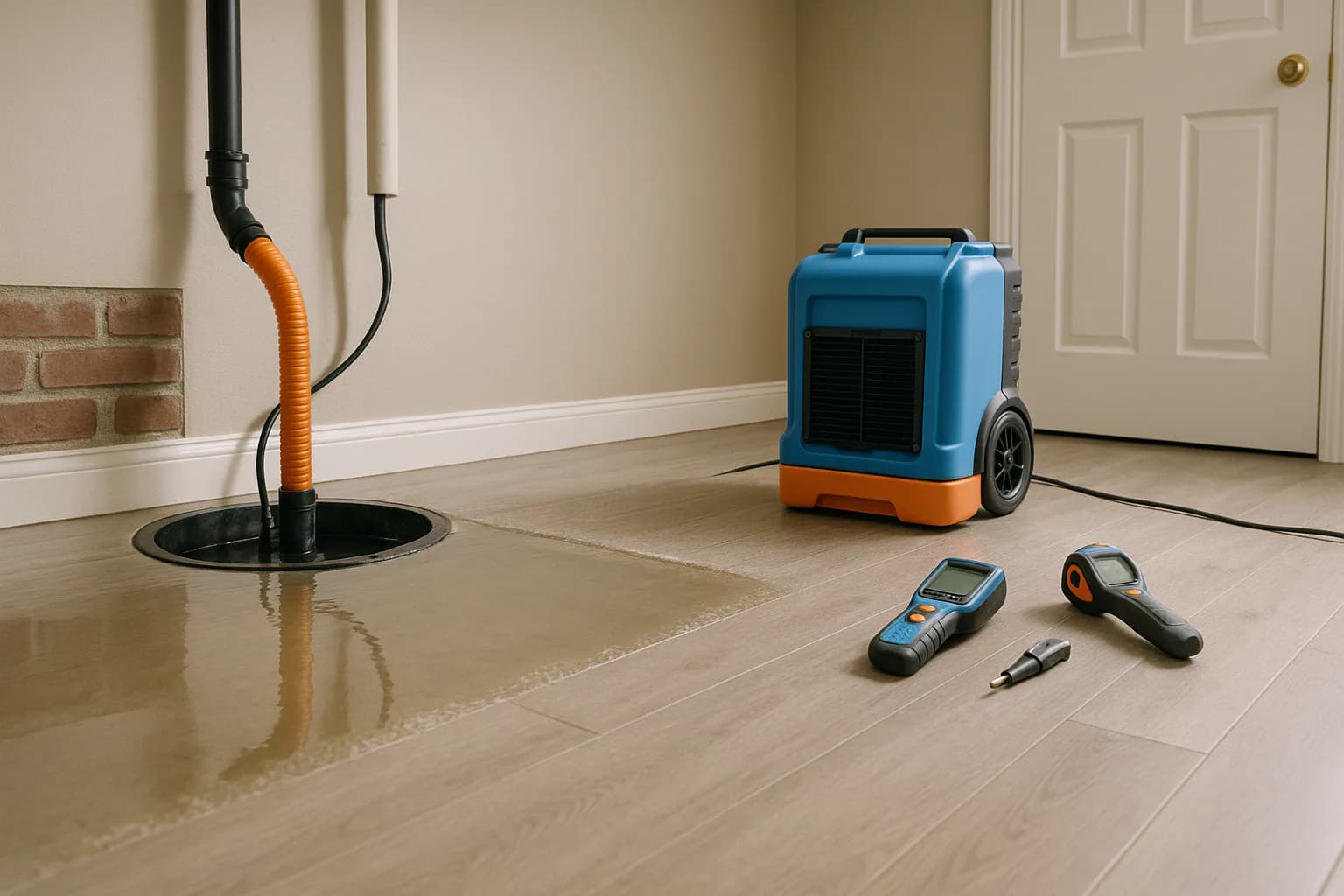
A properly functioning sump pump is one of the most reliable defenses against basement flooding. When this system fails, even a short period of heavy rain can lead to water intrusion, property loss, and costly repairs. Flood risk is especially high during storms and power outages, which often coincide with periods of heavy water accumulation.
Recognizing warning signs, knowing what homeowners can check, and understanding when to call for professional help are essential steps to preventing major water damage. This guide covers common sump pump failure signs, practical inspection tips, and the roles of primary pumps, backup systems, and alarms.
Warning signs a sump pump is failing
Timely recognition of sump pump issues can prevent significant water intrusion. Several symptoms may indicate a pump is not working as intended. Water rising in the sump pit above the normal level is a primary sign that water is not being pumped out efficiently. This can result from mechanical, electrical, or installation problems.
Unusual noises—such as grinding, rattling, or continuous humming—can suggest worn parts or debris stuck inside the pump. If the pump cycles on and off frequently, it may be undersized or the float switch could be malfunctioning. A pump that never shuts off may be struggling with a blockage or is unable to keep up with incoming water.
- Water level in the sump pit remains high or rises rapidly
- Unusual noises (grinding, rattling, humming) from the pump
- Pump cycles on and off more than usual or continuously runs
- Stuck float switch or float movement obstructed by debris
- Blocked or frozen discharge line or intake opening
- Pump is old, undersized, or shows visible wear
Ignoring these warning signs can lead to basement flooding and increased restoration costs. Unaddressed water can also create conditions favorable for mold growth, especially if drying does not begin within 24–48 hours. Restoration professionals can help diagnose issues that are not easily visible or require specialized assessment.
What homeowners should check before storms
Routine sump pump checks before expected heavy rain can reduce the risk of failure. Homeowners can safely handle basic inspections and maintenance, but should avoid electrical work or entering flooded areas. Key steps include power checks, float switch inspection, and confirming the discharge line is clear and directed away from the foundation.
- 1
Check electrical power
Make sure the sump pump is securely plugged in and the circuit breaker is on. Power loss is a common reason for failure.
- 2
Test the float switch
Lift the float gently to verify the pump activates. If it sticks or fails to trigger the pump, clear debris or reposition as needed.
- 3
Inspect the discharge and intake
Ensure the discharge pipe is clear of obstructions, ice, or disconnections. Look for blockages where water enters the pump.
- 4
Assess age and cycling
If the pump is old, cycles unusually, or struggles during rain, consider a professional assessment for possible replacement.
If any of these checks reveal damage, electrical faults, or water already entering the basement, contacting a restoration professional is the safest next step. Homeowners should never attempt repairs involving wiring or submerged equipment.
Roles of primary pumps, backup pumps, and alarms
A sump pump system often includes a primary pump, an optional battery backup pump, and an alarm. The primary pump handles everyday water removal but depends on electric power. When outages occur during storms, a battery backup can keep water flowing out of the basement, reducing flood risk.
Alarms alert property owners when water in the sump pit reaches a set level. This early warning can prompt prompt checks or calls for help before flooding spreads. Backup pumps and alarms do not prevent all water damage but provide important redundancy and detection, especially when the main system is overwhelmed or loses power.
FEMA guidance recommends considering backup power for sump pumps, since primary pumps require electricity. Homeowners can test alarms and battery backups periodically to ensure they are ready for use. For installation or troubleshooting, local professionals can assess the setup and recommend system improvements tailored to the property’s needs.
When water is already entering the basement
If water is rising in the basement despite the sump pump, safety is the first priority. Avoid entering areas with standing water where electrical hazards may exist. If safe, disconnect power to affected areas and do not attempt repairs on submerged equipment.
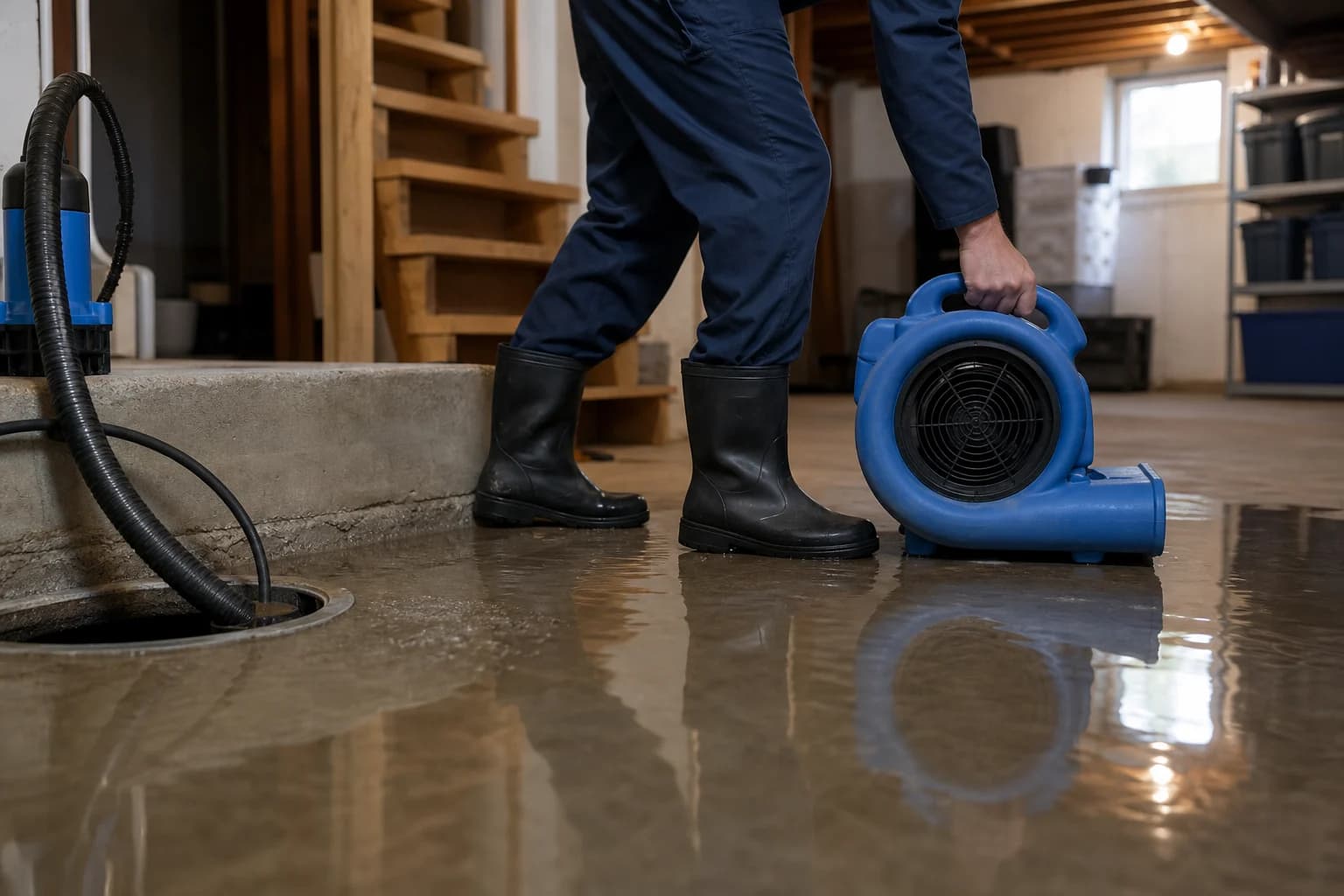
Restoration professionals can perform safe water removal, moisture detection, and drying. The cost and scope of cleanup depend on the water source and how long materials remain wet. Fast drying, started within 24–48 hours, reduces the risk of mold growth. Pros may use specialized equipment to extract water and dry building materials efficiently.
Safety Reminder
Do not handle contaminated or sewage water yourself. Water from outside flooding or sewer backups may contain harmful substances and should be removed and sanitized by trained professionals.
The decision to salvage or replace wet materials is influenced by water contamination, how long surfaces have been wet, and whether visible or hidden damage is present. Some materials may require removal if they cannot be dried quickly or safely. Restoration professionals can make recommendations based on on-site assessment.
Homeowners insurance may cover some types of water damage, but not all. Damage from rising floodwater is generally excluded from standard homeowners policies and requires separate flood insurance. Coverage for sump pump failure depends on the cause and specifics of the policy.
Maintenance steps to reduce surprise failures
Consistent maintenance is essential for sump pump reliability. Homeowners can take these preventive measures to catch problems early and extend the system’s life:
- Test the pump monthly by adding water to the pit and confirming activation
- Clear debris and sediment from the sump pit regularly
- Inspect and clean the discharge line to prevent blockages or freezing
- Ensure the float switch moves freely and is unobstructed
- Check battery backup charge and alarm function if present
- Schedule a professional inspection for aging, noisy, or frequently cycling pumps
Battery backups should be checked for charge and replaced as needed. Monthly tests and periodic professional inspections help identify issues like worn parts or declining performance before a failure occurs. Maintenance is especially important before storm season or if the pump is several years old.
By following a maintenance routine and monitoring for warning signs, homeowners can reduce the risk of unexpected sump pump failure and minimize water damage during severe weather.
Water damage restoration services in your area
Connect with Local Water Damage Restoration Pros
Notice sump pump failure or water in your basement? The independent restoration professionals in your area can provide water removal and drying services to help safeguard your property.
Call (833) 968-0848Frequently asked questions
What are the most common signs of sump pump failure?
What steps can homeowners take before a storm to check a sump pump?
Does insurance cover basement water damage from sump pump failure?
Sources reviewed (2)
- FEMA — Urban Flooding: Guidance for Homeowners and Renters: Federal guidance on basement flood risk reduction, sump pumps, backup power, and flood-damage-resistant materials.
- U.S. EPA - Flooded Home: EPA guidance on safety, cleanup, moisture control, and drying after a home is flooded.