Water extraction and water damage restoration are two related but distinct phases in responding to water damage. Water extraction is the immediate removal of unwanted water from a property, while water damage restoration involves the broader process of drying, cleaning, and repairing everything the water has affected. Knowing the difference helps property owners make informed choices and understand why both steps are usually needed for a thorough recovery.
During a water emergency, it is common to focus on getting the water out as quickly as possible. However, stopping at extraction alone can leave hidden moisture behind and may contribute to longer-term issues. Restoration professionals often approach these as separate but connected steps, each with specific goals and methods. Having a clear understanding of both phases makes it easier to plan next steps and communicate with the professionals serving your area.
What Is Water Extraction?
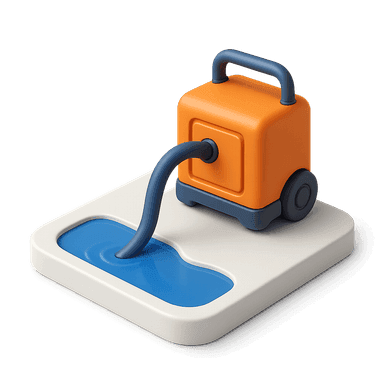
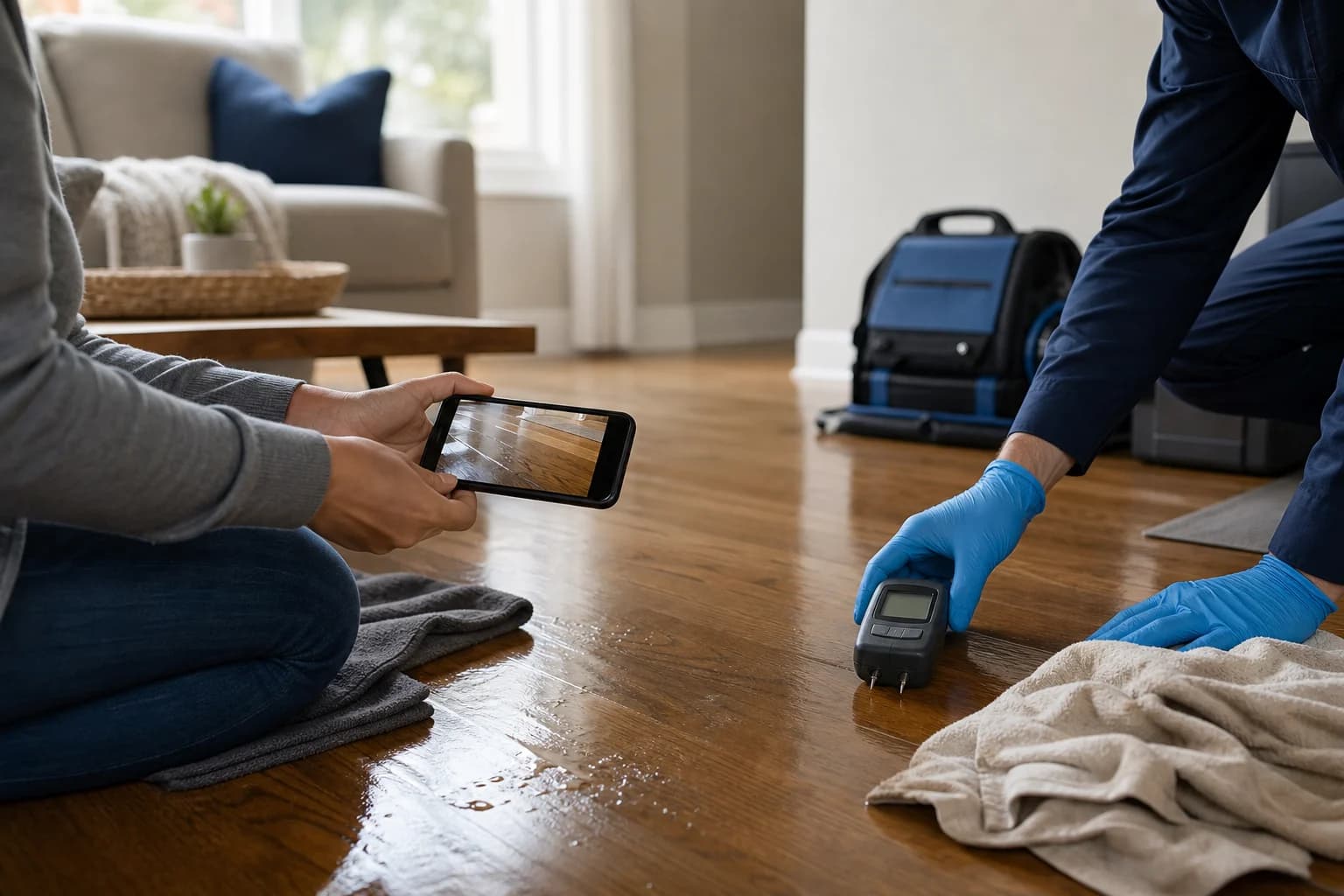
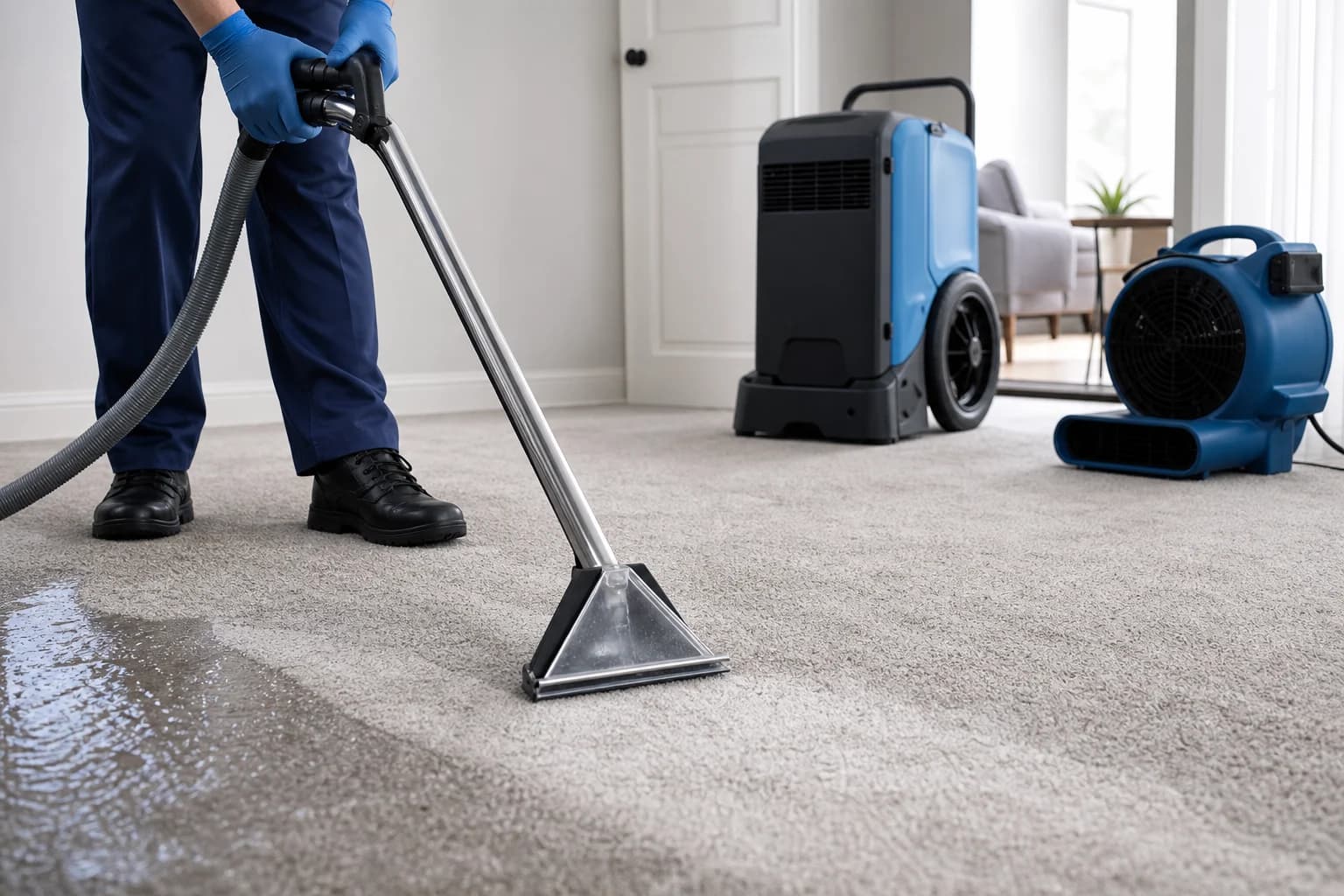
Water extraction is the urgent first phase of water damage recovery. The goal is to remove standing and absorbed water from the property as soon as feasible. Rapid extraction can help limit the time water has to seep into structural materials such as drywall, subfloors, and framing. Timely extraction may also help reduce additional damage, such as swelling, warping, or staining of building materials. Property owners may observe standing water, wet carpets, or water pooling around baseboards as immediate clues that extraction is needed.
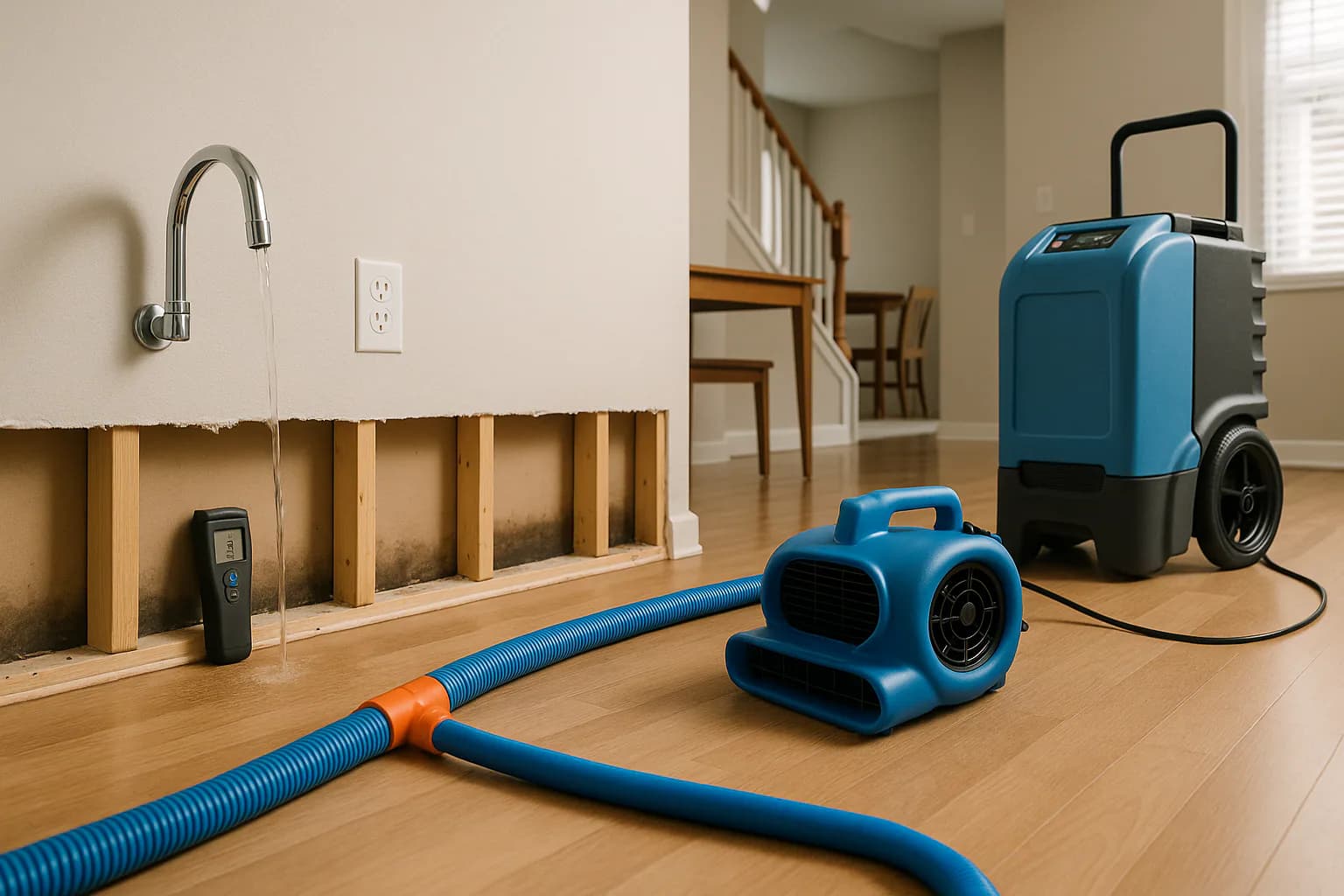
A local pro may use a range of methods and equipment depending on the situation. Pumps, wet vacuums, and specialized extractors can handle large volumes of water, while hand tools and smaller machines are used for detail work in tight areas. Extraction is especially important when water is actively spreading or when contaminated water is present. Leaving standing water in place can increase the time and cost of recovery.
- Removing standing water using pumps or vacuum equipment.
- Extracting water from carpets, padding, and flooring before it spreads.
- Accessing and clearing moisture from hard-to-reach spaces, such as under cabinets or behind walls.
- Setting the stage for effective drying by reducing the total moisture in the property.
Extraction is about speed
Standing water can continue to damage building materials the longer it remains. Rapid extraction is the most time-sensitive part of the process, which is why it happens first.
What Is Water Damage Restoration?
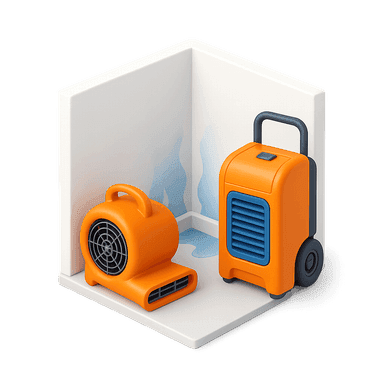
Water damage restoration refers to the process of addressing the residual effects of water on surfaces, structures, and contents after water has been extracted. This phase goes beyond extraction, encompassing drying, cleaning, and repairing areas that were affected by the water. Restoration may involve advanced drying techniques and, when necessary, the removal of materials that cannot be effectively dried.
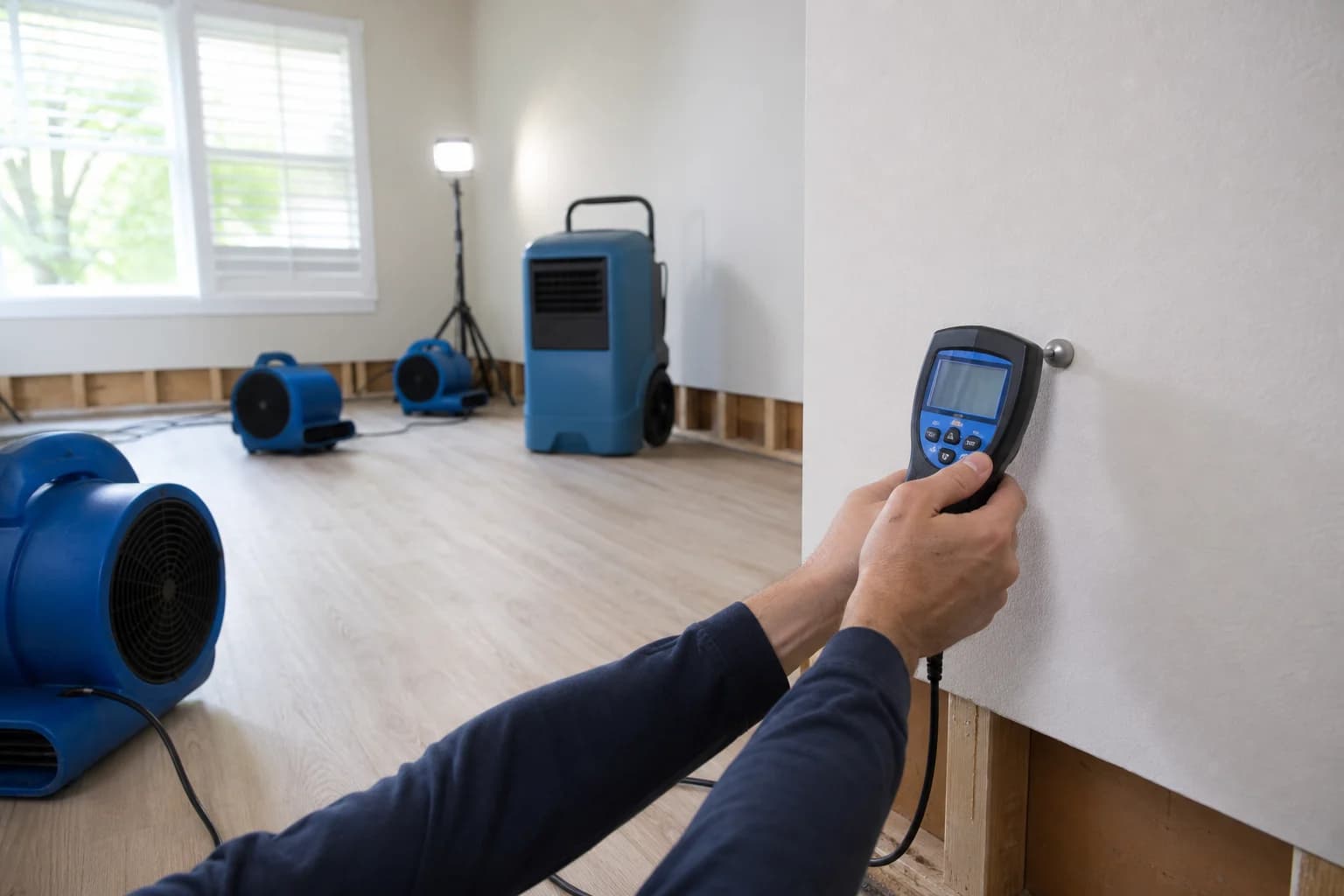
After extraction, professionals assess moisture levels inside walls, floors, and other materials. They use tools such as moisture meters and, sometimes, thermal imaging to identify areas that may require further inspection for hidden moisture. If contaminated or black water was involved, such as from flooding or sewage backups, sanitation procedures are followed for safe handling. Restoration concludes when surfaces and structures are dry, cleaned, and repaired as determined by the needs of the property.
- 1
Structural drying
Equipment such as air movers and dehumidifiers are used to dry out framing, drywall, and flooring until moisture readings indicate appropriate levels.
- 2
Cleaning and sanitizing
Surfaces affected by water are cleaned, and if water was contaminated, sanitation procedures are followed for safe handling.
- 3
Repairs and rebuild
Damaged materials such as drywall, trim, or flooring may be repaired or replaced as needed to complete the restoration.
How to Tell What Your Property Needs
Homeowners can look for certain indicators to decide whether to seek extraction, restoration, or both. Standing water, soaked carpets, or visible dampness call for immediate extraction. Persistent musty odors, discoloration, or soft spots in walls and flooring can be clues that moisture remains after the surface water is gone. In some cases, stains or temperature differences on walls and ceilings suggest areas where water may still be present, especially if the property has dried unevenly.
Thermal imaging devices can be used by professionals to identify unusual temperature patterns, which may point to moisture behind surfaces. These findings should be checked with moisture meters or direct inspection to confirm the presence of water. If the affected area is small, accessible, and the water is clean, some property owners may handle extraction and initial drying themselves. However, widespread, hidden, or contaminated water usually requires an on-site professional assessment.
Why Both Phases Are Important
Extraction without thorough drying and restoration can leave moisture trapped inside walls, subfloors, or insulation. This hidden moisture can create conditions that allow mold to grow and may weaken building materials over time. On the other hand, starting restoration before all water is removed often leads to longer drying times and may not address the root of the problem. Each step supports the other for a more complete recovery.
Restoration professionals often combine extraction, drying, and repairs as a coordinated process. This approach helps reduce the risk of missed moisture and recurring issues. The U. S. EPA recommends thoroughly drying all affected materials, including carpets, wall cavities, and furnishings, to avoid persistent moisture problems. The right approach depends on the type of water involved, the extent of the damage, and the construction of the property.
Deciding When to Call a Professional
Not every water incident requires outside help. Small spills on hard surfaces and minor leaks that are caught quickly may be managed by property owners using towels and appropriate drying methods. However, when water is widespread, has soaked into construction materials, or comes from contaminated sources such as floodwater or sewage, a professional assessment is generally advised. Professionals have tools to find and remove water in hidden places, and they can handle situations requiring sanitation and structural repairs.
Trying to dry and repair a property without proper extraction and assessment can lead to missed moisture, lingering odors, and unnecessary repairs. Common mistakes include not removing water quickly, using household fans in contaminated areas, or assuming surfaces are dry based only on touch. Professionals use moisture meters and controlled drying equipment to check that all affected areas reach appropriate moisture levels. The decision to call a pro should be based on the scale of the problem and the potential for hidden or contaminated water.
Common Mistakes to Avoid
One of the most frequent mistakes after water damage is stopping at visible cleanup. Even if floors and surfaces look dry, moisture can remain behind walls, under subfloors, or inside cabinets. Relying solely on sight or touch misses hidden dampness that can cause problems over time. Delaying extraction or drying can make recovery more difficult and expensive. Using household cleaning products on contaminated water or not following proper sanitation steps can also increase risks.
Odors or stains should be treated as clues that further investigation may be needed, not as proof of hidden problems. If a persistent musty smell or discoloration is present after cleanup, consider a moisture assessment. Skipping steps or rushing through drying and repairs increases the chance of recurring issues. Following a recommended process—extract, dry, clean, and repair—offers a more reliable path to recovery.
Explore the Services You May Need
Not sure where to start?
Call Water Restoration Pros to get connected with professionals who can handle extraction and full restoration. We connect you with help that services your area.
Call (833) 968-0848Frequently asked questions
Is water extraction the same as water damage restoration?
Can I skip restoration if the water has already been removed?
What are signs that professional assessment is needed after water damage?
Sources reviewed (2)
- U.S. EPA - Mold Course Chapter 2: EPA guidance on drying buildings, furnishings, carpet, wall cavities, and other wet materials.
- U.S. EPA - Flooded Home: EPA guidance on safety, cleanup, moisture control, and drying after a home is flooded.