Skip to content
Water Restoration Pros

Water Damage Service

Emergency Water Removal

When water is standing or actively spreading, removal cannot wait. Water Restoration Pros helps property owners connect with emergency water removal and extraction help to get water out and start drying.

Service overview

Urgent water extraction help for standing and active water before it soaks deeper into the property.

Recognize the problem

Does this situation call for emergency water removal?

Start with what you can safely observe. The source, the type of water, and the materials affected determine the response after an on-site assessment.

What you may notice

There is standing water on floors or pooling in rooms

Water is actively flowing or rising and needs to be pumped out

Carpet, flooring, or subfloor is saturated and squishy

Water is spreading toward more rooms, walls, or lower levels

How it commonly starts

Burst pipes and supply line failures

Water heater or appliance ruptures

Storm flooding and heavy rain intrusion

Sump pump failure in a basement or crawlspace

Overflowing fixtures and backed-up drains

Why timing changes the outcome

Every hour of standing water soaks materials deeper.

Fast extraction limits how much flooring and drywall is lost. Removing water early shortens the drying timeline that follows.

Standing water near electrical or contaminated sources is a safety risk.

In-depth guidance

What to know about emergency water removal

Why standing water cannot wait

Standing water is not static. It spreads outward across floors, wicks up walls, and travels into the spaces under and behind finished surfaces. The longer it sits, the more materials it ruins and the longer the eventual drying takes.

Emergency water removal focuses on getting the bulk of the water out quickly so drying can start before more damage sets in.

What 'emergency' changes about water removal

In emergency situations, water removal prioritizes stabilization to prevent further damage. This means stopping the source of water intrusion and ensuring safety by shutting off utilities if needed. Immediate action reduces the risk of structural damage and mold growth.

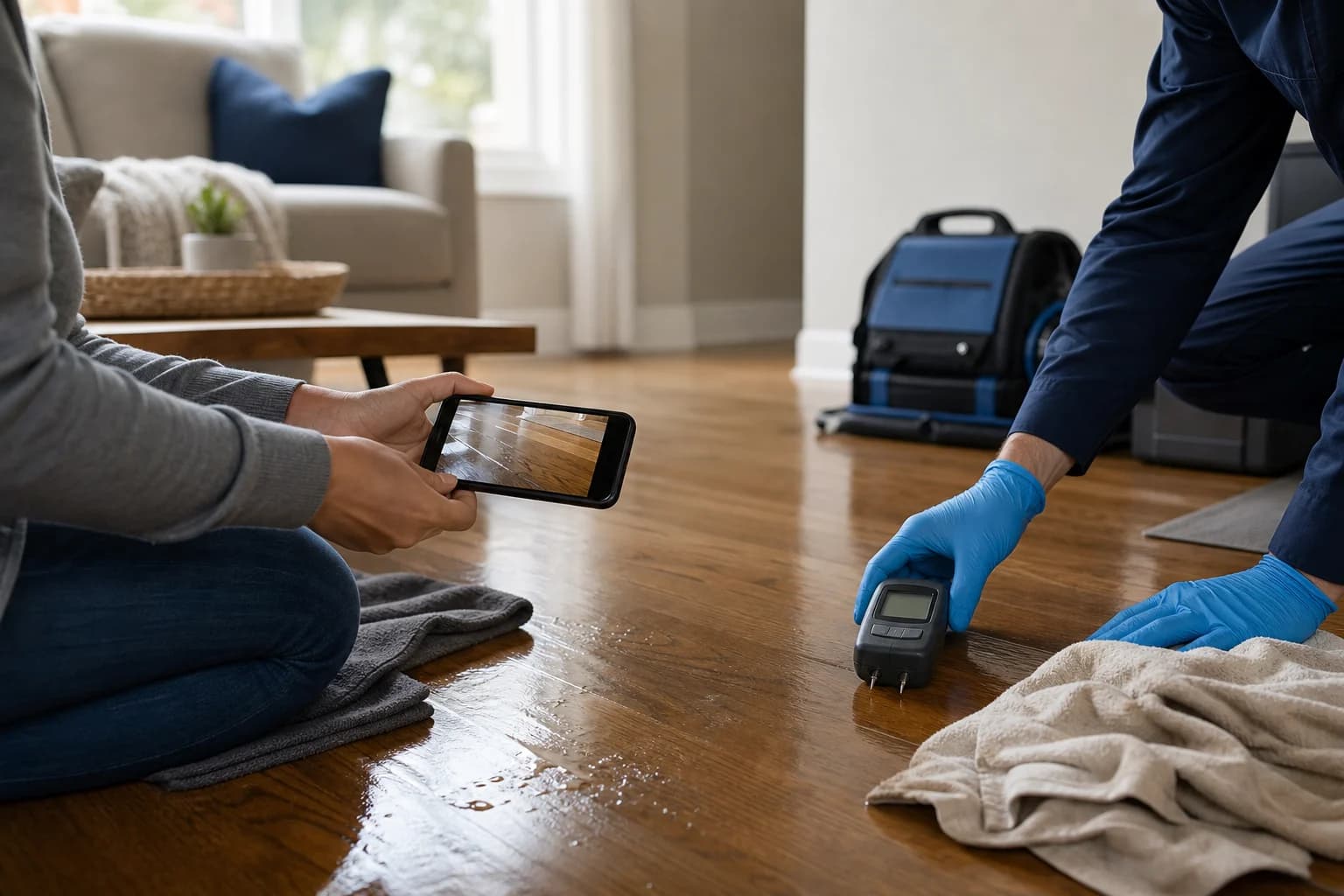
After stabilization, a thorough assessment is conducted to evaluate the extent of the damage. This helps in planning the most effective water removal and drying strategy. Restoration professionals use advanced tools to measure moisture levels and identify hidden water pockets, ensuring comprehensive removal and drying.
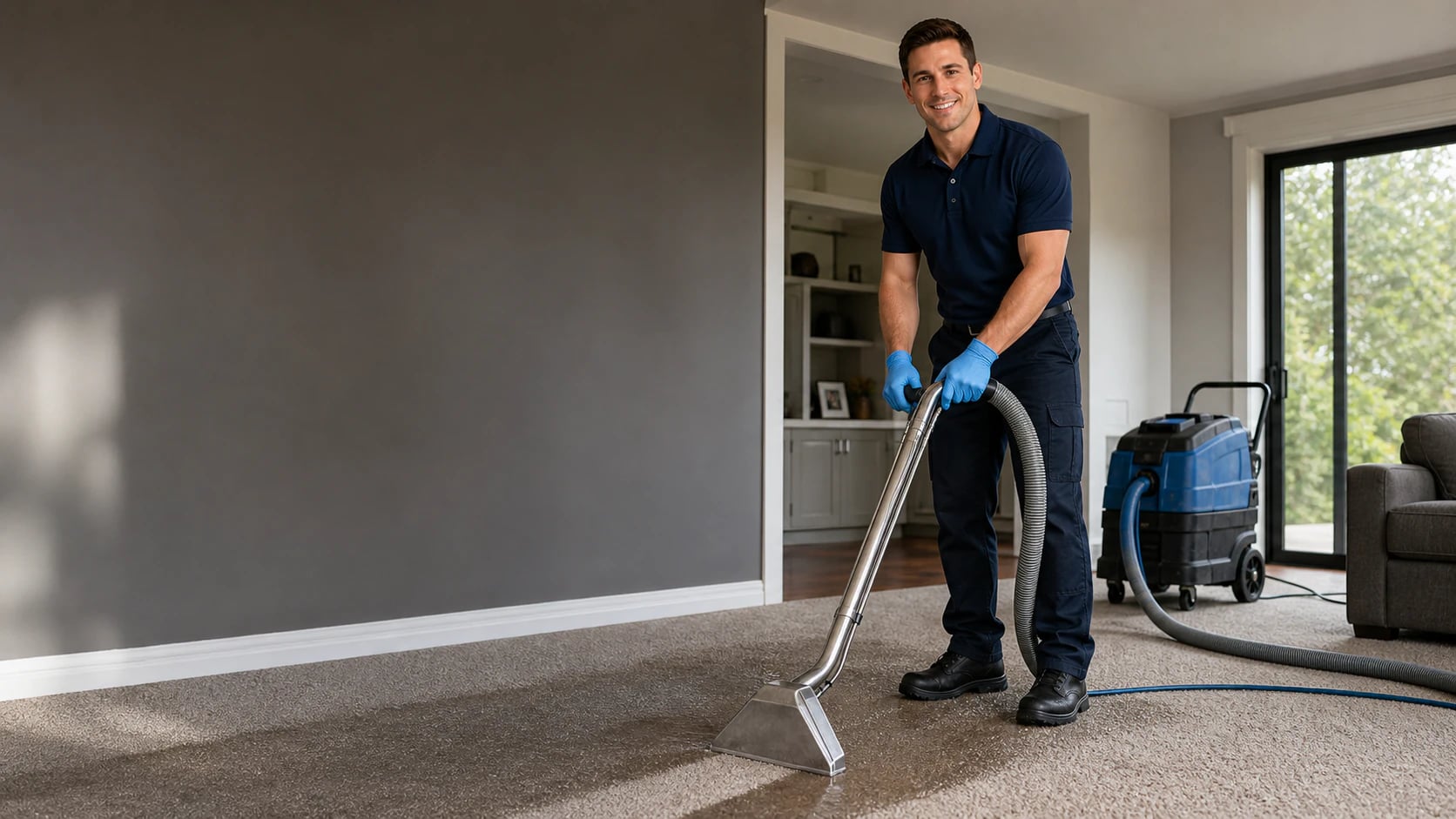
How to reach help

Water Restoration Pros operates a call line that connects property owners with local professionals. Calling is what starts the process, so it is worth doing as soon as the situation is safe. Exact technician arrival times cannot be guaranteed, and provider availability varies by location.

Having access to a network of professionals nationwide means that regardless of the time, help is just a call away. Prompt connection with experts can make a significant difference in mitigating water damage and beginning the restoration process.

Cost and scope

What affects emergency water removal cost

Water removal cost is driven by the volume and location of the water, the type of water, and how much extraction equipment and labor the job requires. Understand the factors, then connect with a pro for an accurate quote.

A written estimate should connect each charge to the source, affected materials, access, contamination conditions, drying work, and repairs found during the assessment.

National planning range

Emergency clean-water removal (1–3 rooms / 100–500 sq. ft.)

$600-$1,200 per project

Includes initial response, standing-water extraction, and basic moisture inspection. Multi-day drying, reconstruction, source repair, and extensive material removal are separate.

Cost ranges are estimates developed from standardized project scopes and reviewed pricing inputs. Government labor and regional cost data are used where applicable. See our Pricing Methodology for the exact sources, calculations, and review date. Actual prices vary by property, scope, materials or equipment, location, and provider.

Volume of water

Removing a small amount of standing water is far simpler than pumping out a flooded level. More water means more equipment and time.

Location and access

Water in an easy-to-reach room is quicker to extract than water in a basement, crawlspace, or under built-in features that are hard to access.

Type of water

Clean water is straightforward to extract. Contaminated water requires careful handling and protective measures that add to the job.

Urgency and timing

After-hours and emergency response can affect cost, but acting fast usually limits the overall damage and the drying that follows.

Read the full emergency water removal cost guide

Professional response

How the work moves from damage to a dry property

The exact scope changes with the water source and affected materials, but a measured restoration response generally moves through three phases.

Assess and stabilize

Confirm safety

Check for electrical hazards and signs of contaminated water before anyone enters the area.

Stop the source

Shut off the supply or contain the intrusion so new water stops adding to the problem.

Remove and dry

Pump and extract

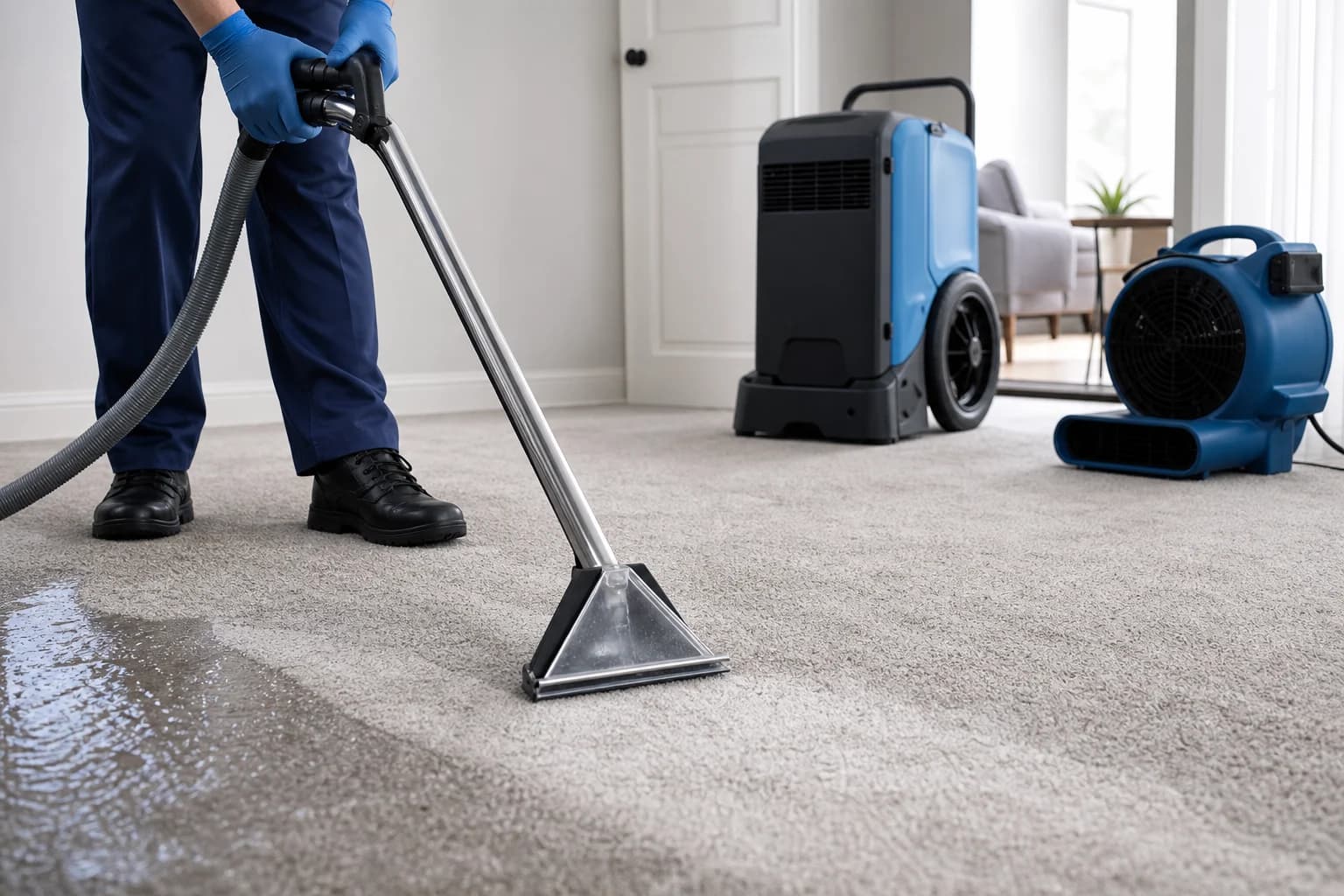
Use pumps and extraction units to remove standing water from floors, carpet, and low spots.

Clear trapped water

Pull water out of padding and crevices where it hides and continues to wick into materials.

Verify and recover

Transition to drying

Once water is removed, set air movers and dehumidifiers to begin structural drying.

What to expect from the first visit

Confirm safety

Check for electrical hazards and signs of contaminated water before anyone enters the area.

Stop the source

Shut off the supply or contain the intrusion so new water stops adding to the problem.

Pump and extract

Use pumps and extraction units to remove standing water from floors, carpet, and low spots.

Clear trapped water

Pull water out of padding and crevices where it hides and continues to wick into materials.

Questions to ask before approving the scope

How will the assessment document active source and water depth?

The answer should be specific to the property and reflected in the written scope.

Which conditions determine whether emergency water removal is the right service path?

The answer should be specific to the property and reflected in the written scope.

What work, specialist responsibilities, measurements, and completion records will be included in writing?

The answer should be specific to the property and reflected in the written scope.

Before help arrives

What you can do now

Only take steps you can complete safely. Leave the area and wait for qualified help if there is an electrical, structural, or contamination risk.

Stop the water source if it is safe to reach.

Turn off power to the affected area if water is near electrical.

Avoid walking through water that may be contaminated.

Lift cords, electronics, and valuables out of the water.

Call to connect with emergency water removal help.

These are general precautions for emergency water removal; conditions at the property determine what is safe and appropriate.

Frequently asked questions

What is emergency water removal?
Emergency water removal is the urgent extraction of standing or active water using pumps and extraction equipment, so the water stops spreading and drying can begin.
How quickly can water removal start?
Availability depends on your location and the providers in your area. Calling right away is the fastest way to connect with help so extraction can begin as soon as possible.
What is the difference between water removal and drying?
Water removal extracts the standing water you can see and pump out. Drying then removes the moisture trapped inside walls, flooring, and framing using air movers and dehumidifiers.
What should I do while waiting for water removal services?
While waiting for professionals, ensure your safety first. Turn off electricity in affected areas if safe to do so. Remove valuable items from water-impacted areas. Avoid contact with contaminated water and do not attempt to drain large amounts of water yourself as it may cause more damage.
Will my insurance cover water removal services?
Insurance coverage for water removal depends on the cause of the damage and your policy. Sudden and accidental incidents might be covered, but gradual damage often isn't. Flood damage from rising water typically requires separate flood insurance. Always review your policy specifics and consult with your insurer.

Emergency Water Removal by state

Choose a state on the map or open its city directory to find emergency water removal pages for your area.

Technical and safety sources (4)

These sources support restoration, safety, moisture, cleanup, and scope guidance. They do not serve as numeric pricing provenance.

Need help with emergency water removal?

Call Water Restoration Pros to connect with emergency water removal help in your area.

Call (833) 968-0848 · No-obligation · Availability varies by area

(833) 968-0848Check