
What you may notice
Your basement has standing water or a flooded floor
A sump pump failed or could not keep up with the water
Water is seeping in through walls, floor, or the foundation
A below-grade space stays damp after water intrusion

Water Damage Service
Basements collect water from many directions, and below-grade spaces are slow to dry. Water Restoration Pros helps property owners connect with basement water removal help.
Service overview
Basement water removal help that pumps out standing water and dries below-grade spaces that hold moisture.
Recognize the problem
Start with what you can safely observe. The source, the type of water, and the materials affected determine the response after an on-site assessment.
Your basement has standing water or a flooded floor
A sump pump failed or could not keep up with the water
Water is seeping in through walls, floor, or the foundation
A below-grade space stays damp after water intrusion
Sump pump failure or power loss during heavy rain
Groundwater pressure and foundation seepage
Heavy rain and poor exterior drainage
Burst pipes or water heater failures in the basement
Why timing changes the outcome
Standing basement water can reach mechanicals and storage. Damp basements create persistent mold and odor conditions.
Fast removal protects finished basement materials.
In-depth guidance
Below-grade spaces are surrounded by earth, hold humidity, and often have limited airflow. That makes them slow to dry and prone to lingering dampness and odor if water is not removed and the space is not dried thoroughly.
Proper basement water removal pairs strong extraction with dehumidification sized for the environment, then verifies the space is actually dry.
Getting the standing water out of a basement is only the first step. The bigger job is everything the flood left behind: soaked drywall and insulation, wet carpet and padding, belongings sitting in water, and a below-grade space that holds humidity long after the floor looks dry.
A finished basement and an unfinished one are dried differently. Finished walls, flooring, and trim trap moisture behind them and often need materials opened up or removed so the cavities can dry, while an unfinished basement is mostly about extraction, dehumidification, and protecting what is stored down there. Either way, the goal is a basement that is verified dry, not just emptied of water.
Whether a basement is finished changes the drying job more than almost anything else. An unfinished basement, with exposed concrete walls and floor, is comparatively straightforward: there are few porous finishes to trap water, so the work centers on extracting the standing water, drying the slab and any stored contents, and running dehumidification to pull the humidity out of an enclosed below-grade space. Most of what is at risk is what is stored down there, so protecting and drying belongings is often the bigger part of the job.
A finished basement hides the water behind its finishes. Drywall, insulation, baseboards, paneling, and finished flooring all sit against the foundation and trap moisture in the cavities behind them, where air movers on the surface cannot reach. Drying a finished basement usually means opening things up: removing baseboards, drilling or cutting drywall to ventilate the wall cavity, and pulling saturated insulation and flooring that hold water and will not dry in place. Carpet and its padding over a slab are especially slow and are frequently removed. The aim either way is a space confirmed dry with meters, but a finished basement takes more invasive steps to get there.
Two of the most common reasons a basement floods are a sump pump that stops keeping up and water that seeps in through the foundation. A sump pump can fail in several ways: it loses power in the storm that needed it most, it burns out or jams, the float switch sticks, or the volume of water simply overwhelms its capacity. Because pumps tend to be tested by the heaviest rain, a failure and a flood often arrive together, which is why a backup pump or a battery backup is a common talking point after the cleanup.
Foundation seepage is a quieter culprit. When the ground around a foundation saturates, hydrostatic pressure pushes water through cracks in the walls or slab, up through the joint where the floor meets the wall, and through porous concrete itself. It can show up as a slow weeping during wet weather or as a more serious entry during heavy rain. Pinning down which culprit caused the flood matters, because the cleanup dries what is already wet, but identifying the source is what keeps the same flood from repeating the next time it rains.
Cost and scope
Basement water removal cost is driven by the volume and depth of water, pump access, the water category, how far it spread, and the drying that follows. Understand the factors, then connect with a pro for an accurate assessment.
A written estimate should connect each charge to the source, affected materials, access, contamination conditions, drying work, and repairs found during the assessment.
National planning range
Standard residential planning range
$850-$1,800 per project
Resolved from the approved Water Restoration Pros pricing methodology and standardized scope.
Cost ranges are estimates developed from standardized project scopes and reviewed pricing inputs. Government labor and regional cost data are used where applicable. See our Pricing Methodology for the exact sources, calculations, and review date. Actual prices vary by property, scope, materials or equipment, location, and provider.
A thin layer across the floor pumps out quickly, while a deep, fully flooded basement needs more pumping power and time to clear.
Where the water sits and how easily equipment can reach it affects the job. Tight access, stairs, or distance to a discharge point can add effort.
Clean groundwater is the least complex to handle. Gray or contaminated water calls for careful handling and protective measures that add to the scope.
Water that stayed in one area is simpler than water that reached storage, finished rooms, or wall cavities, which expands what needs removal and drying.
Professional response
The exact scope changes with the water source and affected materials, but a measured restoration response generally moves through three phases.
Assess and stabilize
Confirm there are no electrical hazards before anyone enters the flooded basement.
Use pumps and extraction units to remove standing water from the basement floor.
Remove and dry
Identify the intrusion point, whether it is a pump failure, seepage, or a plumbing leak.
Set dehumidifiers and air movers sized for the slow-drying below-grade environment.
Verify and recover
Track moisture in walls and floor until the basement reaches a dry, stable state.
Confirm there are no electrical hazards before anyone enters the flooded basement.
Use pumps and extraction units to remove standing water from the basement floor.
Identify the intrusion point, whether it is a pump failure, seepage, or a plumbing leak.
Set dehumidifiers and air movers sized for the slow-drying below-grade environment.
The answer should be specific to the property and reflected in the written scope.
The answer should be specific to the property and reflected in the written scope.
The answer should be specific to the property and reflected in the written scope.
Before help arrives
Only take steps you can complete safely. Leave the area and wait for qualified help if there is an electrical, structural, or contamination risk.
Do not enter a flooded basement with live electrical present.
Shut off power to the basement if it is safe from a dry location.
Identify whether the water source is still active.
Move stored belongings up and out of the water if safe.
Call to connect with basement water removal help.
These are general precautions for basement water removal; conditions at the property determine what is safe and appropriate.
Choose a state on the map or open its city directory to find basement water removal pages for your area.
Basement Water Removal in Arkansas
View state pageBasement Water Removal in California
View state pageBasement Water Removal in Connecticut
View state pageBasement Water Removal in Delaware
View state pageBasement Water Removal in Florida
View state pageBasement Water Removal in Georgia
View state pageBasement Water Removal in Idaho
View state pageBasement Water Removal in Illinois
View state pageBasement Water Removal in Iowa
View state pageBasement Water Removal in Kansas
View state pageBasement Water Removal in Kentucky
View state pageBasement Water Removal in Louisiana
View state pageBasement Water Removal in Maine
View state pageBasement Water Removal in Massachusetts
View state pageBasement Water Removal in Michigan
View state pageBasement Water Removal in Mississippi
View state pageBasement Water Removal in Montana
View state pageBasement Water Removal in Nebraska
View state pageBasement Water Removal in Nevada
View state pageBasement Water Removal in New Hampshire
View state pageBasement Water Removal in New Mexico
View state pageBasement Water Removal in New York
View state pageBasement Water Removal in North Carolina
View state pageBasement Water Removal in North Dakota
View state pageBasement Water Removal in Oklahoma
View state pageBasement Water Removal in Pennsylvania
View state pageBasement Water Removal in Rhode Island
View state pageBasement Water Removal in South Dakota
View state pageBasement Water Removal in Utah
View state pageBasement Water Removal in Vermont
View state pageBasement Water Removal in Washington
View state pageBasement Water Removal in West Virginia
View state pageBasement Water Removal in Wyoming
View state pageThese sources support restoration, safety, moisture, cleanup, and scope guidance. They do not serve as numeric pricing provenance.
Explore the service path
Other ways we help after water damage.
 Water RemovalBroad removal of standing water from rooms, basements, and crawlspaces.View water removal
 Structural DryingControlled drying of framing, drywall, subfloor, and building materials.View structural drying
 Water Damage RestorationWhole-home help after leaks, flooding, wet materials, and standing water.View water damage restoration
 Emergency Response
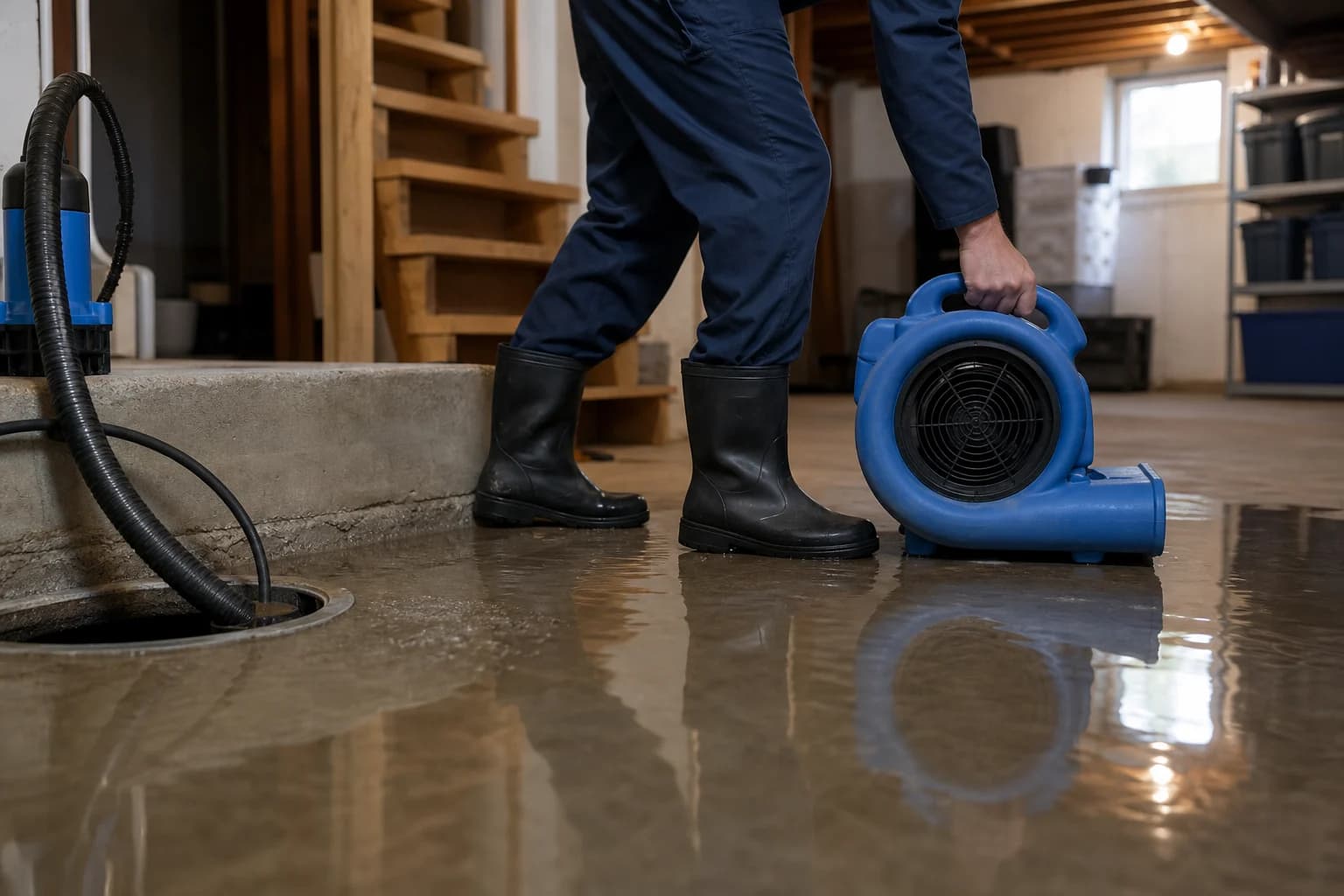
This guide explains how to respond if your basement floods. Find safety precautions, tips for identifying the source, and advice on when to seek professional help.
Read guide Water Damage Basics
Water near a foundation wall can come from outside drainage or an indoor plumbing problem. Compare the clues, document the pattern, and choose the right next step.
Read guide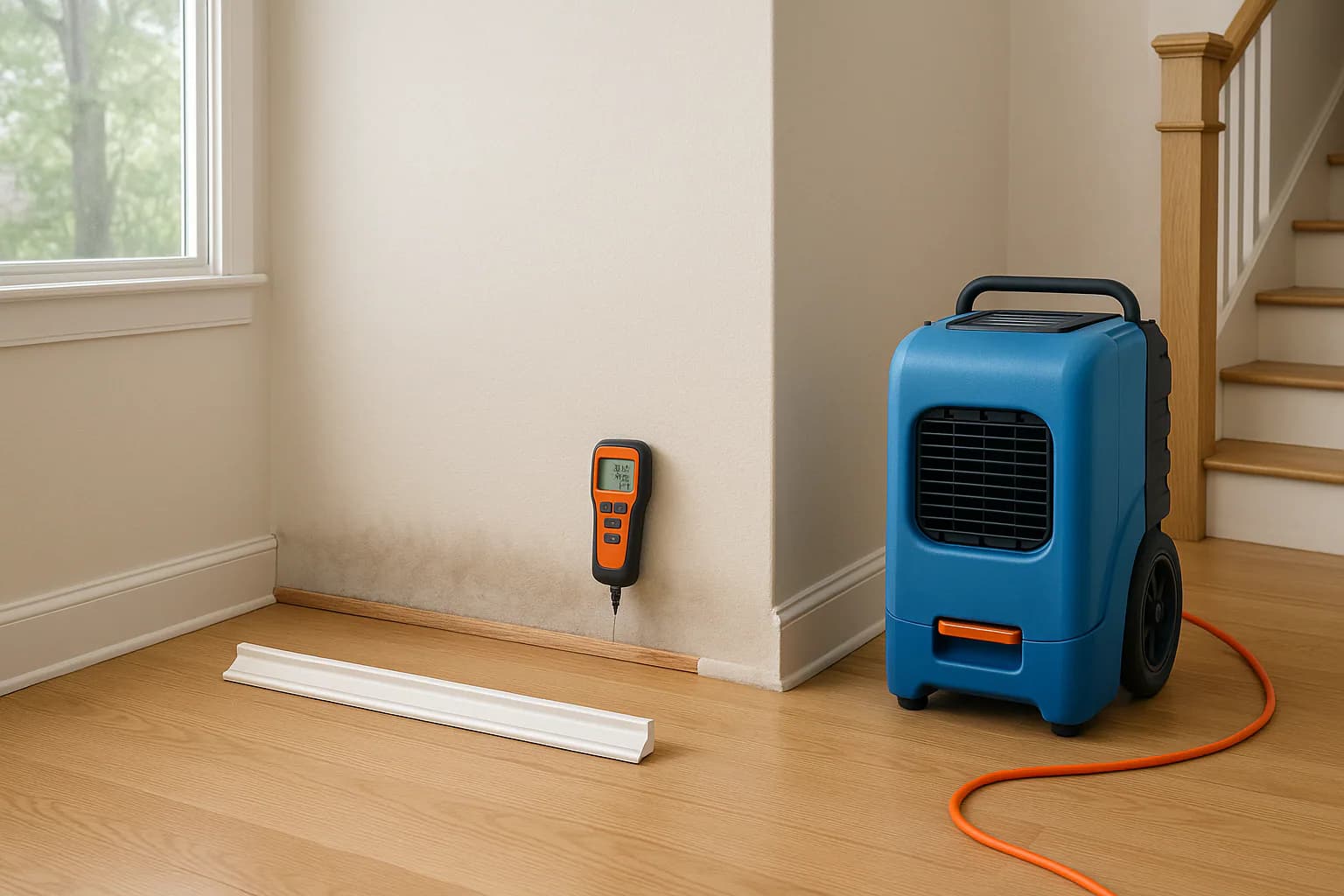 Mold & Moisture
Find out how fast mold can grow after water damage, what factors influence its development, and why quick action and moisture control matter for homeowners facing leaks or floods.
Read guideCall Water Restoration Pros to connect with basement water removal help in your area.
Call (833) 968-0848 · No-obligation · Availability varies by area