Does homeowners insurance cover water damage?
Homeowners insurance and water damage are closely linked, but coverage depends on the cause of the loss, the policy language, exclusions, endorsements, limits, deductible, and the facts of the claim. The Insurance Information Institute reports that water and freezing losses are common. FloodSmart. gov notes that flood damage from rising water is insured separately from standard homeowners policies. The safest next step is to review the policy and contact the insurer for guidance on the specific claim.
Start with the source of the water
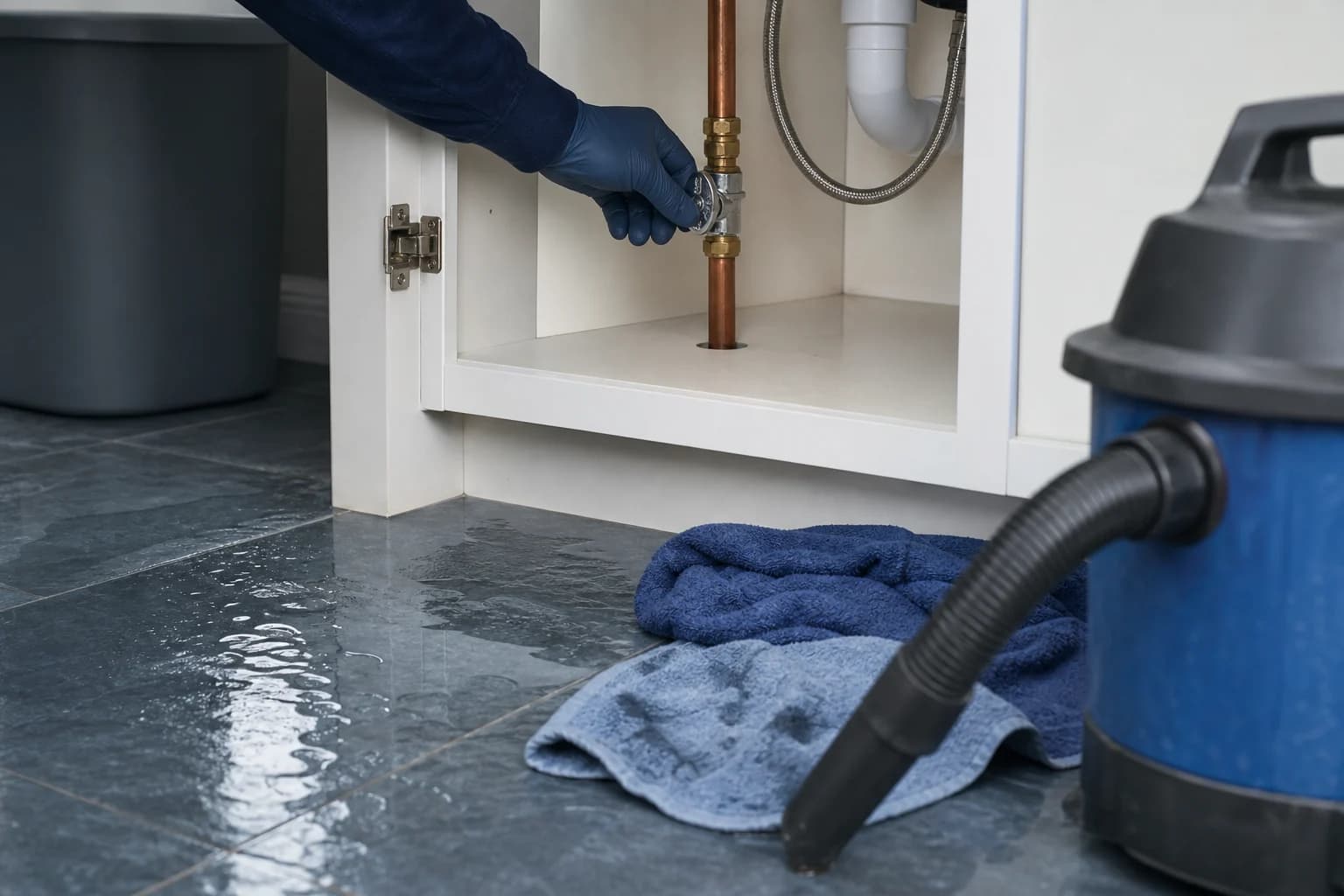
The source of the water often shapes how a claim is handled. A burst supply line, a roof leak, a sewer backup, and rising floodwater are not treated the same way in every policy. The first step is to identify what happened, document it, and check the policy wording before assuming the damage is covered.
- Sudden damage may be treated differently from gradual damage that developed over time.
- Flood damage from rising water is typically handled separately from standard homeowners coverage.
- Backups or other special situations may depend on endorsements or policy terms.
Why sudden and gradual damage are often treated differently
Many homeowners policies distinguish between sudden, accidental water damage and damage that develops gradually. A sudden event, such as a pipe bursting, is often evaluated differently from a slow leak that has been present for some time. Gradual damage may raise questions about maintenance, but only the policy and claim facts determine the outcome.
Flooding is usually separate coverage
Flooding is the most common and most costly natural disaster in the United States, according to FloodSmart. gov. Damage from rising water is generally insured separately from a standard homeowners policy. Homeowners should check whether flood coverage is in place before a loss occurs and review the policy details if rising water is part of the damage.
Document the damage before cleanup when it is safe
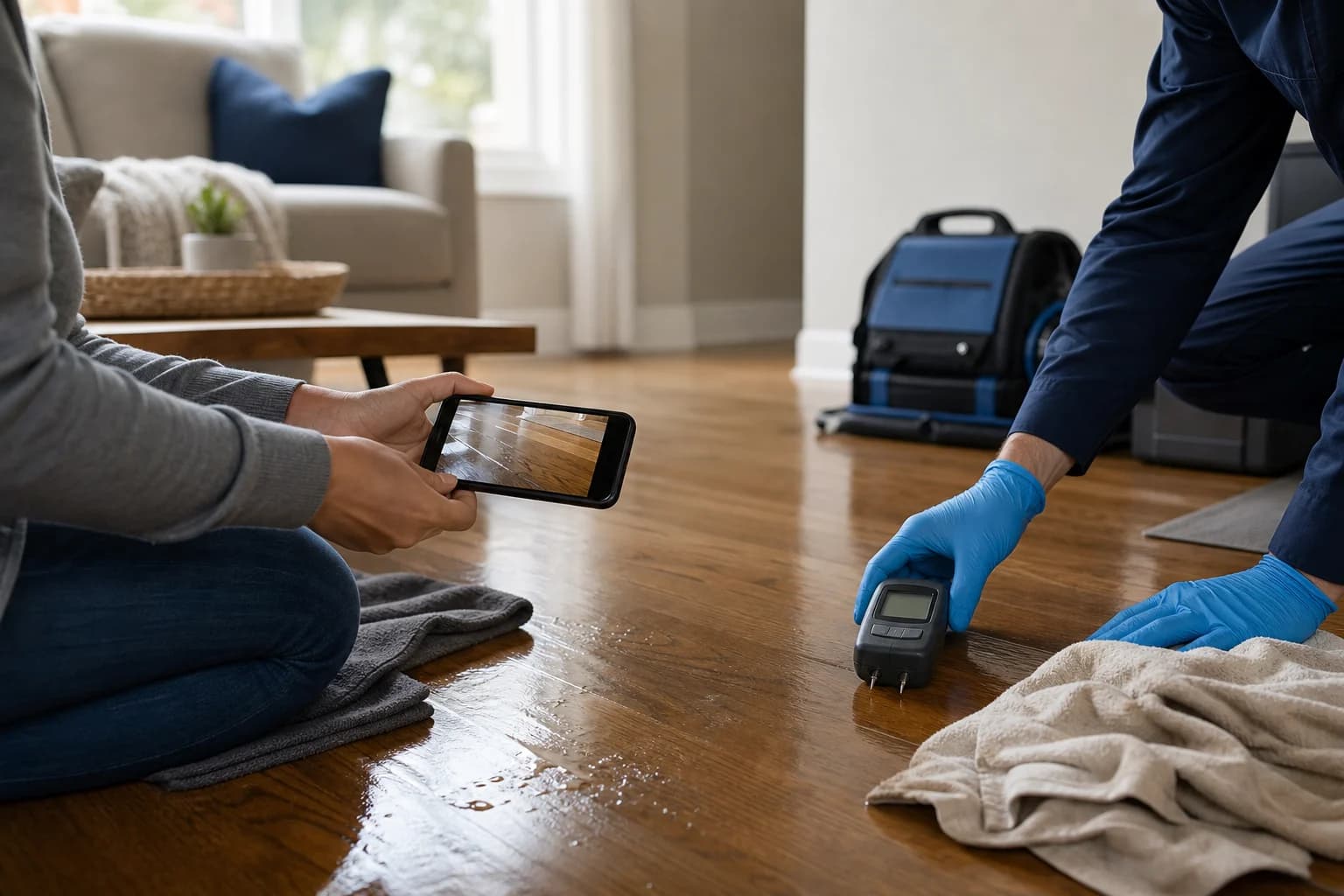
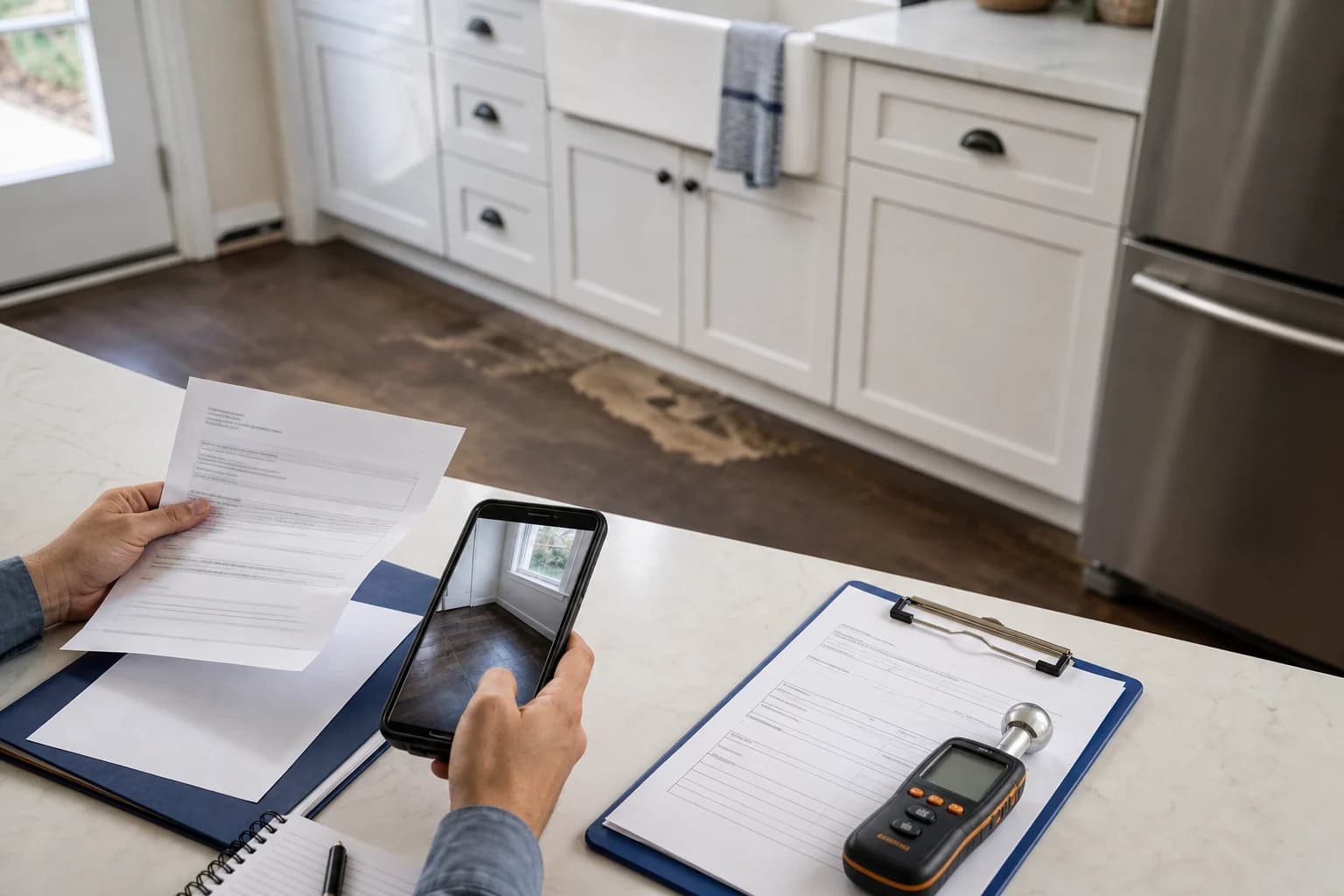
The NAIC recommends reporting the claim promptly and documenting the damage. Good records can help show what happened and what was affected. If the area is safe to access, take photos and video, note when the damage was discovered, and keep damaged items until the insurer says otherwise.
- Photograph and video affected rooms, materials, and belongings.
- Write down the date, time, and likely source of the water.
- Save receipts for emergency work and related expenses.
- Keep damaged items when reasonable so the insurer can inspect them.
Know what the policy does and does not cover
The NAIC advises homeowners to review their policies carefully, including exclusions and inventories. Dwelling coverage, personal property coverage, exclusions, and endorsements can all affect how a water claim is evaluated. Coverage is not decided by a general rule alone; it depends on the specific policy and the facts of the loss.
What adjusters and insurers typically need
NAIC guidance on filing a homeowners claim emphasizes reporting the loss, documenting the damage, and meeting with the adjuster. Clear records help the insurer understand the source, extent, and timing of the damage. Homeowners should also ask questions about deductibles, required steps, and any additional information the insurer needs.
Why quick drying matters for moisture control
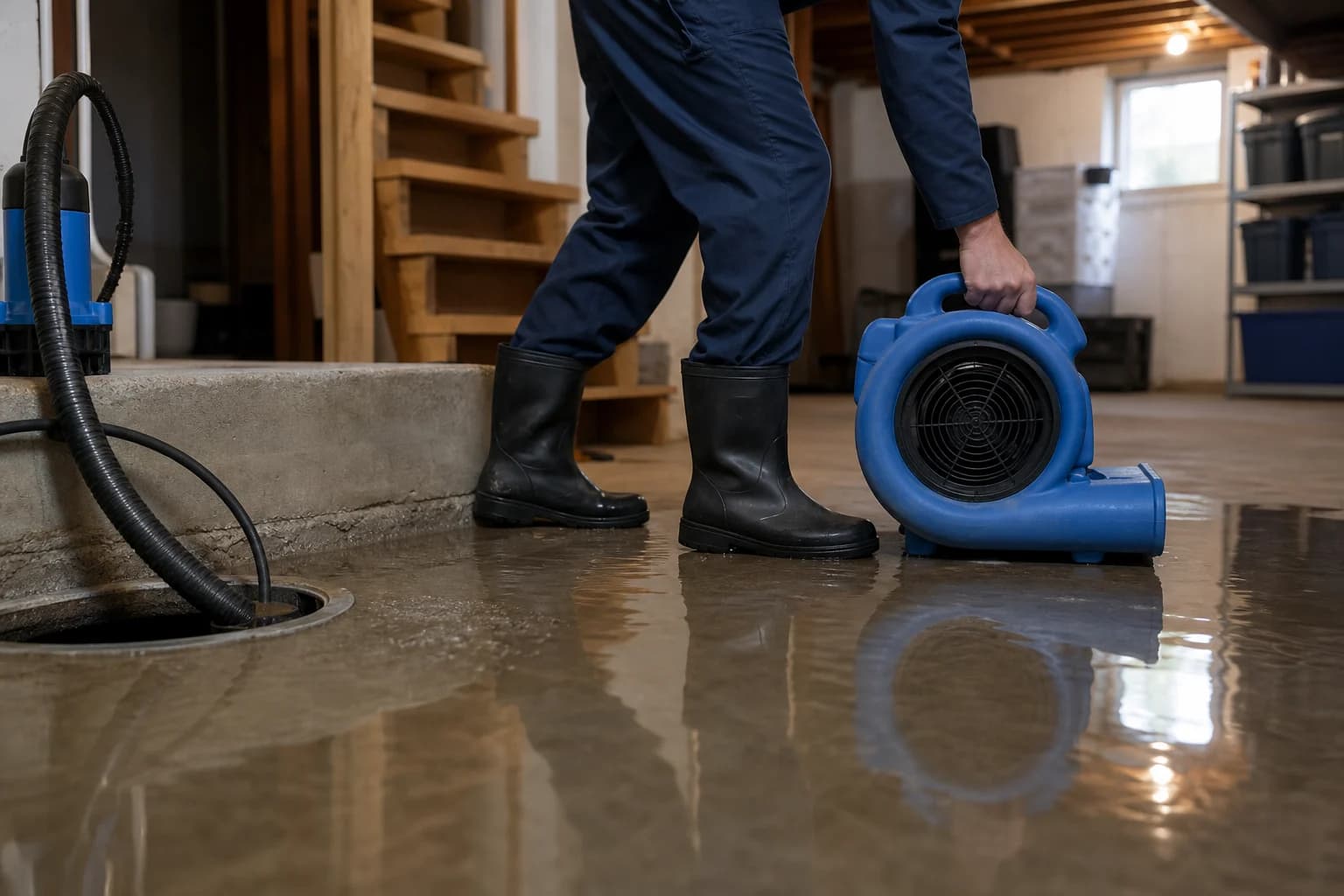
The EPA advises prompt drying after a water event and notes that wet building materials should be dried within about 24 to 48 hours when possible. Fast drying reduces the conditions that allow mold to grow. Thermal imaging can help screen for temperature patterns, but it does not prove moisture or mold without direct measurement or inspection.
When sewage or contaminated water is involved
If the loss involves sewage, black water, or other potentially contaminated water, it should be handled with professional caution. Avoid exposure and follow public-health guidance. Restoration professionals can help with safe handling, sanitation, and cleanup decisions based on the conditions in the property.
How independent restoration professionals can help
Water Restoration Pros connects homeowners with independent restoration professionals. Those pros can begin mitigation, document the condition of the property, and help reduce further damage where possible. They do not decide coverage, approve claims, or replace the insurer’s role in evaluating the loss.
Common mistakes to avoid after a water loss
A few simple missteps can complicate a water claim. Delaying reporting, throwing away damaged items too soon, or skipping documentation can make it harder for the insurer to evaluate the loss. It also helps to avoid guessing about coverage and instead confirm the policy terms directly with the insurer.
- Do not assume flood damage is covered by a standard homeowners policy.
- Do not discard damaged items before the insurer has had a chance to review them, when reasonable.
- Do not rely on general advice alone; check the policy and ask the insurer about the claim facts.
If the area is safe, document the damage first, then contact the insurer and arrange prompt drying or cleanup as appropriate. The goal is to limit additional damage and preserve evidence for the claim.
A practical next step after water damage
After the area is safe, homeowners should document the loss, contact the insurer, and arrange prompt drying or cleanup as appropriate. The goal is to limit additional damage and preserve evidence for the claim. If help is needed, Water Restoration Pros can connect the homeowner with independent restoration professionals in the area.
Need Help Right Now?
While you sort out your claim, water keeps causing damage. Call Water Restoration Pros to get connected with restoration professionals that service your area and can start mitigation and document the damage.
Call (833) 968-0848Frequently asked questions
Does homeowners insurance cover water damage from a burst pipe?
Is flood damage covered by a standard homeowners policy?
What should be documented after a water loss?
Sources reviewed (6)
- Insurance Information Institute — Facts + Statistics: Homeowners and renters insurance: Industry statistics for water-damage and freezing claim frequency and homeowners loss categories.
- FloodSmart. gov — the National Flood Insurance Program: Flooding is the most common and most costly natural disaster in the U. S. ; flood damage from rising water is insured separately from standard homeowners policies.
- NAIC - Consumer Homeowners Insurance: NAIC consumer information on homeowners coverage, exclusions, inventories, and policy review.
- NAIC - What You Need to Know When Filing a Homeowners Claim: NAIC guidance on reporting a claim, documenting damage, deductibles, contractors, and adjuster meetings.
- U.S. EPA - A Brief Guide to Mold, Moisture and Your Home: EPA guidance on moisture control, prompt drying, indoor humidity, and mold cleanup decisions.
- U.S. EPA - Mold Course Chapter 2: EPA guidance to dry wet building materials within about 24 to 48 hours when possible.