What a water damage adjuster inspection is
A water damage adjuster inspection is part of the homeowners claim process after a water loss. The adjuster reviews the visible damage, asks how the loss happened, and gathers information that helps the insurer evaluate the claim. Clear records and organized photos can make the inspection easier to follow.
This guide explains how to prepare, what the inspection may cover, which documents help show the full scope of loss, and how to respond if some damage is not included in the initial scope. It also notes how independent restoration professionals can support documentation and mitigation.
Before the adjuster arrives
After a water loss is reported, the homeowner can start organizing information for the adjuster visit. The goal is to show what was affected, what was done right away, and what still needs attention.
- Notify the insurer promptly and keep written notes of calls, emails, and claim updates.
- Take photos and videos before cleanup or repairs begin, including wide shots and close-ups.
- Make a room-by-room inventory of damaged items and affected building materials.
- Save receipts for emergency repairs, extraction, drying, or other mitigation work already completed.
- Gather any written findings from plumbers or other professionals who inspected the loss.
- If available, collect moisture readings, drying logs, or repair estimates from independent restoration professionals.
What the inspection may include
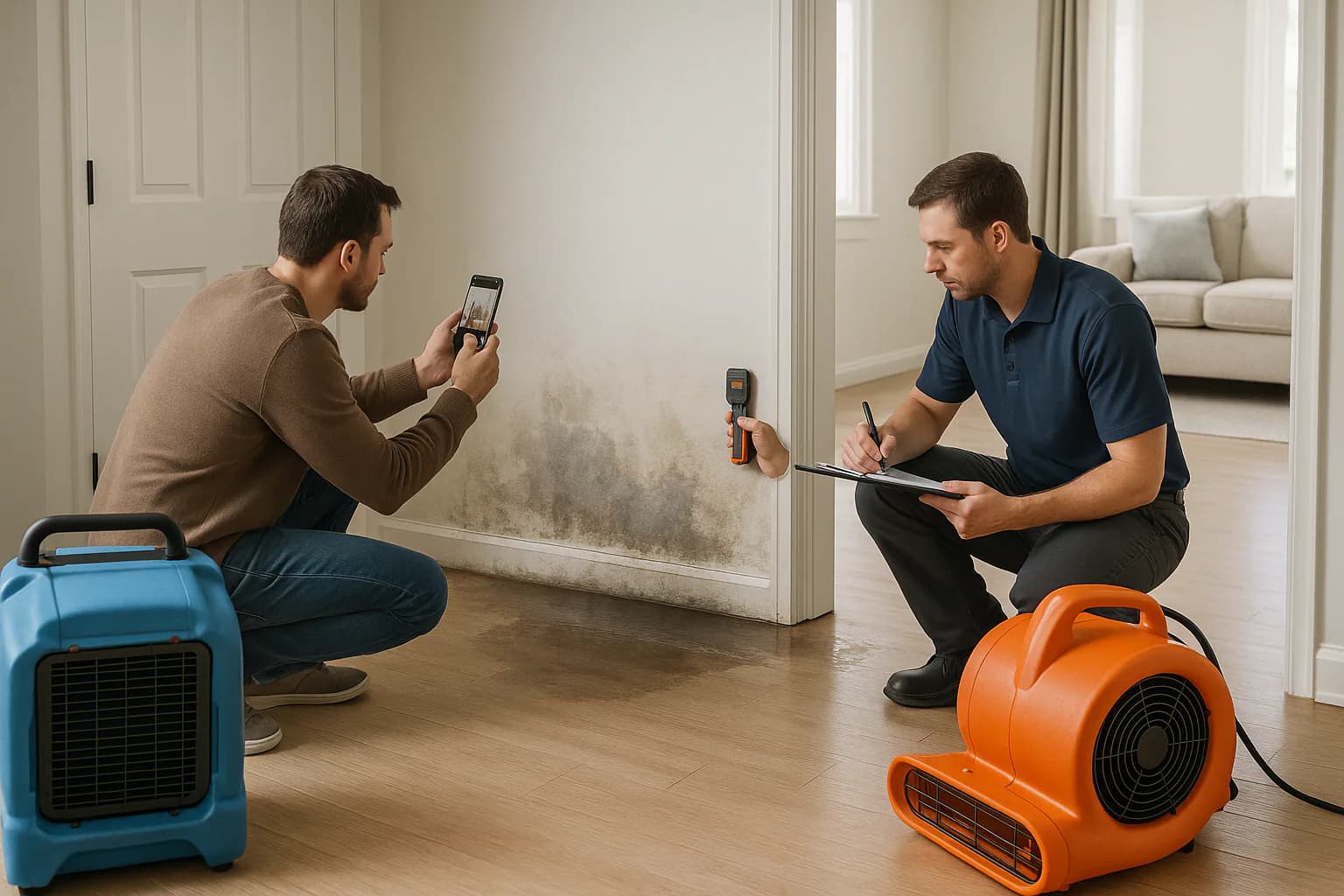
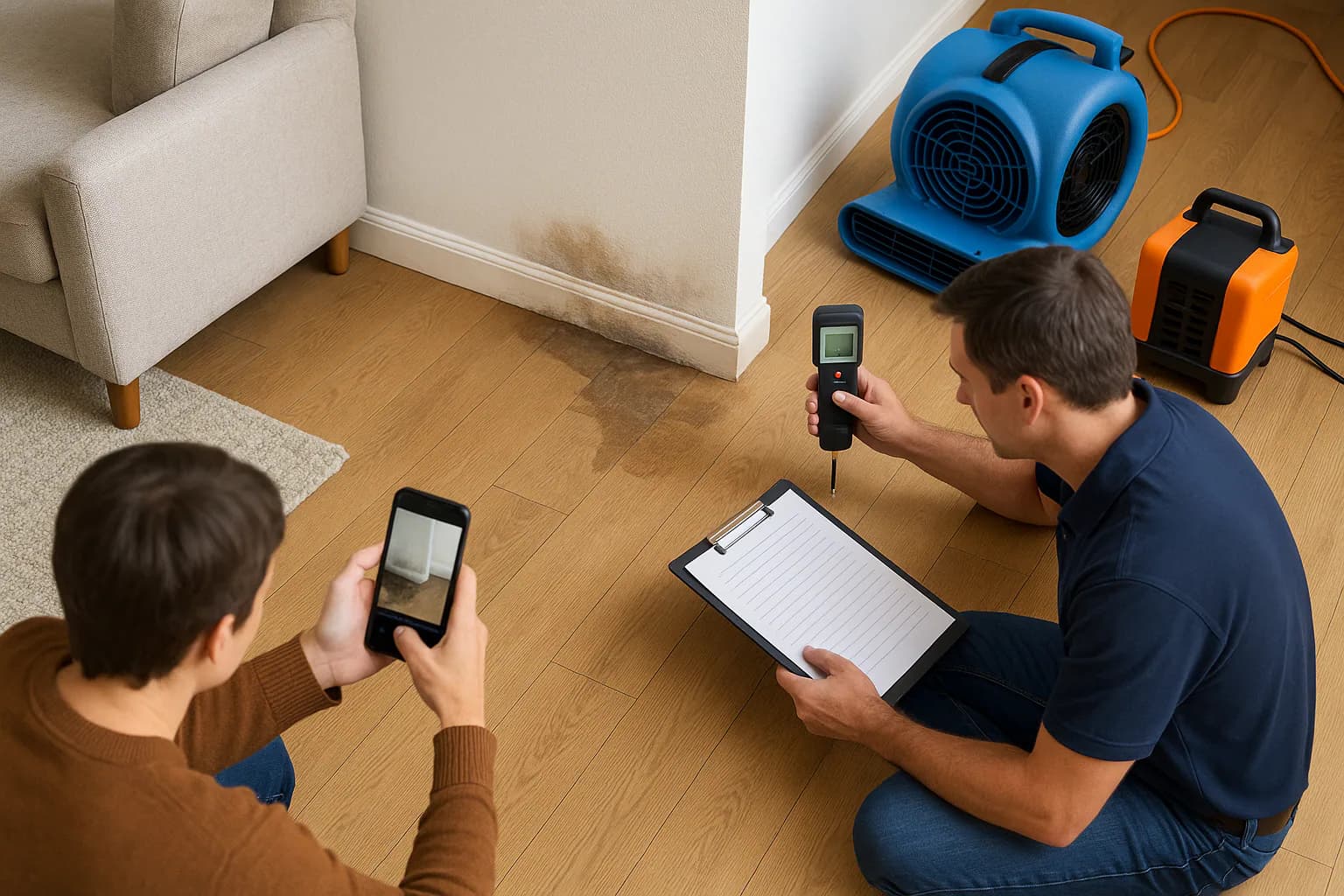
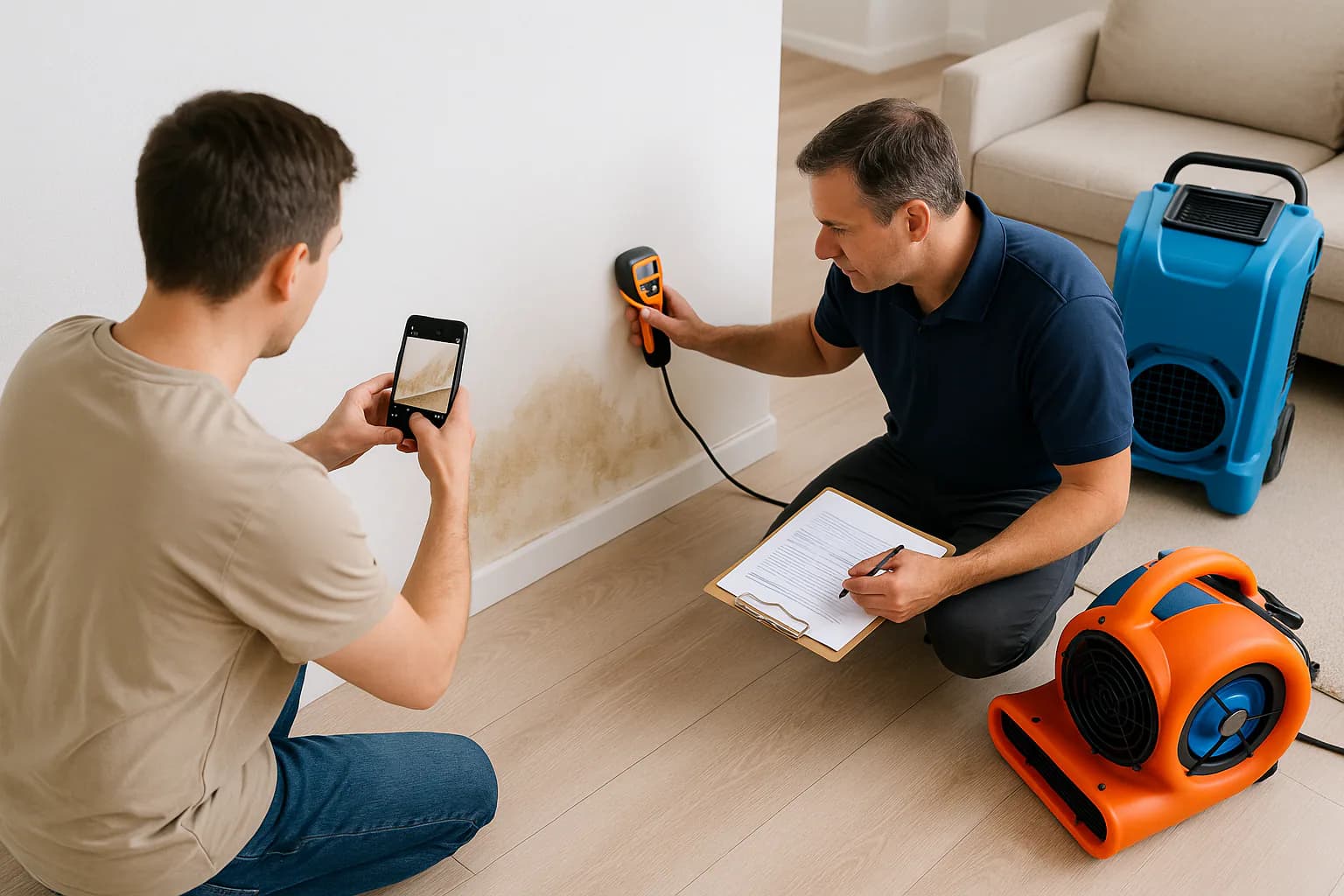
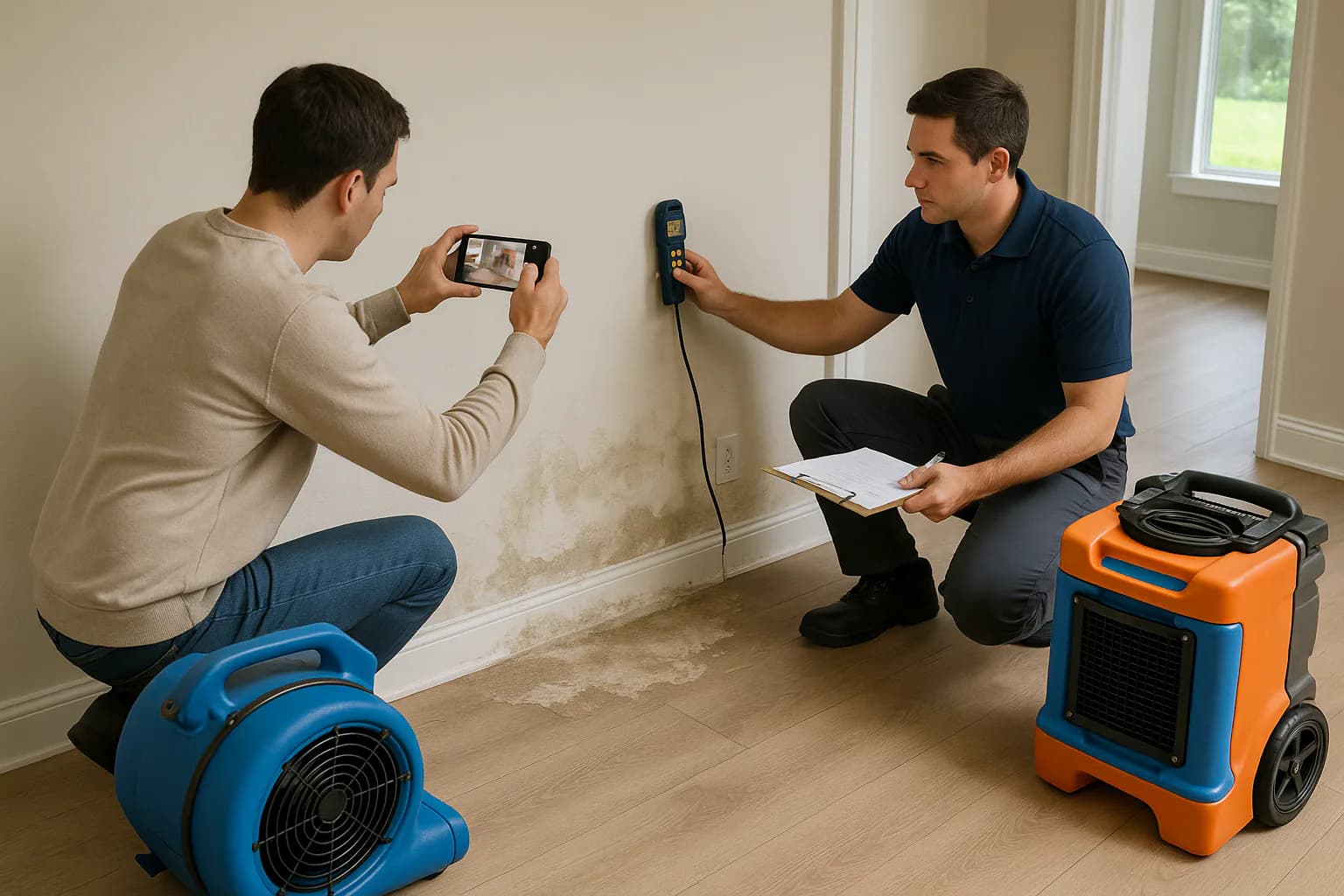
During the inspection, the adjuster typically reviews the areas affected by water and looks for signs of both visible and hidden damage. The inspection helps the insurer understand the cause of loss, the materials affected, and the work that may be needed.
The adjuster may also discuss mitigation that has already started and ask questions about where the water came from, how long materials were wet, and whether any areas were hard to access during the first visit.
- Inspect rooms, walls, floors, ceilings, and other building components for water damage.
- Review the type of water involved, such as clean water, gray water, or contaminated/black water.
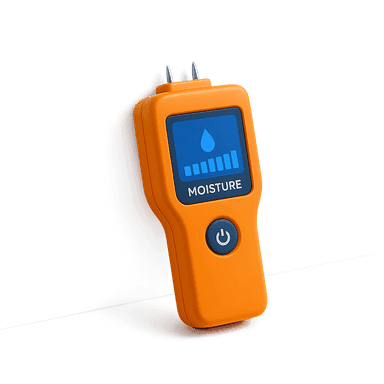
- Look at the progress of drying and other mitigation work, including moisture readings when available.
- Examine appliances, finishes, and personal property that may need repair or replacement.
- Take photos, notes, and measurements for the claim file.
- Speak with the homeowner and any independent restoration professionals present about findings and next steps.
Documents that help explain the full scope
Good documentation helps show the full impact of the loss and can reduce the chance that damaged items are overlooked. Records gathered early are often the most useful because they show conditions before cleanup changes the scene.
- Photos and videos taken soon after the loss.
- A detailed inventory of damaged personal property and building materials.
- Receipts for emergency mitigation or temporary repairs.
- Written reports or findings from plumbers or other professionals.
- Moisture maps or drying logs from restoration professionals.
- Repair or mitigation estimates that describe the work needed.
Keep a written record of the documents submitted, the dates they were shared, and any questions or follow-up requests from the insurer. That record can help if more information is needed later.
Do not delay reasonable mitigation
Prompt drying and cleanup can help limit further damage. EPA guidance notes that wet materials should be dried within about 24 to 48 hours when possible to reduce the conditions that allow mold to grow. Fast action does not support that all damage can be avoided, but it can help reduce the spread of moisture.
Independent restoration professionals can provide extraction, structural drying, and, when needed, sanitation services for contaminated or black water. If the water source is uncertain, the area is unsafe, or structural damage is possible, it is better to use professional help than to delay.
Some materials may be salvageable if they are dried quickly, while others may need to be replaced based on the type of water involved, the amount of time they were wet, and visible damage. The adjuster and the pros in your area may need to review these conditions together.
Thermal imaging can screen for temperature patterns that may suggest hidden moisture, but it does not prove moisture or mold by itself. Direct measurement or inspection is still needed to confirm what is present.
How moisture evidence helps
Moisture evidence can help explain where water traveled and how far it spread. Restoration professionals may use moisture readings, drying logs, or moisture maps to show what was wet and how conditions changed over time.
That documentation can be useful when damage is not obvious from a quick visual review. It can also help show whether wet materials were drying as expected or whether hidden moisture may still be present in walls, floors, or other building components.
If damage is missing from the scope
If the initial report does not include all of the damage, the issue should be raised as soon as possible. Missing items can happen when an area was not accessible, when hidden damage was not visible, or when the full extent of the loss was not clear during the first visit.
To support a review, provide new photos or videos, ask for additional estimates, and send the information to the insurer in writing. Keep notes of the dates, names, and topics covered in each conversation so the claim file stays organized.
Insurance coverage depends on the policy
Homeowners insurance coverage depends on the cause of loss, policy language, exclusions, endorsements, limits, deductible, and the facts of the claim. The policy should be reviewed carefully, and the insurer should be contacted with questions about coverage or the claim process.
Insurance outcomes are not decided by the inspection alone. The adjuster’s report is one part of the claim review, along with the policy and the documentation provided by the homeowner and any professionals involved.
Working with independent restoration professionals
Water Restoration Pros connects property owners with independent restoration professionals. Those pros can help document damage, provide moisture readings or drying logs, and perform mitigation work such as extraction and drying when appropriate.
Because the pros are independent, the homeowner can use the inspection notes, photos, and estimates they provide to help explain the loss to the insurer. That documentation can be especially useful when hidden moisture or contamination is part of the claim.
Explore Water Damage Services
Connect with Water Restoration Pros
Find independent restoration professionals in your area to help with water mitigation, drying, and repair estimates. Early action supports your insurance claim and limits further damage.
Call (833) 968-0848Frequently asked questions
What should be ready before a water damage adjuster inspection?
What does an adjuster usually look at during the inspection?
Why should drying start quickly after a water loss?
Sources reviewed (4)
- NAIC - What You Need to Know When Filing a Homeowners Claim: NAIC guidance on reporting a claim, documenting damage, deductibles, contractors, and adjuster meetings.
- NAIC - Consumer Homeowners Insurance: NAIC consumer information on homeowners coverage, exclusions, inventories, and policy review.
- U.S. EPA - A Brief Guide to Mold, Moisture and Your Home: EPA guidance on moisture control, prompt drying, indoor humidity, and mold cleanup decisions.
- U.S. EPA - Mold Course Chapter 2: EPA guidance to dry wet building materials within about 24 to 48 hours when possible.