Skip to content
Water Restoration Pros

Water Damage Service

Sewage Backup Cleanup

A sewage backup brings contaminated water into the property and calls for careful, professional cleanup. Water Restoration Pros helps property owners connect with sewage backup cleanup help.

Service overview

Sewage backup cleanup help that removes contaminated water, handles affected materials safely, and sanitizes and dries the area.

Recognize the problem

Does this situation call for sewage backup cleanup?

Start with what you can safely observe. The source, the type of water, and the materials affected determine the response after an on-site assessment.

What you may notice

A drain, toilet, or sewer line backed up into the property

Contaminated water reached floors, walls, or belongings

There is a strong sewage odor and visible contamination

A lower-level drain overflowed during heavy use or heavy rain

How it commonly starts

Clogged or blocked sewer and drain lines

Tree roots intruding into sewer pipes

Municipal sewer surcharge during heavy rain

Toilet and floor drain overflows

Why timing changes the outcome

Sewage is contaminated black water that requires safe handling.

Porous materials touched by sewage often must be removed. Proper sanitation is essential after contaminated water.

Lingering moisture after a backup still creates mold conditions.

In-depth guidance

What to know about sewage backup cleanup

Why sewage backups need extra care

Sewage is classified as contaminated, or black, water. That changes everything about the cleanup: materials that soaked it up usually need to be removed, and the surfaces that remain need thorough sanitation rather than a simple wipe-down.

Handled correctly, a backup is contained, the contamination is removed, and the area is cleaned, sanitized, and dried before repairs begin.

Why sewage cleanup is a different job: Category 3 handling, containment, and sanitation

Sewage backups involve handling Category 3 water, also known as black water, which contains harmful contaminants and poses health risks. This requires specialized techniques to ensure safe cleanup. Restoration professionals follow strict protocols to manage and contain affected areas, preventing cross-contamination and further property damage.

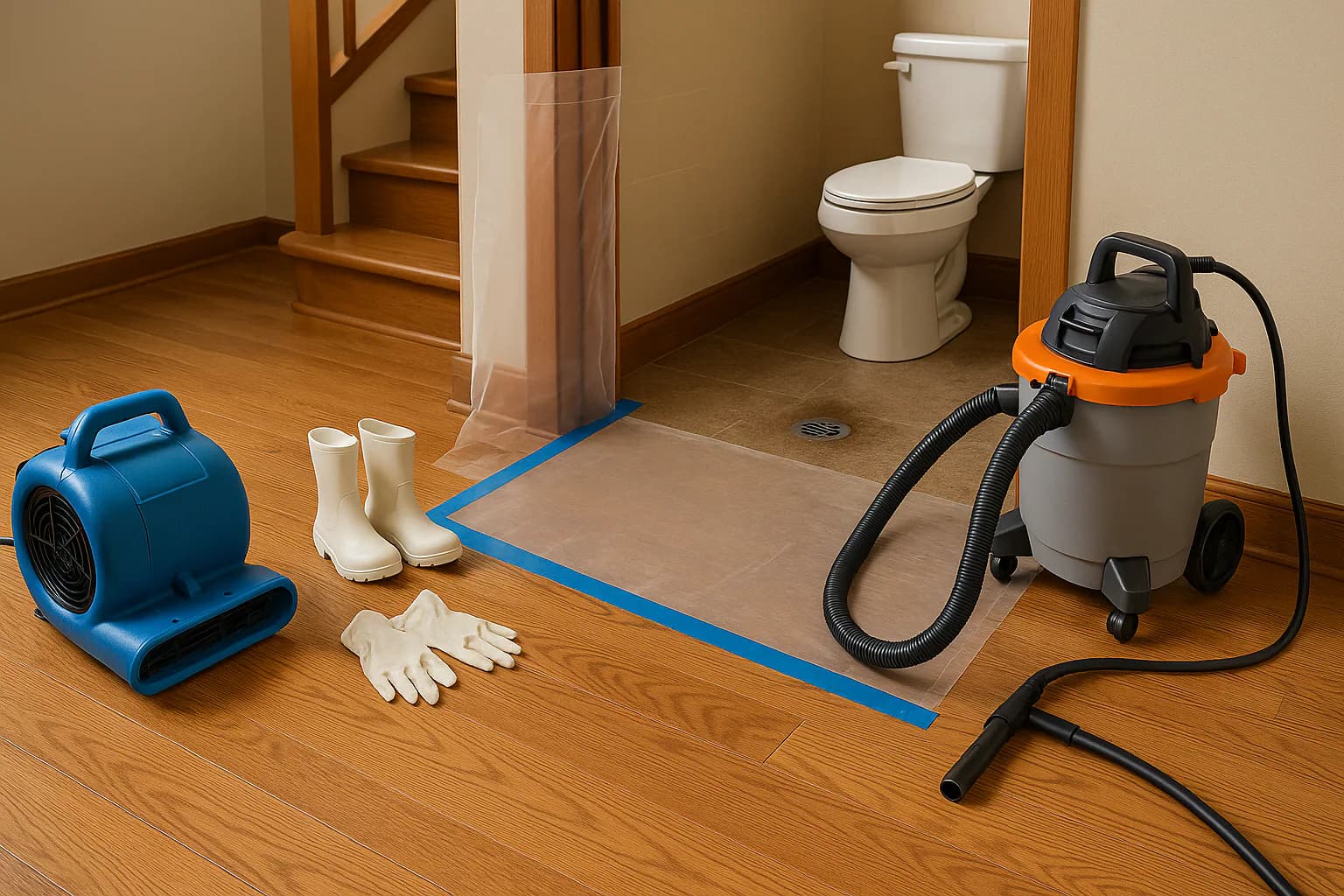
Proper containment is vital during sewage cleanup. Restoration pros use barriers and negative air pressure systems to isolate the area. They also wear protective gear and use industry-approved disinfectants to sanitize surfaces. This approach minimizes health risks and ensures thorough decontamination.

The cleanup process includes removing unsalvageable materials and implementing fast-drying techniques. Quick drying reduces conditions that allow mold to grow, aligning with EPA guidelines. Professionals are trained to handle these complex situations safely and effectively.

What gets saved and what gets removed after a backup

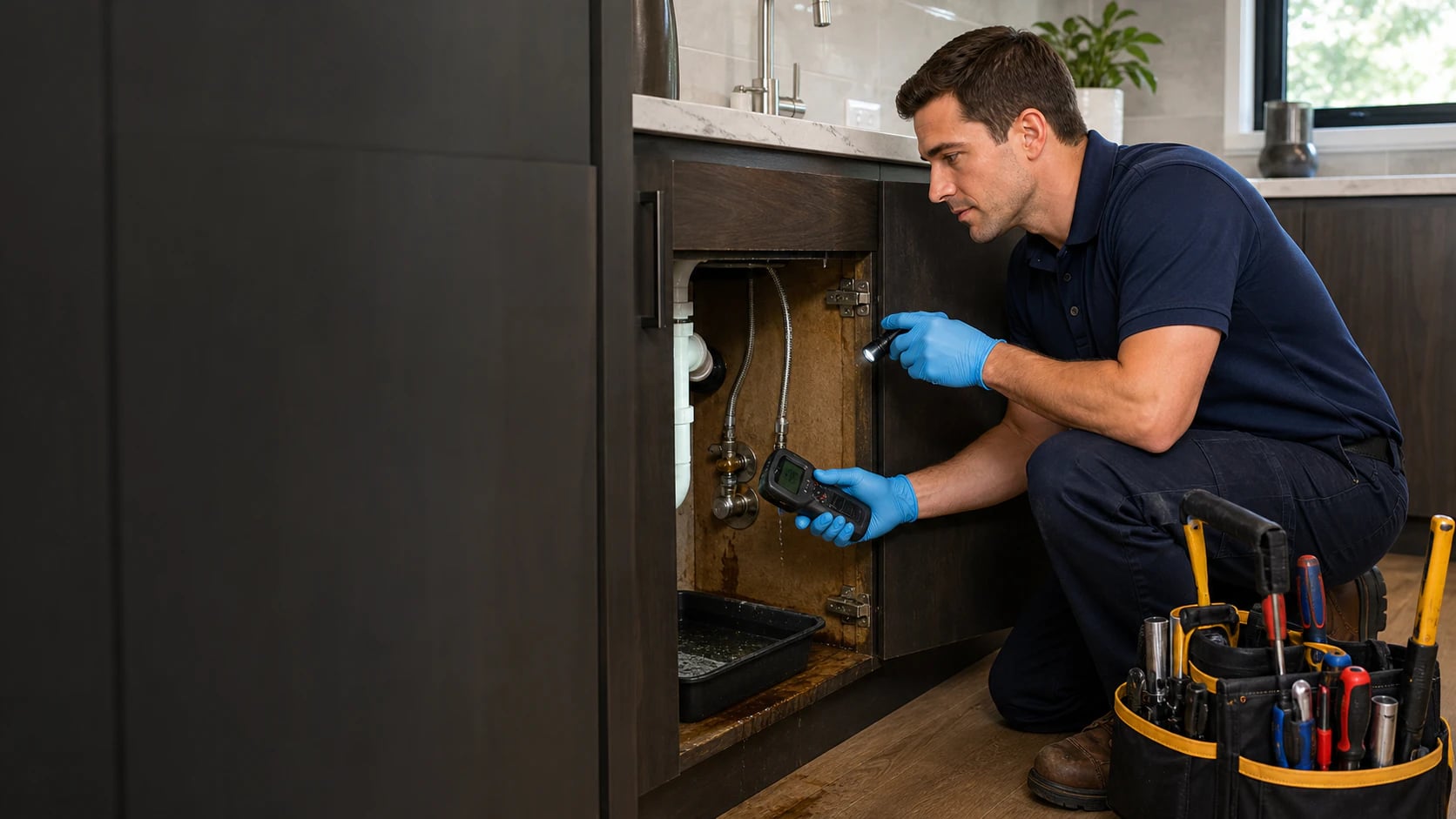
After a sewage backup, restoration professionals assess the damage to determine what can be cleaned and saved and what must be removed. Porous materials like carpets, drywall, and insulation usually need to be discarded due to contamination. Non-porous items, such as metal or plastic, may be sanitized and saved.

The decision to save or remove materials depends on the extent of contamination and the material type. Professionals evaluate each item, considering both the level of exposure to contaminated water and the potential for successful sanitation.

Items that absorb water quickly and are difficult to clean, such as upholstered furniture, typically require removal. Restoration professionals guide homeowners through these decisions, balancing safety and cost considerations.
Cost and scope

What affects sewage backup cleanup cost

Sewage cleanup cost depends on how far the contamination spread, how much porous material must be removed, and the sanitation and drying required. Understand the factors, then connect with a professional for safe handling.

A written estimate should connect each charge to the source, affected materials, access, contamination conditions, drying work, and repairs found during the assessment.

National planning range

Standard residential planning range

$3,150-$6,650 per project

Resolved from the approved Water Restoration Pros pricing methodology and standardized scope.

Cost ranges are estimates developed from standardized project scopes and reviewed pricing inputs. Government labor and regional cost data are used where applicable. See our Pricing Methodology for the exact sources, calculations, and review date. Actual prices vary by property, scope, materials or equipment, location, and provider.

Extent of contamination

How far the contaminated water spread, and what it touched, drives the scope of safe removal and sanitation.

Porous materials affected

Carpet, padding, drywall, and similar materials that absorbed contaminated water usually must be removed rather than cleaned.

Sanitation requirements

Hard surfaces that remain need thorough cleaning and sanitation, handled with proper equipment and protection.

Drying after cleanup

Once contamination is removed and the area is sanitized, the space still needs to be dried before any repairs.

Read the full sewage backup cleanup cost guide

Professional response

How the work moves from damage to a dry property

The exact scope changes with the water source and affected materials, but a measured restoration response generally moves through three phases.

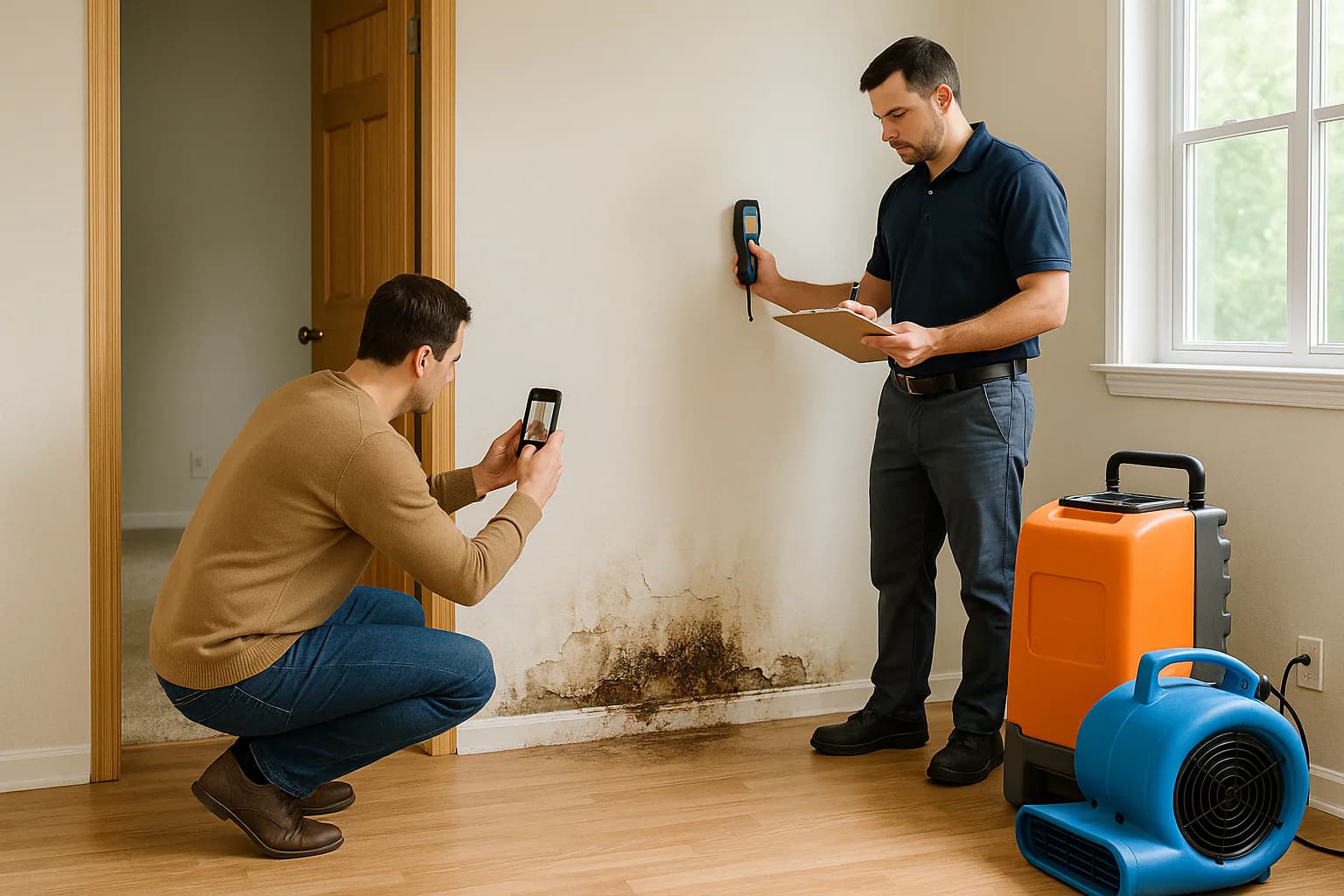
Assess and stabilize

Contain the area

Isolate the contaminated area to keep people, pets, and clean spaces protected.

Remove contaminated water

Extract the standing contaminated water with the proper equipment and handling.

Remove and dry

Remove affected materials

Take out porous materials that absorbed contaminated water and cannot be safely cleaned.

Clean and sanitize

Clean and sanitize hard surfaces to address contamination from the backup.

Verify and recover

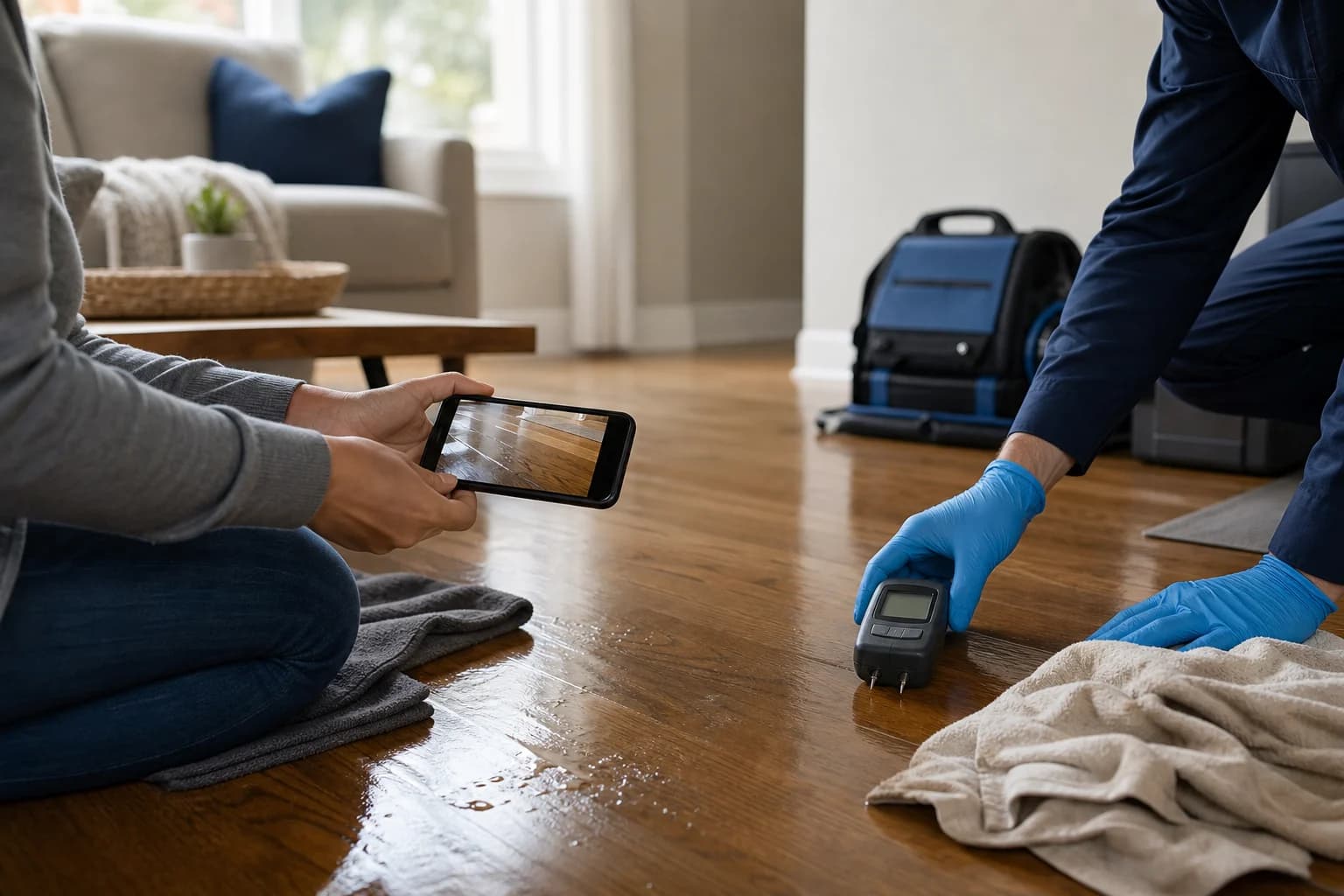
Dry and verify

Dry the area and confirm it is ready before any repairs or reconstruction.

What to expect from the first visit

Contain the area

Isolate the contaminated area to keep people, pets, and clean spaces protected.

Remove contaminated water

Extract the standing contaminated water with the proper equipment and handling.

Remove affected materials

Take out porous materials that absorbed contaminated water and cannot be safely cleaned.

Clean and sanitize

Clean and sanitize hard surfaces to address contamination from the backup.

Questions to ask before approving the scope

How will the assessment document wastewater source and affected boundary?

The answer should be specific to the property and reflected in the written scope.

Which conditions determine whether sewage backup cleanup is the right service path?

The answer should be specific to the property and reflected in the written scope.

What work, specialist responsibilities, measurements, and completion records will be included in writing?

The answer should be specific to the property and reflected in the written scope.

Before help arrives

What you can do now

Only take steps you can complete safely. Leave the area and wait for qualified help if there is an electrical, structural, or contamination risk.

Keep people and pets away from the contaminated area.

Avoid contact with the water and affected surfaces.

Do not run water or flush fixtures that drain into the backup.

Turn off power to the area if it is safe to do so.

Call to connect with sewage backup cleanup help.

These are general precautions for sewage backup cleanup; conditions at the property determine what is safe and appropriate.

Frequently asked questions

Why is sewage cleanup different from other water cleanup?
Sewage is contaminated black water. Porous materials that absorb it usually need to be removed, and remaining surfaces require sanitation, so the work calls for proper equipment and safe handling.
Can I clean up a sewage backup myself?
Because of the contamination and health considerations, sewage backups are best handled by professionals with the right protective equipment and sanitation process. Keep people and pets away from the area.
What materials need to be removed after a sewage backup?
Porous materials like carpet, padding, and affected drywall that absorbed contaminated water often need to be removed, while sealed and hard surfaces can frequently be cleaned and sanitized.
What are the signs of a sewage backup in my home?
Signs of a sewage backup include foul odors, slow drains, water pooling around floor drains, and gurgling sounds in pipes. If you notice any of these, contact a professional for assessment.
How long does sewage cleanup typically take?
The duration of sewage cleanup varies based on the extent of damage and size of the affected area. It generally involves several days for cleanup, drying, and sanitation, with additional time for any necessary reconstruction.

Sewage Backup Cleanup by state

Choose a state on the map or open its city directory to find sewage backup cleanup pages for your area.

Technical and safety sources (5)

These sources support restoration, safety, moisture, cleanup, and scope guidance. They do not serve as numeric pricing provenance.

Need help with sewage backup cleanup?

Call Water Restoration Pros to connect with sewage backup cleanup help in your area.

Call (833) 968-0848 · No-obligation · Availability varies by area

(833) 968-0848Check