Crawl spaces are often hidden from daily view, but water damage below the home can quietly threaten both structure and comfort. Because crawl spaces are enclosed, dark, and sometimes difficult to access, signs of moisture may go unnoticed until larger issues develop.
Learning to spot crawl space water damage early helps homeowners avoid costly repairs and reduces the conditions that allow mold to grow. This guide covers the most common warning signs, where moisture comes from, why it matters for the rest of the house, when it may not be safe to enter, and how local restoration professionals handle cleanup and drying.
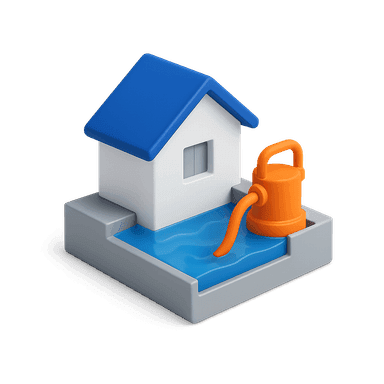
Signs the Crawl Space Is Holding Water
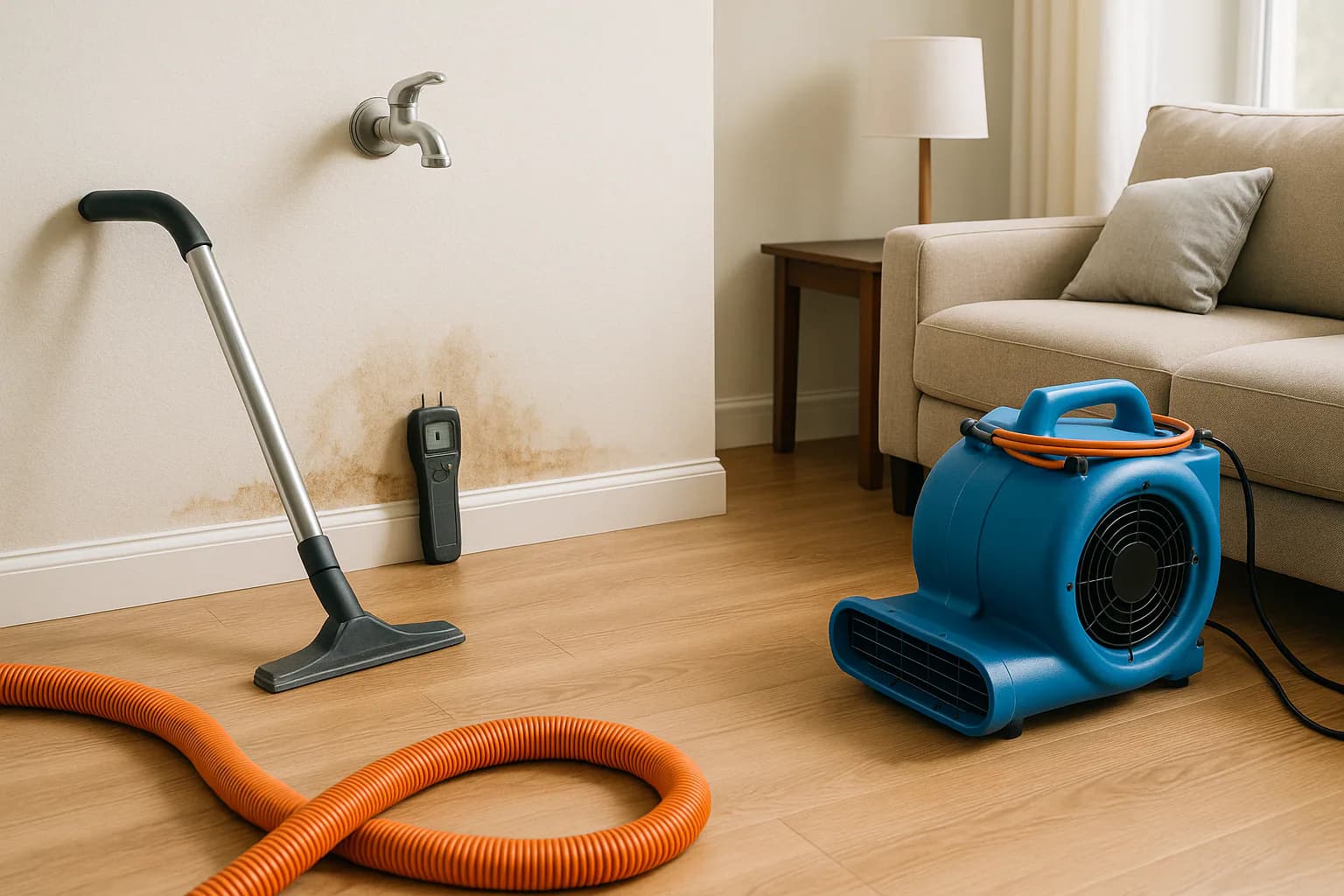
Recognizing early signs of water in the crawl space can prevent more serious damage. Musty or earthy odors often signal trapped moisture. Insulation may sag, feel damp, or show discoloration if it has absorbed water. Condensation on pipes or wooden framing is another sign of high humidity below the home.
Damp or soft subflooring above the crawl space may indicate water has moved up through the structure. Pests such as insects or rodents often appear when moisture attracts them to the area. In some cases, standing water, mud, or visible pooling may be seen—even if hidden under insulation or debris. Any of these clues should prompt a closer inspection.
- Musty or earthy odors
- Sagging, damp, or stained insulation
- Condensation on pipes or framing
- Soft or warped subfloors above the crawl space
- Unusual pest activity
- Visible standing water or mud
Common Sources of Crawl Space Moisture
Crawl space moisture can come from several sources. Poor exterior grading is a frequent contributor: if the ground slopes toward the house, rainwater may pool at the foundation and seep inside. Faulty or clogged gutters and downspouts can also direct water toward the crawl space instead of away from it.
Groundwater may rise and enter if the soil around the house stays saturated for long periods. Plumbing leaks inside the crawl space, such as from supply pipes or drains, introduce water directly into the area. Humid outside air can enter through vents or gaps, leading to condensation when it contacts cooler surfaces. Bare-earth floors in crawl spaces retain moisture and can release it into the air, prolonging dampness.
- Improper grading around the foundation
- Groundwater seepage after heavy rain
- Plumbing leaks inside or above the crawl space
- Humid outdoor air entering vents or gaps
- Bare-earth floors holding moisture
How Moisture Moves from Crawl Spaces into Your Home
Moisture issues in a crawl space rarely stay contained. Damp air can move upward through gaps in the subfloor, floor vents, or framing cracks, raising the humidity inside living spaces. Over time, this increased moisture can affect flooring, cause wood to swell or warp, and contribute to the slow deterioration of structural materials.
Crawl spaces often dry slowly due to limited ventilation, high humidity, and bare-earth floors that continuously release moisture. The EPA recommends that wet materials be dried within 24 to 48 hours to reduce the conditions that allow mold to grow. Persistent dampness in the crawl space makes meeting this timeline difficult without professional drying and moisture control.
When Not to Enter a Crawl Space
Some crawl space conditions make entry unsafe for homeowners. Standing water may be contaminated—especially if it includes gray water from plumbing leaks or black water from sewage or outside flooding. Contact with contaminated water can be hazardous and should be handled by trained professionals equipped for safe sanitation.
If you see signs of structural instability, such as sagging supports or rotted wood, avoid entering. Large areas of visible mold (more than about 10 square feet) also call for professional assessment, as recommended by EPA guidance. Restoration professionals use personal protective equipment and specialized tools to safely inspect and address crawl space water issues.
Safety First
Do not enter any crawl space with standing water, signs of structural damage, or visible mold larger than 10 square feet. Professionals are equipped for safe entry and cleanup.
How Professionals Locate, Remove, and Prevent Crawl Space Moisture
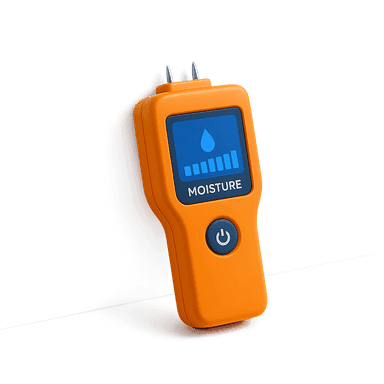
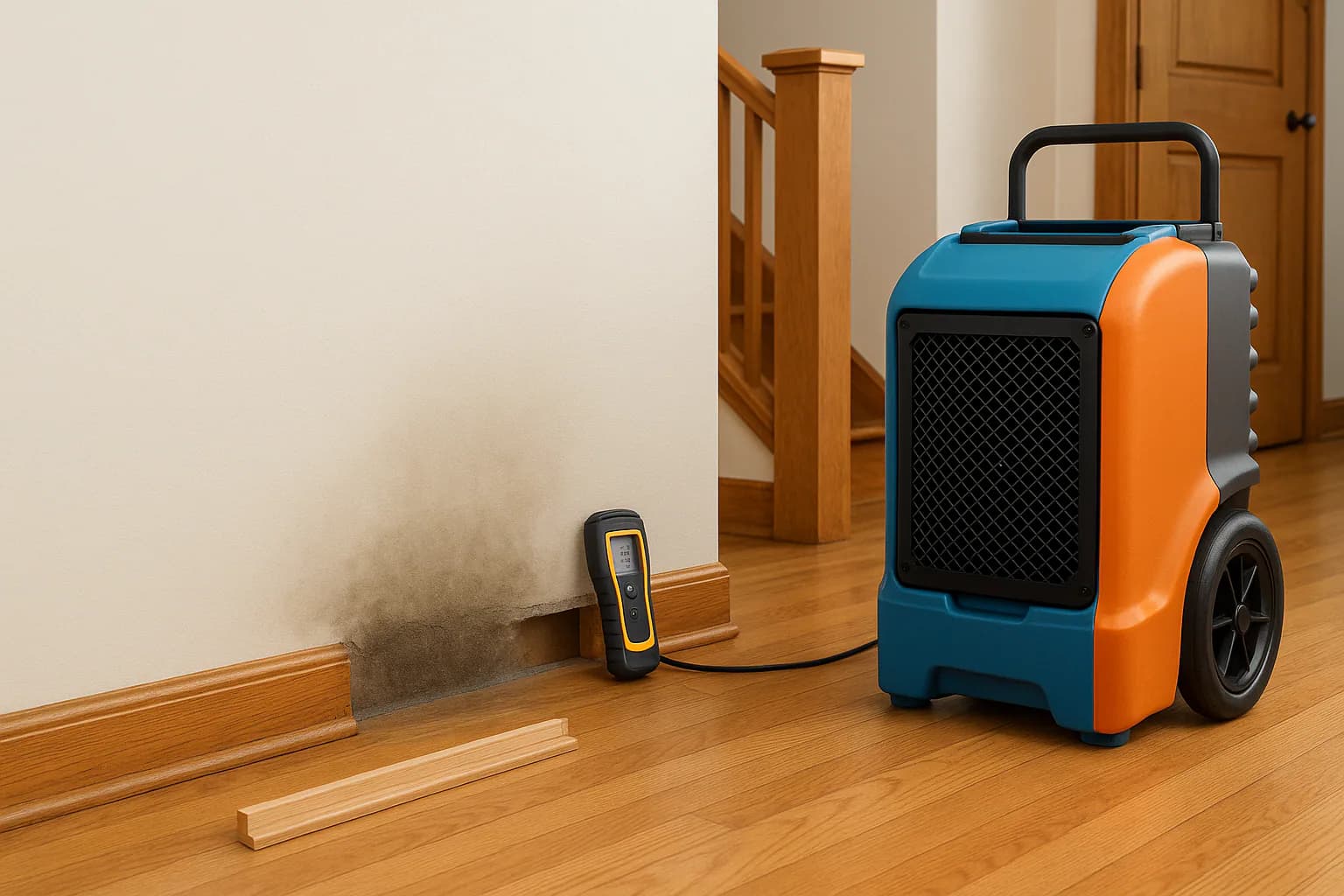
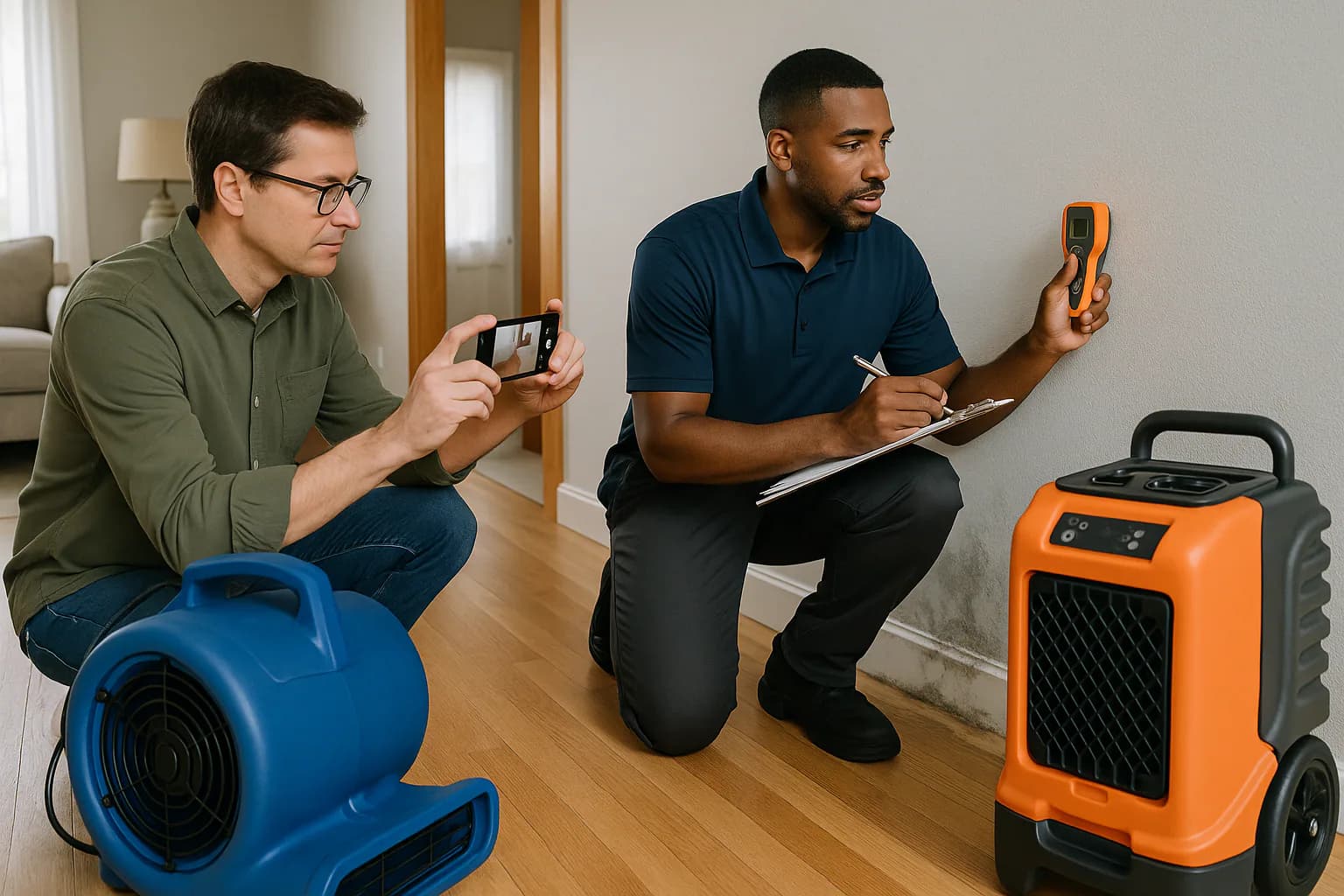
Independent restoration professionals use specialized tools to assess crawl space water damage. Moisture meters, thermal imaging cameras, and hygrometers help pinpoint both visible and hidden moisture. Pros inspect plumbing, subflooring, and foundation walls to find the source and extent of water intrusion.
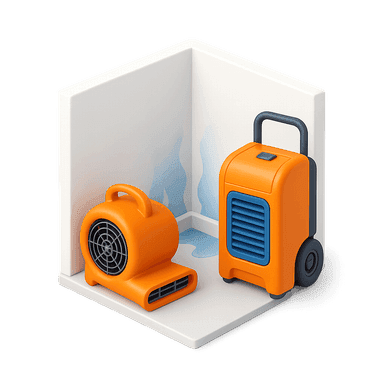
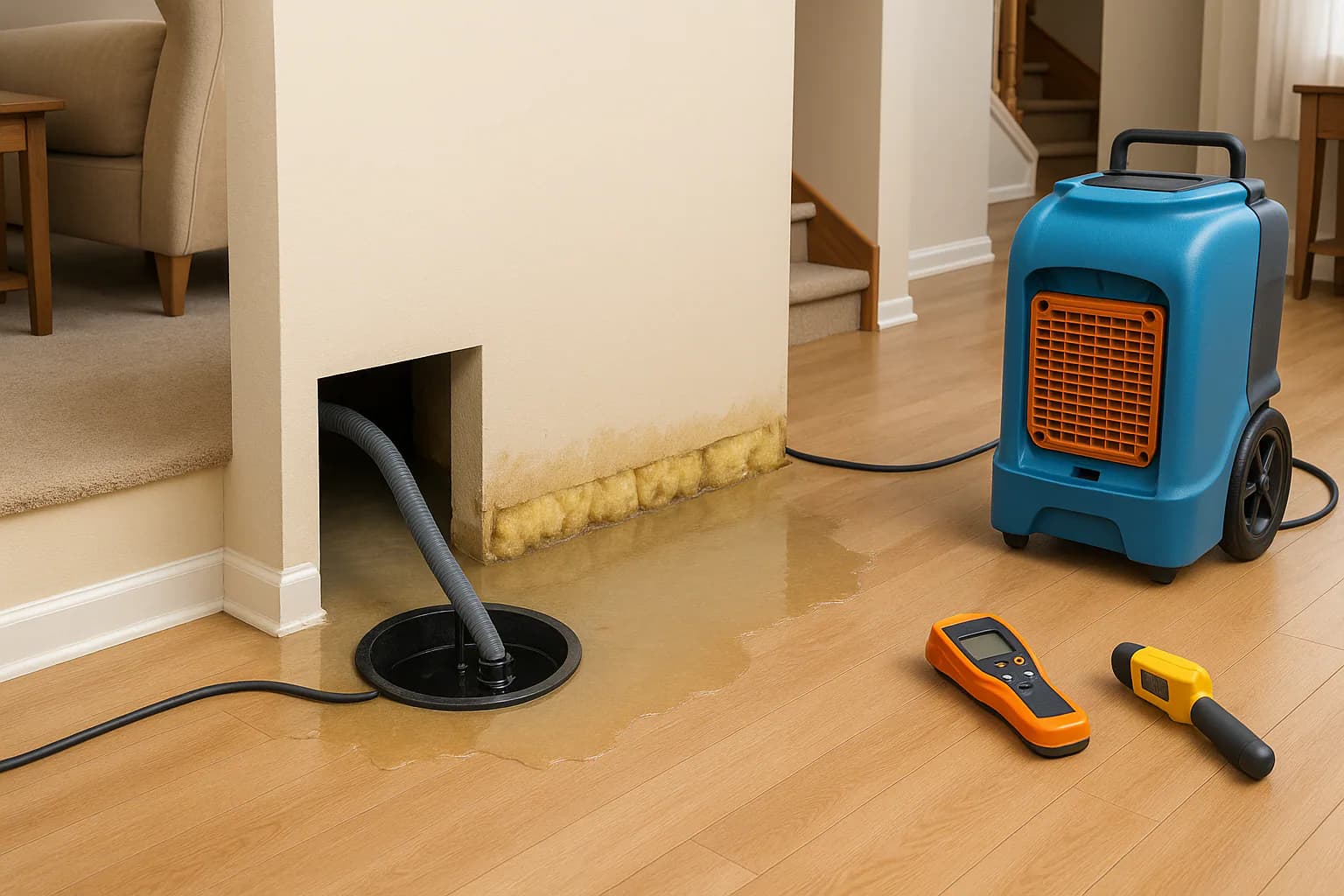
Once the affected areas are identified, pros remove standing water using pumps and extractors. Category 2 (gray) or Category 3 (black) water requires careful handling and sanitation protocols. After water removal, air movers and dehumidifiers dry out wood, insulation, and subfloors. Fast drying reduces the conditions that allow mold to grow, and professionals monitor moisture levels until materials reach appropriate dryness.
When water damage is extensive, some materials may need to be removed and replaced. Whether a material is salvageable depends on the water source, how long it has been wet, visible damage, and manufacturer recommendations. Reconstruction costs and approaches vary based on these factors.
Prevention focuses on improving drainage, repairing plumbing leaks, installing vapor barriers over bare-earth floors, and managing humidity with ventilation or dehumidifiers. Regular inspections help catch new issues before they become severe.
- 1
Inspect and detect moisture
Pros use moisture meters and thermal imaging to find areas affected by water and hidden dampness.
- 2
Remove water safely
Standing water, especially if contaminated, is extracted using pumps and handled following sanitation protocols.
- 3
Thorough drying
Air movers and dehumidifiers are used to dry wood, insulation, and subflooring, with regular moisture checks during the process.
- 4
Repair and rebuild as needed
Materials that cannot be restored are replaced, and underlying issues such as plumbing or grading problems are corrected.
- 5
Implement prevention measures
Steps such as installing vapor barriers, improving drainage, and managing crawl space humidity help prevent future issues.
Water Damage Restoration Services for Crawl Spaces
Connect with Local Crawl Space Water Damage Pros
If you notice crawl space water damage signs, reach out to local restoration professionals. They are equipped to assess, dry, and restore crawl spaces safely.
Call (833) 968-0848Frequently asked questions
How soon should a wet crawl space be dried to reduce mold risk?
Will homeowners insurance cover crawl space water damage?
Why does crawl space moisture linger longer than in other parts of a home?
Sources reviewed (2)
- U.S. EPA - Mold Course Chapter 2: EPA guidance to dry wet building materials within about 24 to 48 hours when possible.
- U.S. EPA - A Brief Guide to Mold, Moisture and Your Home: EPA guidance on moisture control, prompt drying, indoor humidity, and mold cleanup decisions.