Mold on Furniture After Water Damage: Start With the Water Source
Mold on furniture after water damage is shaped by three basics: where the water came from, what the furniture is made of, and how long it stayed wet. Clean water from a supply line is easier to address than gray water or contaminated black water from sewage or floodwater. Contaminated water requires careful handling and sanitation, especially when porous materials are involved.
Material type matters just as much. Solid wood and metal may sometimes be cleaned and dried when damage is limited. Upholstered pieces, foam cushions, mattresses, and particleboard absorb water more readily, which makes thorough drying harder. A local pro can evaluate the item’s construction, the water source, and the length of exposure.
Act Fast to Reduce Mold Conditions
EPA guidance says wet materials should be dried within about 24 to 48 hours when possible. Prompt drying helps reduce the conditions that allow mold to grow. If moisture lingers in seams, joints, cushions, or layered materials, the item may need more than surface cleaning.
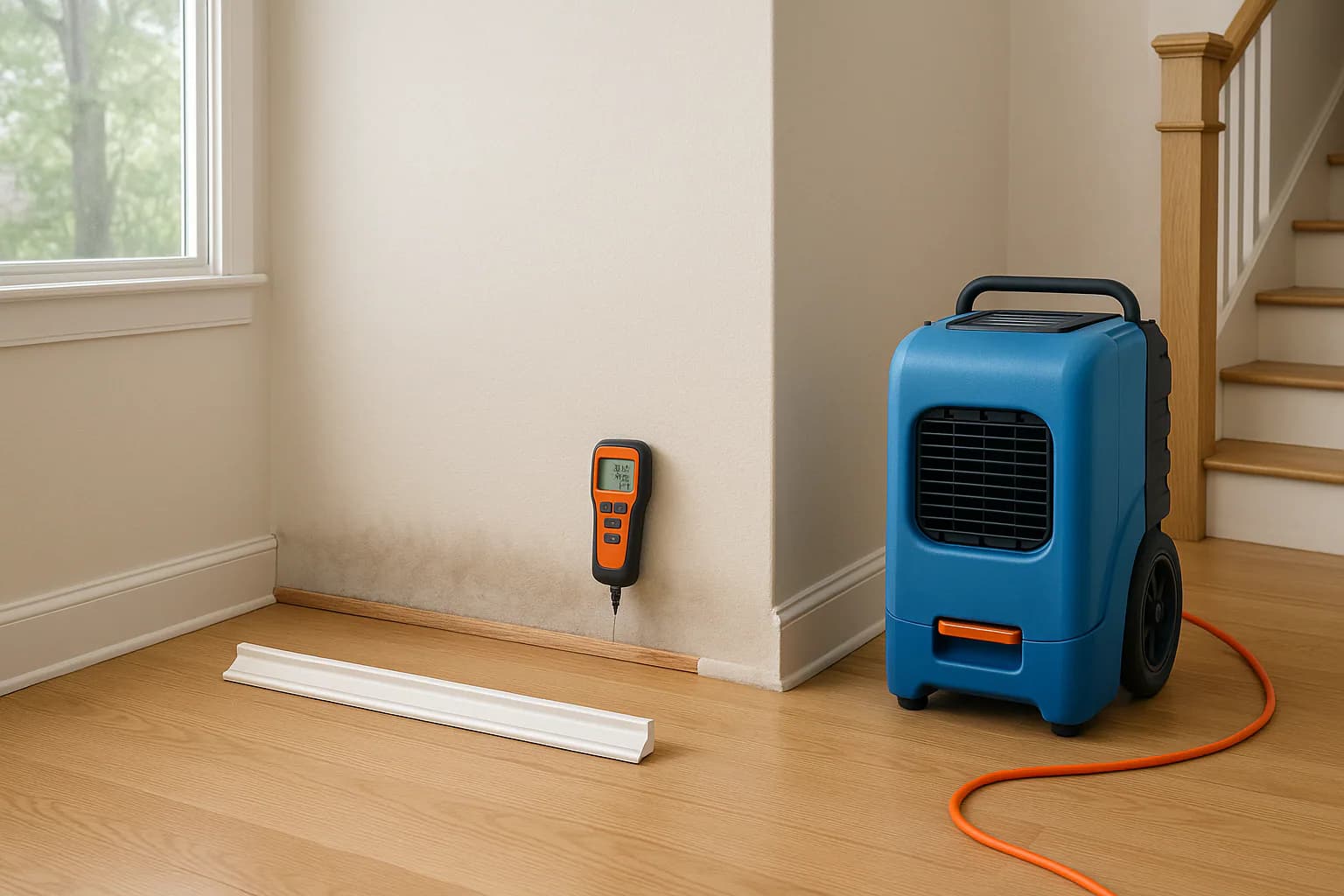
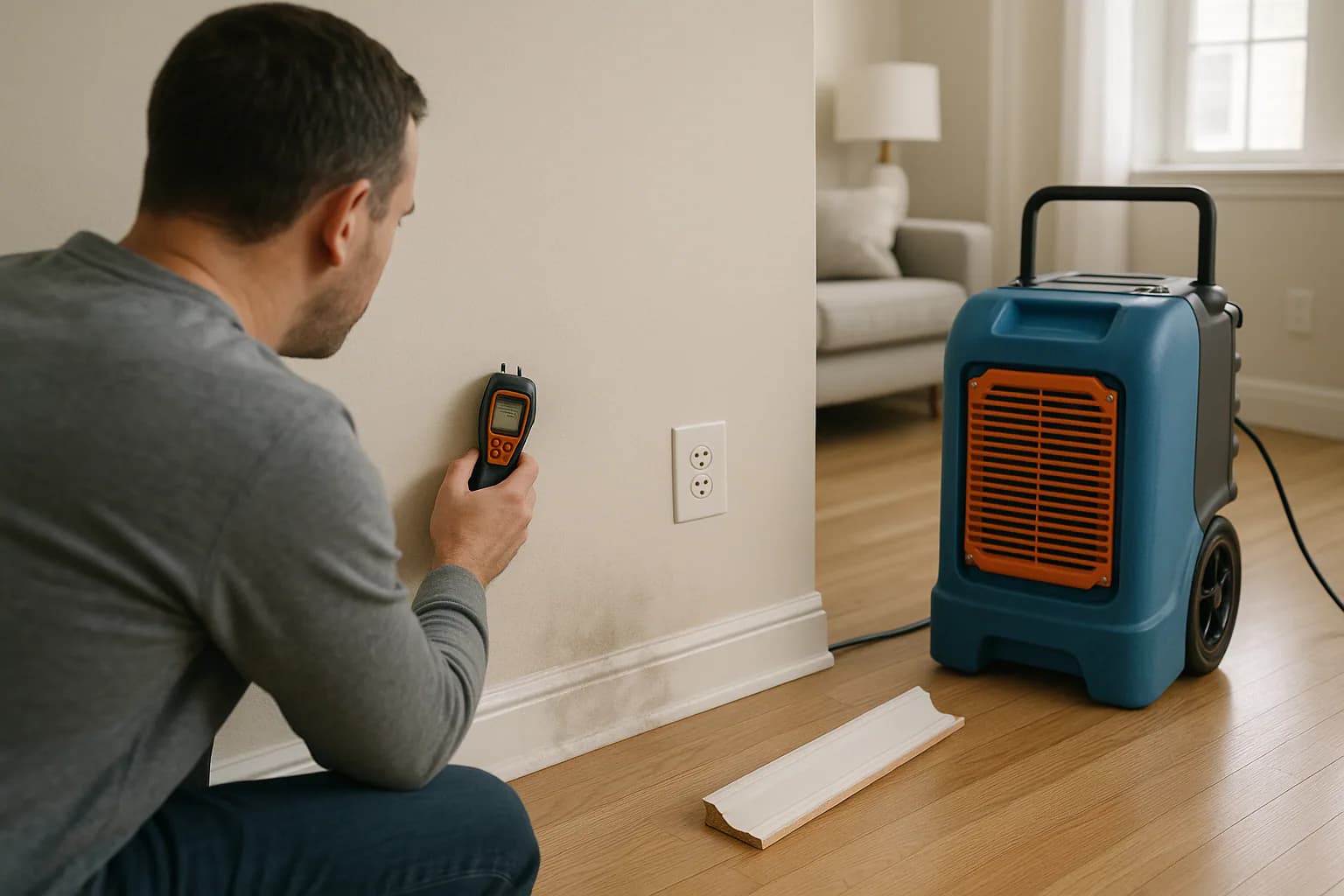
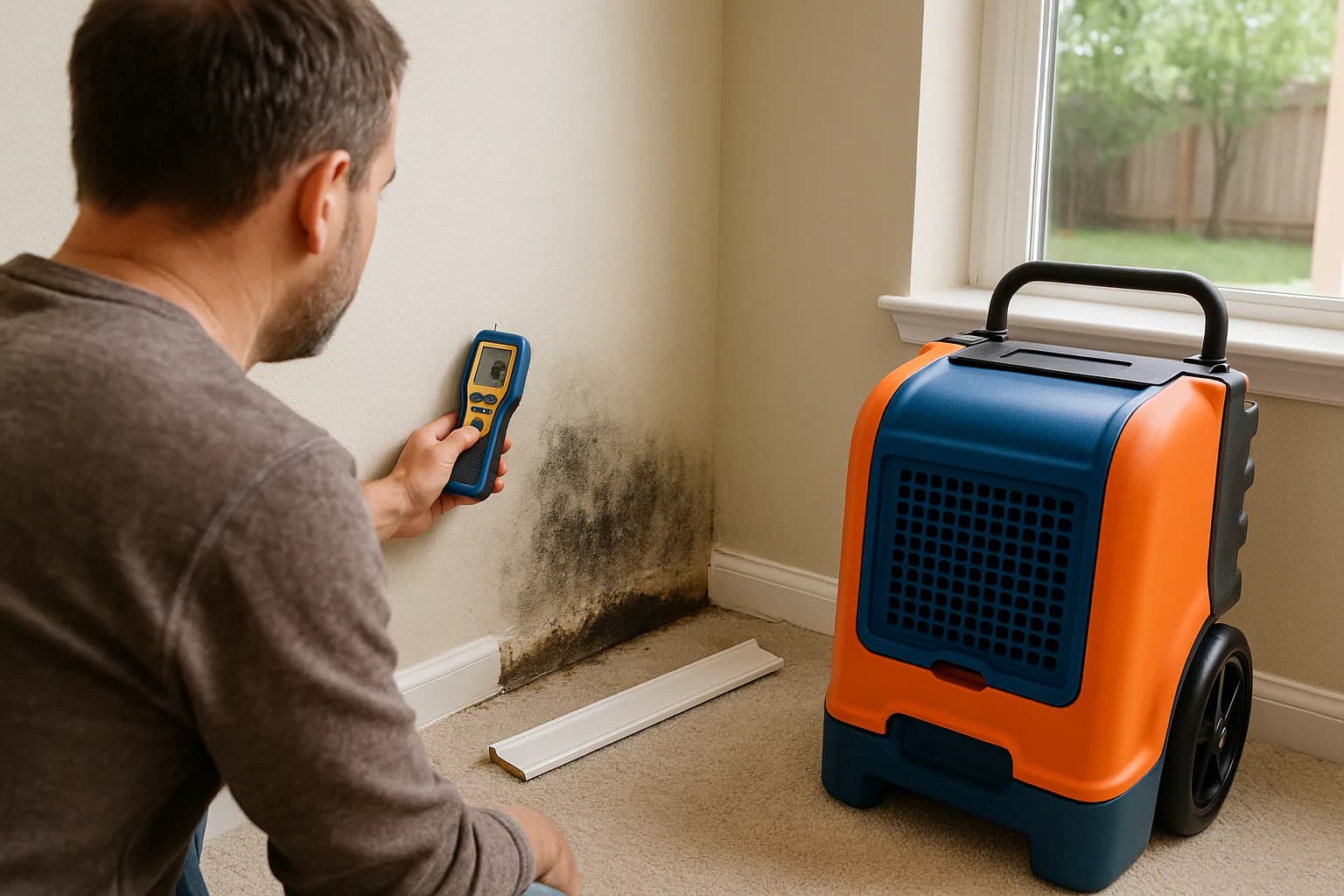
Drying should be practical and thorough. Air movement, dehumidification, and direct moisture checks can help restoration professionals track whether an item is actually drying. If furniture cannot be dried fully, cleaning alone may not make it a good candidate for salvage.
When Solid Wood and Metal May Be Salvageable
Solid wood and metal furniture are often easier to evaluate than porous items. A local pro may look for swelling, warping, rust, corrosion, damaged finishes, or water trapped in hidden areas. If the item was exposed to clean water and drying begins quickly, cleaning and drying may be possible.
Even these materials can hold moisture in joints, seams, and under finishes. Visible mold, lingering dampness, or damage that reaches hidden areas can change the decision. The key question is whether all affected surfaces can be reached and dried well enough to address the problem.
Why Upholstered and Porous Items Are Harder to Save
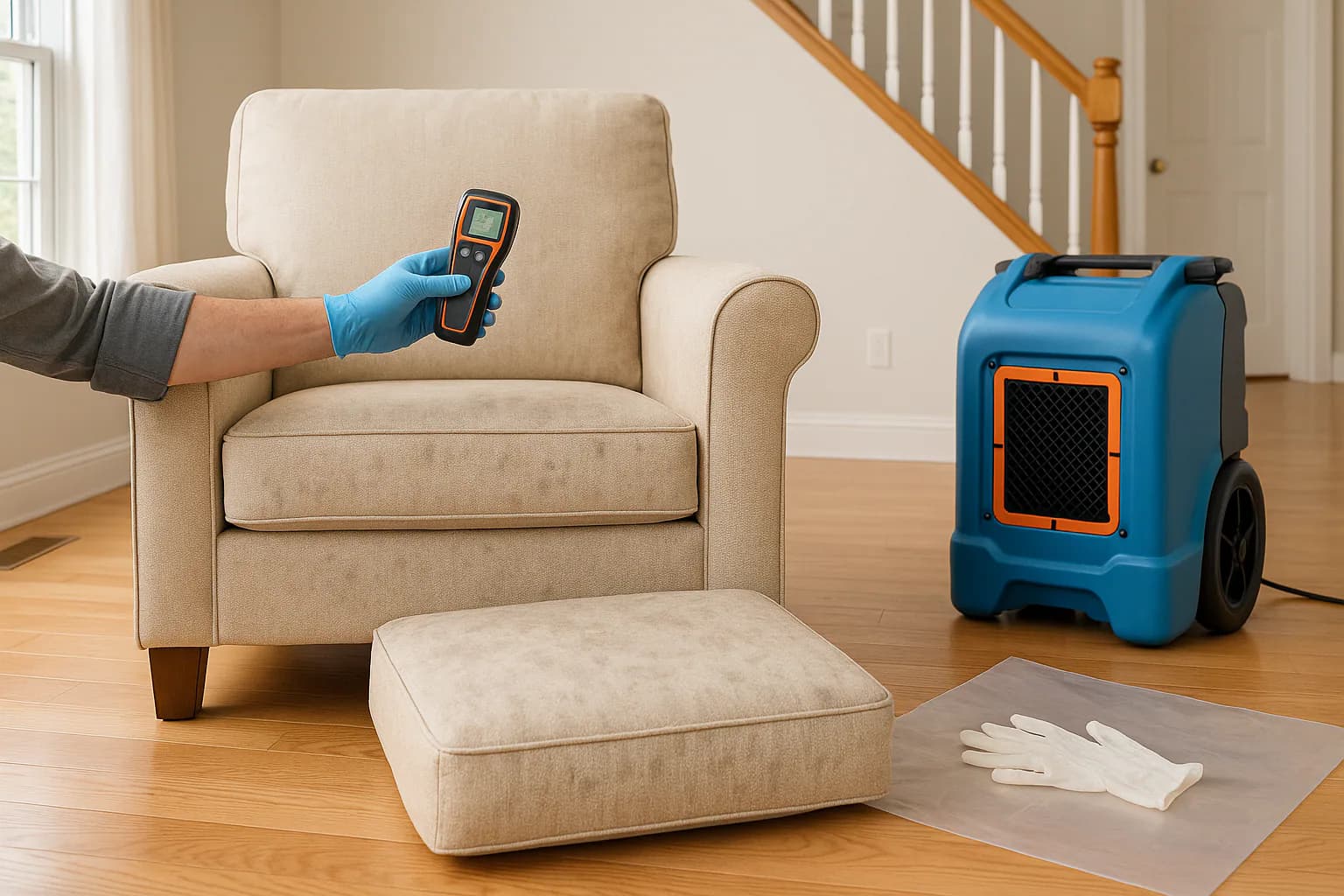
Upholstered furniture, foam cushions, pillows, mattresses, and particleboard can absorb water deep into the material. That makes thorough drying difficult and can leave moisture behind even when the outside looks dry. CDC cleanup guidance notes that mattresses, carpet padding, upholstered pieces, pillows, and foam may need to be discarded if they cannot be cleaned and dried promptly.
If the water was contaminated, porous items are often harder to sanitize completely. When the source is clean and the response is fast, some items may still be evaluated for cleaning and drying. The practical test is whether every layer can be reached and dried well enough to avoid ongoing moisture problems.
What to Do With Furniture Exposed to Contaminated Water
Floodwater and sewage can contaminate furniture and nearby surfaces. Avoid direct exposure and follow public-health guidance during cleanup. Porous materials exposed to contaminated water are often difficult to sanitize completely, especially when moisture has moved into hidden layers or padding.
Protective equipment and safe handling practices are important during cleanup. If a piece cannot be cleaned and dried thoroughly, disposal may be the more practical choice. Restoration professionals can help separate items that may be cleaned from those that are better removed from the home.
If the furniture was exposed to floodwater or sewage, keep cleanup cautious and avoid direct contact with contaminated materials. Safe handling and sanitation matter more when porous items have absorbed water into hidden layers.
How Pros Evaluate Salvage Versus Disposal
Restoration professionals usually look at a few basic factors: the water source, the material type, how long the item stayed wet, and whether there is visible mold or lingering dampness. They may also check for hidden compartments, layered construction, or finishes that could trap moisture.
- Clean water is generally easier to address than gray water or contaminated black water.
- More time wet means a higher chance that moisture has spread into hidden areas.
- Visible mold, staining, swelling, or persistent odors can point to deeper damage.
- Porous construction makes thorough drying and sanitation harder.
- Large or complex items may need a more detailed inspection before a decision is made.
For valuable or sentimental pieces, a more careful assessment may be worthwhile. The pros in your area can explain whether cleaning, drying, or disposal is the safer practical choice based on the item’s construction and exposure.
Moisture Control for the Rest of the Room
Protecting nearby furniture depends on controlling moisture in the room as well as in the item itself. Drying the surrounding area, improving air movement, and lowering indoor humidity can help reduce the conditions that allow mold to grow. Leaks should be addressed promptly so moisture does not keep returning.
If furniture or other contents still show dampness, staining, or musty odors, additional drying or inspection may be needed. Thermal imaging can help screen for temperature patterns, but it does not prove moisture or mold without direct measurement or inspection.
Insurance and Documentation After Water Damage
Coverage and claim outcomes depend on the cause of the damage, the policy language, exclusions, endorsements, limits, deductible, and the facts of the claim. Homeowners should review the policy and contact the insurer as soon as practical. It is not possible to determine coverage from the furniture damage alone.
Photos, notes about the water source, and a record of what was affected can help document the loss. Independent restoration professionals can provide an assessment of the damage, but the insurer decides coverage based on the policy and claim details.
When to Get Help From a Local Pro
EPA guidance suggests getting professional help when mold covers a large area, roughly more than 10 square feet. Furniture with hidden moisture, contaminated water exposure, or deep saturation may also benefit from a professional evaluation. A local pro can help determine whether cleaning, drying, or disposal makes the most sense for each item.
Water Restoration Pros connects homeowners with independent restoration professionals. Those pros can inspect the furniture, assess the moisture conditions, and recommend the next practical step based on the situation.
Services to Address Mold on Furniture After Water Damage
Connect with Local Restoration Professionals
Water Restoration Pros connects property owners with independent professionals who assess and help address mold on furniture after water damage. Reach out to find trusted local help today.
Call (833) 968-0848Frequently asked questions
Can mold on furniture after water damage be cleaned?
How soon should wet furniture be dried?
Does contaminated water mean furniture has to be thrown out?
Sources reviewed (4)
- CDC — Guidelines for Cleaning Safely After a Disaster: Cleanup safety guidance for floodwater and sewage, including protective equipment and handling of contaminated porous materials.
- U.S. EPA - Mold Cleanup in Your Home: EPA cleanup guidance, including the roughly 10-square-foot threshold for considering professional help.
- U.S. EPA - A Brief Guide to Mold, Moisture and Your Home: EPA guidance on moisture control, prompt drying, indoor humidity, and mold cleanup decisions.
- U.S. EPA - Mold Course Chapter 2: EPA guidance to dry wet building materials within about 24 to 48 hours when possible.