Cost Guide
Structural Drying Cost: What Affects the Price
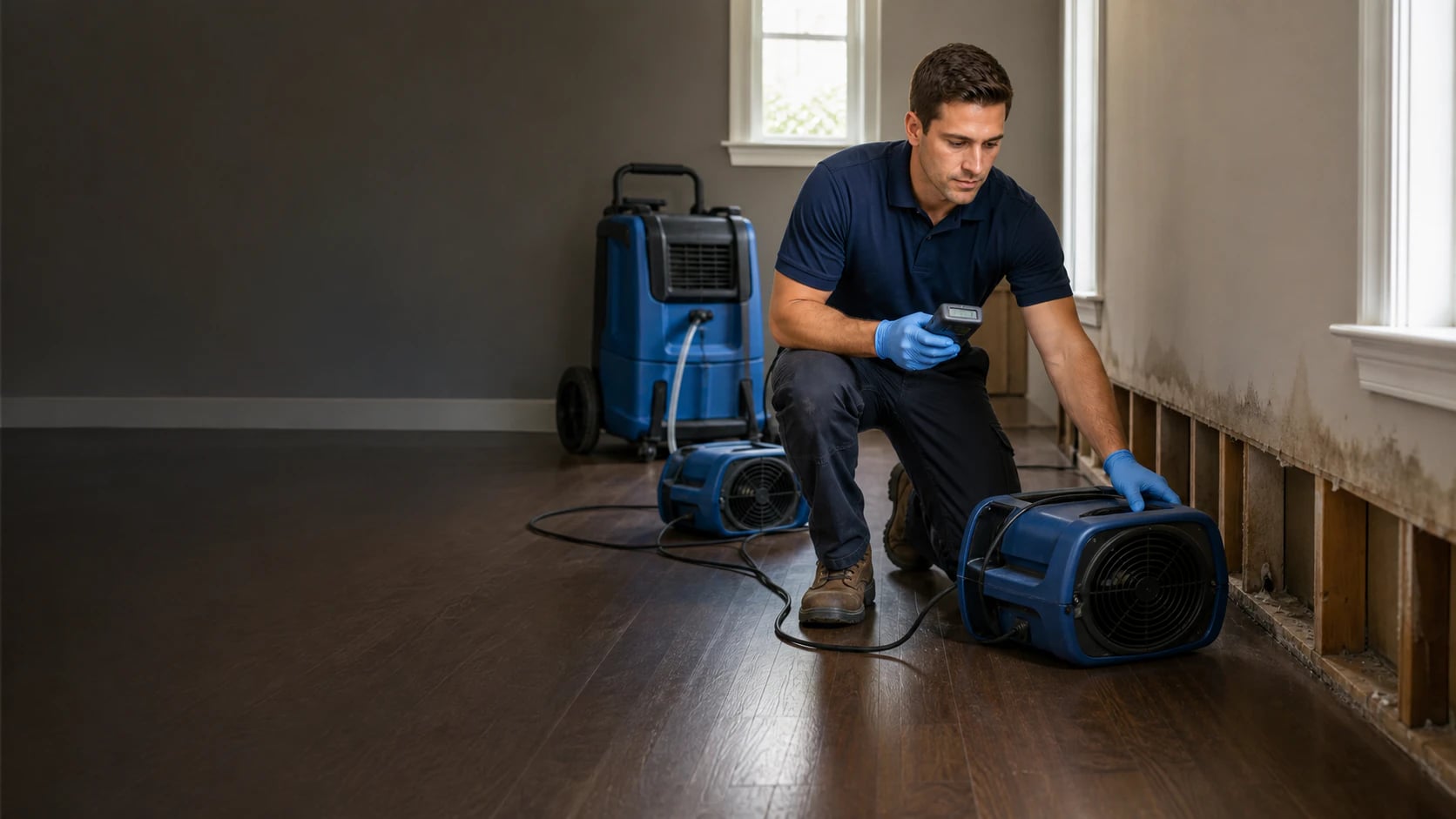
Structural drying is the controlled process of pulling moisture out of a building after the standing water is gone, and its cost depends on how much got wet and how long it takes to dry. There is no single price. Water Restoration Pros connects you with professionals who can assess the moisture and explain what drying involves.

Structural drying cost is driven by the area and materials involved, the number of air movers and dehumidifiers, the days of drying, accessibility, and the monitoring required. Understand the factors, then connect with a pro for an accurate assessment.
What affects the cost
Area and materials
How much square footage got wet, and what kind of materials, drives the scope. Dense materials like hardwood, plaster, and concrete hold moisture and take longer to dry than drywall or carpet.
Air movers and dehumidifiers
Larger or wetter areas need more air movers and dehumidifiers running at once. The size of that equipment setup is a core part of the cost.
Days of drying
Drying is measured in days, not hours. A lightly affected room may dry in a few days, while saturated or dense materials can take longer, extending the timeline.
Accessibility
Open rooms dry more predictably than wall cavities, crawl spaces, and below-grade areas, which can need specialized equipment and more time to reach full dryness.
Monitoring
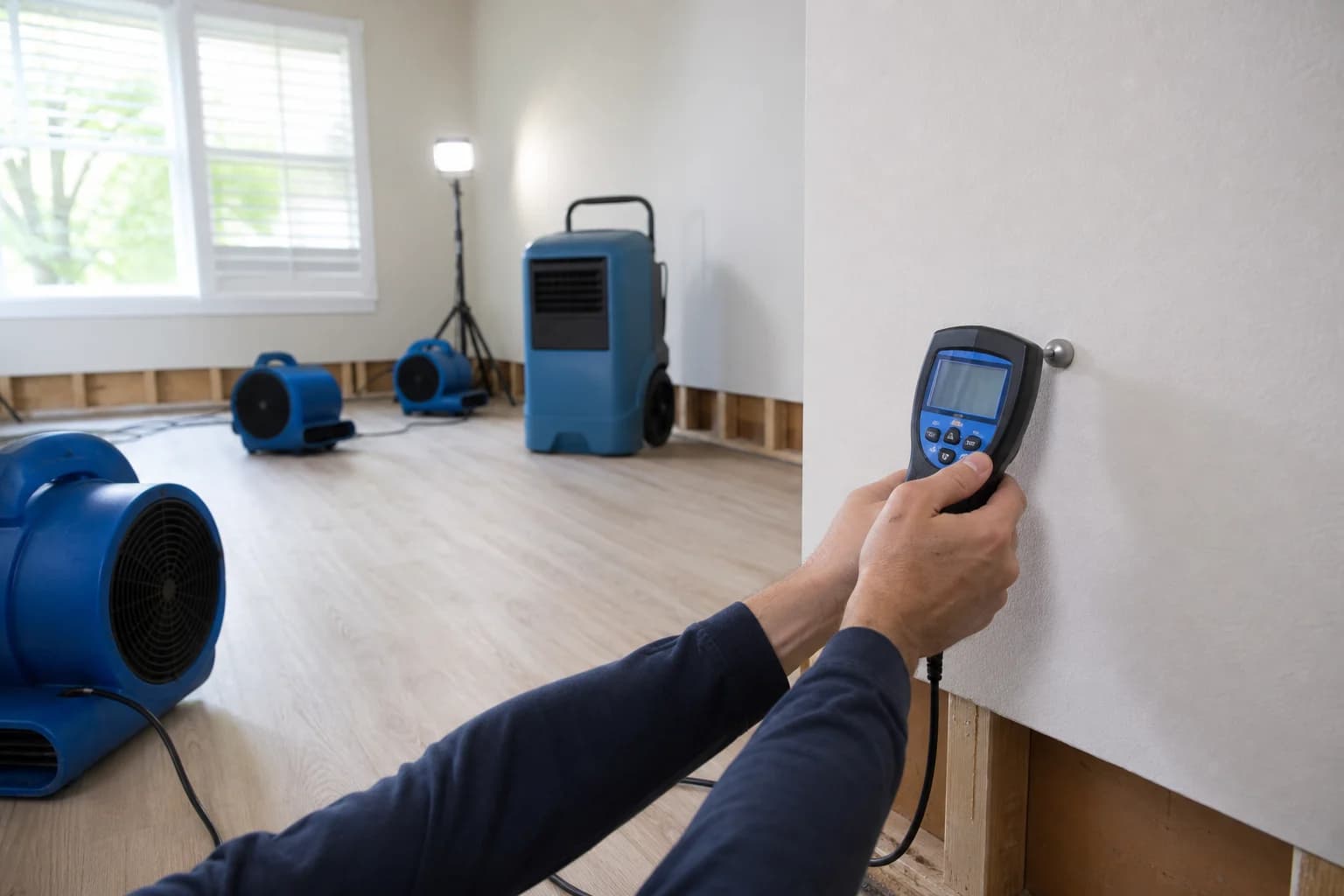
Drying is verified with moisture readings over multiple visits, and that monitoring, adjusting equipment until the structure is confirmed dry, factors into the scope.
Typical cost ranges
Standard residential planning range
$1,250-$2,550 per project
Resolved from the approved Water Restoration Pros pricing methodology and standardized scope.
Cost ranges are estimates developed from standardized project scopes and reviewed pricing inputs. Government labor and regional cost data are used where applicable. See our Pricing Methodology for the exact sources, calculations, and review date. Actual prices vary by property, scope, materials or equipment, location, and provider.
Compare the scope before the price
Limited, typical, and complex project scopes
- Limited scope
- A contained affected area with accessible materials and little or no finish repair.
- Typical scope
- Multiple materials or rooms requiring removal, drying, monitoring, and cleanup.
- Complex scope
- Concealed spread, difficult access, contamination, specialty work, or reconstruction.
Planning ranges at a glance
Canonical planning range
The same approved national range is used wherever this standardized residential scope appears.
| Scope | Planning range | Method |
|---|---|---|
| Standard residential scope | $1,250-$2,550 per project | Water Restoration Pros pricing methodology |
What affects your total
- How much area got wet and what materials are involved
- How many air movers and dehumidifiers the job needs
- How many days the structure takes to dry fully
- How accessible the wet areas are, including cavities and below grade
- How much monitoring is needed to confirm the structure is dry
Why no one can quote structural drying over the phone
An accurate price depends on how much got wet, what materials are holding moisture, and how long they take to dry, which usually is not clear until someone takes moisture readings at the property.
Drying is also confirmed over several days, so the timeline can shift as the structure responds. Be cautious of any support flat price before an assessment, and rely on a professional to explain the scope.
How Water Restoration Pros helps with cost
Water Restoration Pros does not set prices or perform the work. We connect you with restoration professionals that service your area who can assess the moisture and explain what drying involves.
Thorough drying matters because moisture left behind can lead to bigger problems later. Confirming the structure is fully dry helps avoid added cost down the line.
Written estimate review
How to compare two estimates fairly
Compare the affected areas, measured quantities, material decisions, equipment, monitoring, cleaning, specialty work, and repairs included in each scope.
A lower total may describe less work rather than the same work at a lower price. Ask each provider to explain exclusions, allowances, change-order conditions, and the records supplied at completion.
Frequently asked questions
How much does structural drying cost?
Why does drying take several days?
Why does monitoring add to the cost?
Technical and safety sources (2)
These sources support restoration, safety, moisture, cleanup, and scope guidance. They are not sources for the numeric cost ranges on this page.
- U.S. EPA - Flooded Home: EPA guidance on safety, cleanup, moisture control, and drying after a home is flooded.
- U.S. EPA - A Brief Guide to Mold, Moisture and Your Home: EPA guidance on moisture control, prompt drying, indoor humidity, and cleanup decisions.
Explore the service path
Related services
 Structural DryingControlled drying of framing, drywall, subfloor, and building materials.View structural drying
 DehumidificationControlled moisture removal from the air with commercial dehumidifiers.View dehumidification
 Water Damage RestorationWhole-home help after leaks, flooding, wet materials, and standing water.View water damage restoration
Helpful guides
 Drying & Restoration
How Long Does Structural Drying Take?
Structural drying times vary by situation. Here are the factors that influence how long it takes and why patience during this phase protects your home.
Read guide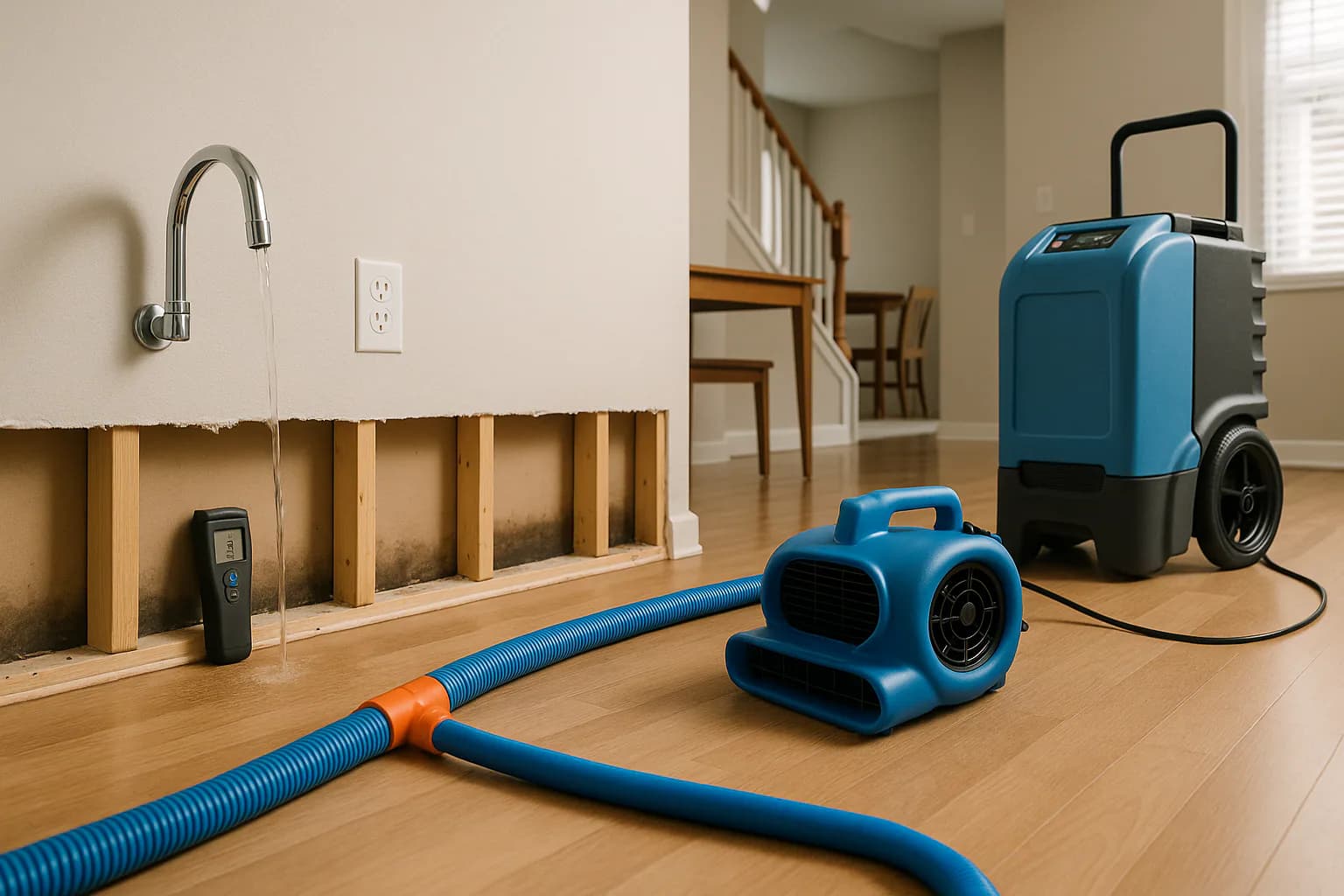 Drying & Restoration
When Wet Drywall Needs to Be Removed
Some wet drywall can be dried in place, while other situations call for removal. Here's how the decision is typically made and what signs to watch for.
Read guideWater damage can’t wait.
Fast response, expert care. Call Water Restoration Pros and we’ll connect you with help for leaks, flooding, burst pipes, water removal, and drying.
Call (833) 968-0848 · No-obligation · Availability varies by area