
What you may notice
Storm or heavy rain pushed water into the property
Rising water or runoff entered a lower level or ground floor
An indoor flood from plumbing soaked multiple rooms
Flood water left behind mud, debris, or contamination

Water Damage Service
Flooding leaves behind water, debris, and saturated materials that need careful cleanup. Water Restoration Pros helps property owners connect with flood damage cleanup and restoration help.
Service overview
Flood cleanup help that removes water and debris, dries the structure, and plans the path back to a usable property.
Recognize the problem
Start with what you can safely observe. The source, the type of water, and the materials affected determine the response after an on-site assessment.
Storm or heavy rain pushed water into the property
Rising water or runoff entered a lower level or ground floor
An indoor flood from plumbing soaked multiple rooms
Flood water left behind mud, debris, or contamination
Heavy rain, storms, and overwhelmed drainage
Rising water and runoff entering at grade or below grade
Major plumbing failures that flood interior spaces
Backed-up storm or sewer drains during heavy weather
Why timing changes the outcome
Saturated drywall, insulation, and flooring often cannot be saved. Standing flood water creates the conditions that allow mold to grow.
Quick cleanup and drying reduce long-term structural problems.
In-depth guidance
Because floodwater can pick up sewage, fuel, lawn chemicals, and whatever it crosses on the way in, professionals treat it as Category 3, or black, water until shown otherwise. That classification drives the whole job. Restoration pros work in protective gear, isolate the affected area so contamination does not spread to clean parts of the building, and remove the porous materials that soaked it up rather than trying to dry them in place.
Sanitation is a distinct step, not just a rinse. After the contaminated water and ruined materials are out, the surfaces that remain are cleaned and treated with antimicrobial products before drying begins, so the structure that gets rebuilt is not sealing contamination inside the walls.
Flood damage restoration covers the whole journey, not just the first day. Floodwater is treated as contaminated, so extraction and sanitation come first, followed by controlled drying of the structure and confirmation that hidden moisture is gone. Only then does the work turn to the rebuild that returns the property to use.
Floodwater safety matters at every step. Because flooding can carry sewage, chemicals, and debris, materials that soaked in it often need to be removed rather than dried in place, which protects the people in the home and helps the restoration hold up.
Restoration runs in a deliberate order, and skipping ahead is what causes problems later. The pros pull out standing water and debris, remove unsalvageable materials, sanitize, then dry the structure and verify with moisture readings that hidden water in framing and subfloor is actually gone. The rebuild — new drywall, insulation, flooring, trim, and paint — only starts once the structure is confirmed dry, so finishes are not installed over wet or contaminated materials.
Coverage is a common question at this stage. Flood damage is frequently handled under separate flood insurance rather than a standard homeowners policy, and what is covered depends on the cause of the water and the terms of your specific policies. No one can promise an approval or a payout, so the safest move is to document everything thoroughly, review your policy, and ask your insurer how your situation is treated before reconstruction decisions are made.
Cost and scope
Flood cleanup cost is shaped by the depth and reach of the flooding, whether the water was contaminated, how much material must be removed, and the drying and sanitation required. Understand the drivers, then connect with a pro.
A written estimate should connect each charge to the source, affected materials, access, contamination conditions, drying work, and repairs found during the assessment.
National planning range
Standard residential planning range
$5,250-$11,000 per project
Resolved from the approved Water Restoration Pros pricing methodology and standardized scope.
Cost ranges are estimates developed from standardized project scopes and reviewed pricing inputs. Government labor and regional cost data are used where applicable. See our Pricing Methodology for the exact sources, calculations, and review date. Actual prices vary by property, scope, materials or equipment, location, and provider.
How high the water rose and how many rooms or levels it reached drives the amount of extraction, removal, and drying needed.
Flood water is often contaminated, which means careful handling, sanitation, and removal of porous materials it touched.
Saturated drywall, insulation, flooring, and belongings that cannot be salvaged add removal and disposal to the scope.
After removal, the structure has to be dried and, when contamination was involved, cleaned and sanitized before repairs.
Professional response
The exact scope changes with the water source and affected materials, but a measured restoration response generally moves through three phases.
Assess and stabilize
Evaluate the water category, electrical hazards, and how far the flooding spread before cleanup begins.
Extract standing flood water and clear mud and debris left behind.
Remove and dry
Take out saturated drywall, insulation, and flooring that cannot be salvaged after flooding.
Clean affected surfaces, with sanitation steps when the flood water was contaminated.
Verify and recover
Set drying equipment and monitor moisture until framing and remaining materials are dry.
Outline the repairs and reconstruction needed to return the space to use.
Evaluate the water category, electrical hazards, and how far the flooding spread before cleanup begins.
Extract standing flood water and clear mud and debris left behind.
Take out saturated drywall, insulation, and flooring that cannot be salvaged after flooding.
Clean affected surfaces, with sanitation steps when the flood water was contaminated.
The answer should be specific to the property and reflected in the written scope.
The answer should be specific to the property and reflected in the written scope.
The answer should be specific to the property and reflected in the written scope.
Before help arrives
Only take steps you can complete safely. Leave the area and wait for qualified help if there is an electrical, structural, or contamination risk.
Stay out of flood water that may be contaminated or hide hazards.
Turn off power to flooded areas if it is safe to do so.
Do not use household vacuums to remove flood water.
Photograph the flooding and damaged belongings for insurance.
Call to connect with flood damage cleanup help.
These are general precautions for flood damage cleanup; conditions at the property determine what is safe and appropriate.
Choose a state on the map or open its city directory to find flood damage cleanup pages for your area.
Flood Damage Cleanup in Arkansas
View state pageFlood Damage Cleanup in California
View state pageFlood Damage Cleanup in Connecticut
View state pageFlood Damage Cleanup in Delaware
View state pageFlood Damage Cleanup in Florida
View state pageFlood Damage Cleanup in Georgia
View state pageFlood Damage Cleanup in Idaho
View state pageFlood Damage Cleanup in Illinois
View state pageFlood Damage Cleanup in Kansas
View state pageFlood Damage Cleanup in Louisiana
View state pageFlood Damage Cleanup in Maine
View state pageFlood Damage Cleanup in Massachusetts
View state pageFlood Damage Cleanup in Michigan
View state pageFlood Damage Cleanup in Mississippi
View state pageFlood Damage Cleanup in Montana
View state pageFlood Damage Cleanup in Nebraska
View state pageFlood Damage Cleanup in Nevada
View state pageFlood Damage Cleanup in New Hampshire
View state pageFlood Damage Cleanup in New Mexico
View state pageFlood Damage Cleanup in New York
View state pageFlood Damage Cleanup in North Carolina
View state pageFlood Damage Cleanup in North Dakota
View state pageFlood Damage Cleanup in Oklahoma
View state pageFlood Damage Cleanup in Pennsylvania
View state pageFlood Damage Cleanup in Rhode Island
View state pageFlood Damage Cleanup in South Dakota
View state pageFlood Damage Cleanup in Utah
View state pageFlood Damage Cleanup in Vermont
View state pageFlood Damage Cleanup in West Virginia
View state pageFlood Damage Cleanup in Wyoming
View state pageThese sources support restoration, safety, moisture, cleanup, and scope guidance. They do not serve as numeric pricing provenance.
Explore the service path
Other ways we help after water damage.
 Water Damage RestorationWhole-home help after leaks, flooding, wet materials, and standing water.View water damage restoration
 Storm Water Damage RestorationRestoration help after roof leaks, wind-driven rain, and storm flooding.View storm water damage
 Basement Water RemovalPump-out and drying help for flooded basements and below-grade water.View basement water removal
 Emergency Water RemovalUrgent extraction of standing and active water from floors and rooms.View emergency water removal
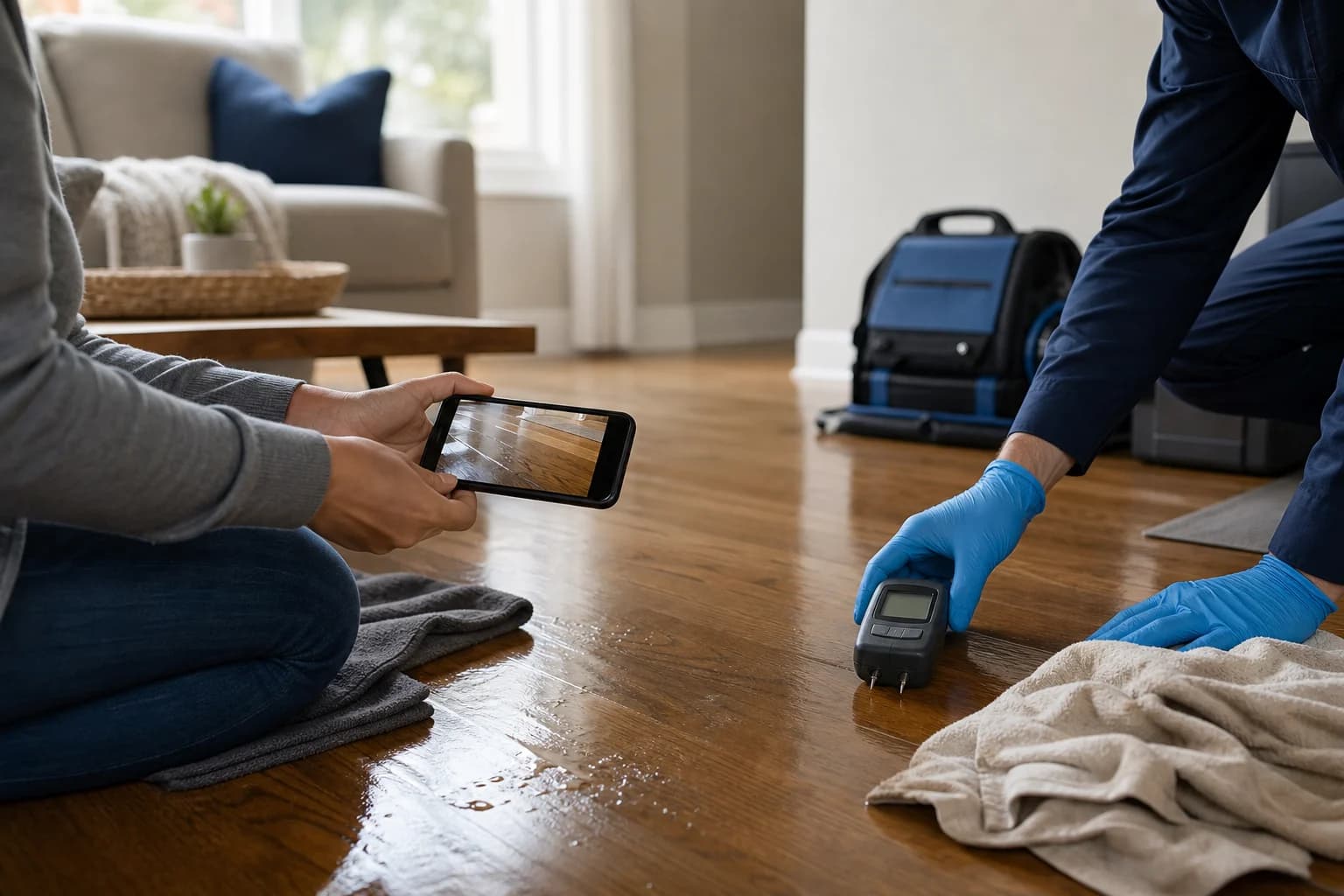 Emergency Response
This guide explains what to do right after water damage occurs, with practical steps to limit further issues, keep your home safe, and help with insurance documentation.
Read guide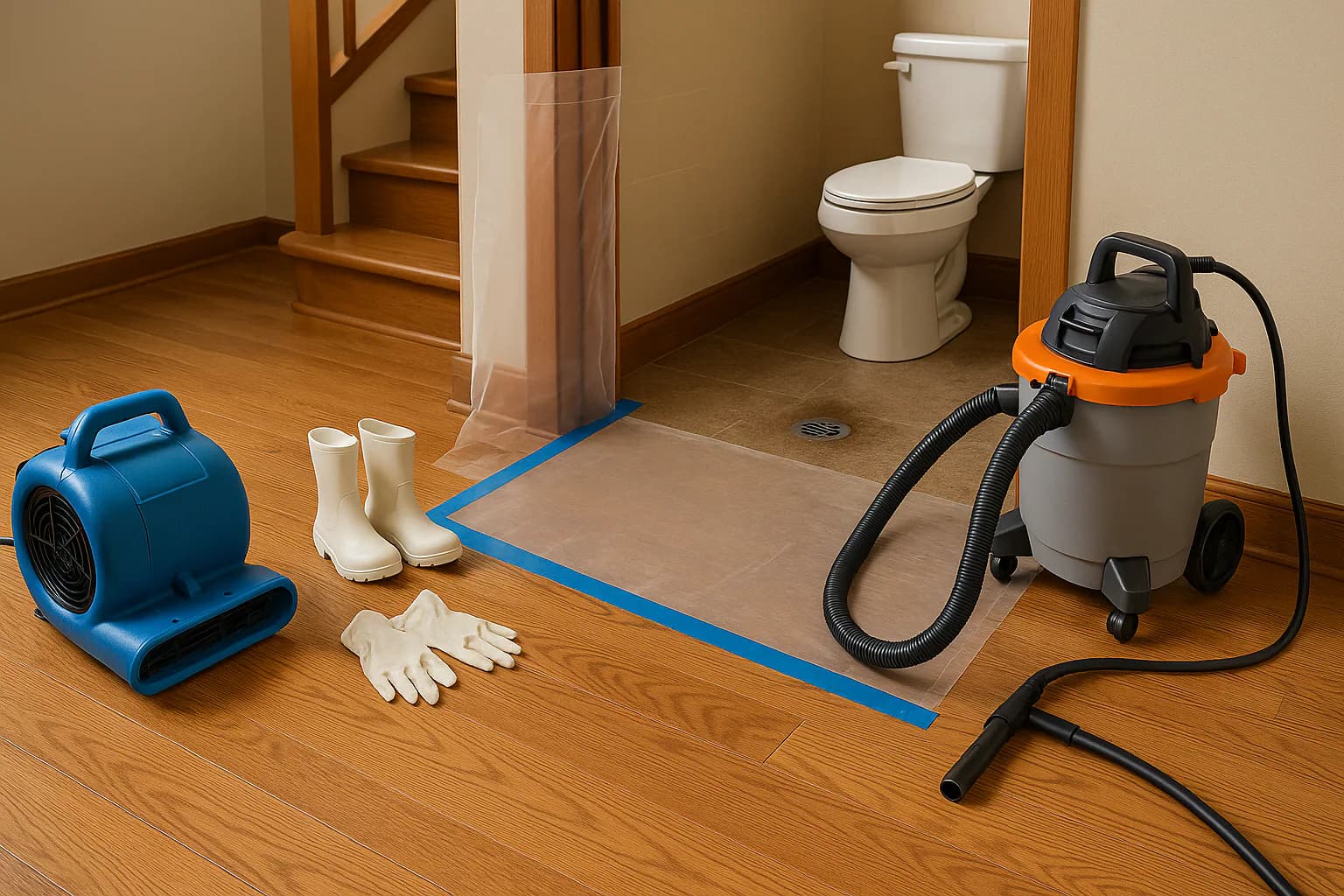 Water Damage Basics
Water damage categories reflect contamination and source conditions. Learn how clean, gray, and black water differ, why conditions can change, and how to respond safely.
Read guide Insurance & Claims
Coverage depends heavily on the cause and your specific policy. Here's a general overview of how water damage claims are often approached and why documentation matters.
Read guideCall Water Restoration Pros to connect with flood damage cleanup help in your area.
Call (833) 968-0848 · No-obligation · Availability varies by area