Structural drying is the process of removing moisture that has entered a building’s structure after water damage. This step begins only after visible standing water is removed. Many homeowners wonder how long structural drying will take. The answer depends on factors unique to each property and incident.
Drying times can vary significantly, depending on the amount of water, how long it remained before removal, the types of materials affected, and environmental conditions. The key point is that drying should continue until moisture readings confirm the structure is adequately dry—not just until surfaces seem dry to the touch.
What Determines How Long Drying Takes?
Every water damage situation is unique. Several important factors influence the drying timeline. The amount of water and how long it was present before extraction both play major roles. Water that sits for longer periods can soak deeper into materials like drywall, wood framing, and subfloors. The longer water is present, the more time may be needed to remove it from the structure.
Material type also affects drying. Dense materials such as hardwood, plaster, and thick insulation can absorb and hold moisture longer than drywall or carpet. If water reaches areas behind walls or under floors, these hidden spaces may require more time to dry. Environmental conditions—such as high humidity, low temperatures, or limited ventilation—can also slow the drying process. If flooding or sewage is involved, additional steps for safe handling and sanitation may be needed, which can extend the timeline.
The Structural Drying Process Step by Step
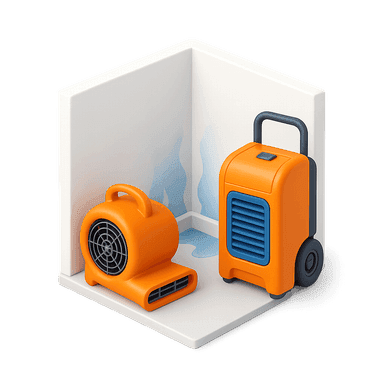
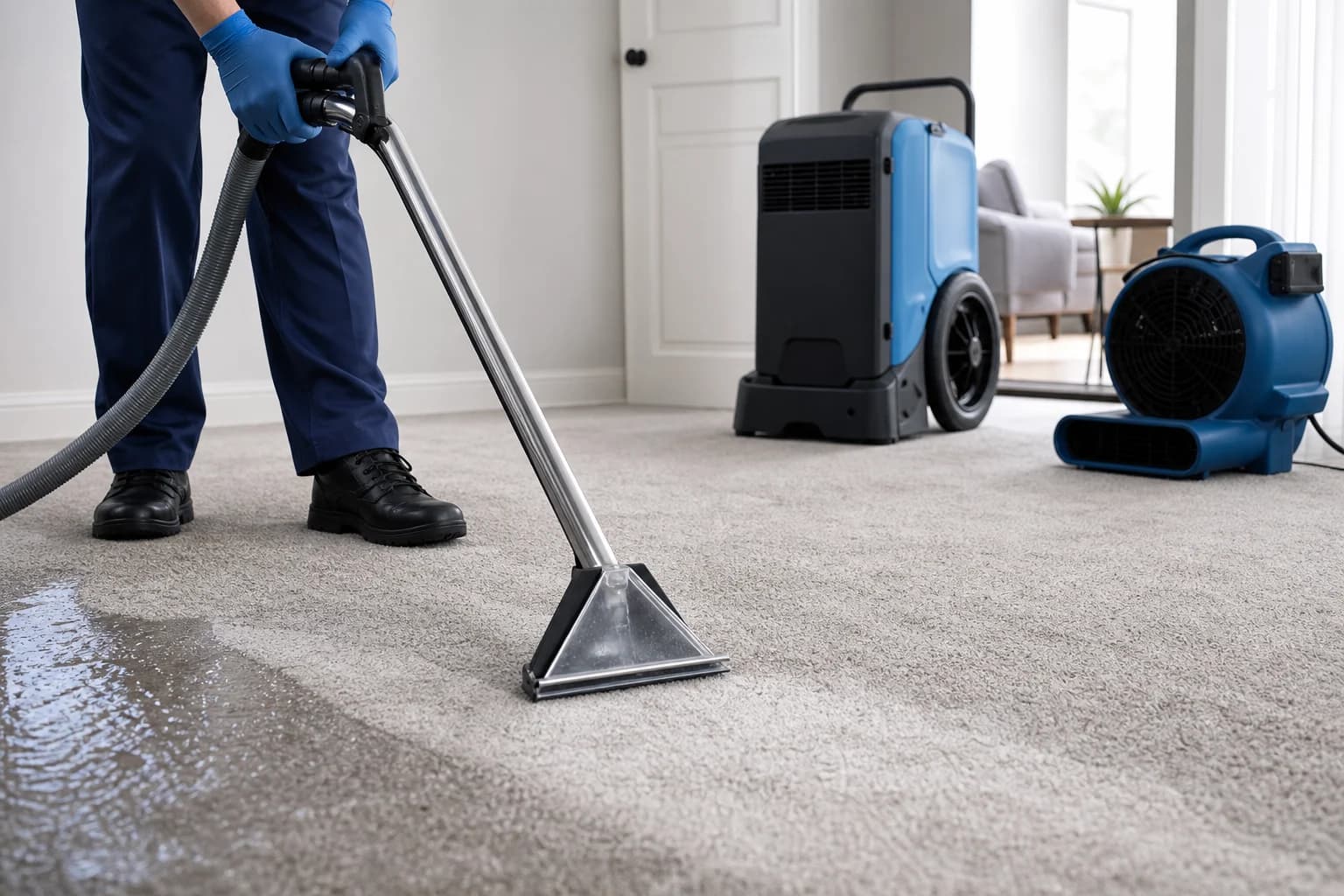
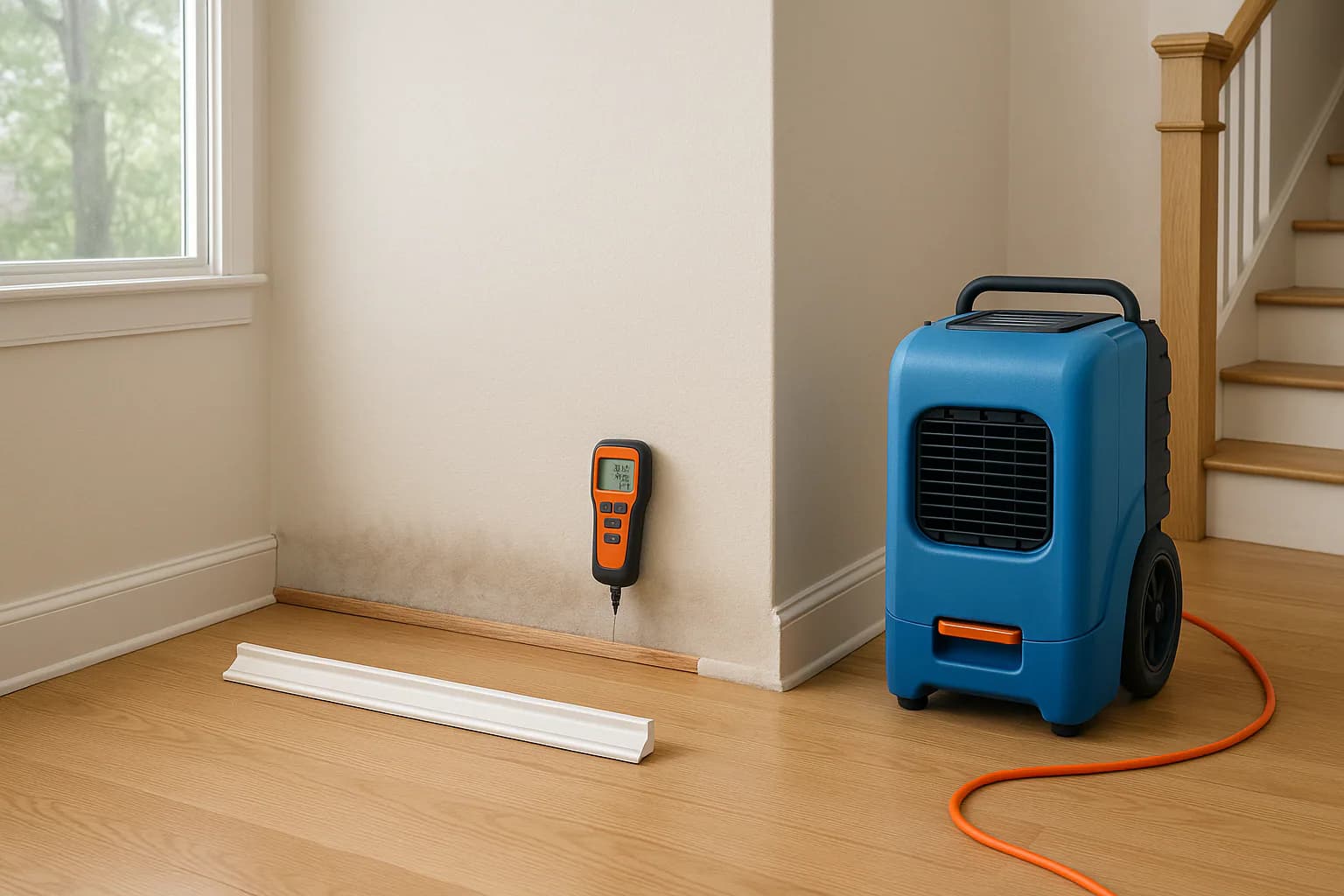
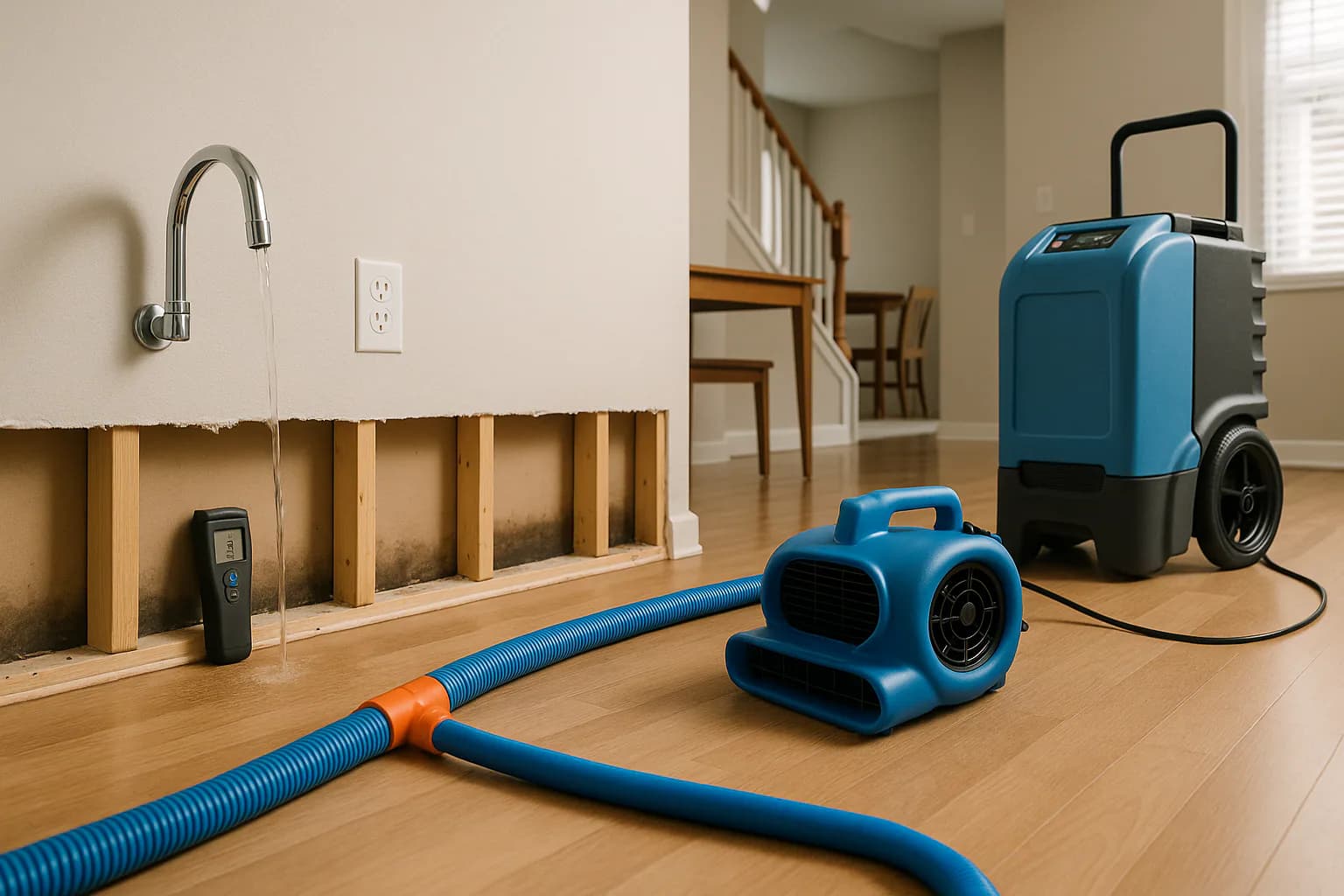
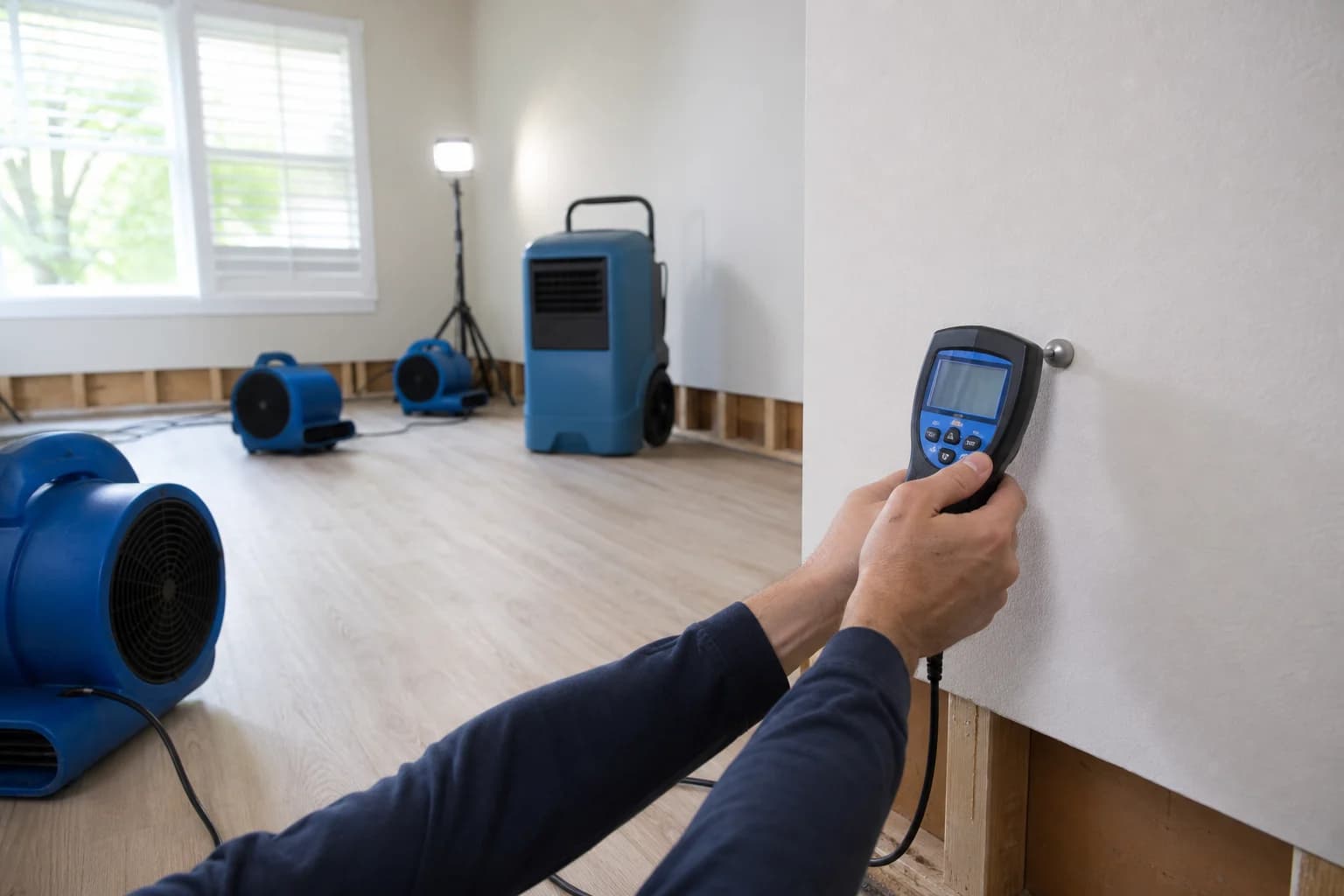
After standing water is removed, drying starts with a thorough assessment of the affected areas. Restoration professionals may use moisture meters to map out where water has traveled, including wall cavities and subfloors. Equipment such as air movers and dehumidifiers is positioned based on the wettest spots and the types of materials involved. The most effective equipment and placement are determined by the size of the area and the materials affected.
Ongoing monitoring is a key part of structural drying. Professionals routinely check moisture levels in walls, floors, and structural components. Equipment is adjusted as readings change, helping ensure that all areas dry evenly. Drying continues until moisture measurements indicate materials have reached an appropriate moisture level. This reduces the chances of moisture remaining hidden within the structure.
- 1
Assessment and planning
A local pro inspects visible and hidden areas, using moisture meters to determine where water has entered.
- 2
Equipment setup
Air movers and dehumidifiers are placed according to the wettest areas and the materials affected.
- 3
Daily checks and adjustments
Moisture levels are monitored, and equipment is repositioned as drying progresses.
- 4
Dryness confirmation
Drying continues until all affected materials reach a stable moisture level, based on meter readings.
Measured Not Guessed
A surface may feel dry even while deeper layers remain wet. Professionals rely on moisture measurements, not just appearance or touch.
Observable Clues and When to Investigate Further
Homeowners often look for visible signs to judge if drying is complete. Stains, musty odors, or dampness on walls and floors may suggest lingering moisture, but these are just clues. Temperature patterns detected by thermal imaging can also indicate areas that might need further investigation. However, thermal imaging only identifies temperature differences and cannot confirm moisture. Any suspicious areas should be checked with moisture meters for verification.
If odors continue, stains return, or some areas feel persistently cool, this may point to moisture below the surface. Unexpected temperature patterns or slow drying in certain rooms could mean wet materials remain behind walls or under flooring. In these cases, restoration professionals have the tools and experience to examine further and address hidden moisture.
When Is a Professional Assessment Recommended?
Not every incident requires professional drying equipment. A small spill from a known clean source on a hard, non-porous surface may dry with household measures when no mold or contamination is suspected. However, when water has entered walls, subfloors, or insulation, or if contaminated water from flooding or sewage is involved, it is safer to consult a local restoration pro. These situations often include hidden moisture that is difficult to reach without specialized tools and knowledge.
A professional assessment is particularly important with large affected areas, ongoing moisture, or water that remained for an extended period. Restoration professionals can document conditions, monitor drying, and confirm dryness throughout the structure. If insurance coverage is a concern, documentation from an independent pro may be helpful, but actual coverage depends on the cause and the policy.
Common Mistakes to Avoid During Structural Drying
Stopping the drying process too soon is a common mistake. Even if surfaces appear or feel dry, moisture can remain trapped in walls, subfloors, or framing. Removing equipment before confirming dryness with measurements increases the risk of future issues. Another mistake is overlooking hidden spaces, like behind baseboards, inside wall cavities, or under heavy furniture, where moisture can persist unnoticed.
Relying only on household fans is often not enough, especially when water has entered porous or layered materials. While air movement can help in some cases, dehumidifiers are often required to remove excess moisture from the air and aid evaporation. If contaminated or "black" water is involved, improper handling can lead to sanitation and odor concerns. In all cases, careful monitoring and patience are important to protect the property’s structure and contents.
Safe Steps for Homeowners During Drying
While restoration professionals typically manage the technical aspects of drying, homeowners can support the process by moving unaffected belongings from a dry, accessible area. Use ventilation only for water from a known clean source when no mold or contamination is suspected and weather conditions are appropriate. Avoid disturbing materials or equipment in the active drying area. Report new stains, odors, or temperature changes to the restoration pro.
If hidden moisture is suspected, or if the affected area is large or involves contaminated water, it is best not to handle materials directly. Instead, seek a professional assessment. Prompt action and ongoing monitoring are the most effective ways to reduce future complications.
Services That Support Proper Drying
Want your home dried the right way?
Call Water Restoration Pros to get connected with professionals who handle structural drying. We connect you with help that services your area.
Call (833) 968-0848Frequently asked questions
How long does it usually take to dry a structure after water damage?
Can I rely on surface appearance to know when drying is finished?
When should a professional be called for structural drying?
Sources reviewed (2)
- U.S. EPA - Mold Course Chapter 2: EPA guidance on drying buildings, furnishings, carpet, wall cavities, and other wet materials.
- U.S. EPA - Flooded Home: EPA guidance on safety, cleanup, moisture control, and drying after a home is flooded.