What you may notice
You recently had water damage and want to limit mold risk
Materials stayed wet for a while before drying began
A damp area still smells musty after water damage
You want moisture confirmed gone before closing things up
Water Damage Service
Mold needs moisture, so the best time to limit it is right after water damage, while drying still matters. Water Restoration Pros helps property owners connect with drying and moisture-control help that reduces the conditions that allow mold to grow.
Service overview
Moisture-control help focused on drying quickly and thoroughly to reduce the conditions that allow mold to grow after water damage.
Recognize the problem
Start with what you can safely observe. The source, the type of water, and the materials affected determine the response after an on-site assessment.
You recently had water damage and want to limit mold risk
Materials stayed wet for a while before drying began
A damp area still smells musty after water damage
You want moisture confirmed gone before closing things up
Water damage that was not dried quickly or thoroughly
Moisture trapped behind walls, under floors, or in cavities
Damp, low-airflow spaces like basements and crawlspaces
Repairs installed over materials that were still wet
Why timing changes the outcome
Trapped moisture is what allows mold to develop out of sight. Moisture control can help limit secondary damage.
Confirming materials are dry is better than hoping they are.
In-depth guidance
Mold needs moisture to grow. That is why the most effective time to limit it is right after water damage, by drying materials quickly and thoroughly so the moisture mold depends on is removed.
This is about moisture control, not a health guarantee. Fast, complete drying reduces the conditions that allow mold to grow, and confirming materials are dry is far better than assuming they are.
If mold is already visible or widespread, that situation may call for specialized remediation that goes beyond drying. Moisture control limits the conditions that allow new growth, but existing mold is handled separately and carefully.
According to EPA guidance, drying wet materials within 24–48 hours is crucial to prevent mold growth. This period is critical because mold spores can begin to develop quickly in the presence of moisture. Immediate action can significantly reduce the risk of mold, which not only causes damage to your property but can also lead to costly remediation efforts.
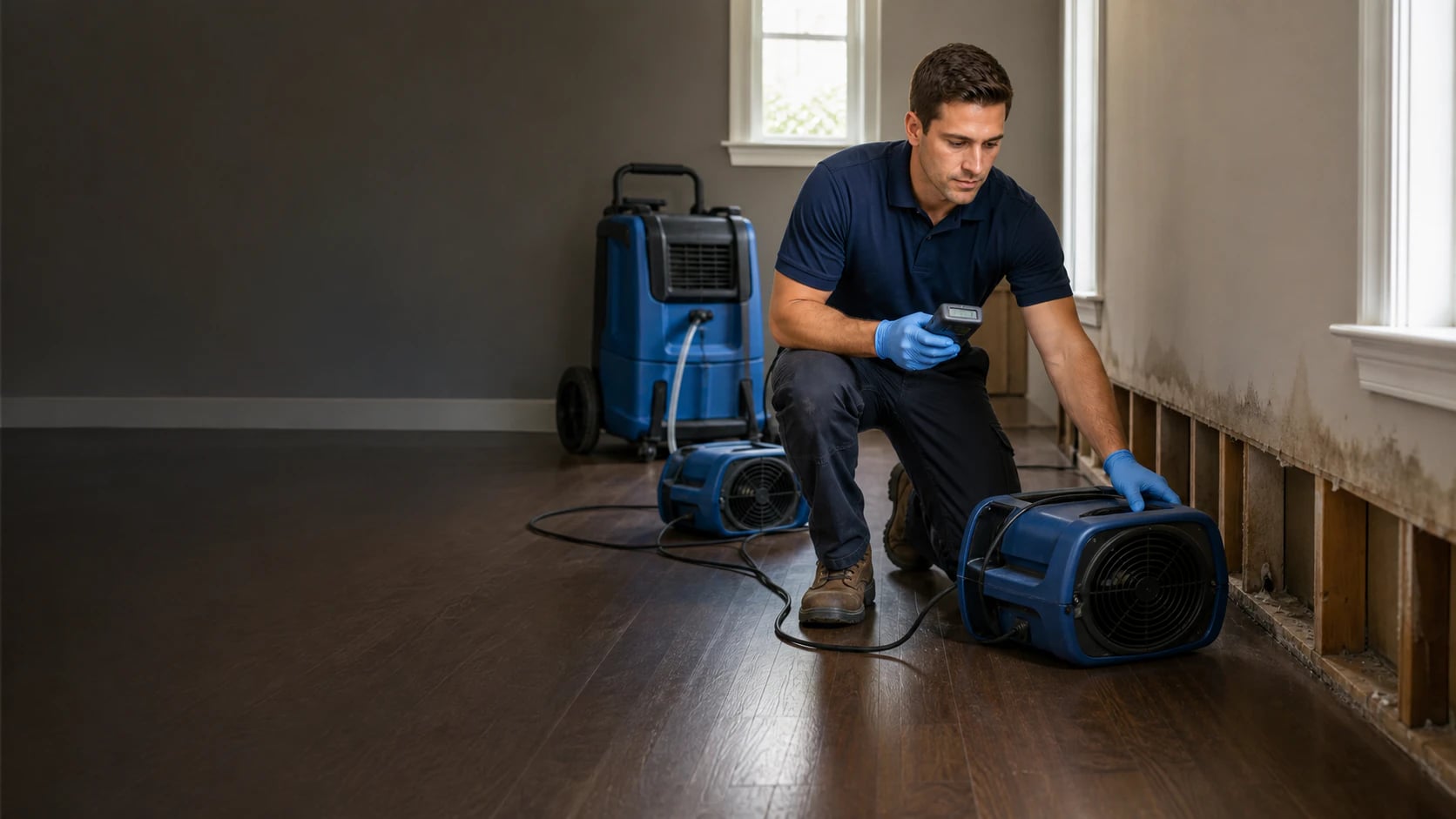
The pros connected by Water Restoration Pros understand the importance of this time frame. They use extraction, airflow, dehumidification, and moisture readings to accelerate drying. The eventual scope depends on the water category, materials affected, and how long they stayed wet, so early action can reduce avoidable removal and repair.
Moisture control involves steps taken to dry out and manage damp areas to prevent mold growth. This process is distinct from mold remediation, which involves removing and cleaning mold once it has developed. The goal of moisture control is to eliminate the conditions that allow mold to thrive, mainly excessive moisture and humidity.
While moisture control focuses on drying and ventilation, mold remediation requires specialized knowledge and skills to safely remove mold, especially in areas larger than 10 square feet. Professionals in this field are equipped to handle contaminated environments and ensure thorough sanitation, preventing further spread of mold.
Professional response
The exact scope changes with the water source and affected materials, but a measured restoration response generally moves through three phases.
Assess and stabilize
Prioritize fast, thorough drying of all affected materials, since moisture is what mold needs.
Use moisture meters to locate dampness trapped in cavities, under floors, and behind walls.
Remove and dry
Run dehumidification to keep the surrounding air dry while materials finish drying.
Confirm materials reach a dry, stable target before closing or repairing the area.
Verify and recover
If mold is already visible, note that it may require specialized remediation beyond drying.
Prioritize fast, thorough drying of all affected materials, since moisture is what mold needs.
Use moisture meters to locate dampness trapped in cavities, under floors, and behind walls.
Run dehumidification to keep the surrounding air dry while materials finish drying.
Confirm materials reach a dry, stable target before closing or repairing the area.
The answer should be specific to the property and reflected in the written scope.
The answer should be specific to the property and reflected in the written scope.
The answer should be specific to the property and reflected in the written scope.
Before help arrives
Only take steps you can complete safely. Leave the area and wait for qualified help if there is an electrical, structural, or contamination risk.
Begin drying as quickly as possible after water damage.
Improve airflow and reduce humidity in the affected area.
Do not seal or cover materials that are still wet.
Watch for musty odors and persistent dampness.
Call to connect with drying and moisture-control help.
These are general precautions for mold prevention after water damage; conditions at the property determine what is safe and appropriate.
Choose a state on the map or open its city directory to find mold prevention after water damage pages for your area.
Mold Prevention in California
View state pageMold Prevention in Connecticut
View state pageMold Prevention in Delaware
View state pageMold Prevention in Florida
View state pageMold Prevention in Georgia
View state pageMold Prevention in Illinois
View state pageMold Prevention in Maine
View state pageMold Prevention in Michigan
View state pageMold Prevention in Mississippi
View state pageMold Prevention in Montana
View state pageMold Prevention in Nebraska
View state pageMold Prevention in New Hampshire
View state pageMold Prevention in New Mexico
View state pageMold Prevention in New York
View state pageMold Prevention in North Carolina
View state pageMold Prevention in North Dakota
View state pageMold Prevention in Oklahoma
View state pageMold Prevention in Pennsylvania
View state pageMold Prevention in Rhode Island
View state pageMold Prevention in South Dakota
View state pageMold Prevention in Vermont
View state pageMold Prevention in West Virginia
View state pageMold Prevention in Wyoming
View state pageThese sources support restoration, safety, moisture, cleanup, and scope guidance. They do not serve as numeric pricing provenance.
Explore the service path
Other ways we help after water damage.
 Water Damage RestorationWhole-home help after leaks, flooding, wet materials, and standing water.View water damage restoration
 Structural DryingControlled drying of framing, drywall, subfloor, and building materials.View structural drying
 Basement Water RemovalPump-out and drying help for flooded basements and below-grade water.View basement water removal
 Carpet Water ExtractionExtraction and drying for soaked carpet, wet padding, and subfloor.View carpet water extraction
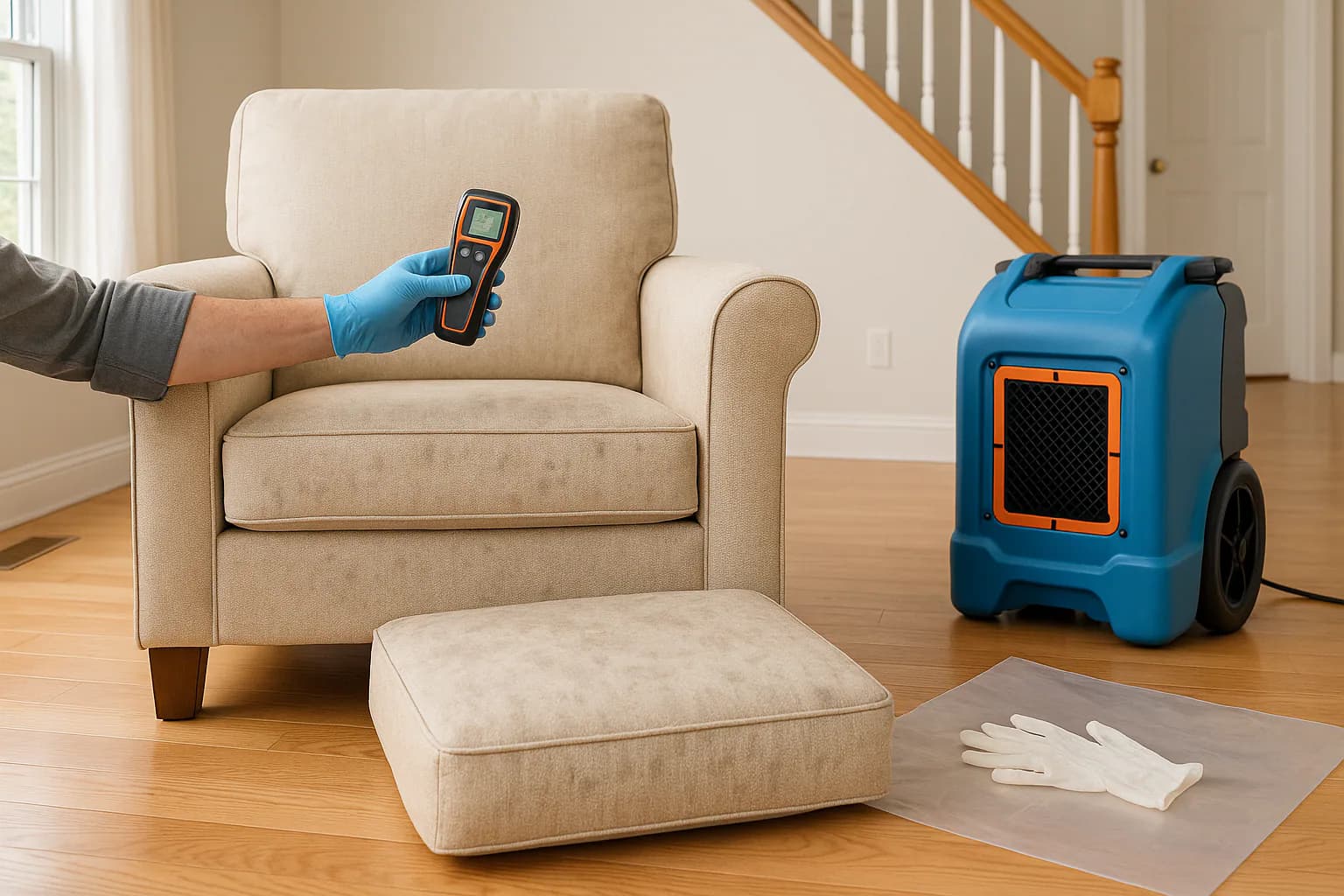 Mold & Moisture
Whether furniture can be cleaned or dried depends on its materials, the water source, and time wet. Learn which details shape a practical salvage decision.
Read guide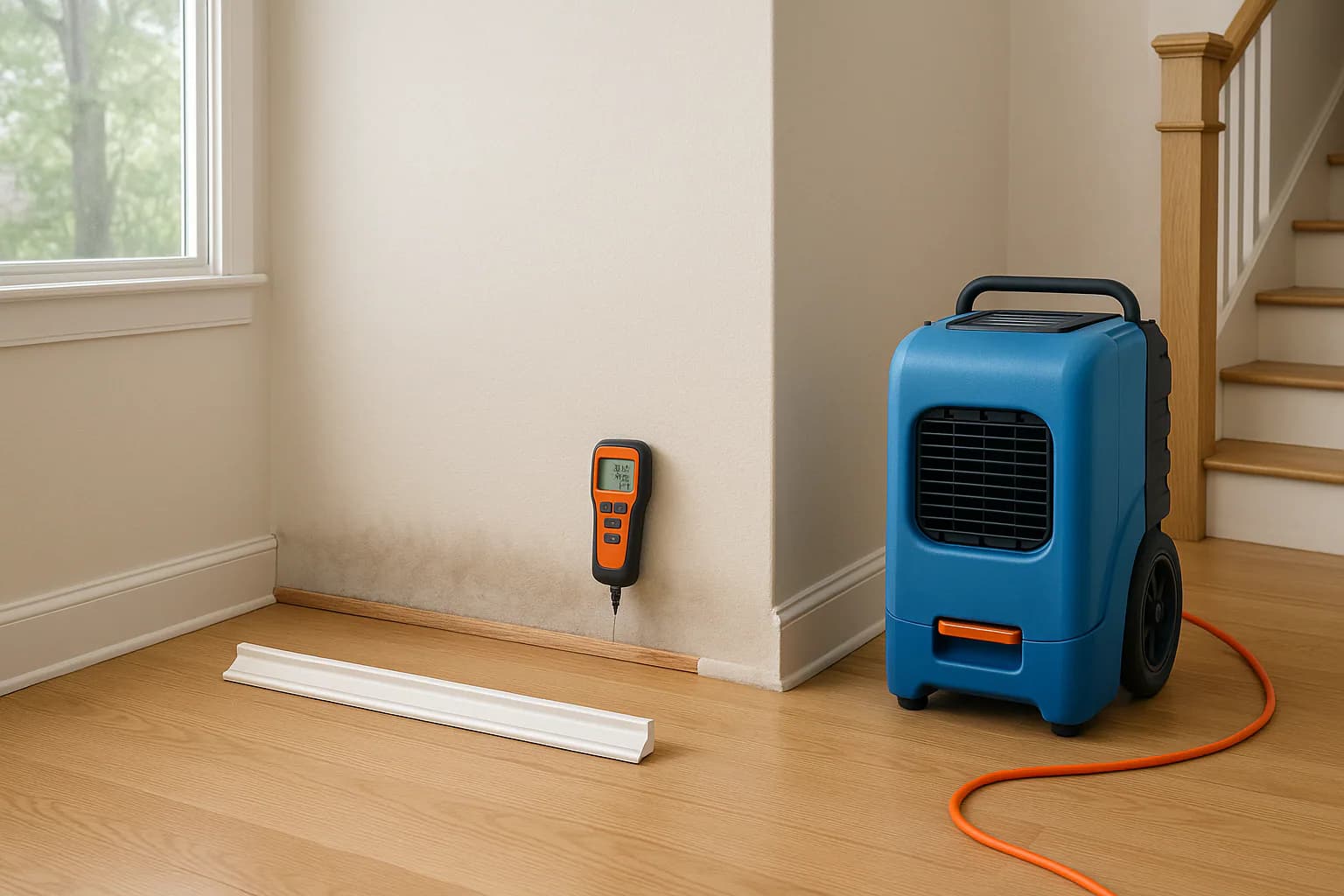 Mold & Moisture
Find out how fast mold can grow after water damage, what factors influence its development, and why quick action and moisture control matter for homeowners facing leaks or floods.
Read guide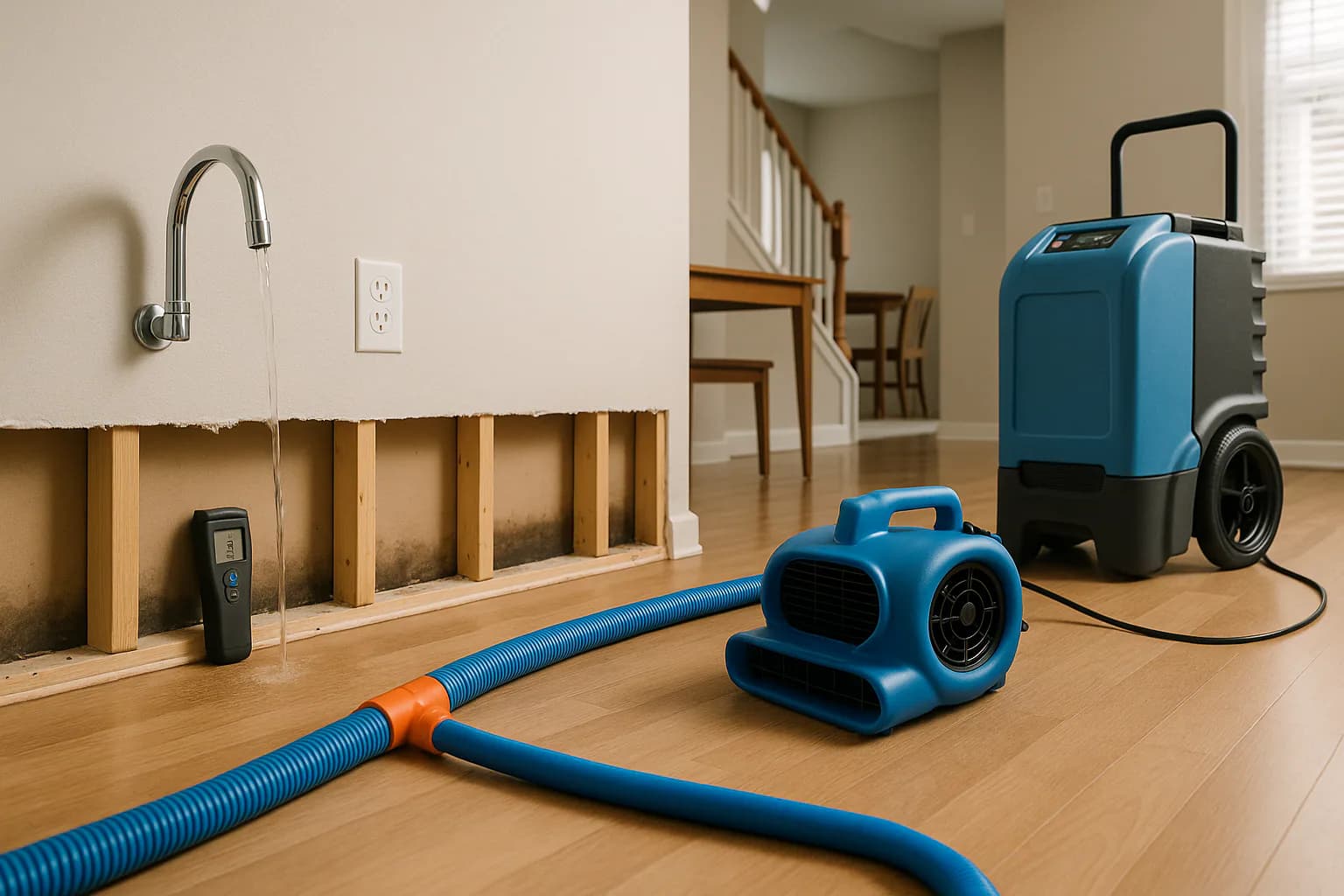 Drying & Restoration
Some wet drywall can be dried in place, while other situations call for removal. Here's how the decision is typically made and what signs to watch for.
Read guideCall Water Restoration Pros to connect with mold prevention after water damage help in your area.
Call (833) 968-0848 · No-obligation · Availability varies by area