Basement water intrusion is a common issue that many homeowners face. Understanding how to stop water from entering your basement is crucial for preserving the integrity of your home and avoiding costly repairs. Addressing this problem involves recognizing both external and internal factors that contribute to water seepage, and taking effective actions to mitigate these risks.
Effective prevention measures can range from simple DIY solutions to professional interventions. By taking proactive steps, you can minimize the risk of water damage, mold growth, and structural issues. Here's a comprehensive guide to help you stop water from entering your basement, focusing on both external and internal strategies.
Start outside: grading, gutters, downspouts
The first step in preventing basement water intrusion is to address the exterior of your home. Proper grading is essential, as it ensures that water flows away from your foundation, reducing the risk of water pooling against your home. Ideally, the ground should slope away from your home at a rate of one inch per foot for at least six feet. This slope helps direct rainwater and melting snow away from the foundation, preventing it from seeping into your basement.
- Keep gutters clean to prevent overflow. Regular cleaning ensures that leaves and debris do not block water flow, which can cause water to spill over and collect around your foundation.
- Extend downspouts at least 10 feet from the foundation. This extension helps ensure that water is discharged far enough away from your home to prevent seepage into the basement.
- Consider installing gutter guards to minimize debris. Gutter guards can significantly reduce the frequency of gutter cleaning by preventing leaves and other debris from entering the gutters.
These measures can help direct water away from your home, reducing the likelihood of it seeping into your basement. Regular maintenance and inspections of your grading, gutters, and downspouts are important to ensure these systems continue to function properly and effectively protect your home from water intrusion.
Window wells and foundation cracks
Window wells can collect water during heavy rain, which may seep into your basement through poorly sealed windows. Installing window well covers can prevent water accumulation and reduce the risk of leaks. Additionally, a drainage system within the window well can help channel water away from the windows, further protecting your basement. Choosing durable materials for window well covers and ensuring a proper fit can enhance their effectiveness.
Foundation cracks are another potential entry point for water. Small cracks can be sealed with a waterproof sealant, which can be a simple DIY task. However, larger or recurring cracks may indicate more serious structural issues and typically require professional crack injection services. This process involves injecting a special resin into the cracks to seal them from the inside out, providing a more permanent solution. Regular inspection of your foundation for new cracks or changes in existing ones can help prevent water intrusion.
Ignoring foundation cracks can lead to serious structural problems and water damage. Consult a professional for persistent or large cracks to ensure the safety and stability of your home.
Sump pumps and backup power
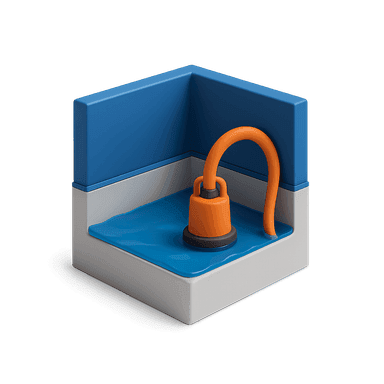
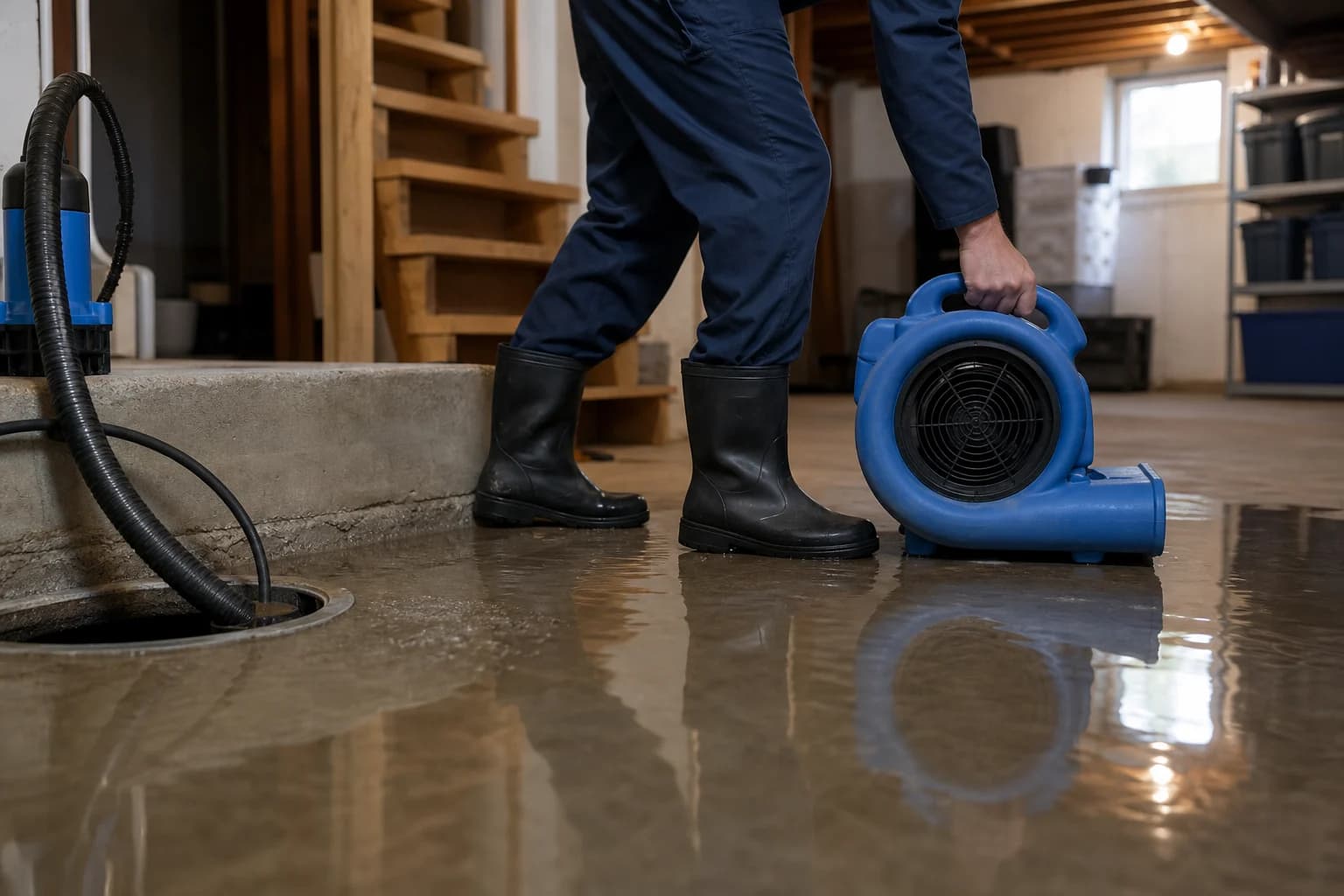
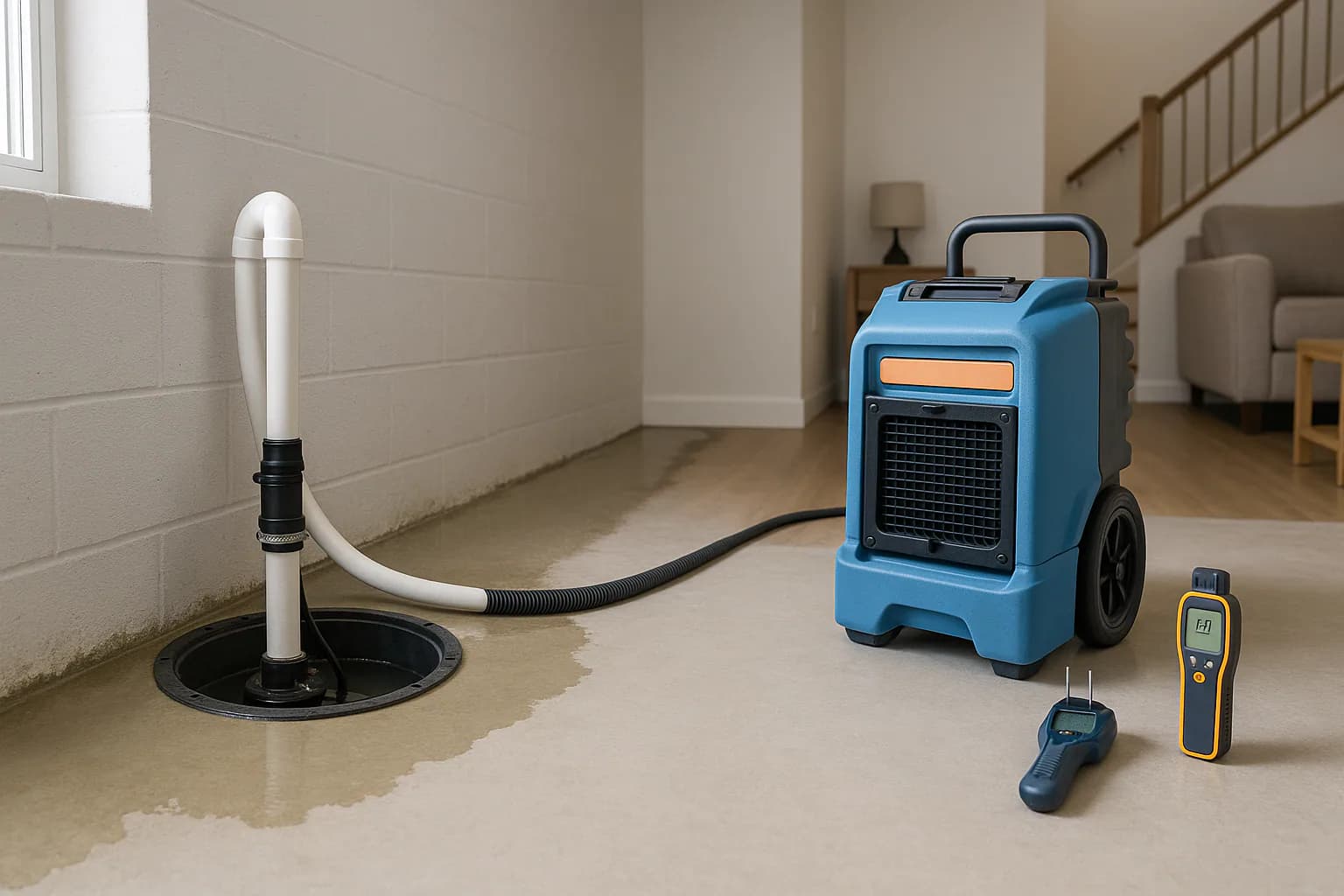
A sump pump is an effective tool for removing water that may enter your basement. It collects water in a designated pit and pumps it out away from your home. Ensuring your sump pump is functioning properly is crucial, especially during heavy rains or storms. Regular maintenance includes checking the pump's operation, cleaning the pit, and ensuring the discharge line is clear of obstructions.
Having a battery backup for your sump pump is important because power outages often accompany severe storms. Without power, your sump pump will not operate, leaving your basement vulnerable to flooding. A battery backup system ensures that the pump continues to work during power outages, providing continuous protection. It's advisable to test the backup system periodically to ensure it is ready to function when needed.
Interior vs exterior drainage systems
Interior and exterior drainage systems are two different approaches to managing basement water. Interior systems typically involve installing a perimeter drain and a sump pump inside the basement. These systems collect water that enters and redirect it to the sump pump for removal. Interior solutions are generally less invasive and can be installed without significant disruption to your landscaping.
Exterior drainage systems, on the other hand, involve more extensive work. They might include excavating around the foundation and applying waterproofing materials to the exterior walls. This method creates a physical barrier to prevent water from entering. Though more costly and labor-intensive, exterior systems can provide a comprehensive solution by addressing water intrusion at its source. The choice between an interior or exterior system depends on the specific conditions and budget, and consulting with a professional can help determine the best approach for your home.
- 1
Interior Drainage
Install a perimeter drain and sump pump to capture and redirect water. This system collects any water that enters the basement and channels it to the sump pump, which then discharges it away from the home.
- 2
Exterior Drainage
Excavate around the foundation and apply waterproofing materials to the exterior walls. This creates a barrier that prevents water from reaching the foundation and seeping into the basement. It is a more involved process but offers a long-term solution.
Waterproofing contractor or restoration pro: who to call when
Deciding whether to call a waterproofing contractor or a restoration professional depends on the situation you're facing. If you experience recurring seepage, a waterproofing contractor can assess your drainage needs and offer long-term solutions to prevent future issues. They can evaluate your exterior grading, gutters, and foundation for potential improvements.
However, if you have standing water or a recent flood event, a restoration professional should handle the immediate cleanup and drying. They can quickly assess the damage, extract water, and begin the drying process to prevent further issues like mold growth. Restoration pros are equipped to manage emergency situations and can help restore your basement to a safe condition. Understanding the scope of the problem and acting swiftly can save time, money, and stress in the long run.
Find Local Professionals for Your Basement Needs
Connect with a Local Pro Today
Need help with basement water issues? Connect with independent restoration professionals through Water Restoration Pros to safeguard your home.
Call (833) 968-0848Frequently asked questions
What are the signs of basement water issues?
How often should I check my sump pump?
Can I seal foundation cracks myself?
Sources reviewed (4)
- U.S. EPA - Ways to Control Moisture in Your Home: EPA guidance on leaks, seepage, condensation, drainage, and indoor moisture control.
- U.S. EPA - Mold Course Chapter 2: EPA guidance on drying buildings, furnishings, carpet, wall cavities, and other wet materials.
- FloodSmart. gov - National Flood Insurance Program: Federal consumer information about flood insurance and the distinction between flood and homeowners coverage.
- CDC - Reentering Your Flooded Home Safely: CDC guidance on electrical hazards, standing water, ventilation, cleanup, and reentry after flooding.