
Condensation or Water Leak: Start With the Pattern
Moisture on walls, ceilings, windows, or pipes does not always mean a water leak. In many homes, the source is condensation, which forms when humid air meets a cooler surface. In other cases, the moisture points to a plumbing, roof, foundation, or window leak. Looking at the pattern, timing, and location together helps narrow the cause.
Water Restoration Pros connects property owners with independent restoration professionals. The pros in your area can help assess moisture patterns, locate hidden water, and guide drying and repair decisions. This guide focuses on the clues that often separate condensation from a leak.
How Condensation Usually Appears
Condensation forms when warm, humid air touches a cold surface such as a window, metal pipe, or uninsulated wall. It often shows up as beads, a film of water, or droplets on cold water pipes. Bathrooms, kitchens, basements, and other areas with limited ventilation are common places to see it.
Timing is often a useful clue. Condensation may appear after showering, cooking, or during cold weather, then fade as humidity or temperature changes. It is more likely to follow indoor conditions than a specific plumbing event or rainfall.
Clues That Point to a Leak
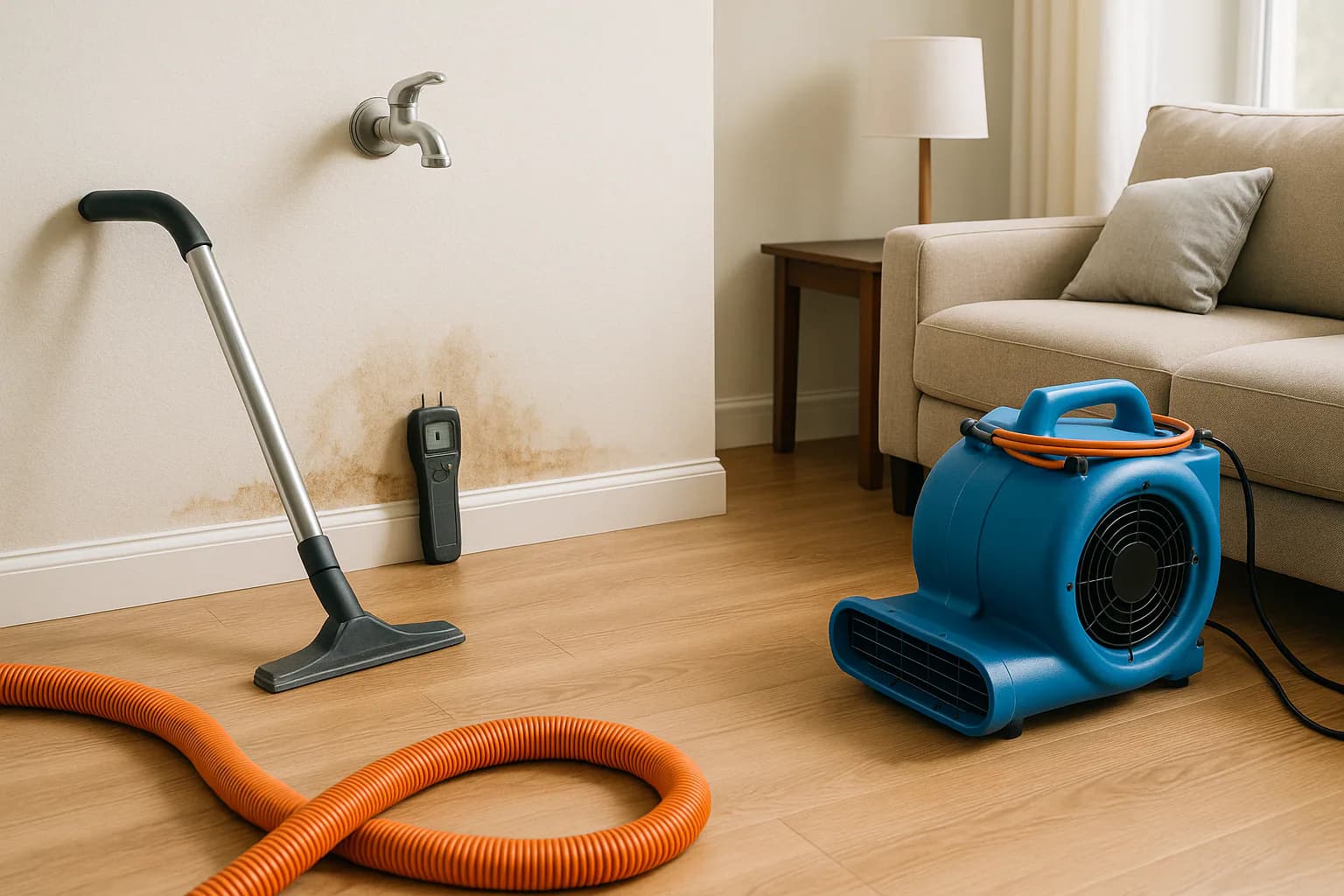
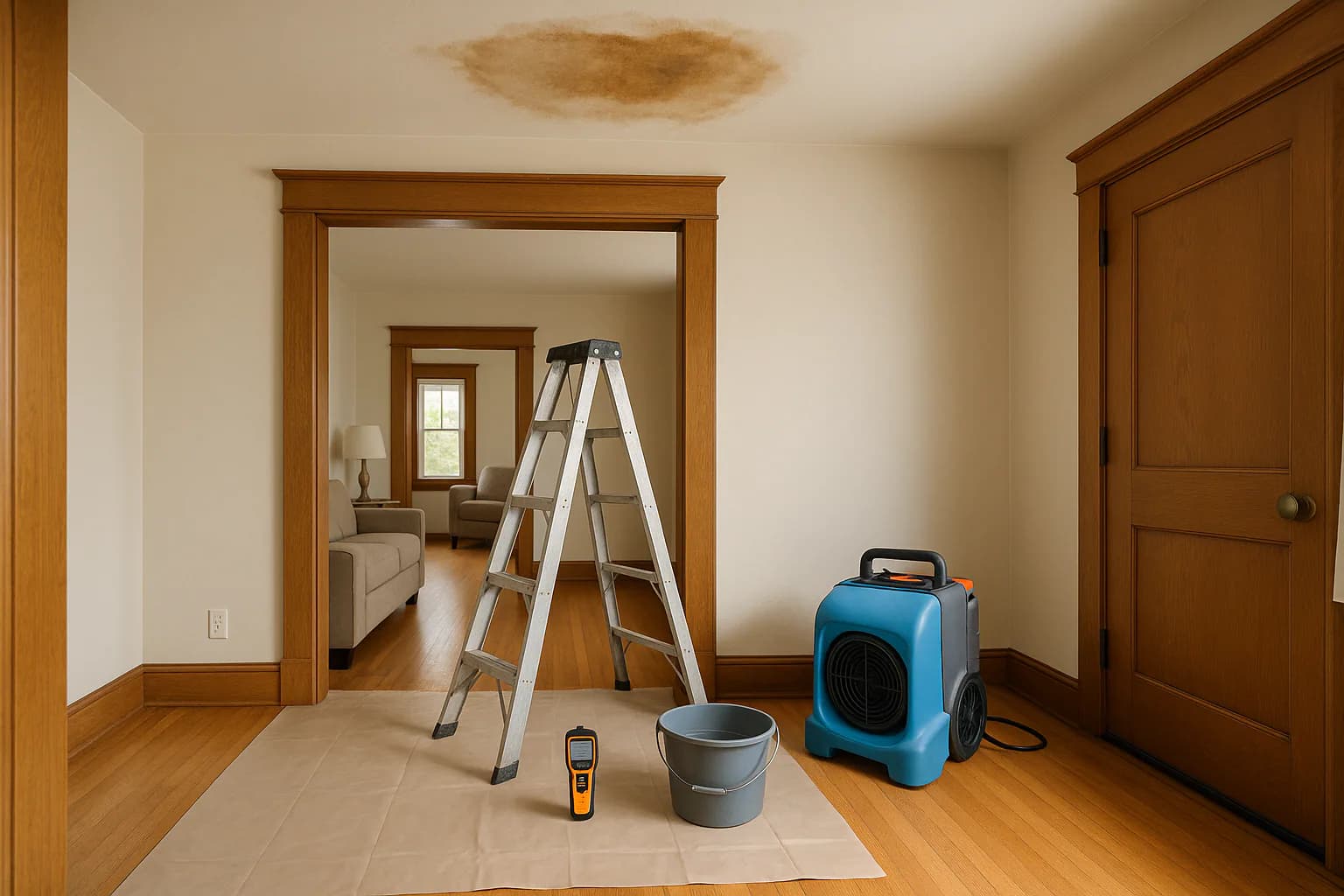
Leaks usually create moisture patterns that are more persistent than condensation. A leak may leave a damp spot that stays wet, spreads, or returns even when the weather changes. Stains, peeling paint, bubbling wallpaper, warped surfaces, or water marks near plumbing or exterior walls can all suggest a leak.
If the wet area does not dry out when indoor conditions improve, that is another warning sign. Leaks can be steady or intermittent, and some remain hidden behind walls, above ceilings, or under floors until the damage becomes visible.
- Wet spots that keep returning or spreading
- Stains with irregular edges or rust marks
- Peeling or bubbling paint and wallpaper
- Warped, soft, or distorted surfaces
- Persistent dampness that does not match indoor humidity changes
Use Timing and Weather to Compare Patterns
Condensation is closely tied to indoor humidity and cold surfaces. It often appears after cooking, showering, or other steam-producing activities, then lessens when ventilation improves or the temperature changes. A leak is less tied to those short-term changes and more likely to stay present or worsen over time.
Recording when moisture appears can make the source easier to identify. Note whether it shows up after plumbing use, during rainfall, or only in cold weather. That history can help independent restoration professionals decide whether they are looking at condensation, a hidden leak, or both.
- 1
Track the timing
Write down when and where the moisture appears. Repeated moisture after showers or cooking often points toward condensation.
- 2
Watch for weather links
If the dampness appears during cold snaps or humid periods and fades later, condensation is more likely. Moisture that persists in dry conditions is more concerning for a leak.
- 3
Look for repeat patterns
Moisture that returns in the same spot after rainfall or plumbing use may indicate a hidden source that needs further inspection.
Common Places to Check
Some areas are more likely to show either condensation or leak-related moisture. Bathrooms and kitchens combine steam with plumbing lines. Windows and sills often collect condensation on the inside glass in colder weather. Basements and crawl spaces can show recurring dampness from poor ventilation or foundation-related leaks.
Attics may show roof leaks or HVAC-related condensation near ducts and vents. Around water heaters, appliances, and exposed pipes, both pipe sweating and active leaks can occur. Ceilings below bathrooms or kitchens are also worth checking for stains that may point to plumbing above.
- Bathrooms and kitchens: steam and plumbing are both common factors
- Windows and sills: interior glass often shows condensation in cold weather
- Basements and crawl spaces: poor ventilation and foundation leaks can both contribute to dampness
- Attics: roof leaks and HVAC-related condensation may appear near ducts or vents
- Near water heaters, appliances, and exposed pipes: look for sweating, drips, or active leaks
What a Water Meter Check Can Show
A water meter check can help identify a hidden plumbing leak. Turn off all faucets and water-using appliances, then watch the meter. If it continues to move, water may be escaping somewhere out of sight. This does not identify the exact source, but it can support the case for further inspection.
If moisture seems connected to rainfall, plumbing use, or a specific room, write that down as well. That information helps the pros in your area compare what is happening inside the home with what is happening outside it.
Why Drying Matters
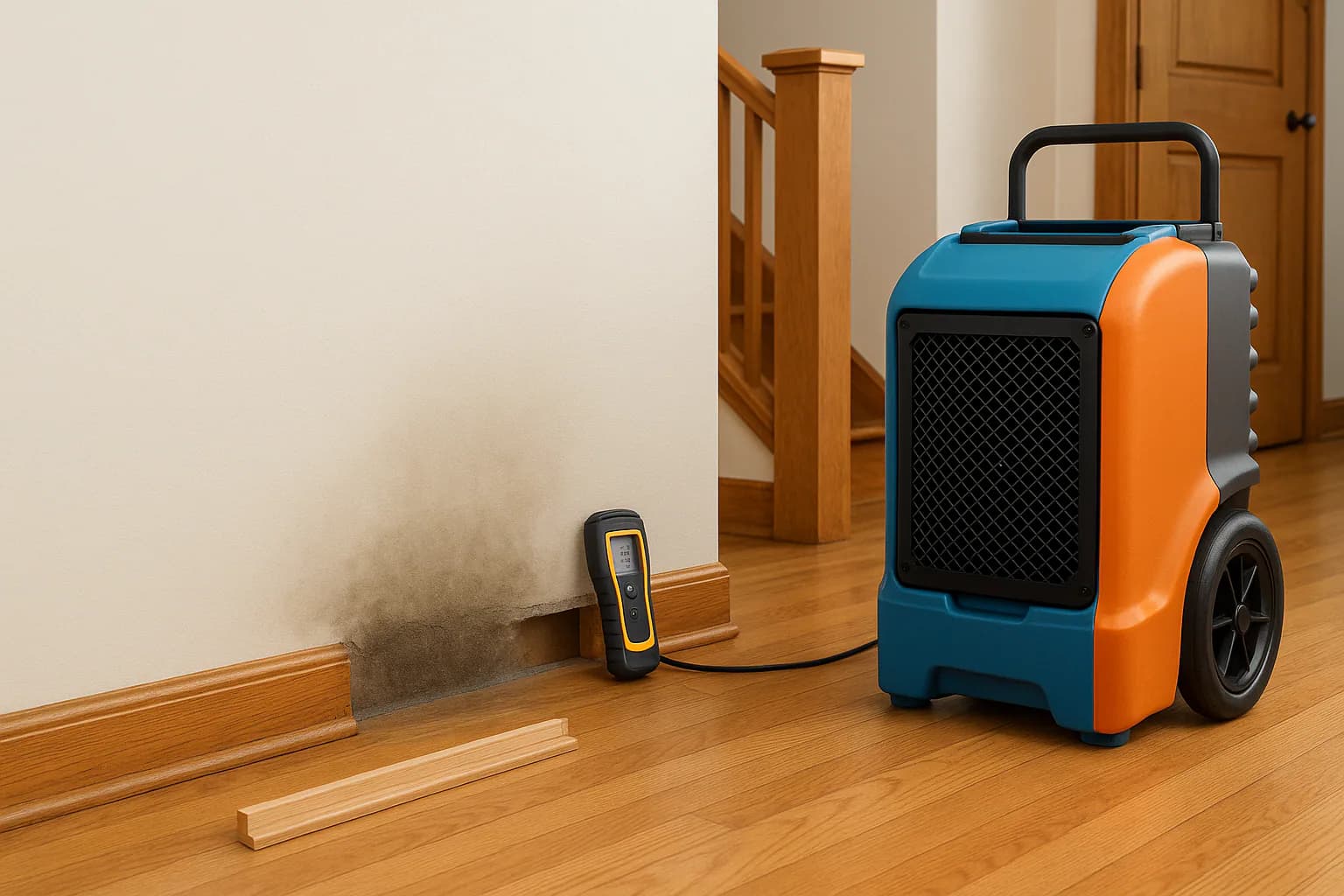
The U. S. EPA advises drying wet building materials within about 24 to 48 hours when possible. Prompt drying helps reduce the conditions that allow mold to grow. That does not mean every damp area is a mold problem, but it does mean lingering moisture should be addressed quickly.
If the affected area is large or if mold is already visible, EPA guidance suggests considering professional help. Independent restoration professionals can assess the moisture source, dry affected materials, and determine which surfaces may need cleanup or removal.
Fast drying matters because lingering moisture can create conditions that allow mold to grow. If the area is hard to dry, keeps getting wet again, or is already showing visible mold, professional evaluation may be the practical next step.
When to Seek Professional Moisture Detection
Some leaks are hidden inside walls, under floors, or above ceilings. A slow or intermittent leak may not be obvious at first, but it can still affect drywall, insulation, or subflooring. Professional moisture detection can help locate the source and show how far the moisture has spread.
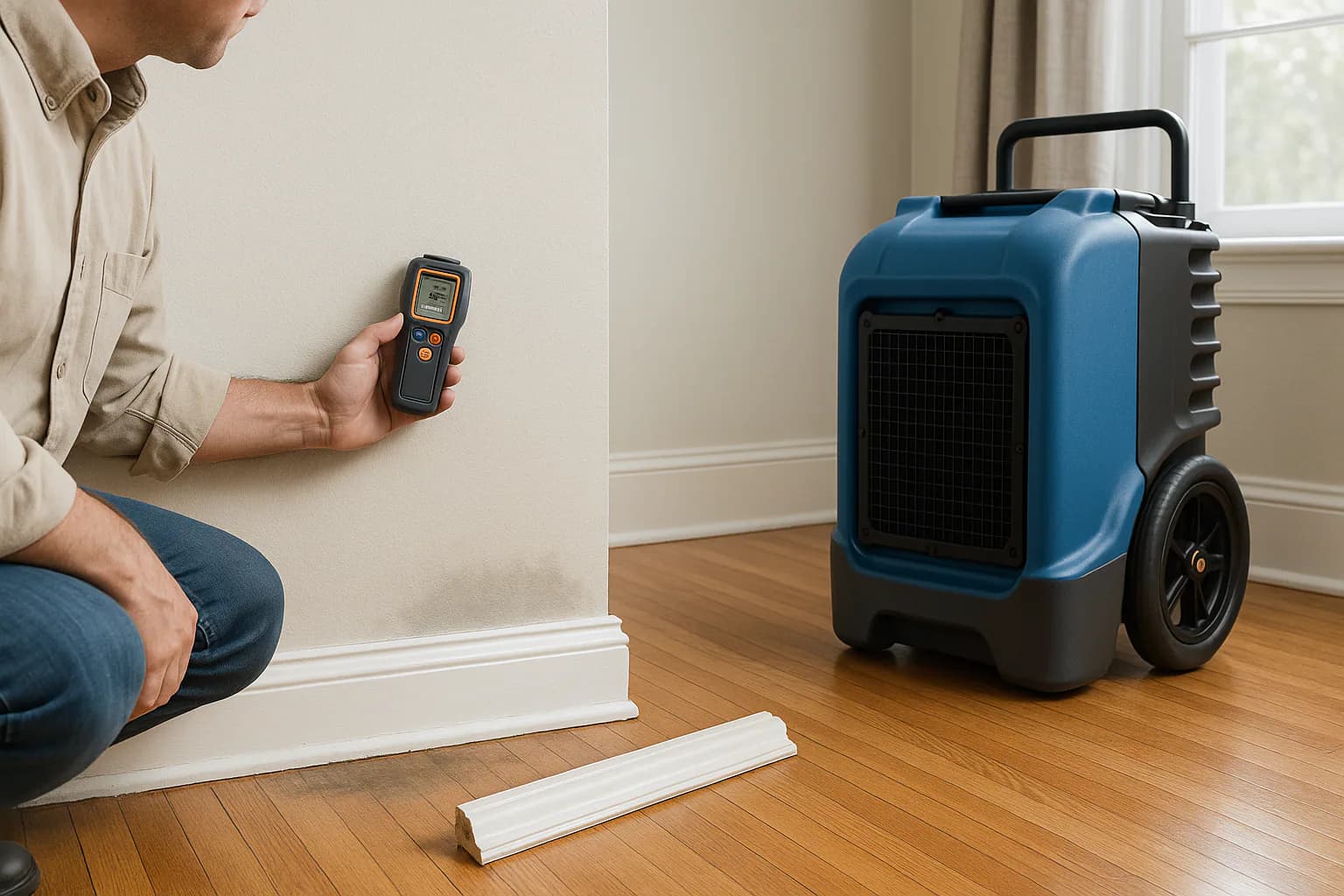
Restoration professionals may use moisture meters or thermal imaging as part of the inspection. Thermal imaging can show temperature patterns, but it does not prove moisture or mold by itself without direct measurement or inspection. If the problem keeps returning, professional evaluation is often the clearest next step.
A Practical Way to Decide What You Are Seeing
Condensation usually follows indoor humidity, cold surfaces, and activities that add steam to the air. A leak usually creates moisture that stays, spreads, or returns regardless of those changes. Looking at pattern, timing, and location together gives a better read than any single clue.
If the source is still unclear, the pros in your area can help sort out whether the issue is simple condensation, a hidden leak, or both. Early moisture control gives the home a better chance to dry before damage spreads.
Related Services
Connect with Water Damage Restoration Pros
If you suspect a leak or ongoing moisture issue, connect with local restoration professionals through Water Restoration Pros. They offer moisture detection and mitigation services to help protect your property.
Call (833) 968-0848Frequently asked questions
How can a homeowner tell condensation from a water leak on a window?
What does moisture on a pipe usually mean?
How quickly should wet materials be dried?
Sources reviewed (3)
- U.S. EPA - A Brief Guide to Mold, Moisture and Your Home: EPA guidance on moisture control, prompt drying, indoor humidity, and mold cleanup decisions.
- U.S. EPA - Mold Course Chapter 2: EPA guidance to dry wet building materials within about 24 to 48 hours when possible.
- U.S. EPA - Mold Cleanup in Your Home: EPA cleanup guidance, including the roughly 10-square-foot threshold for considering professional help.