What you may notice
A pipe burst and released water into the property
Floors, walls, or ceilings are wet from a plumbing leak
Water is spreading from the leak point into other rooms
Drywall is soft, stained, or bubbling after a pipe failure
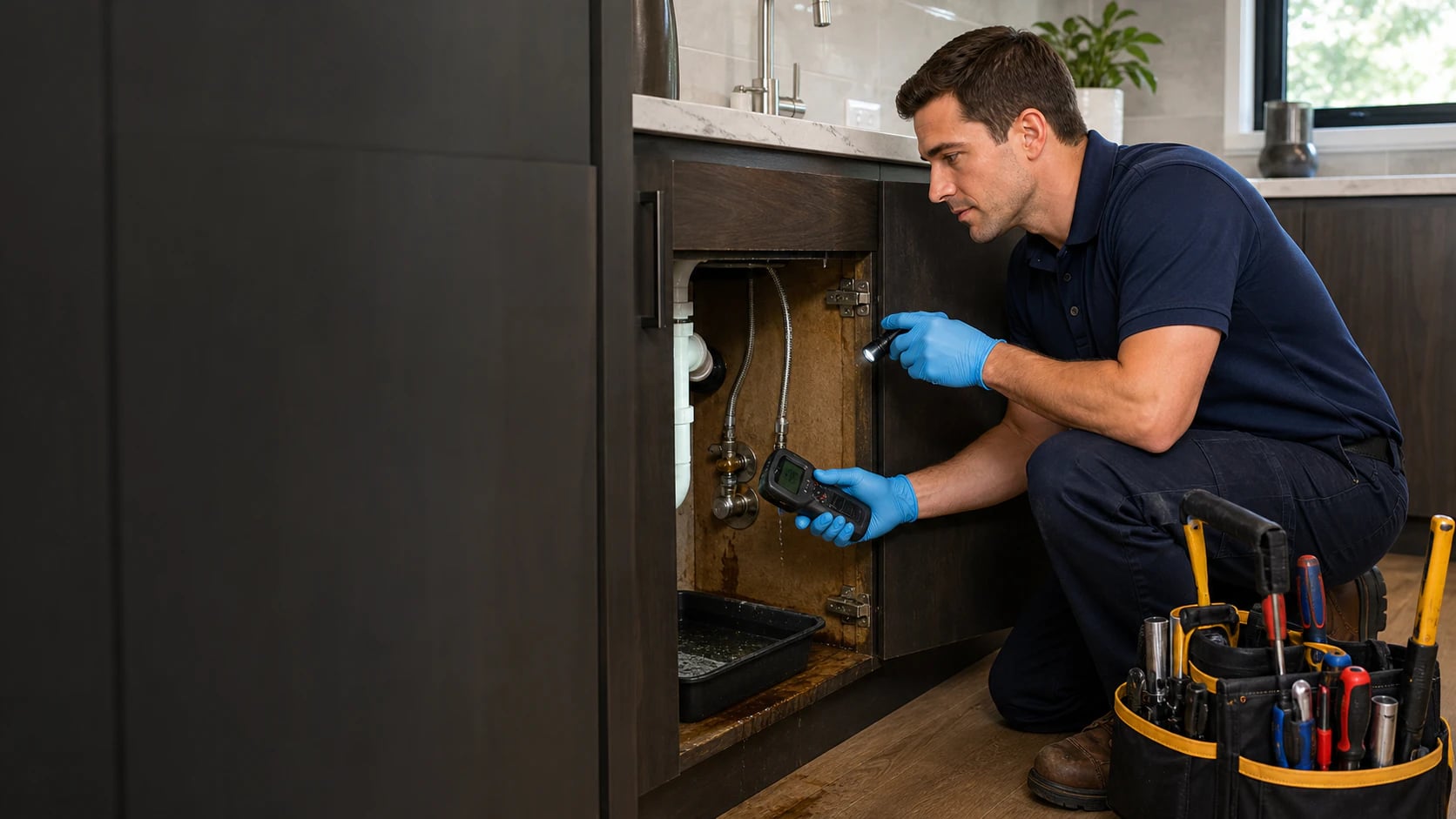
Water Damage Service
A burst pipe can release a lot of water quickly and push it through floors, walls, and ceilings. Water Restoration Pros helps property owners connect with burst pipe water cleanup help.
Service overview
Burst pipe cleanup help that removes the water, dries soaked materials, and limits how far the damage spreads.
Recognize the problem
Start with what you can safely observe. The source, the type of water, and the materials affected determine the response after an on-site assessment.
A pipe burst and released water into the property
Floors, walls, or ceilings are wet from a plumbing leak
Water is spreading from the leak point into other rooms
Drywall is soft, stained, or bubbling after a pipe failure
Frozen pipes that crack and burst when they thaw
Aging, corroded, or weak plumbing connections
Excess water pressure and water hammer
Failed supply lines to appliances and fixtures
Why timing changes the outcome
Water travels along framing and spreads far from the break. Wet drywall and insulation lose strength and can become unsalvageable.
Fast cleanup and drying limit secondary damage and mold conditions.
In-depth guidance
Water from a burst pipe rarely stays where it started. It follows the path of least resistance along framing, drops into wall cavities, and shows up rooms away or on the floor below.
Finding that hidden moisture and drying it is what keeps a burst pipe from turning into a much larger repair later.
Burst pipes often occur in less visible areas such as inside walls, ceilings, and floors. Supply lines, which carry water to fixtures, are common culprits. These pipes can crack or disconnect due to pressure changes or poor installation.
Fittings, where pipes connect, are also vulnerable points. A small leak at a fitting can lead to significant water damage if not promptly addressed. Water from a burst pipe can travel through walls and floors, spreading damage far from the original source.
Detecting these issues early is crucial. Look for signs like damp patches, reduced water pressure, or unusual sounds in walls. Quick action can prevent extensive damage and reduce repair costs.
During winter, cold snaps can cause water inside pipes to freeze and expand, leading to bursts. These events are common in areas with fluctuating temperatures. When temperatures drop suddenly, pipes may not have adequate insulation, making them prone to freezing.
Burst pipes during winter require immediate attention. As ice thaws, water can rapidly flood a property, causing extensive damage. Quick water removal is essential to minimize the risk of mold growth, which can occur within 24-48 hours.
Understanding seasonal risks helps in planning preventative measures. Insulating pipes, maintaining a steady indoor temperature, and knowing how to shut off water can reduce the chances of winter-related pipe bursts.
Cost and scope
Burst pipe cleanup cost is driven by how long the water ran, where the pipe sits, the materials it soaked, the drying required, and any repairs that follow. Understand the factors, then connect with a pro for an accurate assessment.
A written estimate should connect each charge to the source, affected materials, access, contamination conditions, drying work, and repairs found during the assessment.
National planning range
Standard residential planning range
$1,100-$2,250 per project
Resolved from the approved Water Restoration Pros pricing methodology and standardized scope.
Cost ranges are estimates developed from standardized project scopes and reviewed pricing inputs. Government labor and regional cost data are used where applicable. See our Pricing Methodology for the exact sources, calculations, and review date. Actual prices vary by property, scope, materials or equipment, location, and provider.
A pipe caught within minutes causes far less damage than one that ran for hours while no one was home. More time means more water and more material affected.
An exposed pipe that sprayed into an open room is more accessible than an in-wall or ceiling pipe, where water travels through cavities and is harder to reach and dry.
Drying salvageable drywall and framing is one thing; removing and replacing saturated flooring, insulation, or cabinets is another, and dense materials take longer to dry.
The number of air movers and dehumidifiers and how many days of monitoring are needed all factor in, especially when water sits inside walls or ceilings.
Professional response
The exact scope changes with the water source and affected materials, but a measured restoration response generally moves through three phases.
Assess and stabilize
Confirm the main supply is off and the burst pipe is no longer releasing water.
Find how far water traveled along floors, into walls, and down to lower levels.
Remove and dry
Remove standing water and pull moisture out of soaked carpet and flooring.
Remove or open wet drywall where needed and set air movers and dehumidifiers.
Verify and recover
Track moisture until materials are dry, then plan repairs to walls, floors, and trim.
Confirm the main supply is off and the burst pipe is no longer releasing water.
Find how far water traveled along floors, into walls, and down to lower levels.
Remove standing water and pull moisture out of soaked carpet and flooring.
Remove or open wet drywall where needed and set air movers and dehumidifiers.
The answer should be specific to the property and reflected in the written scope.
The answer should be specific to the property and reflected in the written scope.
The answer should be specific to the property and reflected in the written scope.
Before help arrives
Only take steps you can complete safely. Leave the area and wait for qualified help if there is an electrical, structural, or contamination risk.
Shut off the main water supply to stop the flow.
Turn off power to wet areas if water is near electrical.
Open the affected area and move belongings out of the water.
Photograph the burst pipe and water damage for insurance.
Call to connect with burst pipe cleanup help.
These are general precautions for burst pipe water cleanup; conditions at the property determine what is safe and appropriate.
Choose a state on the map or open its city directory to find burst pipe water cleanup pages for your area.
Burst Pipe Cleanup in California
View state pageBurst Pipe Cleanup in Connecticut
View state pageBurst Pipe Cleanup in Delaware
View state pageBurst Pipe Cleanup in Florida
View state pageBurst Pipe Cleanup in Georgia
View state pageBurst Pipe Cleanup in Illinois
View state pageBurst Pipe Cleanup in Kansas
View state pageBurst Pipe Cleanup in Louisiana
View state pageBurst Pipe Cleanup in Maine
View state pageBurst Pipe Cleanup in Michigan
View state pageBurst Pipe Cleanup in Mississippi
View state pageBurst Pipe Cleanup in Montana
View state pageBurst Pipe Cleanup in Nebraska
View state pageBurst Pipe Cleanup in New Hampshire
View state pageBurst Pipe Cleanup in New Mexico
View state pageBurst Pipe Cleanup in New York
View state pageBurst Pipe Cleanup in North Carolina
View state pageBurst Pipe Cleanup in North Dakota
View state pageBurst Pipe Cleanup in Oklahoma
View state pageBurst Pipe Cleanup in Pennsylvania
View state pageBurst Pipe Cleanup in Rhode Island
View state pageBurst Pipe Cleanup in South Dakota
View state pageBurst Pipe Cleanup in Vermont
View state pageBurst Pipe Cleanup in West Virginia
View state pageBurst Pipe Cleanup in Wyoming
View state pageThese sources support restoration, safety, moisture, cleanup, and scope guidance. They do not serve as numeric pricing provenance.
Explore the service path
Other ways we help after water damage.
 Water Damage RestorationWhole-home help after leaks, flooding, wet materials, and standing water.View water damage restoration
 Emergency Water RemovalUrgent extraction of standing and active water from floors and rooms.View emergency water removal
 Ceiling Water Damage RepairHelp for wet, stained, or sagging ceilings from leaks above.View ceiling water damage
 Structural DryingControlled drying of framing, drywall, subfloor, and building materials.View structural drying
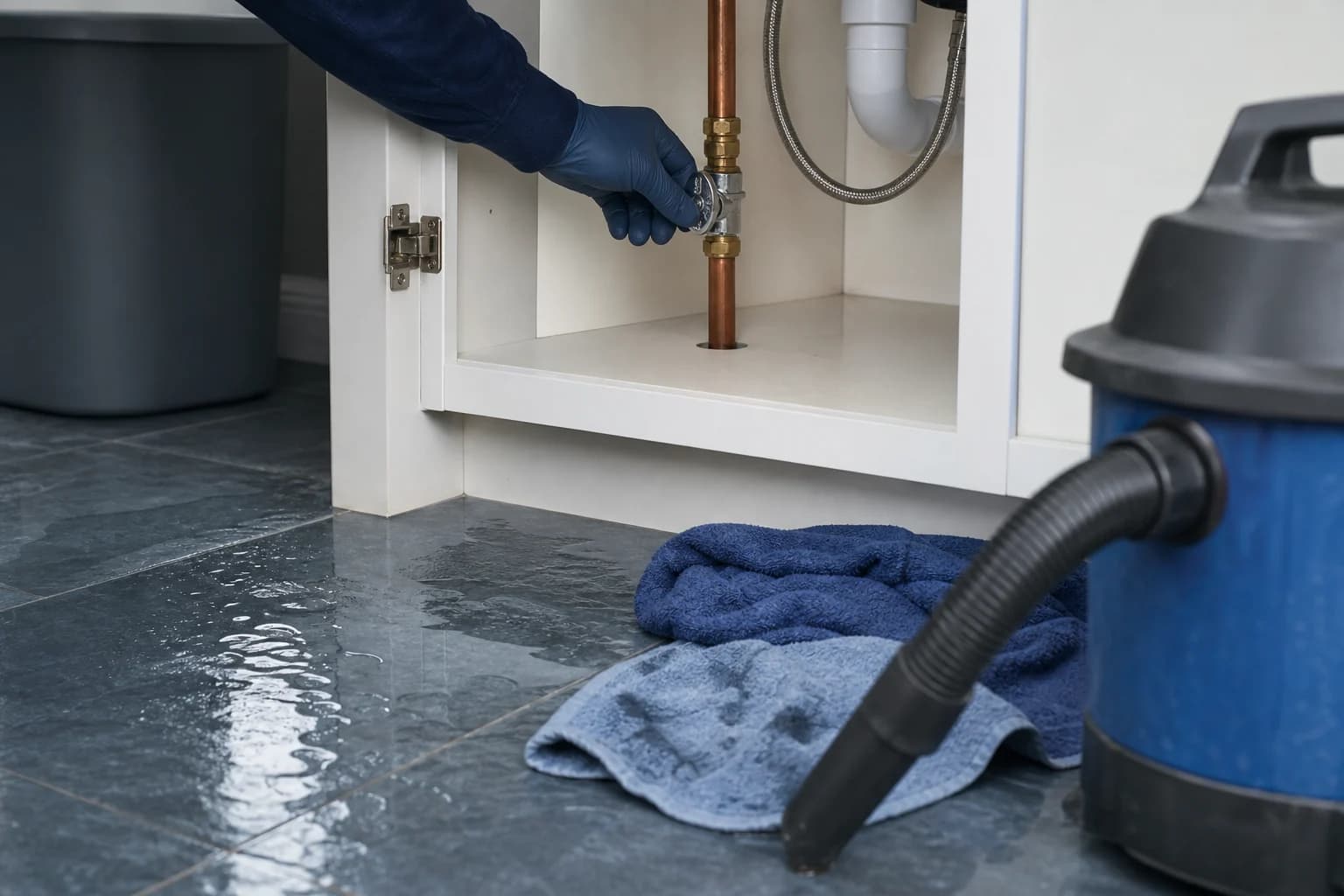 Emergency Response
A burst pipe releases water quickly. These steps help you shut it off, limit the damage, and get connected with restoration professionals before it gets worse.
Read guide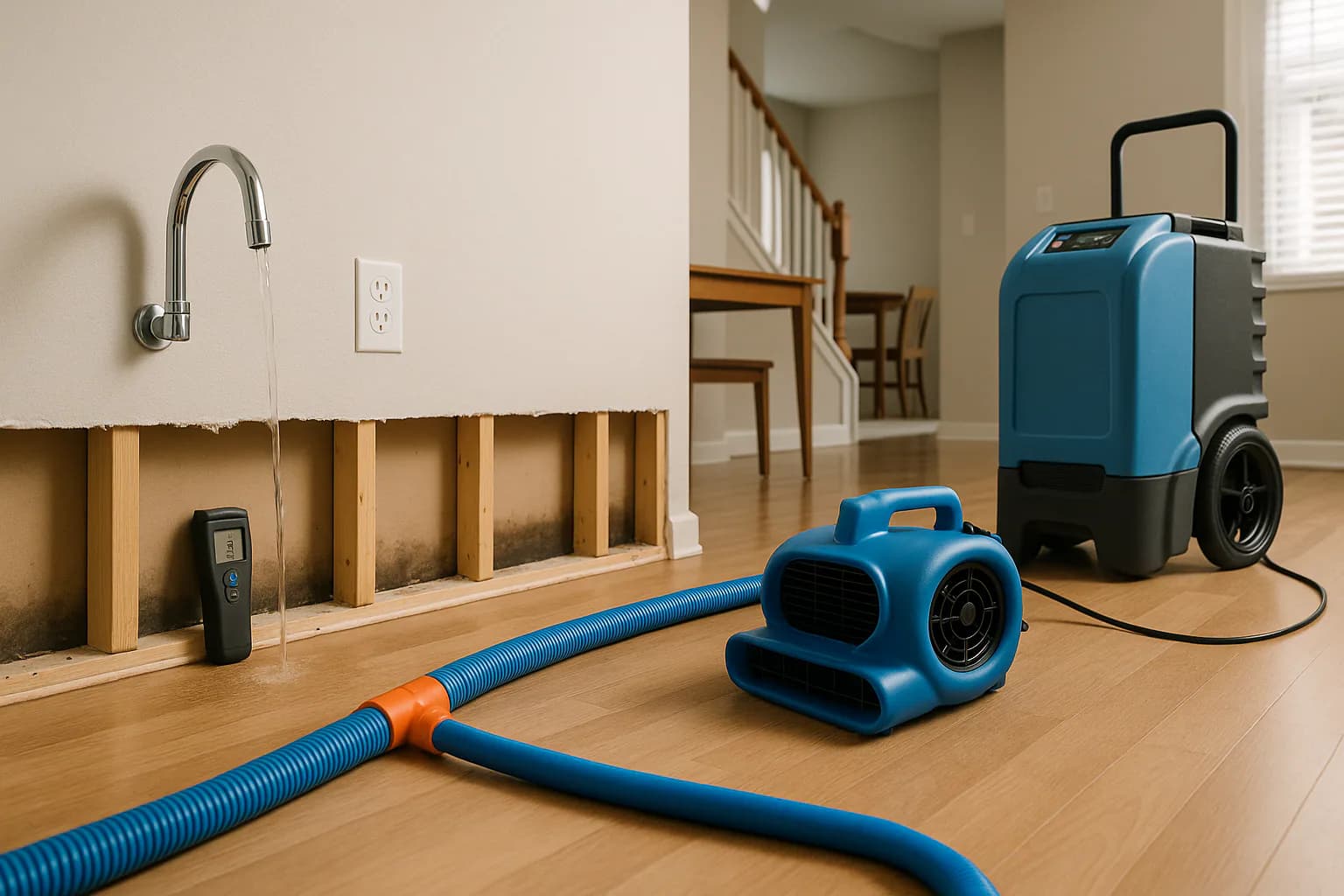 Drying & Restoration
Some wet drywall can be dried in place, while other situations call for removal. Here's how the decision is typically made and what signs to watch for.
Read guide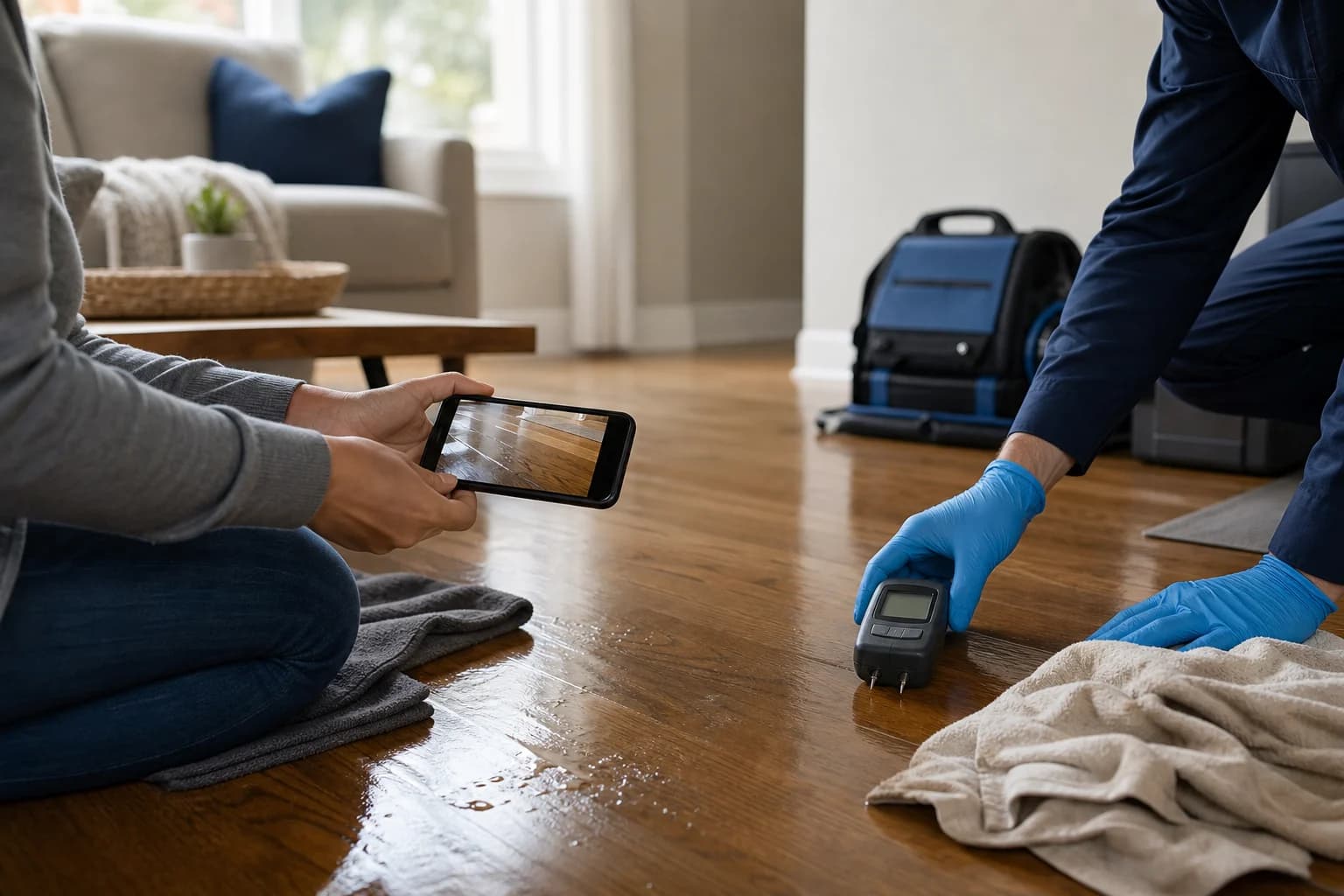 Emergency Response
This guide explains what to do right after water damage occurs, with practical steps to limit further issues, keep your home safe, and help with insurance documentation.
Read guide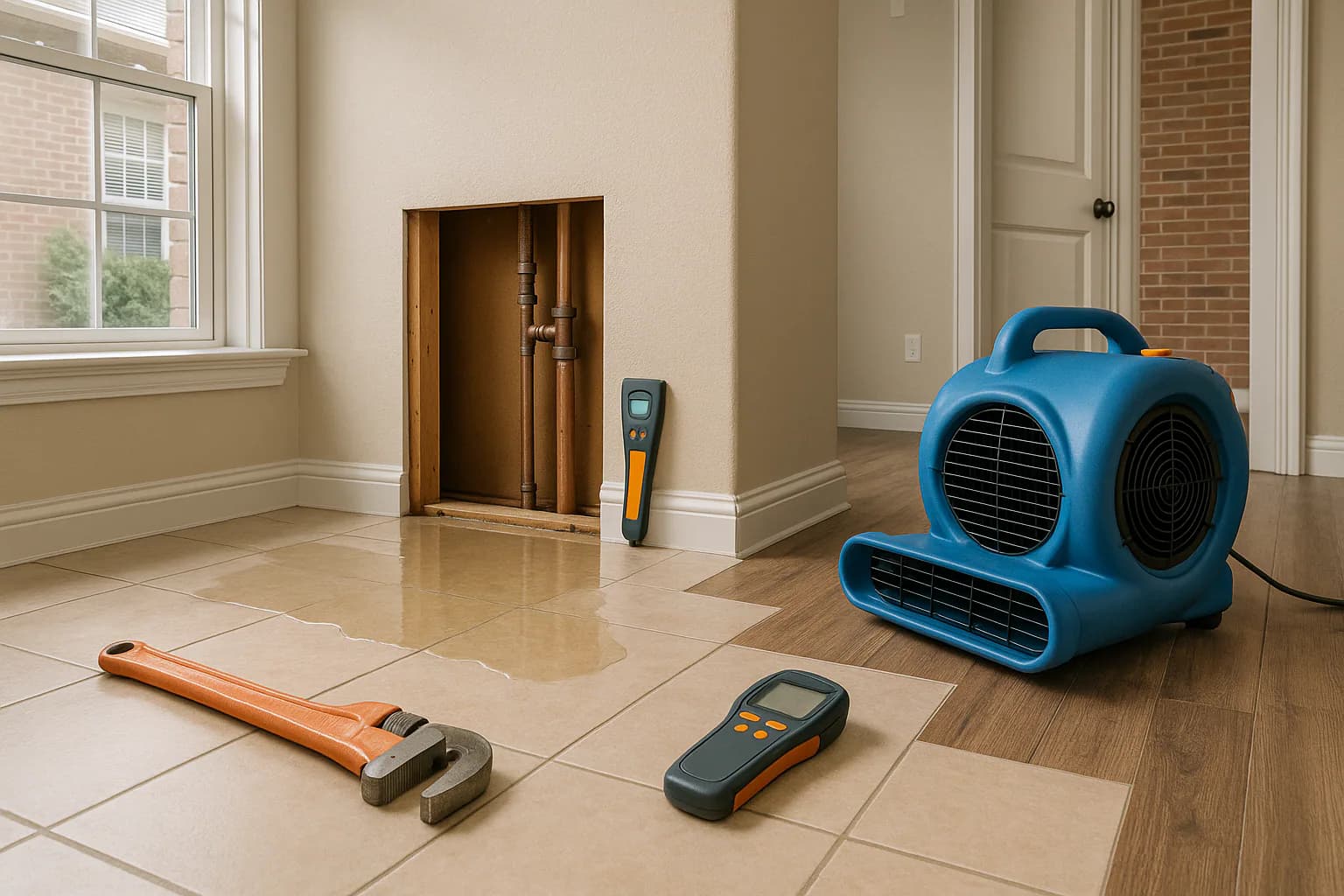 Water Damage Basics
A plumber fixes the source of the water; a restoration company dries the structure and repairs the damage. Here's who does what and why you often need both.
Read guideCall Water Restoration Pros to connect with burst pipe water cleanup help in your area.
Call (833) 968-0848 · No-obligation · Availability varies by area