How landlord insurance and water damage claims are connected
Landlord insurance may help with some water damage claims, but coverage depends on the cause of the loss, the property involved, exclusions, endorsements, deductibles, and the facts documented during the claim. Owners should review the policy language and contact the insurer after a loss rather than assuming the same answer applies to every water event.
Water damage is a common property claim. Insurance Information Institute data notes that water damage and freezing claims make up a major share of homeowners losses, and claim frequency remains significant. For rental property owners, that makes it important to understand how a landlord policy, a tenant’s renters policy, and any separate flood coverage may apply to the same incident.
What a landlord policy may cover
A landlord policy is generally intended to protect the building and other property interests owned by the landlord. Depending on the policy and the cause of the loss, that may include damage to structural components and certain permanently installed items after a sudden water event such as a burst pipe or accidental overflow.
Some policies may also address related claim items such as loss of rental income when the property cannot be used during repairs, but that depends on the policy wording. Coverage is not automatic, and the cause of the water, the damaged property, and any exclusions all matter.
Building damage and tenant belongings
A landlord policy usually focuses on property owned by the landlord, while a renters policy is designed around a tenant’s covered belongings and other tenant-specific protections. When both the structure and tenant property are damaged, each party should document the loss and notify the appropriate insurer promptly.
Ownership, policy definitions, and the cause of the loss help determine which insurer handles which part of the claim. Photos, inventories, repair records, and a clear timeline can help explain what was damaged and when it happened.
Sudden leaks, gradual damage, and flood exclusions
Policies often distinguish between sudden and accidental water damage and damage that develops over time. A burst pipe or accidental overflow is treated differently from a slow leak or maintenance issue, and gradual damage may be excluded or handled differently under the policy terms.
Flooding is also a separate issue. Standard property policies commonly exclude flood damage from rising surface water, storm runoff, or overflowing waterways. Owners should review the policy and ask the insurer how the loss is classified before assuming it is covered.
Tenant-caused water damage and responsibility
Tenant actions can complicate a water damage claim. If a tenant’s actions contributed to the loss, the insurer may review the facts to determine coverage and, in some cases, whether reimbursement from another party is possible. That outcome depends on the policy language and the details of the incident.
Clear lease terms, prompt reporting, and good documentation can help sort out responsibility. Owners should keep incident notes, photos, and repair records so the insurer can review what happened and when it was reported.
Protect the property while the claim is reviewed
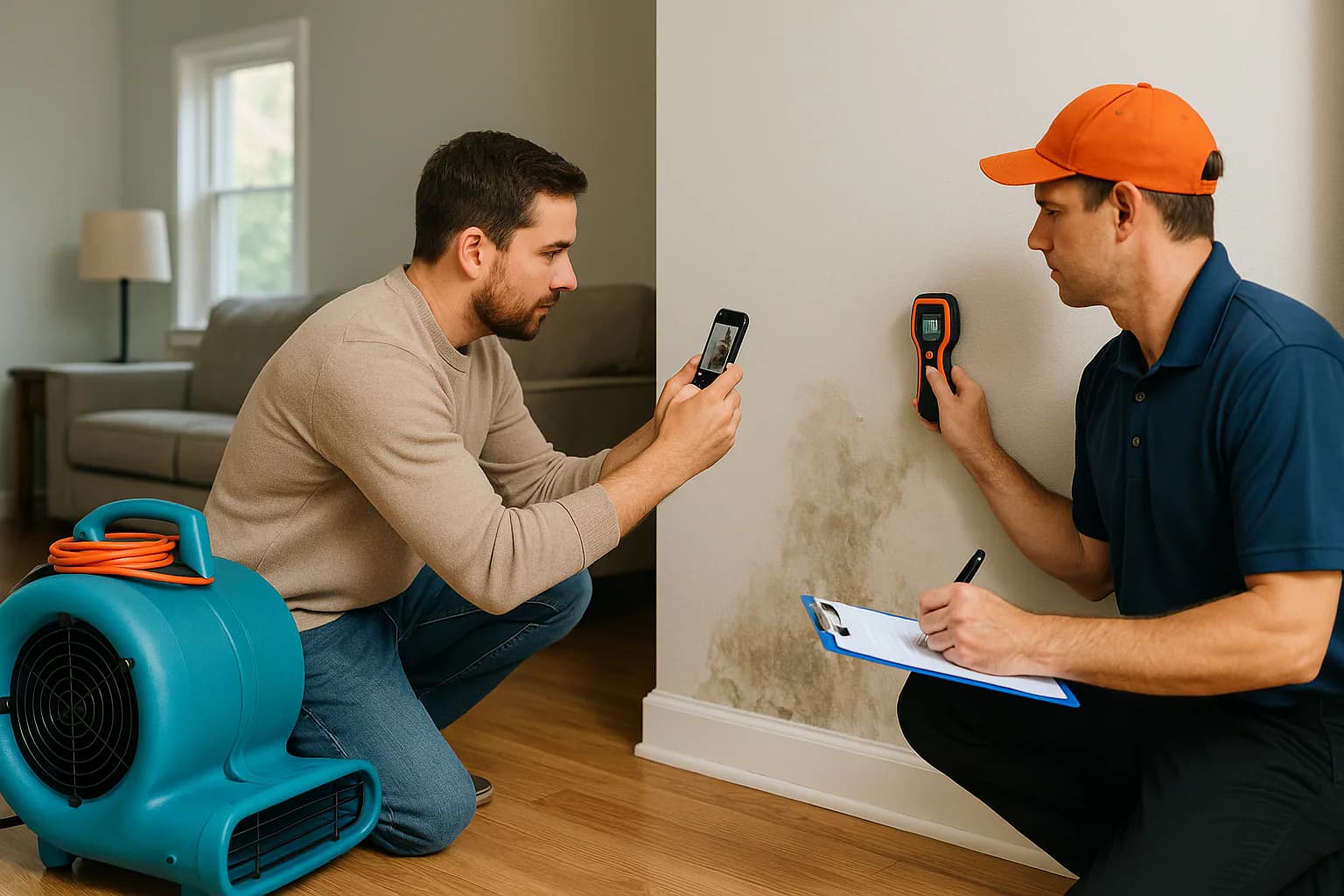
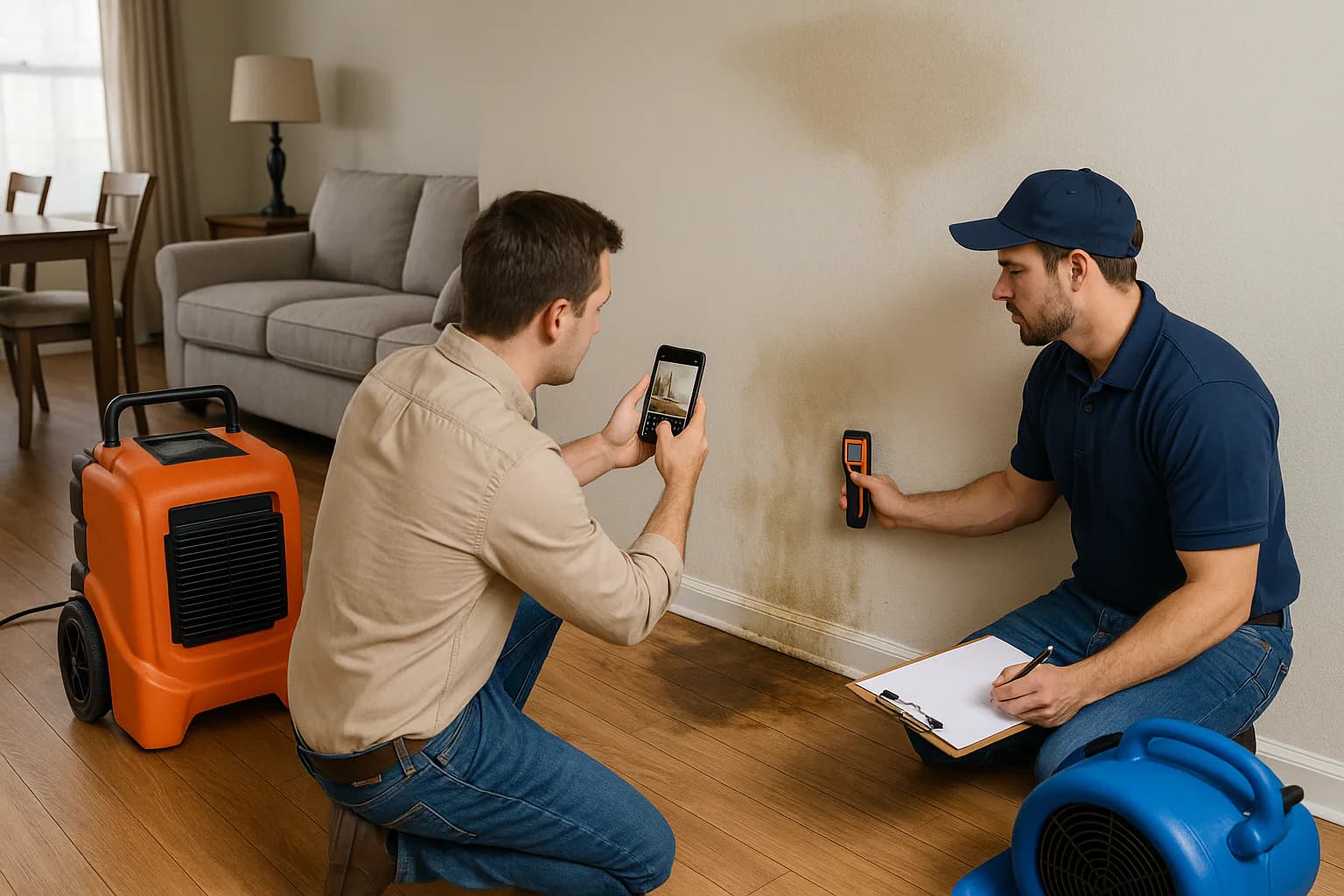
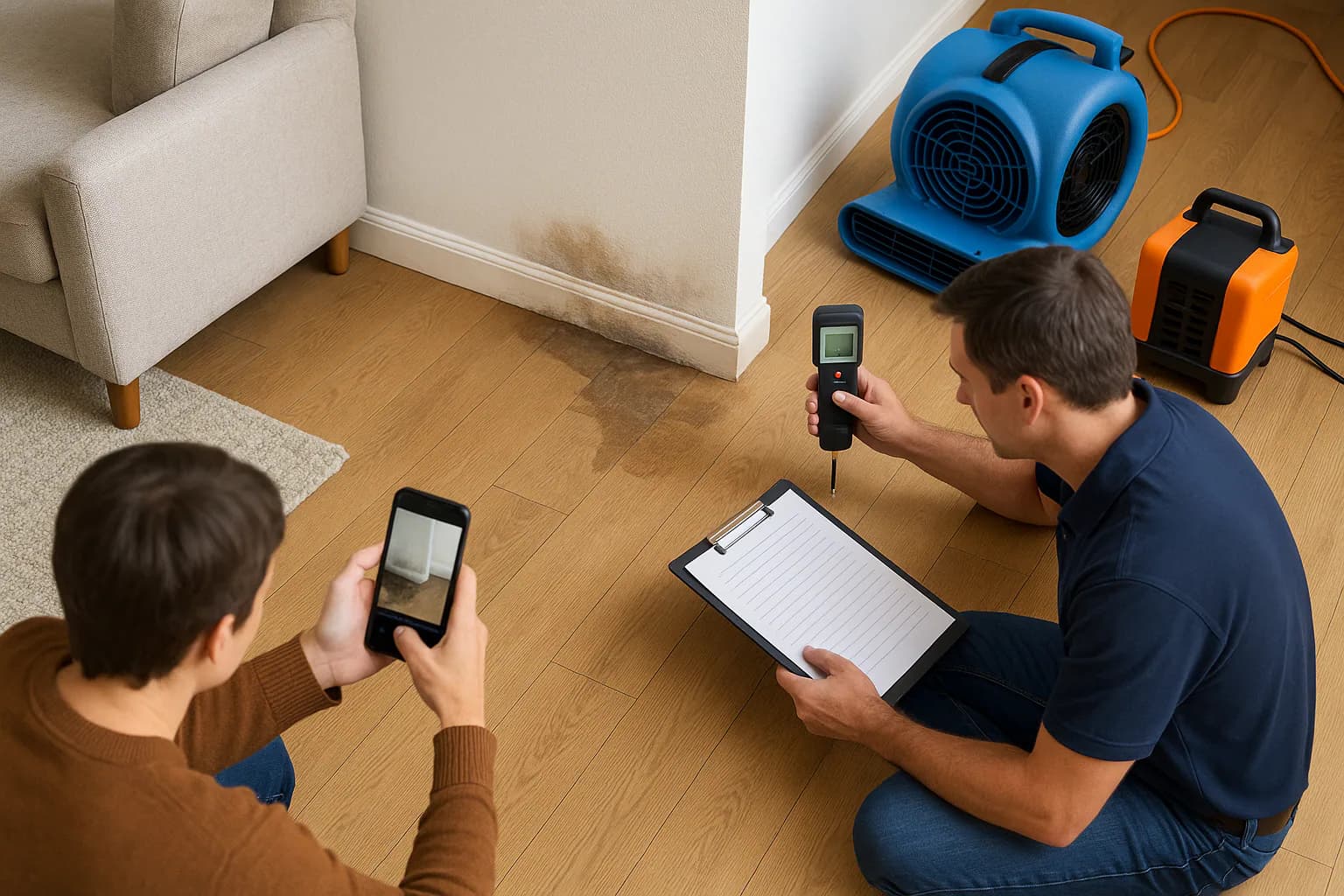
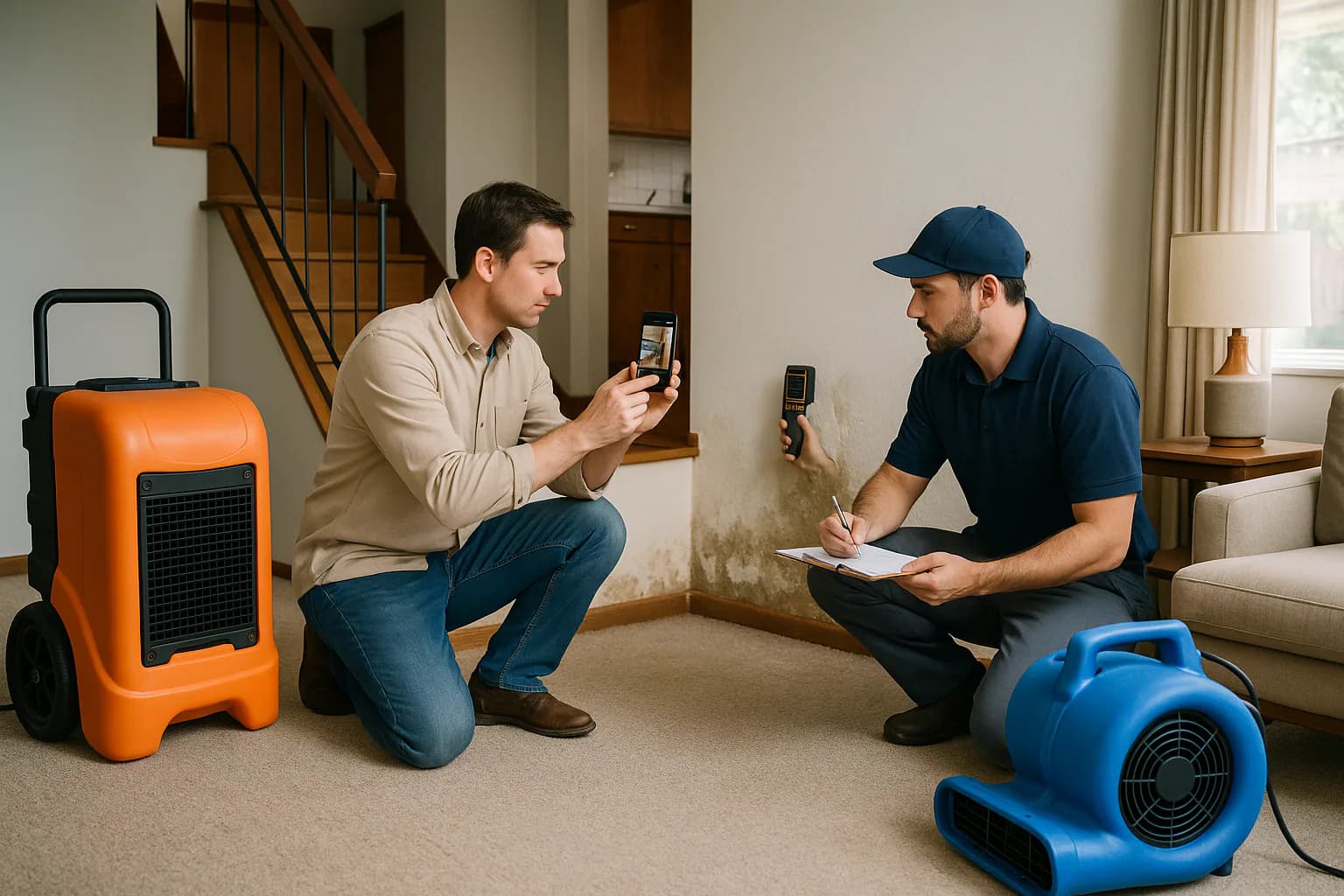
After a water loss, mitigation helps limit additional damage while the claim is under review. EPA guidance says wet or damp materials should be dried as soon as possible, and when possible within about 24 to 48 hours, to reduce the conditions that allow mold to grow. Depending on the loss, local restoration professionals may use extraction, drying, moisture checks, and removal of materials that cannot be saved.
Thermal imaging can help screen for temperature patterns, but it does not prove moisture or mold by itself. Direct measurement and inspection are still needed to confirm conditions. Owners should also keep records of photos, moisture readings, equipment use, and any materials removed during mitigation.
Document the loss for the insurer
The NAIC recommends reporting the claim promptly, documenting damage, reviewing deductibles, and being prepared for adjuster meetings. Those steps help the insurer evaluate the loss and the policy terms that apply.
Useful records may include before-and-after photos, inventories of damaged items, repair estimates, receipts, and notes from conversations with the insurer or restoration professionals. Keeping the documentation organized can make it easier to answer follow-up questions during the claim review.
Mold and moisture control
Mold-related decisions should stay focused on moisture control. EPA guidance emphasizes prompt drying and reducing indoor dampness, because wet building materials create the conditions that allow mold to grow. That does not support mold will not develop, but it supports better cleanup decisions after a water event.
If materials are wet for too long or cannot be dried effectively, restoration professionals may recommend removal as part of the cleanup plan. The right approach depends on the material, the amount of water involved, and the condition of the property.
When to involve restoration professionals
Water restoration professionals can help with extraction, drying, monitoring, and sanitation work after a loss. In rental properties, that work is often coordinated with the owner, the tenant, and the insurer so the claim file reflects what was done and why.
Owners should avoid unnecessary exposure to standing water or energized equipment and should follow public-health guidance when water may be contaminated. For sewage or floodwater, safe handling and sanitation matter, and affected materials may need special cleanup decisions based on the conditions present.
A practical next-step checklist
- Review the landlord policy and note the cause of the loss, exclusions, and deductibles.
- Report the claim promptly and keep a record of who was contacted and when.
- Photograph the damage, damaged belongings, and any visible water source if it can be done safely.
- Save repair estimates, receipts, and notes from conversations with the insurer or restoration professionals.
- Arrange mitigation that fits the condition of the property and keep records of the work performed.
Coverage depends on the policy language and the facts of the loss. Owners should confirm the claim details with the insurer, document the damage carefully, and focus on prompt drying and safe cleanup decisions while the file is under review.
Why water claims deserve careful follow-through
Insurance Information Institute data shows that water damage and freezing claims are a regular part of property insurance losses, so a clear process matters. For rental owners, the goal is to preserve the property, reduce further damage, and give the insurer a complete record of what happened.
That approach does not support a particular claim outcome, but it can reduce confusion during review. When the cause, the damaged property, and the mitigation steps are well documented, the insurer has a clearer basis for evaluating the claim.
Water damage restoration services
Connect with water damage restoration pros
Landlords seeking qualified restoration professionals for water damage mitigation and repairs can connect with experienced local pros through Water Restoration Pros.
Call (833) 968-0848Frequently asked questions
Does landlord insurance cover water damage?
Does landlord insurance cover mold after a water leak?
What should landlords document after water damage?
Sources reviewed (5)
- Insurance Information Institute — Facts + Statistics: Homeowners and renters insurance: Industry statistics for water-damage and freezing claim frequency and homeowners loss categories.
- NAIC - What You Need to Know When Filing a Homeowners Claim: NAIC guidance on reporting a claim, documenting damage, deductibles, contractors, and adjuster meetings.
- NAIC - Consumer Homeowners Insurance: NAIC consumer information on homeowners coverage, exclusions, inventories, and policy review.
- U.S. EPA - A Brief Guide to Mold, Moisture and Your Home: EPA guidance on moisture control, prompt drying, indoor humidity, and mold cleanup decisions.
- U.S. EPA - Mold Course Chapter 2: EPA guidance to dry wet building materials within about 24 to 48 hours when possible.