If a burst pipe floods your home, immediate action is important. Shut off your main water valve as soon as possible to help stop the flow. Once the water is off, focus on protecting your belongings and minimizing further moisture exposure until assistance can be arranged.
A burst pipe can occur behind walls, under sinks, or in basements, and may not be noticed until significant water has escaped. Acting quickly, documenting the damage, and understanding when to involve a professional can help limit long-term issues. Here’s what to do after discovering a burst pipe.
Shut Off the Water and Control the Area
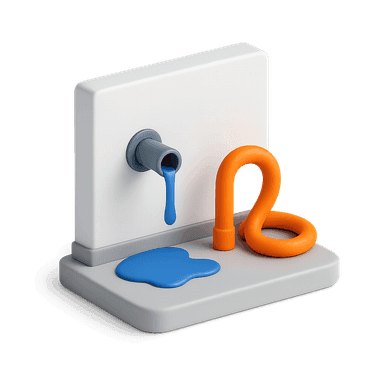
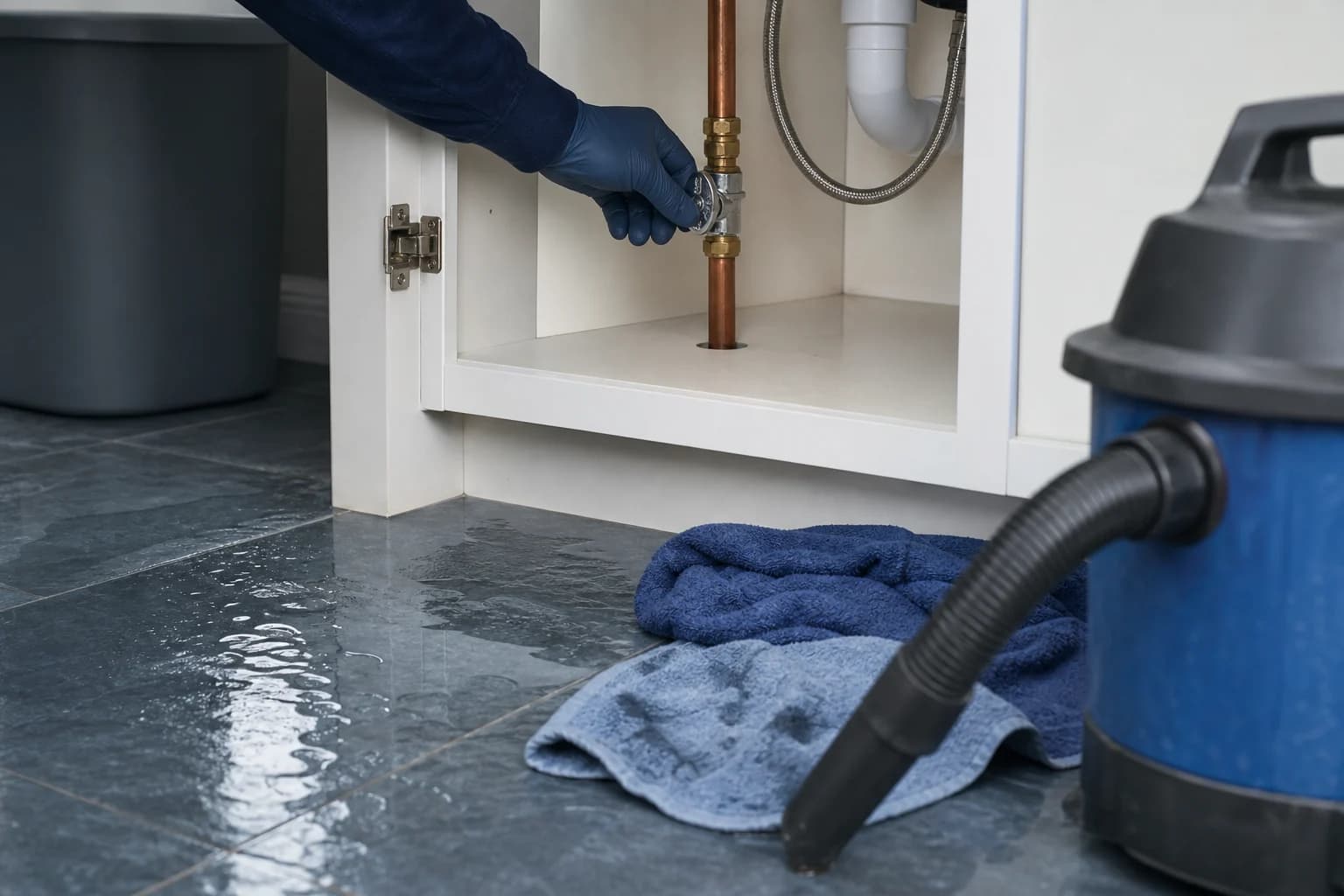
Stopping the flow of water is the first step. The longer water runs, the greater the risk to floors, walls, and contents. Locate your home’s main water shutoff valve, often found in a basement, crawl space, utility closet, or near the street. Knowing its location in advance allows for a faster response.
- 1
Turn off the main water valve
Quickly close the main valve to stop water from entering your home’s plumbing system. This limits additional water from escaping the burst pipe.
- 2
Relieve pressure from the pipes
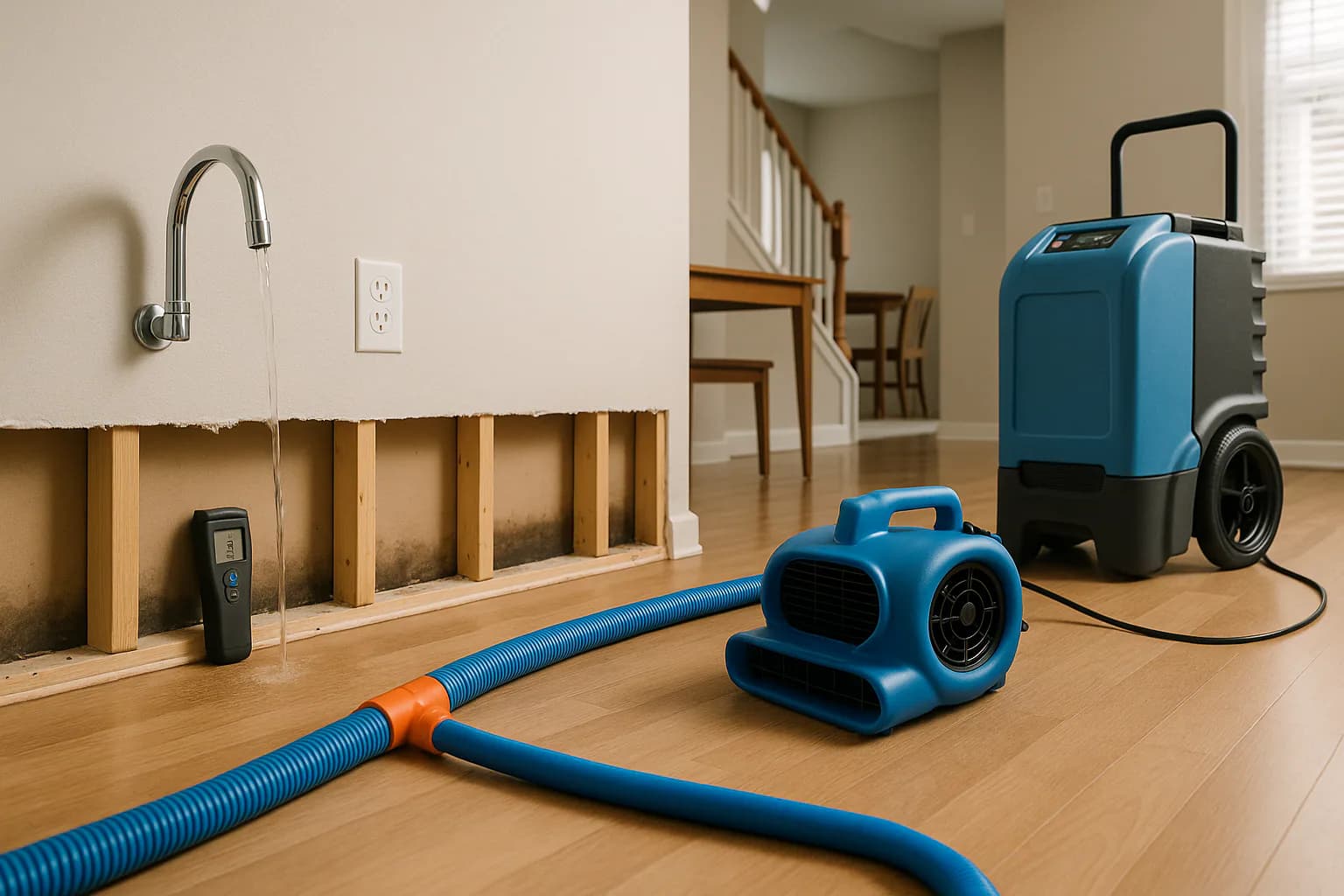
Open a cold-water faucet at a low point in your home to drain remaining water and reduce pressure on the plumbing.
- 3
Shut off the water heater if needed
If the burst is on a hot water line, shutting off the water heater can help prevent damage to the unit and additional leakage.
Electrical safety first
If water has reached outlets, appliances, or the electrical panel, do not attempt to access breakers or equipment through a wet area. Only shut off power to the affected area from a dry, safe location. Avoid entering standing water near electrical sources.
Assess Visible and Hidden Water Damage
Once the water is off and it is safe, look for signs of water migration. Obvious puddles, wet flooring, and soaked drywall are easy to spot, but water from a burst pipe can travel behind walls, under floors, and into insulation. Stains, bubbling paint, musty odors, or cold spots may suggest hidden moisture. These are clues, not proof, of dampness.
Thermal imaging devices can screen for temperature variations, which may indicate damp materials. However, these patterns should be confirmed with a reliable moisture meter or appropriate inspection, since not all cold or discolored areas mean there is water present. Restoration professionals may use these and other tools to map out moisture during an on-site assessment.
Limit Damage and Begin Cleanup
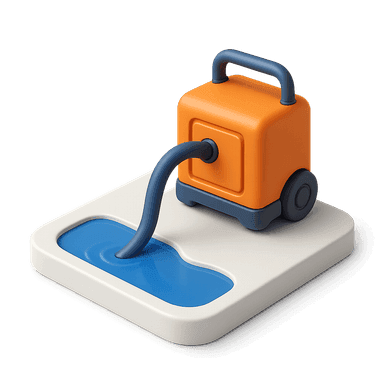
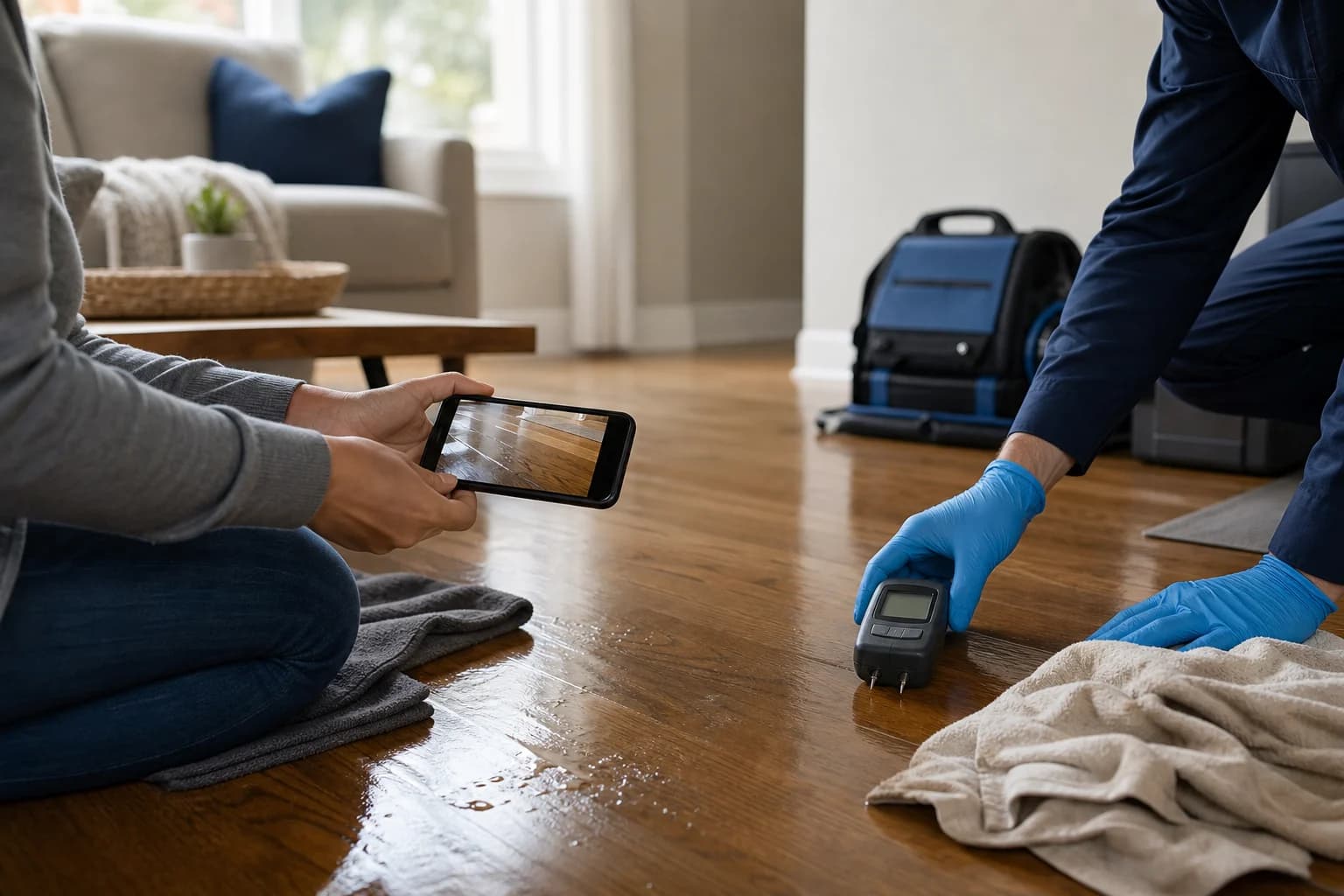
When it is safe to do so, begin protecting your belongings and addressing standing water. Move furniture, electronics, and valuables out of the affected area. Use towels, mops, or a wet vacuum to absorb standing water, working from the edges of the spill toward the center to avoid spreading moisture.
- Lift drapes, rugs, and cords off the floor.
- Place foil or wood blocks under furniture legs to help prevent staining.
- Open interior doors and closets to support air circulation where appropriate.
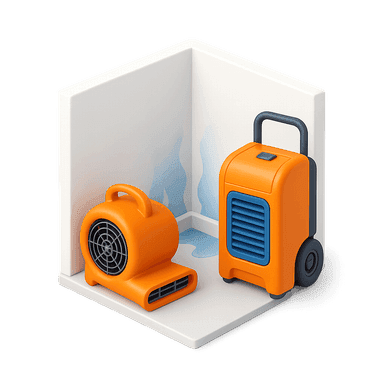
- Use dehumidifiers to reduce moisture in the air, if it is electrically safe and the water is not contaminated or sewage-related.
Do not use fans or create air movement if you suspect the presence of contaminated water, sewage, or visible or suspected mold, as this can spread contaminants. Do not attempt to remove sections of wall or flooring without understanding where the water has traveled. Some materials, such as insulation or certain flooring, may hold trapped moisture even after surface drying. If you suspect widespread or hidden moisture, a local restoration professional can perform a more thorough inspection.
Document Everything for Insurance and Repairs
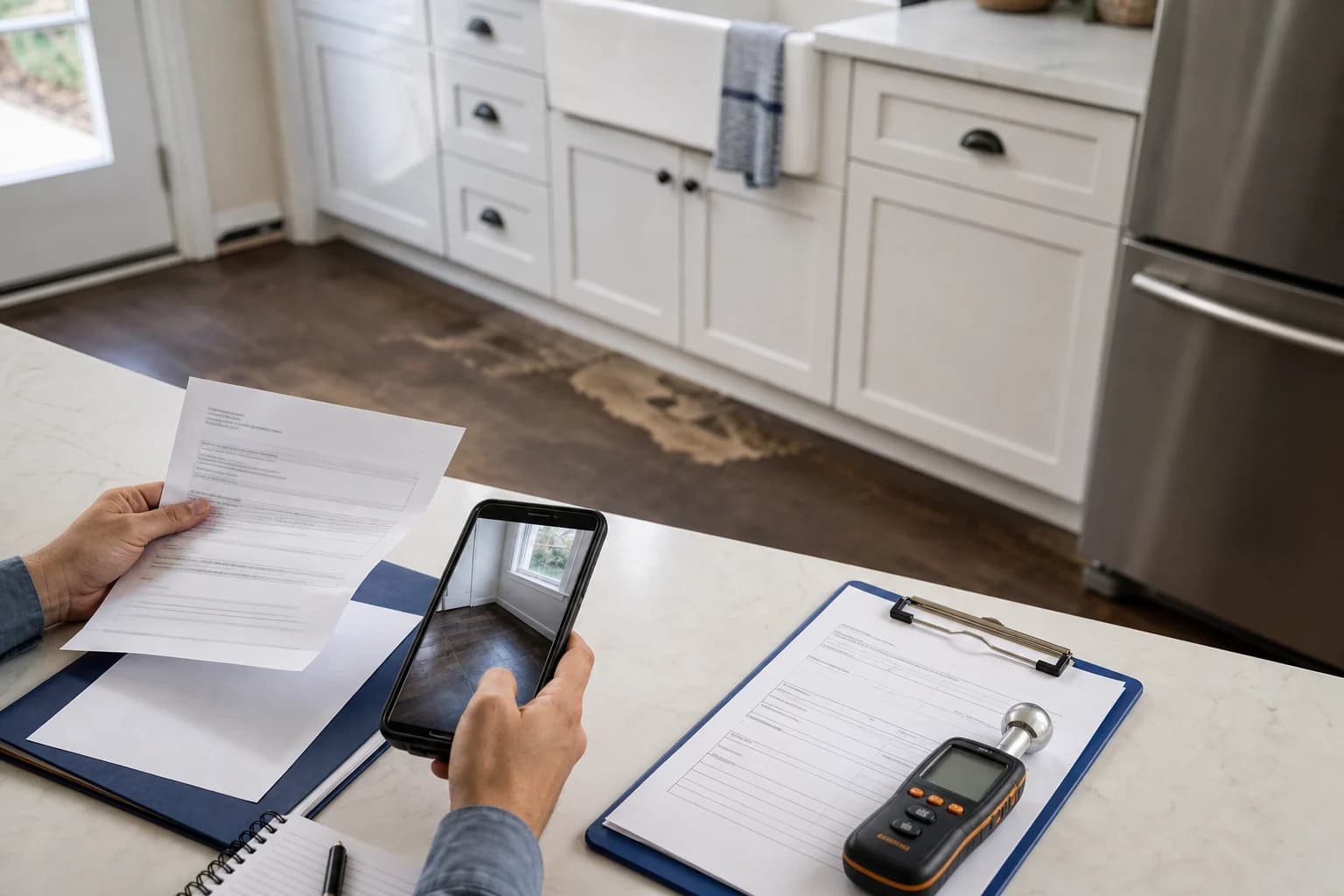
Before you begin significant cleanup, take clear photos and video of the burst pipe, water damage, and all affected areas. This documentation serves as a record for any insurance claim and helps restoration professionals understand the initial scope. Capture both close-ups and wide shots, including damaged personal property.
Keep a record of steps taken, such as when the water was shut off and what actions were performed. Insurance coverage for burst pipes depends on the cause and the details of your policy. Claims for sudden, accidental events may be treated differently than those for gradual leaks, so thorough documentation supports discussions with your insurance provider.
Decide When to Involve a Restoration Professional
Not every burst pipe requires professional intervention, but certain situations warrant an on-site assessment. If water has traveled behind walls, beneath flooring, or into areas that cannot be fully dried with household equipment, specialized extraction and drying may be needed. Fast, thorough drying reduces the conditions that allow mold to grow, according to EPA guidance.
Restoration professionals can also help when water is contaminated, such as from a pipe that carried waste or if the burst occurred in an area with potential hazards. Local pros may use moisture meters, thermal imaging, and professional-grade drying equipment to address hidden and persistent moisture. The EPA recommends drying wet materials within 24-48 hours when possible to help limit long-term moisture issues.
Common Mistakes to Avoid After a Pipe Burst
Rushing into cleanup without considering safety is a common mistake. Do not touch electrical sources or plugs if water is present. Another pitfall is assuming that surface drying is enough—moisture may linger behind walls and within materials. Skipping documentation or discarding damaged items before taking photos can complicate insurance claims.
Do not use heat sources like ovens or open flames to dry wet areas, as this can be unsafe. Avoid adding household chemicals to wet areas unless instructed by a professional. When in doubt, seek advice from a qualified restoration professional who can assess the unique conditions in your home and recommend appropriate next steps.
Get the Right Help for a Burst Pipe
Dealing with a burst pipe right now?
Call Water Restoration Pros to get connected with burst pipe cleanup professionals fast. This service connects you with help that serves your area.
Call (833) 968-0848Frequently asked questions
What should I do first when a pipe bursts?
Can I dry out water damage myself after a burst pipe?
When should I call a restoration professional after a burst pipe?
Sources reviewed (3)
- U.S. EPA WaterSense - Leak Detection and Flow Monitoring Devices: EPA guidance on identifying unexpected moisture, irregular water use, and household leaks.
- U.S. EPA - A Brief Guide to Mold, Moisture and Your Home: EPA guidance on moisture control, hidden dampness, indoor humidity, and drying wet materials within 24-48 hours.
- U.S. EPA - Flooded Home: EPA guidance on safety, cleanup, moisture control, and drying after a home is flooded.