What you may notice
Standing water is gone but materials are still wet
Drywall, framing, subfloor, or flooring holds moisture
A crawlspace or wall cavity stayed damp after water damage
You need to confirm materials are dry before repairs begin
Water Damage Service
Removing standing water is only half the job. Structural drying pulls the moisture out of framing, drywall, and flooring so materials reach a dry, stable state. Water Restoration Pros helps property owners connect with structural drying help.
Service overview
Structural drying help that uses air movers, dehumidifiers, and moisture monitoring to dry the building itself.
Recognize the problem
Start with what you can safely observe. The source, the type of water, and the materials affected determine the response after an on-site assessment.
Standing water is gone but materials are still wet
Drywall, framing, subfloor, or flooring holds moisture
A crawlspace or wall cavity stayed damp after water damage
You need to confirm materials are dry before repairs begin
Water damage that soaked into structural materials
Moisture trapped behind walls and under floors
Damp crawlspaces and slow-drying below-grade spaces
Incomplete drying after a previous water event
Why timing changes the outcome
Trapped moisture creates the conditions that allow mold to grow. Repairs over wet materials can fail or trap the moisture in.
Monitoring confirms drying instead of guessing by feel.
In-depth guidance
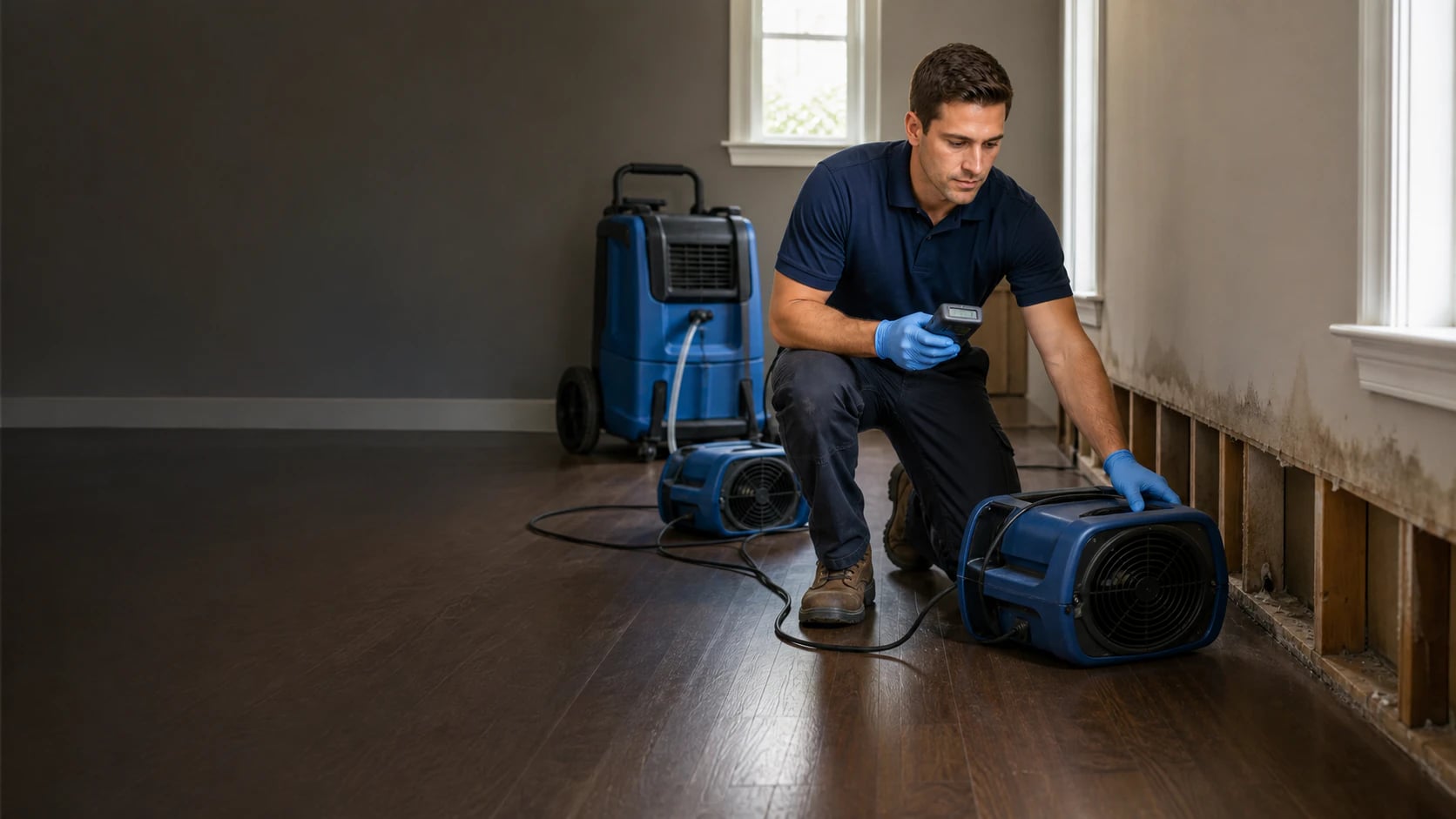
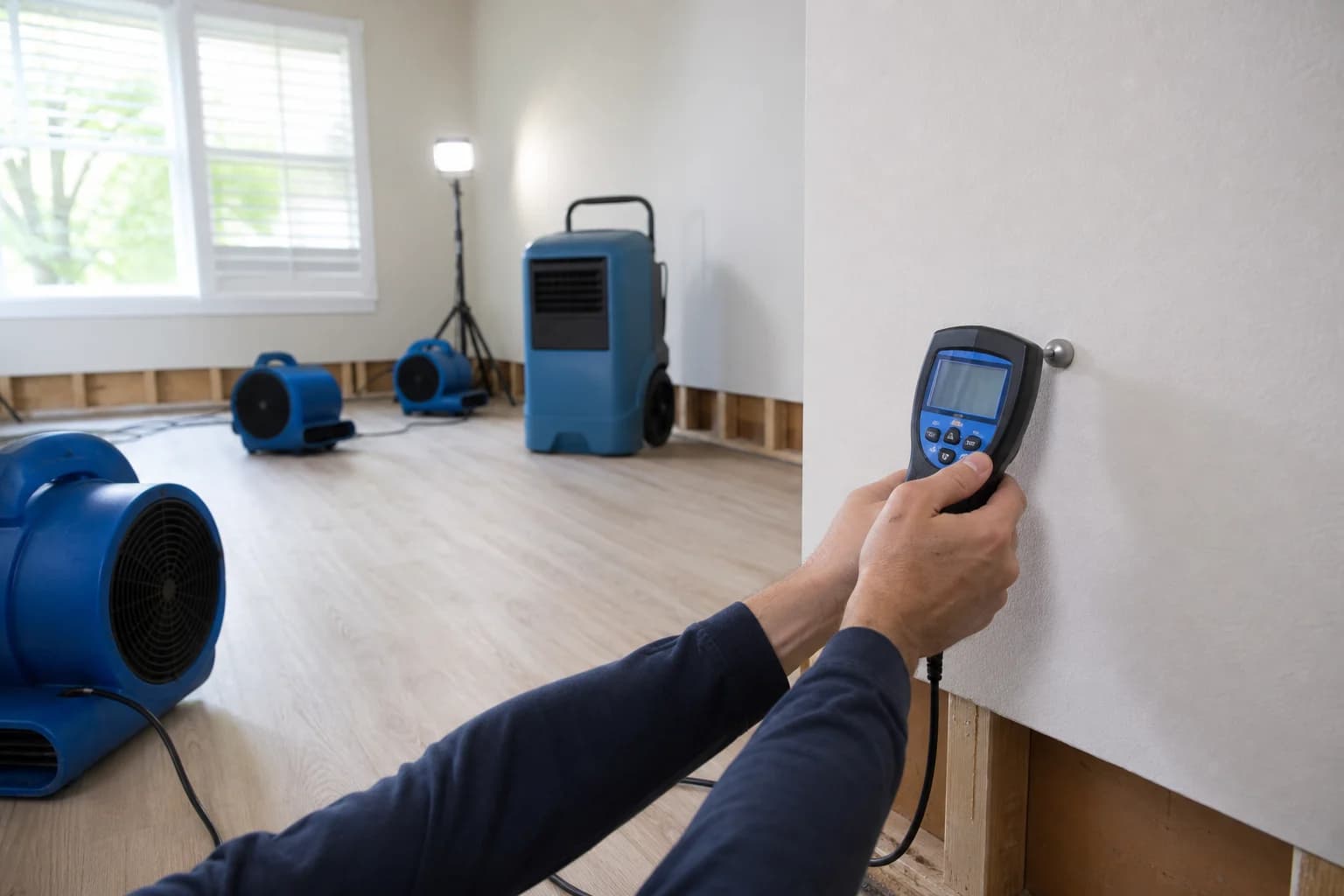
Structural drying is a controlled process. Air movers speed evaporation off wet surfaces, dehumidifiers remove that moisture from the air, and moisture meters confirm progress so the work continues until materials are genuinely dry.
Skipping the monitoring step is how trapped moisture gets sealed inside walls, which leads to odor, warping, and mold conditions down the road.
Structural drying involves achieving specific moisture content levels to ensure the integrity of materials. Professionals use moisture meters to set targets and monitor progress. Daily readings help assess the drying process, ensuring that moisture levels fall within safe thresholds.
Equipment like dehumidifiers and air movers is essential for maintaining controlled drying conditions. These tools remain in use until the moisture content reaches predetermined levels. Removing equipment too early can lead to incomplete drying and potential mold growth.
The use of specialized equipment ensures that each affected area is thoroughly dried, reducing the risk of future issues. By adhering to moisture targets, professionals help protect the structure's integrity and prevent further damage.
The cost of structural drying is based on equipment usage and monitoring, not just the area size. This method ensures thorough drying by accounting for the time and resources needed to achieve optimal results.
Equipment-days refer to how long drying tools, like dehumidifiers and air movers, operate to remove moisture. Monitoring involves daily inspections and adjustments to the drying strategy as needed. This comprehensive approach ensures effective moisture control.
Pricing by equipment-days and monitoring reflects the complexity and variability of each drying situation. It accounts for factors like water contamination level and the drying environment, providing a tailored response to each incident.
Cost and scope
Structural drying cost is driven by the area and materials involved, the number of air movers and dehumidifiers, the days of drying, accessibility, and the monitoring required. Understand the factors, then connect with a pro for an accurate assessment.
A written estimate should connect each charge to the source, affected materials, access, contamination conditions, drying work, and repairs found during the assessment.
National planning range
Standard residential planning range
$1,250-$2,550 per project
Resolved from the approved Water Restoration Pros pricing methodology and standardized scope.
Cost ranges are estimates developed from standardized project scopes and reviewed pricing inputs. Government labor and regional cost data are used where applicable. See our Pricing Methodology for the exact sources, calculations, and review date. Actual prices vary by property, scope, materials or equipment, location, and provider.
How much square footage got wet, and what kind of materials, drives the scope. Dense materials like hardwood, plaster, and concrete hold moisture and take longer to dry than drywall or carpet.
Larger or wetter areas need more air movers and dehumidifiers running at once. The size of that equipment setup is a core part of the cost.
Drying is measured in days, not hours. A lightly affected room may dry in a few days, while saturated or dense materials can take longer, extending the timeline.
Open rooms dry more predictably than wall cavities, crawl spaces, and below-grade areas, which can need specialized equipment and more time to reach full dryness.
Professional response
The exact scope changes with the water source and affected materials, but a measured restoration response generally moves through three phases.
Assess and stabilize
Use moisture meters to find where water is still trapped in materials and cavities.
Position air movers to move air across wet surfaces and speed evaporation.
Remove and dry
Run dehumidifiers to pull the evaporated moisture out of the air so materials keep drying.
Open or remove materials where moisture is trapped and cannot escape otherwise.
Verify and recover
Track moisture readings daily until materials reach a dry, stable target.
Use moisture meters to find where water is still trapped in materials and cavities.
Position air movers to move air across wet surfaces and speed evaporation.
Run dehumidifiers to pull the evaporated moisture out of the air so materials keep drying.
Open or remove materials where moisture is trapped and cannot escape otherwise.
The answer should be specific to the property and reflected in the written scope.
The answer should be specific to the property and reflected in the written scope.
The answer should be specific to the property and reflected in the written scope.
Before help arrives
Only take steps you can complete safely. Leave the area and wait for qualified help if there is an electrical, structural, or contamination risk.
Make sure standing water has been removed first.
Improve airflow to wet areas if it is safe to do so.
Avoid sealing or covering wet materials.
Hold off on repairs until materials are confirmed dry.
Call to connect with structural drying help.
These are general precautions for structural drying; conditions at the property determine what is safe and appropriate.
Choose a state on the map or open its city directory to find structural drying pages for your area.
Structural Drying in California
View state pageStructural Drying in Connecticut
View state pageStructural Drying in Delaware
View state pageStructural Drying in Florida
View state pageStructural Drying in Georgia
View state pageStructural Drying in Illinois
View state pageStructural Drying in Kansas
View state pageStructural Drying in Louisiana
View state pageStructural Drying in Maine
View state pageStructural Drying in Michigan
View state pageStructural Drying in Mississippi
View state pageStructural Drying in Montana
View state pageStructural Drying in Nebraska
View state pageStructural Drying in New Hampshire
View state pageStructural Drying in New Mexico
View state pageStructural Drying in New York
View state pageStructural Drying in North Carolina
View state pageStructural Drying in North Dakota
View state pageStructural Drying in Oklahoma
View state pageStructural Drying in Pennsylvania
View state pageStructural Drying in Rhode Island
View state pageStructural Drying in South Dakota
View state pageStructural Drying in Vermont
View state pageStructural Drying in West Virginia
View state pageStructural Drying in Wyoming
View state pageThese sources support restoration, safety, moisture, cleanup, and scope guidance. They do not serve as numeric pricing provenance.
Explore the service path
Other ways we help after water damage.
 DehumidificationControlled moisture removal from the air with commercial dehumidifiers.View dehumidification
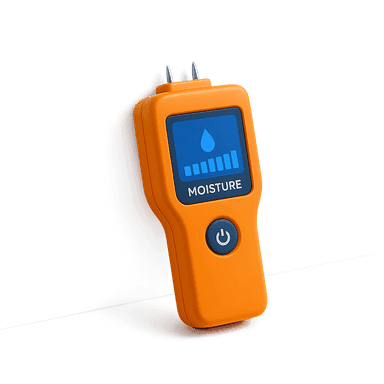 Moisture DetectionFinding hidden moisture behind walls, under floors, and in cavities.View moisture detection
 Water ExtractionEquipment-driven extraction of water from carpet, padding, and flooring.View water extraction
 Water Damage RestorationWhole-home help after leaks, flooding, wet materials, and standing water.View water damage restoration
 Drying & Restoration
Structural drying times vary by situation. Here are the factors that influence how long it takes and why patience during this phase protects your home.
Read guide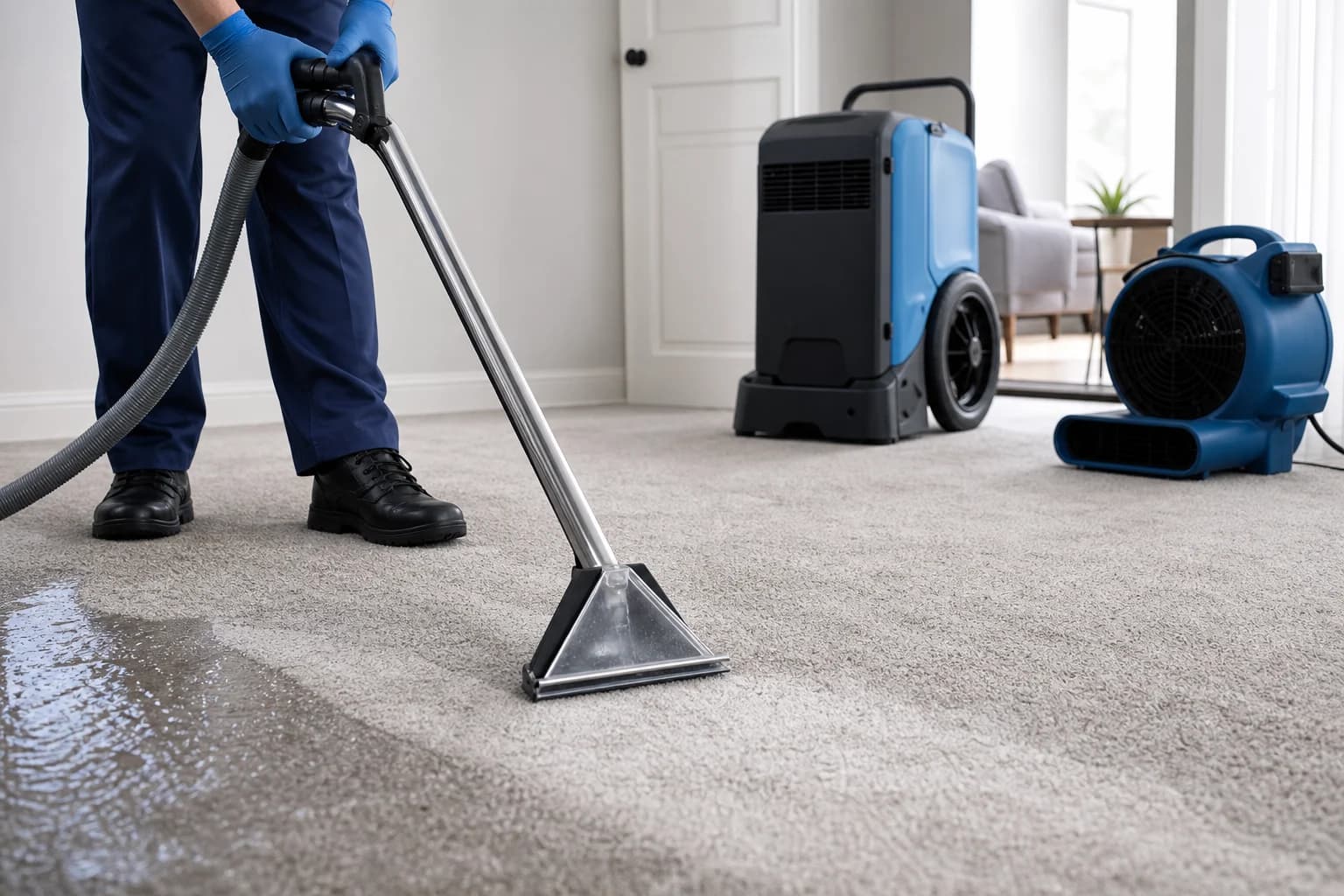 Drying & Restoration
Water extraction and restoration are two distinct phases of recovery. Here is what each one involves and why your home typically needs both after water damage.
Read guide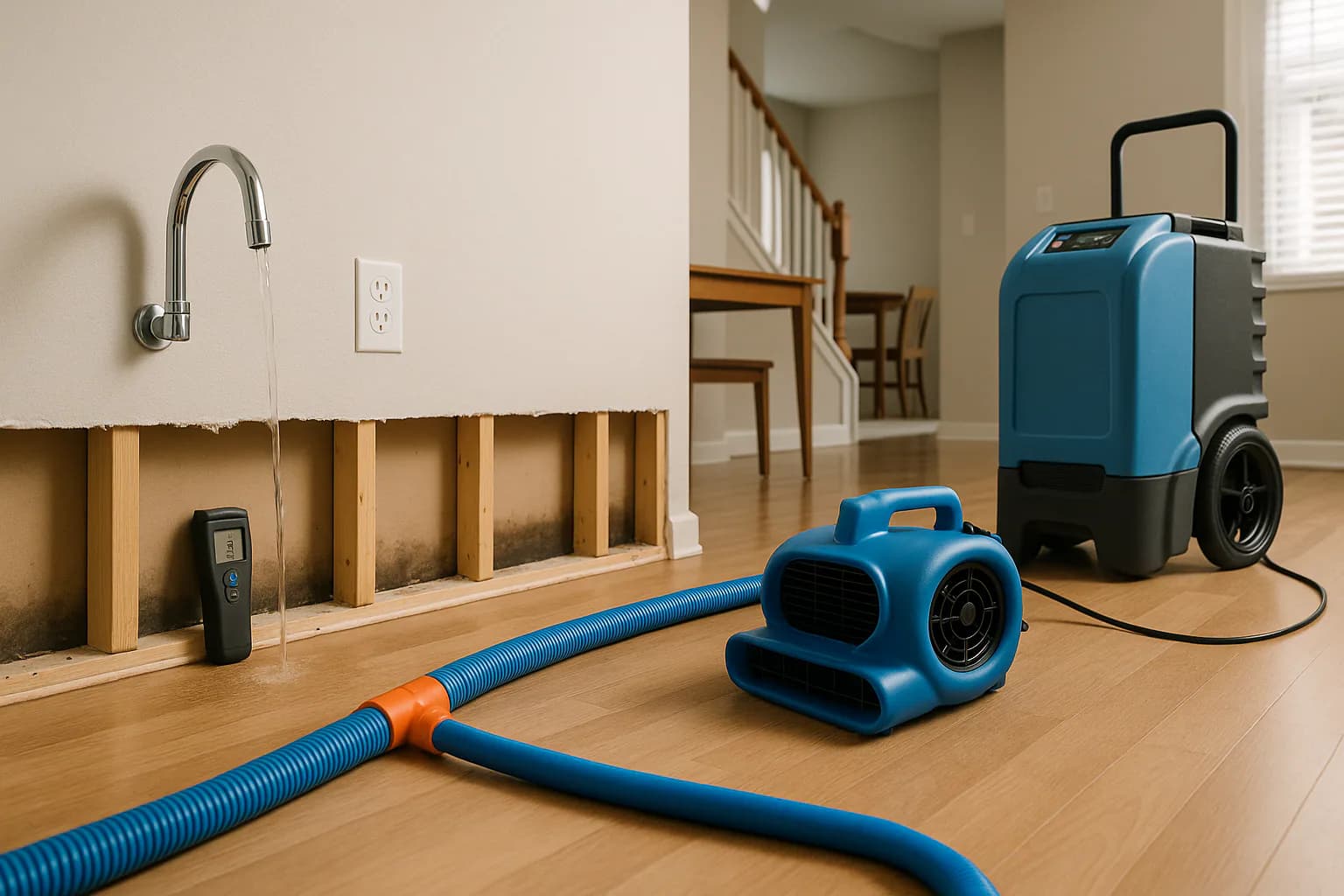 Drying & Restoration
Some wet drywall can be dried in place, while other situations call for removal. Here's how the decision is typically made and what signs to watch for.
Read guideCall Water Restoration Pros to connect with structural drying help in your area.
Call (833) 968-0848 · No-obligation · Availability varies by area