Skip to content
Water Restoration Pros

Water Damage Service

Water Mitigation

The hours right after water gets in decide how much you lose. Water mitigation is the work that stabilizes the situation, stops the spread, and limits further damage before full restoration starts. Water Restoration Pros helps property owners connect with water mitigation help.

Service overview

Water mitigation help that stops the spread, removes water, and protects materials so the loss does not get worse before restoration begins.

Recognize the problem

Does this situation call for water mitigation?

Start with what you can safely observe. The source, the type of water, and the materials affected determine the response after an on-site assessment.

What you may notice

Water just got in and you need to keep the damage from spreading

A leak or flood is soaking floors, walls, or belongings right now

You want the bulk of the water out before materials are ruined

You need the situation stabilized and documented before restoration starts

You are not sure how far the water has traveled and want it contained

How it commonly starts

Burst or leaking pipes and failed supply lines

Appliance failures such as water heaters, washers, and dishwashers

Storm intrusion, roof leaks, and rising water

Sewage or drain backups that need careful handling

Overflowing fixtures and sump pump failures

Why timing changes the outcome

Acting fast limits how much flooring, drywall, and insulation is lost.

Standing water keeps wicking into materials that still look dry. Stabilizing early creates the conditions that help prevent mold.

Clear documentation at the start supports an insurance claim later.

In-depth guidance

What to know about water mitigation

Mitigation vs restoration: what each one does

Water mitigation and water restoration are two stages of the same recovery. Mitigation is the urgent first stage that limits further damage: stop the source, get the water out, remove what cannot be saved, and start drying so the loss stops growing. It is about protecting what is left.

Restoration is the stage that follows once the area is stable and dry. Restoration repairs and rebuilds what was damaged to return the property to its pre-loss condition. Mitigation keeps the problem from getting worse; restoration puts the property back together.

The mitigation checklist pros work through in the first visit

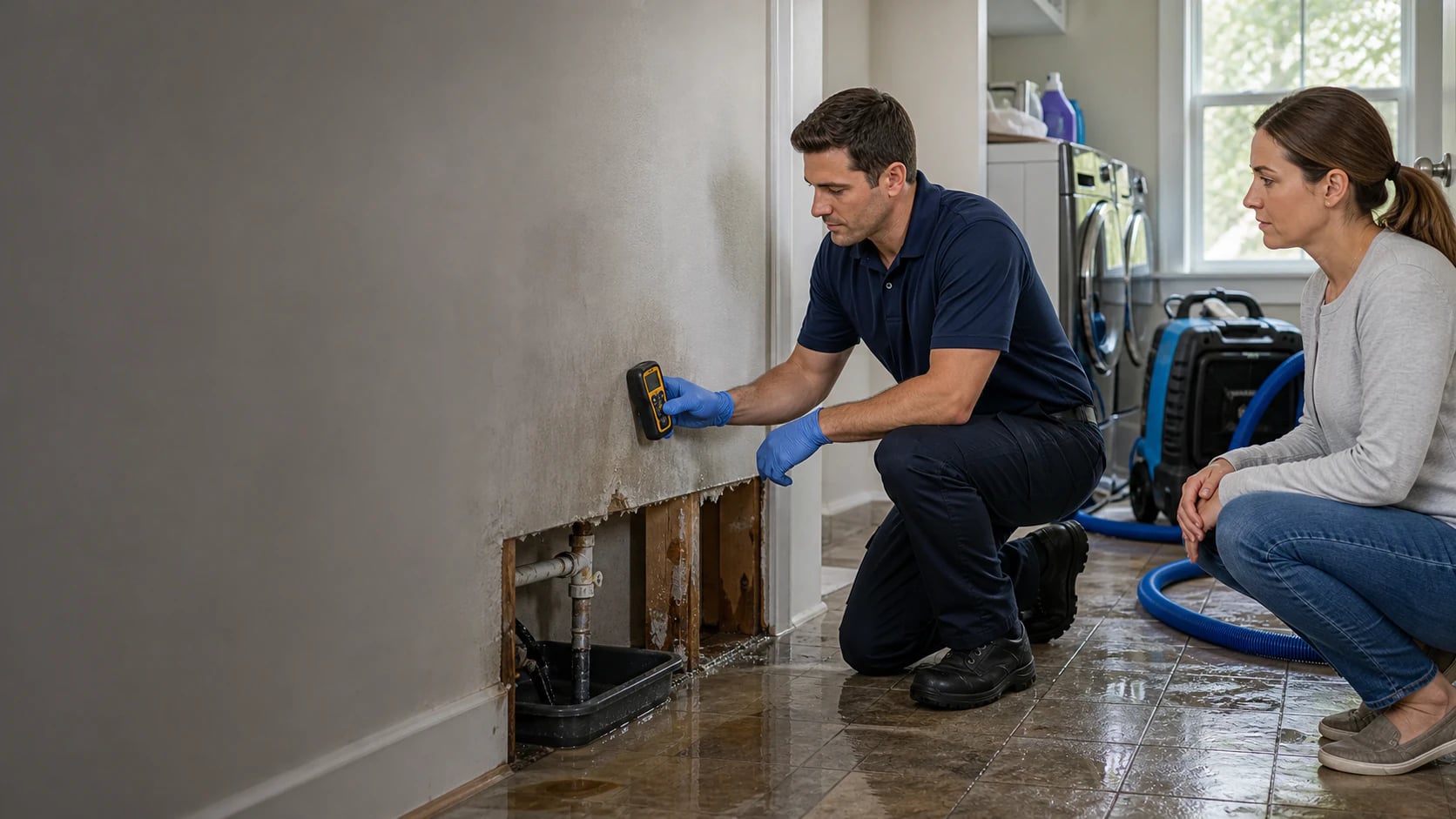
When arriving at a property, restoration professionals conduct a thorough assessment to identify the source and extent of the water damage. They categorize the water involved, whether it's clean, gray, or contaminated, as this influences the mitigation approach. Identifying whether the water is Category 1, 2, or 3 is crucial for safety and cost estimation.

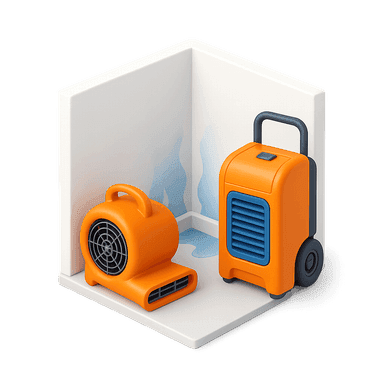
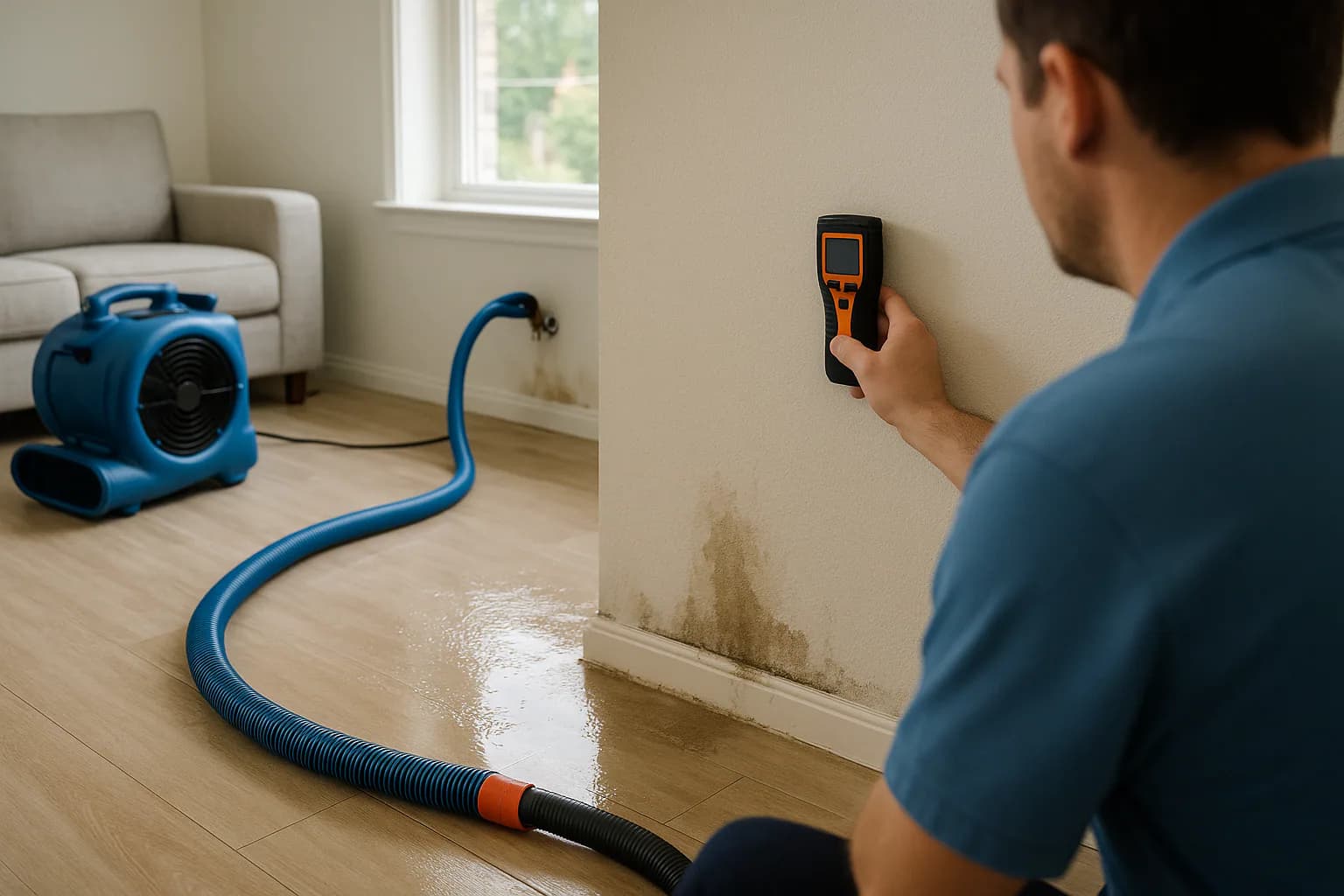
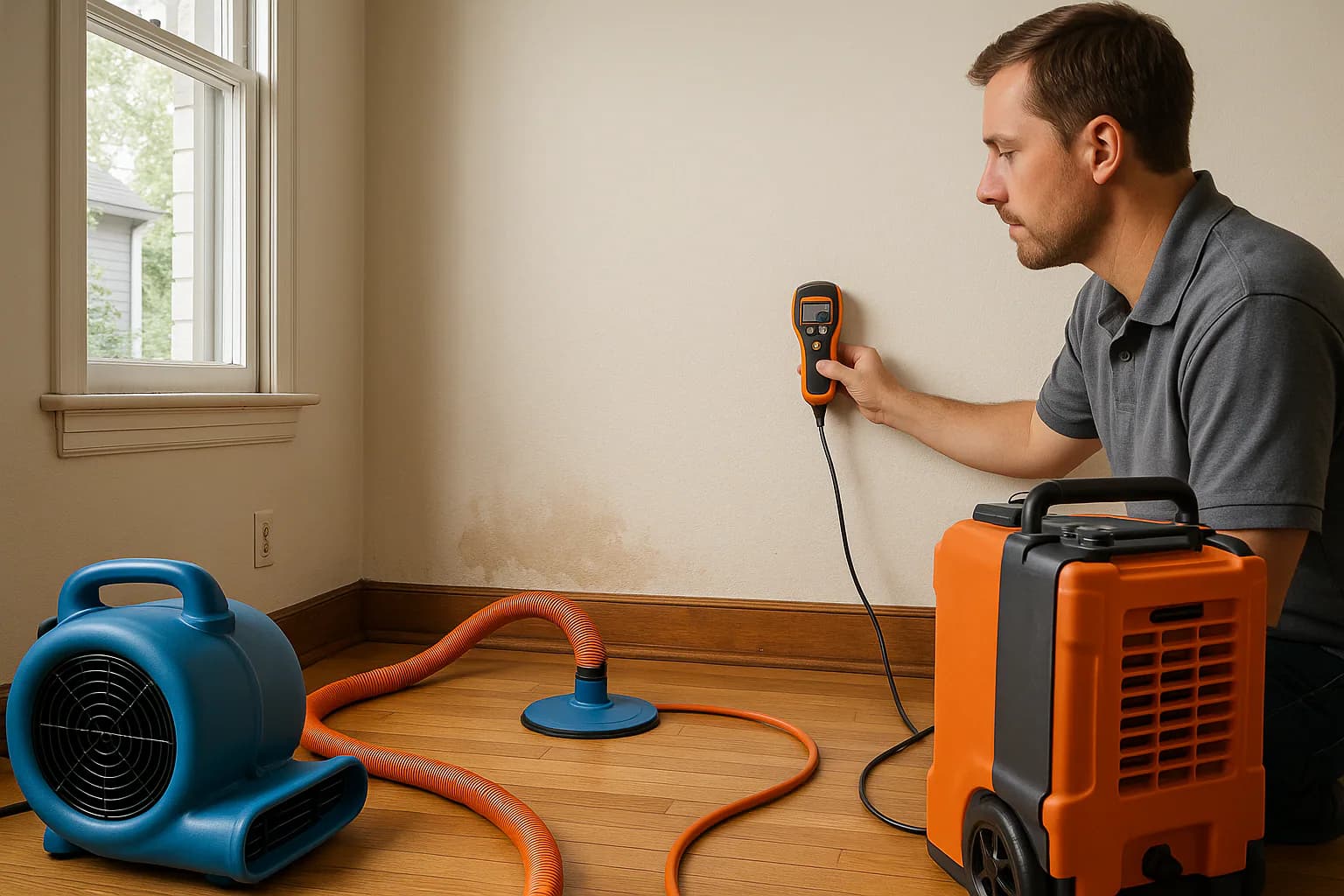
Once the assessment is complete, pros prioritize water extraction to remove standing water. This step is essential to prevent further damage. Following extraction, they set up drying equipment like dehumidifiers and air movers to reduce moisture levels quickly, minimizing the risk of mold growth. The goal is to dry wet materials within 24–48 hours to avoid mold development.

Finally, professionals evaluate structural components and contents. They decide what can be salvaged and what needs removal. Throughout the process, they ensure that any necessary sanitation of the affected area is performed, especially if black water is involved.
How mitigation decisions get documented for insurance

Documentation is a critical part of the mitigation process, especially for insurance purposes. Restoration professionals take detailed notes and photographs of the damage, capturing the extent and nature of the water intrusion. This documentation helps in communicating the situation to insurance providers.

Professionals also keep records of the mitigation steps taken, including the timeline and equipment used. This not only supports insurance claims but also ensures transparency in the restoration process. Combining detailed records with photographic evidence provides a comprehensive picture of the damage and actions taken.

For homeowners, sharing this documentation with their insurance adjuster can facilitate the claims process. Insurance coverage depends on the cause of the water damage and the terms of the policy, making thorough documentation essential for potential claim approval.

Cost and scope

What affects water mitigation cost

Water mitigation cost is driven by how fast the response begins, the category of water, the area and materials affected, and how much drying equipment and time the job needs. Understand the factors, then connect with a pro for an accurate assessment.

A written estimate should connect each charge to the source, affected materials, access, contamination conditions, drying work, and repairs found during the assessment.

National planning range

Standard residential planning range

$1,800-$3,750 per project

Resolved from the approved Water Restoration Pros pricing methodology and standardized scope.

Cost ranges are estimates developed from standardized project scopes and reviewed pricing inputs. Government labor and regional cost data are used where applicable. See our Pricing Methodology for the exact sources, calculations, and review date. Actual prices vary by property, scope, materials or equipment, location, and provider.

Speed of response

Mitigation works best when it starts quickly. The sooner extraction and drying begin, the less water spreads into walls, subfloors, and cavities, which usually keeps the overall scope smaller.

Water category

Clean water is the least complex to handle. Gray water and contaminated black water call for more careful handling, sanitation, and material removal, which adds to the scope.

Area and materials affected

A single wet room is very different from water that reached multiple rooms or levels. More affected square footage, and denser materials, means more extraction, drying, and labor.

Drying equipment and days

The number of air movers and dehumidifiers and how many days of monitoring are needed all factor in. Below-grade or slow-drying spaces extend the timeline.

Read the full water mitigation cost guide

Professional response

How the work moves from damage to a dry property

The exact scope changes with the water source and affected materials, but a measured restoration response generally moves through three phases.

Assess and stabilize

Assess the situation

Identify the source, the category of water, and how far moisture has already traveled into rooms and materials.

Stop the source

Confirm the leak or intrusion is shut off or contained so new water stops adding to the loss.

Remove and dry

Extract standing water

Use pumps and extraction equipment to pull the bulk of the standing water out quickly.

Remove unsalvageable materials

Take out saturated drywall, padding, or insulation that cannot be saved so trapped moisture can escape.

Verify and recover

Set drying equipment

Position air movers and dehumidifiers so the remaining materials can begin drying.

Monitor moisture

Track moisture readings over the following days to confirm materials are actually drying out.

What to expect from the first visit

Assess the situation

Identify the source, the category of water, and how far moisture has already traveled into rooms and materials.

Stop the source

Confirm the leak or intrusion is shut off or contained so new water stops adding to the loss.

Extract standing water

Use pumps and extraction equipment to pull the bulk of the standing water out quickly.

Remove unsalvageable materials

Take out saturated drywall, padding, or insulation that cannot be saved so trapped moisture can escape.

Questions to ask before approving the scope

How will the assessment document source control and containment?

The answer should be specific to the property and reflected in the written scope.

Which conditions determine whether water mitigation is the right service path?

The answer should be specific to the property and reflected in the written scope.

What work, specialist responsibilities, measurements, and completion records will be included in writing?

The answer should be specific to the property and reflected in the written scope.

Before help arrives

What you can do now

Only take steps you can complete safely. Leave the area and wait for qualified help if there is an electrical, structural, or contamination risk.

Stop the water at the source if you can reach it safely.

Shut off power to wet areas if water is near outlets or electrical.

Move valuables and electronics up and out of the water.

Photograph and video the water and damage before anything is moved.

Call to connect with water mitigation help.

These are general precautions for water mitigation; conditions at the property determine what is safe and appropriate.

Frequently asked questions

What is water mitigation?
Water mitigation is the urgent first stage of recovery after water gets in. It stops the source, removes standing water, takes out materials that cannot be saved, and starts drying, all to limit further damage before full restoration begins.
How is water mitigation different from restoration?
Mitigation limits further damage and stabilizes the situation right after the loss. Restoration is the later stage that repairs and rebuilds to return the property to its pre-loss condition. Mitigation comes first and happens fast.
What affects the cost of water mitigation?
It varies with how much water was involved, how far it spread, which materials are affected, and the category of water. No one can quote it accurately over the phone, so the pros you connect with assess the actual loss before discussing cost.
Should I document the damage for insurance?
Yes. Photos and video of the water and damaged materials before anything is moved help support a claim. Coverage depends on the cause and your specific policy, so review your policy and ask your insurer what is needed.
What should homeowners do immediately after discovering water damage?
Homeowners should first ensure safety by turning off electricity in affected areas. Next, contact restoration professionals for an assessment. Document the damage with photos and notes, and notify the insurance company to start the claims process.
How long does water mitigation typically take?
The duration of water mitigation depends on the extent of the damage and water category. Generally, the process can take a few days to weeks, including drying time. Professionals aim to complete mitigation efficiently to minimize further damage and associated costs.

Water Mitigation by state

Choose a state on the map or open its city directory to find water mitigation pages for your area.

Technical and safety sources (4)

These sources support restoration, safety, moisture, cleanup, and scope guidance. They do not serve as numeric pricing provenance.

Need help with water mitigation?

Call Water Restoration Pros to connect with water mitigation help in your area.

Call (833) 968-0848 · No-obligation · Availability varies by area

(833) 968-0848Check