Cost Guide
Water Extraction Cost: What Affects the Price
Water extraction is the time-sensitive step of pulling standing water out of a property, and its cost depends on how much water there is, where it sits, and what it touched. There is no single price for it. Water Restoration Pros connects you with professionals who can assess the situation and act fast.
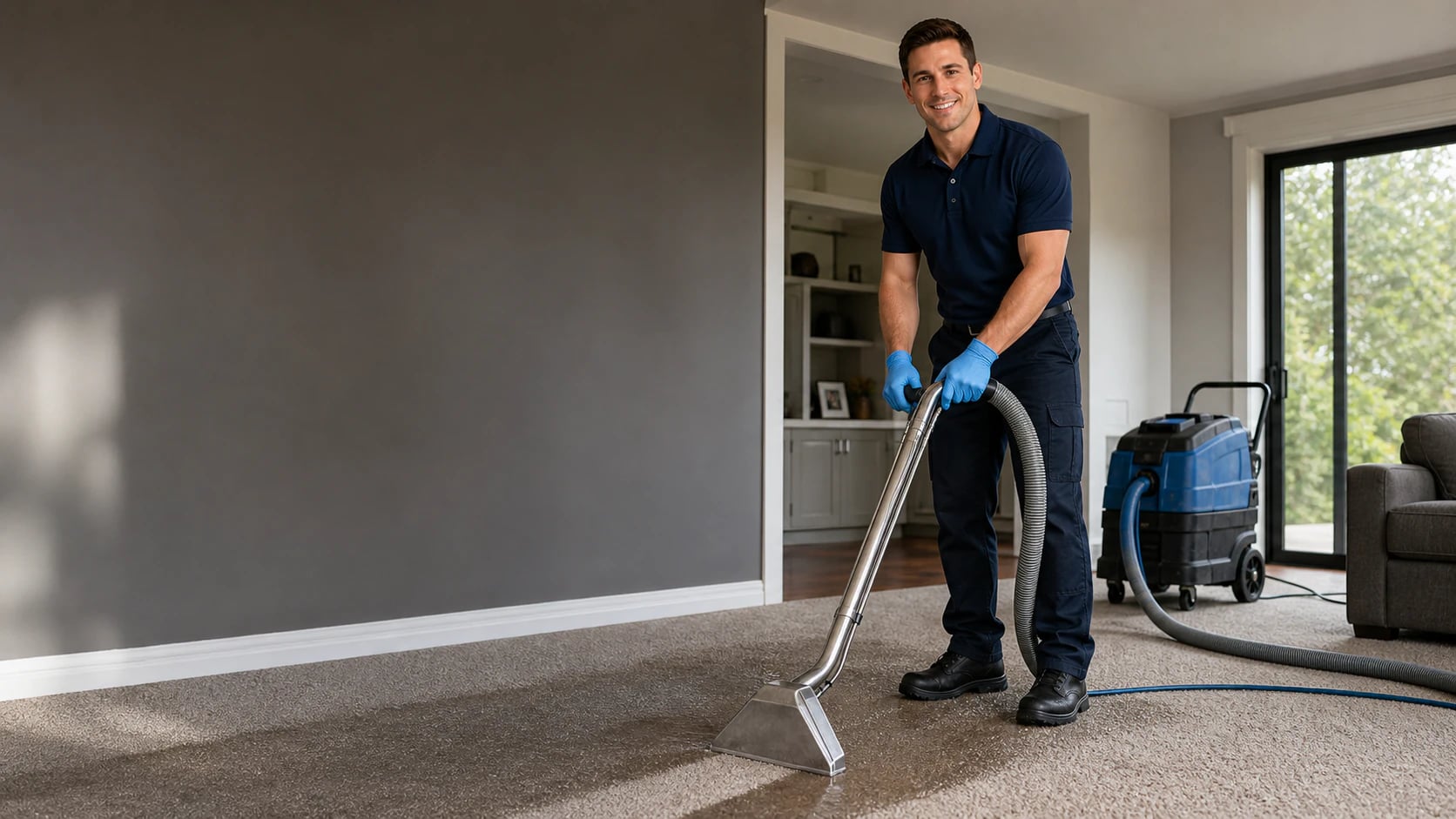
Water extraction cost is driven by the volume of water, how accessible it is, whether it is contaminated, and what surfaces it soaked. Understand the factors, then connect with a pro for an accurate assessment.
What affects the cost
Volume of water
Removing a small amount of standing water is far simpler than extracting a flooded area. More water means more equipment, more passes, and more time.
Accessibility
Water in an open, easy-to-reach room is quicker to extract than water in a basement, crawl space, or under built-in features that are hard to access.
Contamination
Clean water is straightforward to extract. Contaminated water calls for careful handling and protective measures that add to the job.
Carpet and padding versus hard surfaces
Water sitting on a sealed hard surface extracts quickly. Water absorbed into carpet, padding, and subfloor takes more equipment and effort to pull out.
Equipment needed
The job may call for portable extractors, truck-mounted units, or pumps depending on the volume and location, and that mix factors into the scope.
Typical cost ranges
Standard residential planning range
$700-$1,400 per project
Resolved from the approved Water Restoration Pros pricing methodology and standardized scope.
Cost ranges are estimates developed from standardized project scopes and reviewed pricing inputs. Government labor and regional cost data are used where applicable. See our Pricing Methodology for the exact sources, calculations, and review date. Actual prices vary by property, scope, materials or equipment, location, and provider.
Compare the scope before the price
Limited, typical, and complex project scopes
- Limited scope
- A contained affected area with accessible materials and little or no finish repair.
- Typical scope
- Multiple materials or rooms requiring removal, drying, monitoring, and cleanup.
- Complex scope
- Concealed spread, difficult access, contamination, specialty work, or reconstruction.
Planning ranges at a glance
Canonical planning range
The same approved national range is used wherever this standardized residential scope appears.
| Scope | Planning range | Method |
|---|---|---|
| Standard residential scope | $700-$1,400 per project | Water Restoration Pros pricing methodology |
What affects your total
- How much standing water needs to be extracted
- How accessible the water is, including below-grade spaces
- Whether the water is clean or contaminated
- How much carpet, padding, and subfloor absorbed water
- The mix of extraction equipment the job requires
Why no one can quote water extraction over the phone
An accurate price depends on how much water there is, where it sits, and what it soaked into, which usually is not clear until someone sees the property and checks the affected materials.
Be cautious of any support flat price before an assessment. The most reliable path is to have a professional evaluate the situation and explain the scope before extraction begins.
How Water Restoration Pros helps with cost
Water Restoration Pros does not set prices or perform the work. We connect you with restoration professionals that service your area who can assess your situation and explain what extraction involves.
Extraction is usually step one, not the whole job. Pulling water out quickly often reduces the drying and repair scope that follows, which is why fast action matters.
Written estimate review
How to compare two estimates fairly
Compare the affected areas, measured quantities, material decisions, equipment, monitoring, cleaning, specialty work, and repairs included in each scope.
A lower total may describe less work rather than the same work at a lower price. Ask each provider to explain exclusions, allowances, change-order conditions, and the records supplied at completion.
Frequently asked questions
How much does water extraction cost?
Is extraction the same as the full restoration cost?
Why does water in carpet cost more to extract?
Technical and safety sources (2)
These sources support restoration, safety, moisture, cleanup, and scope guidance. They are not sources for the numeric cost ranges on this page.
- U.S. EPA - Flooded Home: EPA guidance on safety, cleanup, moisture control, and drying after a home is flooded.
- U.S. EPA - A Brief Guide to Mold, Moisture and Your Home: EPA guidance on moisture control, prompt drying, indoor humidity, and cleanup decisions.
Explore the service path
Related services
 Water ExtractionEquipment-driven extraction of water from carpet, padding, and flooring.View water extraction
 Water RemovalBroad removal of standing water from rooms, basements, and crawlspaces.View water removal
 Structural DryingControlled drying of framing, drywall, subfloor, and building materials.View structural drying
Helpful guides
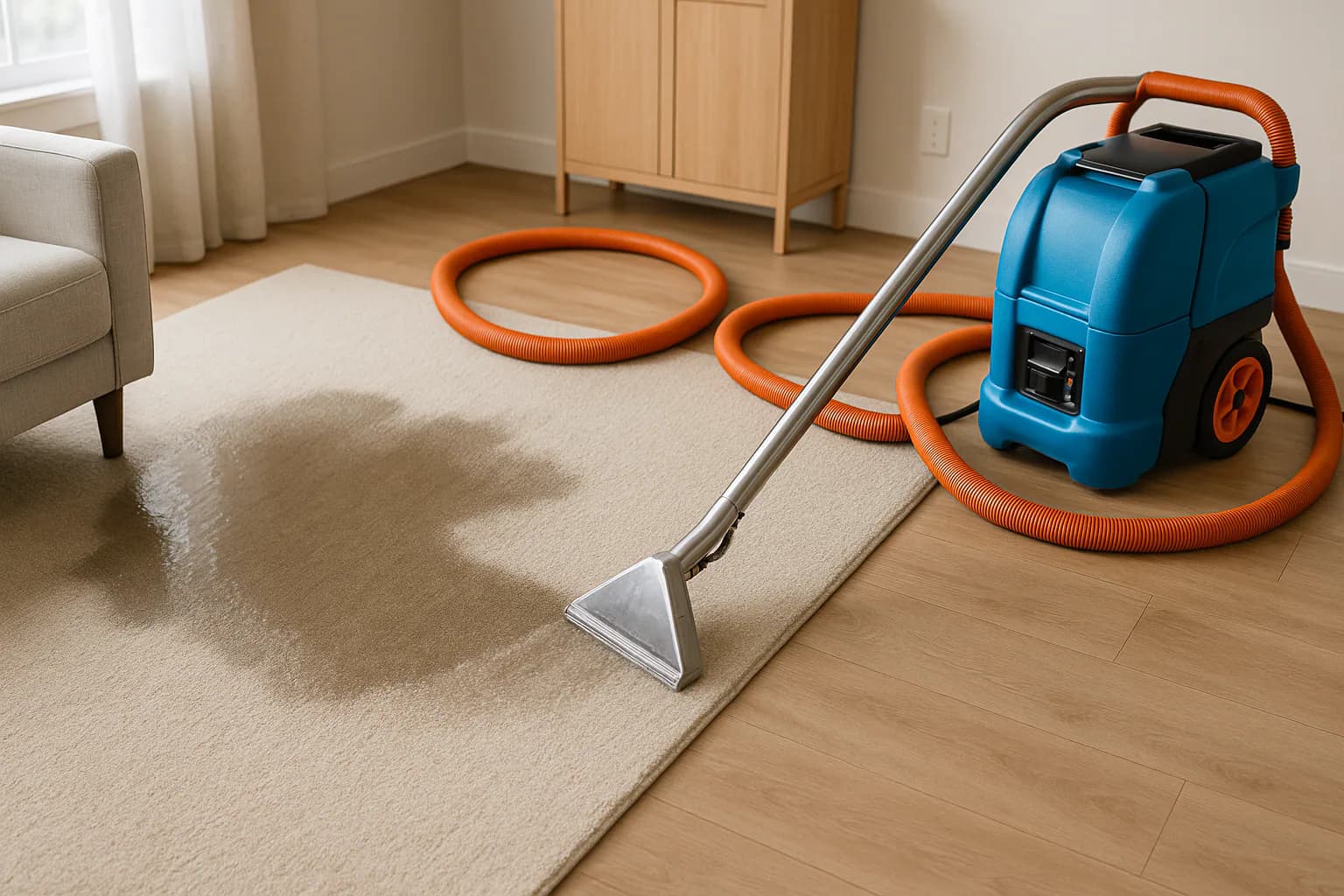 Water Damage Basics
Water Extraction vs. Water Removal
Removal clears standing water from the space; extraction pulls water out of carpet, padding, and materials. Here's the nuance and why both come before drying.
Read guide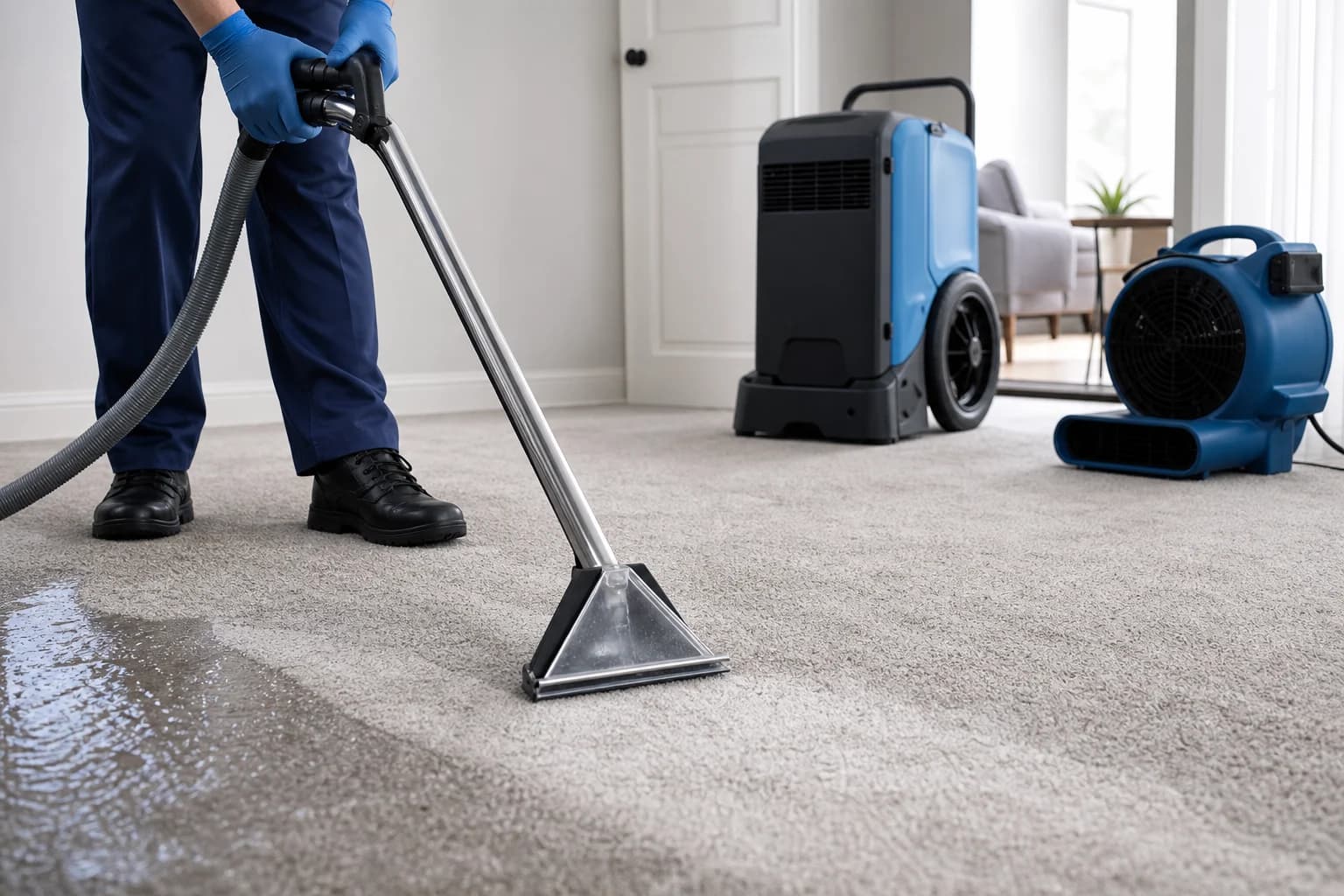 Drying & Restoration
Water Extraction vs. Water Damage Restoration
Water extraction and restoration are two distinct phases of recovery. Here is what each one involves and why your home typically needs both after water damage.
Read guideWater damage can’t wait.
Fast response, expert care. Call Water Restoration Pros and we’ll connect you with help for leaks, flooding, burst pipes, water removal, and drying.
Call (833) 968-0848 · No-obligation · Availability varies by area