Cost Guide
Water Mitigation Cost: What Drives the Price
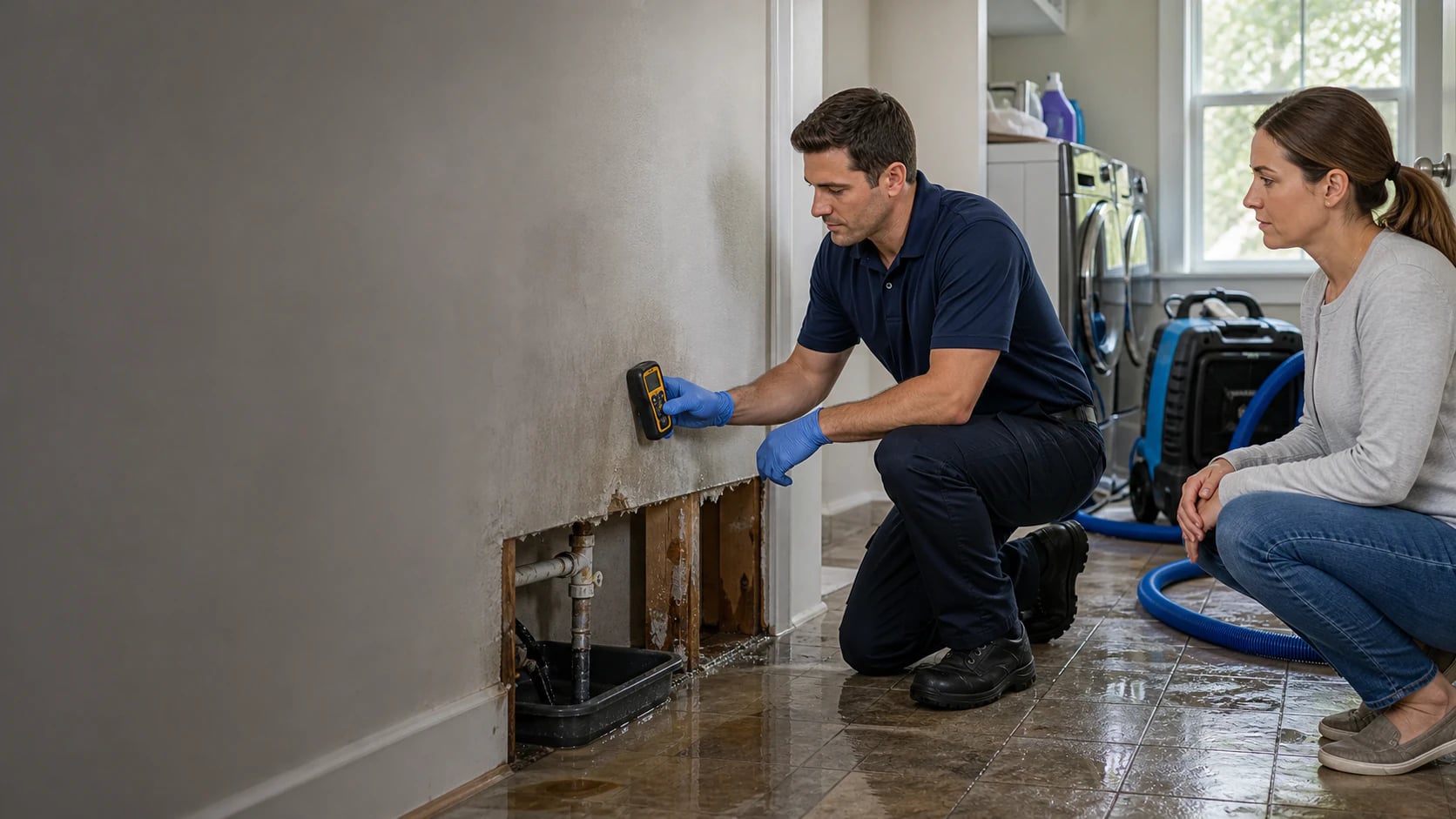
Water mitigation is the fast first response that stops damage from spreading, so its cost reflects how quickly it happens and how much water and material are involved. There is no single price, because every situation is different. Water Restoration Pros connects you with professionals who can assess your property and explain what mitigation involves.
Water mitigation cost is driven by how fast the response begins, the category of water, the area and materials affected, and how much drying equipment and time the job needs. Understand the factors, then connect with a pro for an accurate assessment.
What affects the cost
Speed of response
Mitigation works best when it starts quickly. The sooner extraction and drying begin, the less water spreads into walls, subfloors, and cavities, which usually keeps the overall scope smaller.
Water category
Clean water is the least complex to handle. Gray water and contaminated black water call for more careful handling, sanitation, and material removal, which adds to the scope.
Area and materials affected
A single wet room is very different from water that reached multiple rooms or levels. More affected square footage, and denser materials, means more extraction, drying, and labor.
Drying equipment and days
The number of air movers and dehumidifiers and how many days of monitoring are needed all factor in. Below-grade or slow-drying spaces extend the timeline.
Whether mitigation prevents bigger restoration
Effective mitigation can limit how much material is lost and how much reconstruction follows. Stopping the damage early often reduces the larger restoration scope down the line.
Typical cost ranges
Standard residential planning range
$1,800-$3,750 per project
Resolved from the approved Water Restoration Pros pricing methodology and standardized scope.
Cost ranges are estimates developed from standardized project scopes and reviewed pricing inputs. Government labor and regional cost data are used where applicable. See our Pricing Methodology for the exact sources, calculations, and review date. Actual prices vary by property, scope, materials or equipment, location, and provider.
Compare the scope before the price
Limited, typical, and complex project scopes
- Limited scope
- A contained affected area with accessible materials and little or no finish repair.
- Typical scope
- Multiple materials or rooms requiring removal, drying, monitoring, and cleanup.
- Complex scope
- Concealed spread, difficult access, contamination, specialty work, or reconstruction.
Planning ranges at a glance
Canonical planning range
The same approved national range is used wherever this standardized residential scope appears.
| Scope | Planning range | Method |
|---|---|---|
| Standard residential scope | $1,800-$3,750 per project | Water Restoration Pros pricing methodology |
What affects your total
- How quickly mitigation was able to begin
- Whether the water was clean, gray, or contaminated black water
- How far moisture traveled into walls, subfloors, and cavities
- How many materials can be dried and saved versus removed
- How much drying equipment and how many days of monitoring are needed
Why no one can quote water mitigation over the phone
An accurate price depends on what is actually wet, how contaminated the water is, and how far it spread, which usually is not clear until someone assesses the property and takes moisture readings.
Be cautious of any support flat price before an assessment. The most reliable path is to have a professional evaluate the situation and explain the expected scope before work begins.
How Water Restoration Pros helps with cost
Water Restoration Pros does not set prices or perform the work. We connect you with restoration professionals that service your area who can assess your situation and walk you through what mitigation involves.
Acting quickly often helps limit the overall cost, since fast mitigation can reduce how far water spreads and how much material is lost before restoration.
What mitigation includes and what it does not
Mitigation focuses on preventing further damage after water intrusion. This includes stopping the spread of water, extracting standing water, stabilizing the affected area, and implementing thorough drying and monitoring processes. These steps are crucial to limit further damage and prepare the space for restoration.
It's important to note that mitigation does not cover repairs or reconstruction. Once the area is stabilized and dried, restoration efforts begin. Restoration involves repairing or rebuilding damaged structures, such as walls and flooring. Therefore, mitigation is a distinct phase that sets the stage for subsequent restoration work.
- Stopping the spread of water
- Extracting and drying affected areas
- Stabilizing structures
- Monitoring moisture levels
Mitigation vs restoration on the same invoice
Mitigation and restoration are usually billed separately, as they represent different phases of the recovery process. Mitigation involves immediate actions to prevent further damage, while restoration focuses on repairing and rebuilding.
Understanding this distinction is important when reviewing an estimate or insurance claim. Insurance policies often require separate documentation for each phase, reflecting their unique purposes. This separation helps clarify what actions were necessary to address immediate threats versus long-term repairs.
- Mitigation: Immediate action
- Restoration: Repair and rebuild
- Separate documentation for each phase
Why fast mitigation usually lowers the total
Acting quickly on water damage is vital. According to the EPA, wet materials need to be dried within 24–48 hours to reduce the conditions that allow mold growth. Delayed responses can transform a drying job into a demolition project, significantly increasing costs.
Insurance policies often include a duty to mitigate, meaning homeowners must act promptly to prevent further damage. Quick action not only minimizes damage but also aligns with insurance requirements, potentially easing claim processes.
- 24–48 hour EPA drying window
- Fast action prevents mold growth
- Quick response aligns with insurance duties
Equipment-day pricing explained
Water mitigation often involves equipment like air movers and dehumidifiers, which are billed per day of use. This daily rate reflects the ongoing need to maintain controlled conditions for effective drying.
Monitoring visits are crucial during this time, ensuring equipment is functioning correctly and moisture levels are decreasing. Equipment should remain until the area reaches acceptable dryness levels, avoiding premature removal that could lead to further issues.
- Air movers and dehumidifiers billed per day
- Monitoring visits assess progress
- Equipment stays until area is dry
Written estimate review
How to compare two estimates fairly
Compare the affected areas, measured quantities, material decisions, equipment, monitoring, cleaning, specialty work, and repairs included in each scope.
A lower total may describe less work rather than the same work at a lower price. Ask each provider to explain exclusions, allowances, change-order conditions, and the records supplied at completion.
Frequently asked questions
How much does water mitigation cost?
Does acting fast lower the cost?
Is water mitigation the same as the full restoration cost?
Is mitigation covered by insurance even if the full claim is still being reviewed?
How many days of drying equipment is normal?
Technical and safety sources (2)
These sources support restoration, safety, moisture, cleanup, and scope guidance. They are not sources for the numeric cost ranges on this page.
- U.S. EPA - Flooded Home: EPA guidance on safety, cleanup, moisture control, and drying after a home is flooded.
- U.S. EPA - A Brief Guide to Mold, Moisture and Your Home: EPA guidance on moisture control, prompt drying, indoor humidity, and cleanup decisions.
Explore the service path
Related services
 Water MitigationFast steps that stabilize the loss and limit damage before restoration begins.View water mitigation
 Water Damage RestorationWhole-home help after leaks, flooding, wet materials, and standing water.View water damage restoration
 Structural DryingControlled drying of framing, drywall, subfloor, and building materials.View structural drying
Helpful guides
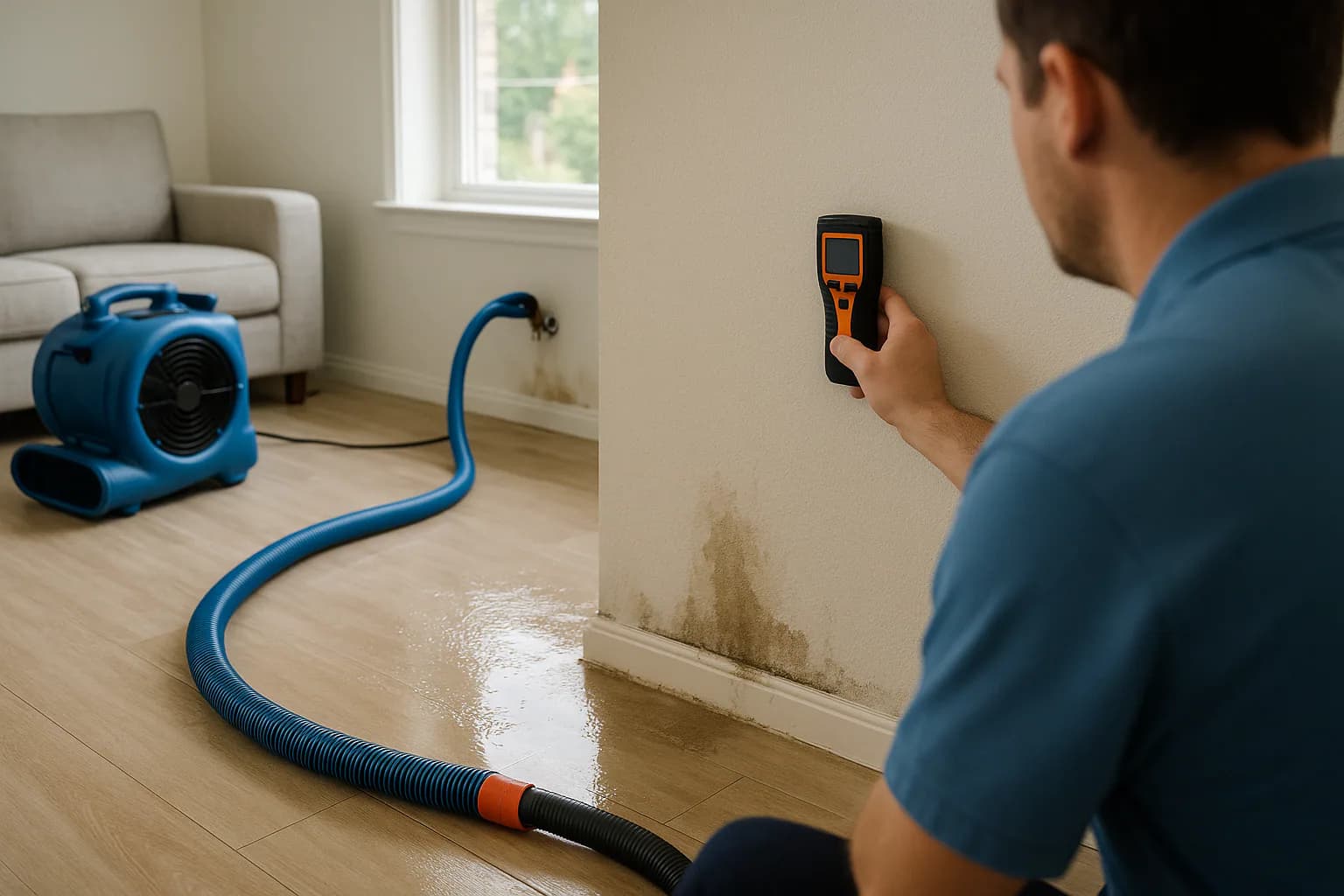 Water Damage Basics
What Is Water Mitigation?
Water mitigation is the urgent work done right after a water event to stop the loss and limit further damage. Here's what it involves and why it can't wait.
Read guide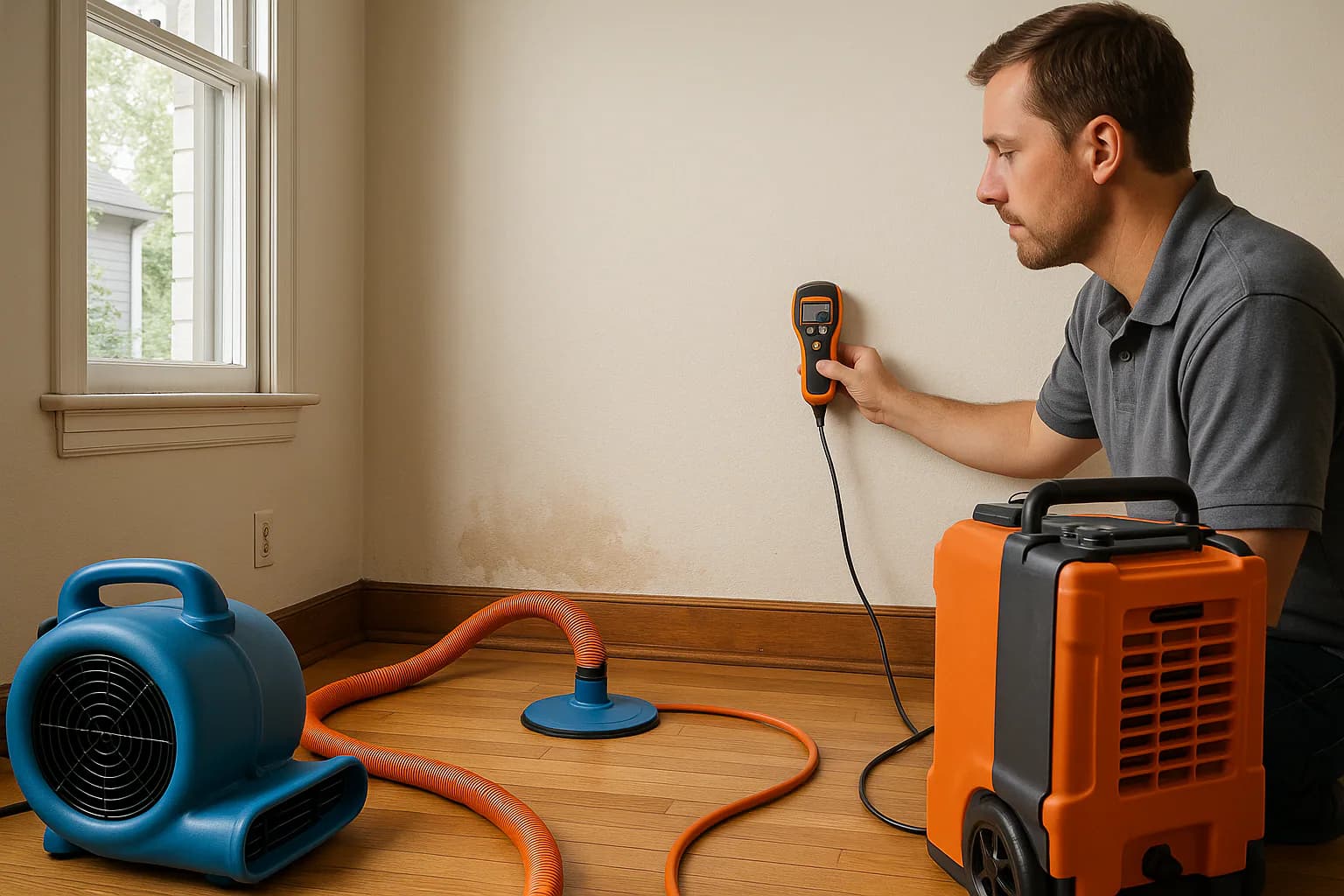 Water Damage Basics
Water Mitigation vs. Water Damage Restoration
Mitigation stops and limits the damage; restoration repairs and rebuilds. Here's how the two differ, where they overlap, and why a full recovery needs both.
Read guideWater damage can’t wait.
Fast response, expert care. Call Water Restoration Pros and we’ll connect you with help for leaks, flooding, burst pipes, water removal, and drying.
Call (833) 968-0848 · No-obligation · Availability varies by area