What to Do First When a Basement Floods
A flooded basement calls for careful, safety-first decisions. The pros Water Restoration Pros connects homeowners with can help assess the damage, but the first steps are about avoiding electrical hazards, limiting exposure to standing water, and documenting what happened. If the basement has pooled water, stay out until it is safe to assess the area from a dry location.
Before cleanup begins, note the visible waterline, affected rooms, and any damaged belongings. Photos and video can help with later discussions with the insurer and with the restoration professionals who review the site.
Watch for Electrical Hazards
Standing water can hide outlets, cords, appliances, and other electrical hazards. If the power is still on, do not enter the basement. Electricity and water are a dangerous combination, and a dry, safe location is the only place to consider shutting off power at the breaker if that panel is reachable.
If there is any uncertainty about electrical risk, wait for qualified help. Do not step into water to investigate equipment or wiring.
Identify the Likely Source of the Flooding
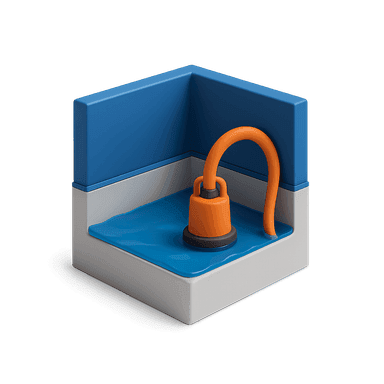
Basement flooding can come from a burst pipe, sump pump failure, heavy rain, foundation cracks, or water entering through windows or drains. Identifying the source helps guide the next steps. If the flooding appears to come from plumbing inside the home, shutting off the main water supply may stop more water from entering, but only if it can be done safely.
If outside water is still rising or rain is continuing, focus on safety and wait until conditions improve before attempting large-scale cleanup. Note where water seems to be entering so the damage can be addressed later.
Treat Unknown Floodwater as Potentially Contaminated
Basement floodwater is not always the same. Water from a broken supply line may be cleaner than stormwater or sewage backup, but if the source is uncertain, it is safer to treat the water as contaminated. Keep people and pets away from questionable water and avoid direct contact.
Contaminated water can require sanitation and safe handling by restoration professionals. Strong odors, debris, cloudy water, or dark water are warning signs that the source may not be clean, but appearance alone does not prove safety.
Document the Damage Before Cleanup
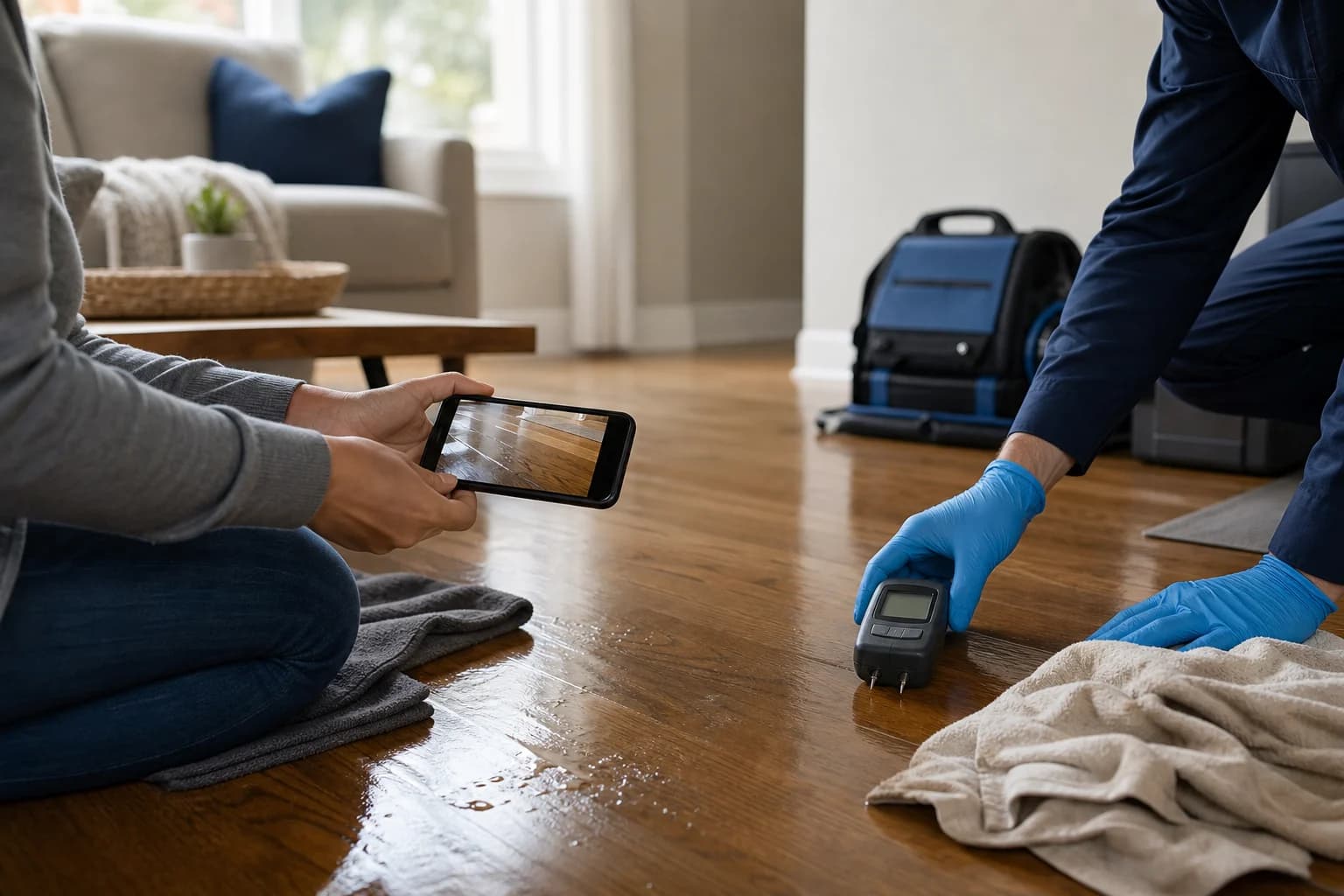
Once the area is safe to approach, document the basement before removing water or moving items. Clear photos and video can show the extent of the flooding, damaged materials, and affected belongings. Keep notes on where the water entered and what areas were wet.
This record can help when discussing the loss with the insurer and when a local pro evaluates the property. Coverage and claim outcomes depend on the cause, policy language, exclusions, endorsements, limits, deductible, and claim facts, so the policy should be reviewed and the insurer contacted directly.
Remove Standing Water Only If It Is Safe
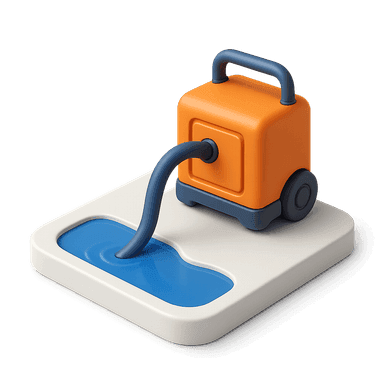
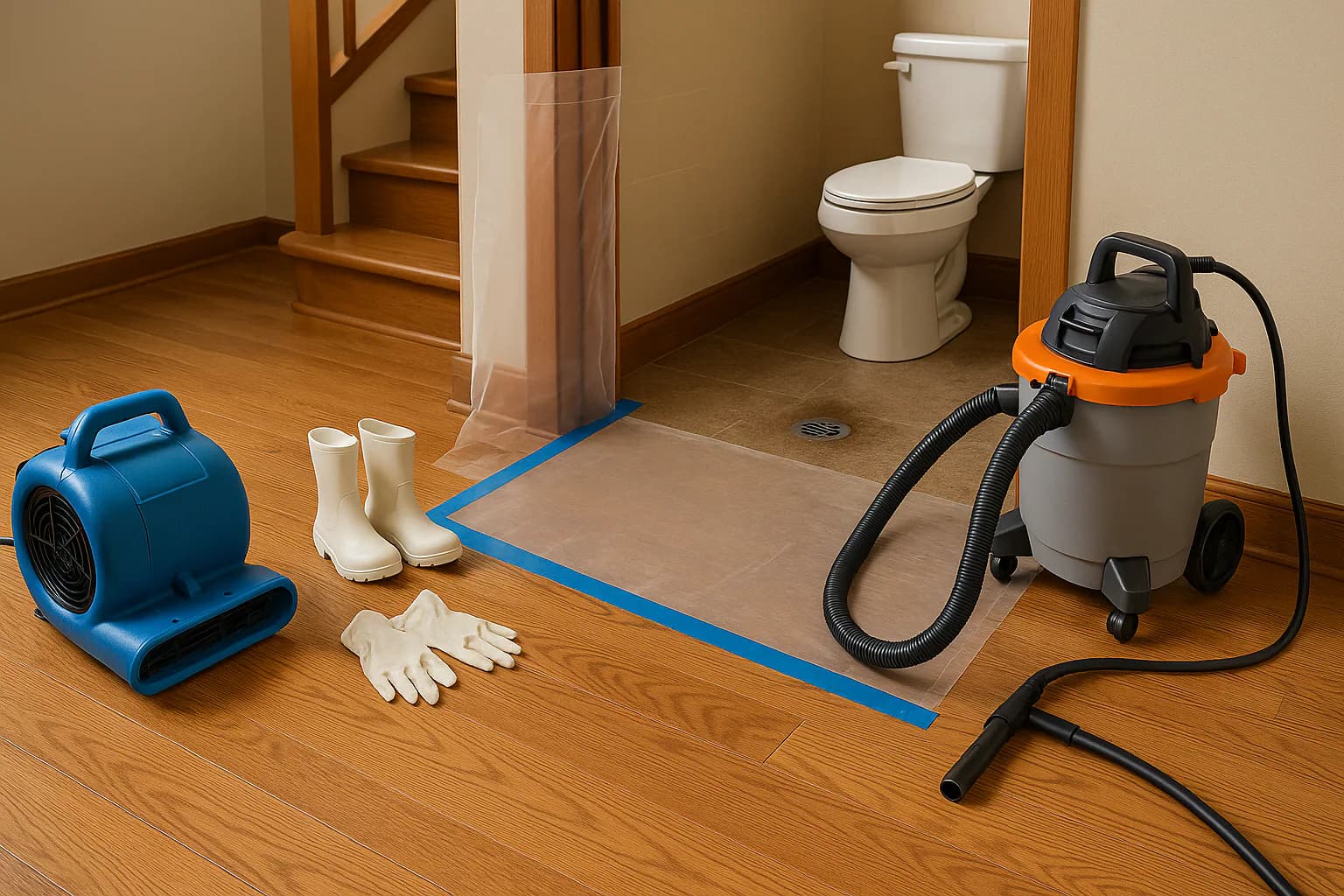
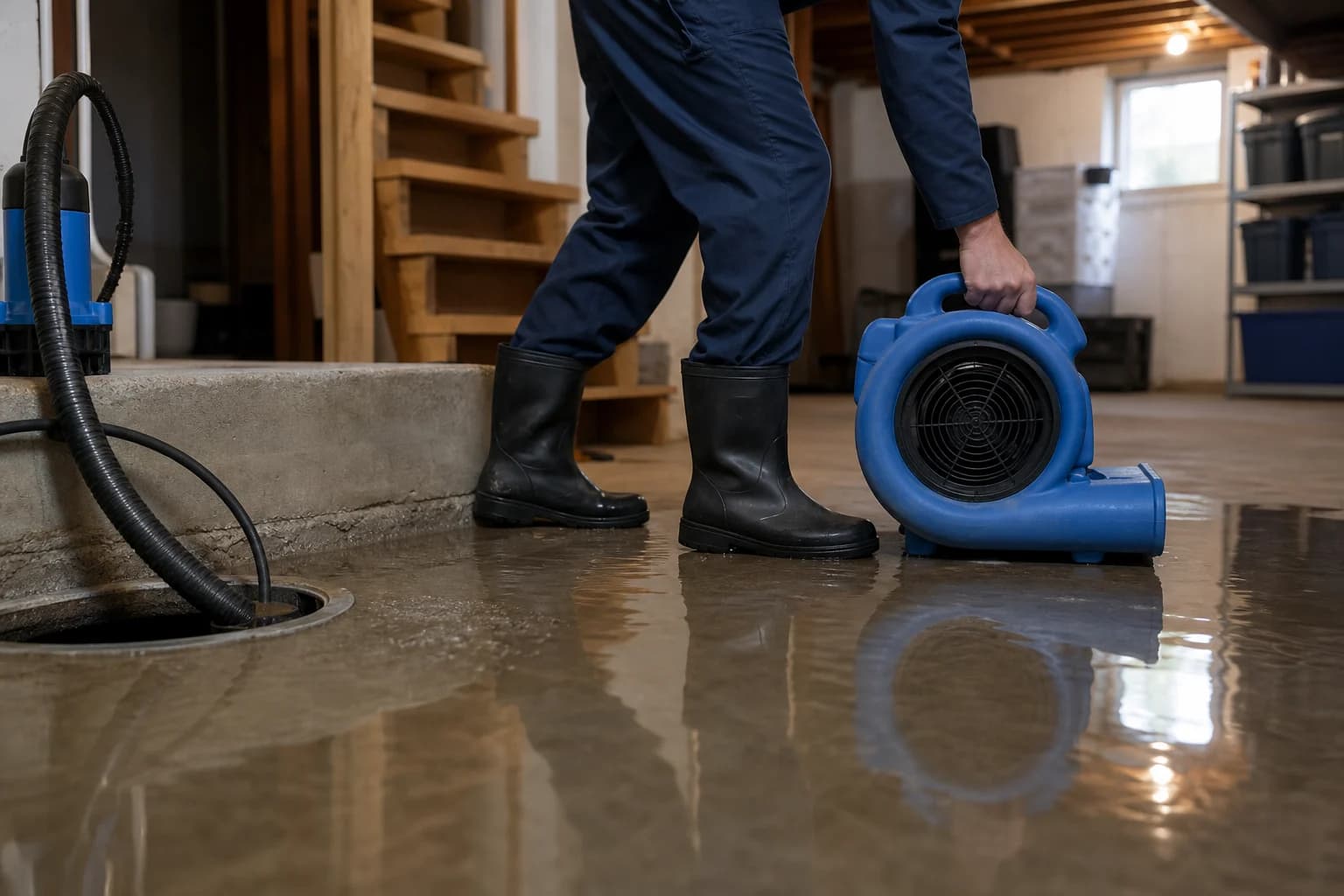
Small amounts of clean water may be removed with basic tools if the area is safe and the water is not suspected to be contaminated. Larger volumes, hidden water, or any situation involving sewage or stormwater should be handled with more caution. If water is trapped behind walls, under flooring, or in insulation, it may not be visible from the surface.
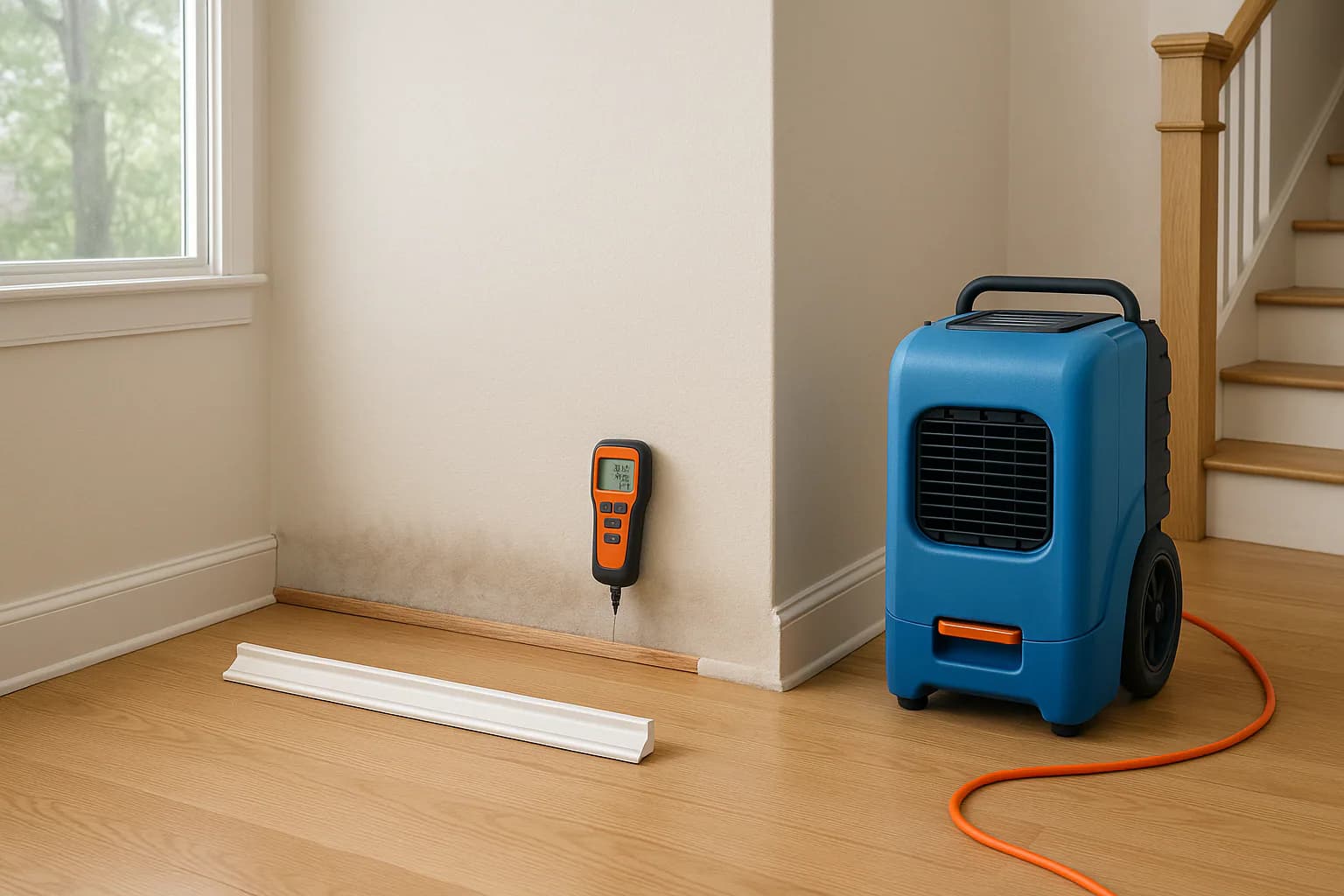
Restoration professionals may use pumps, wet vacuums, and moisture meters to assess and remove water. Thermal imaging can help screen for temperature patterns that suggest hidden moisture, but it does not prove moisture or mold without direct measurement or inspection.
Dry the Basement Thoroughly
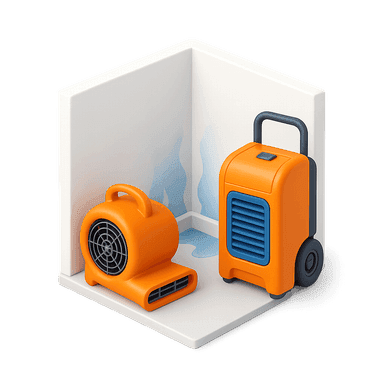
After standing water is removed, drying becomes the next priority. Basements often hold moisture in concrete, framing, and stored items, and lingering dampness can create conditions that allow mold to grow. If weather allows and the water is clean, ventilation and air movement can help support drying along with dehumidification.
The pros in your area may use air movers and dehumidifiers to speed drying and check hidden areas such as behind paneling, under stairs, and inside closets. Materials that remain damp may need removal or further attention depending on the material, contamination, and how long they were wet.
Know When to Contact a Local Pro
A local pro is often helpful when flooding covers a large area, involves contaminated water, or leaves behind lingering dampness after initial cleanup. The independent restoration professionals Water Restoration Pros connects homeowners with can assess the site, look for hidden moisture, and recommend structural drying, sanitation, or repairs as needed.
If odors persist, stains appear, or damp areas return after drying attempts, further inspection is warranted. Fast drying reduces the conditions that allow mold to grow and can help limit ongoing moisture problems, but it does not replace a full assessment when water has spread into concealed spaces.
Use Insurance and Repair Information Carefully
Flood insurance and homeowners coverage are not the same, and the source of the water matters. FloodSmart. gov explains that flood insurance is a separate consumer coverage from a standard homeowners policy. Homeowners should review their policy and contact the insurer to understand how their claim may be handled.
Keep repair and cleanup records organized, including photos, notes, and any communication with the insurer or restoration professionals. That information can help support the claim process and guide repair decisions later.
Services for a Flooded Basement
Basement underwater?
Call Water Restoration Pros to get connected with basement water removal professionals. This service connects you with help that services your area.
Call (833) 968-0848Frequently asked questions
What should be done first when a basement floods?
How can basement floodwater be judged safely?
Can a homeowner remove basement floodwater alone?
Why is drying so important after a basement flood?
Does thermal imaging prove there is moisture behind a wall?
Should flood damage be reported to the insurer right away?
Sources reviewed (3)
- CDC - Reentering Your Flooded Home Safely: CDC guidance on electrical hazards, standing water, ventilation, cleanup, and reentry after flooding.
- U.S. EPA - Flooded Home: EPA safety and drying guidance for homes affected by floodwater, moisture, and mold.
- FloodSmart. gov - National Flood Insurance Program: Federal consumer information about flood insurance and the distinction between flood and homeowners coverage.