Hurricanes bring with them not just high winds but also significant water damage. Dealing with hurricane water damage cleanup involves understanding both safety measures and insurance implications. Knowing how to proceed can make a difference in recovery time and costs.
Water damage after a hurricane can affect a home in many ways, from roof leaks caused by wind-driven rain to flooding from rising waters. Each type of damage requires a specific response to minimize destruction and health risks. Understanding the nature of the water involved, whether it is clean rainwater or contaminated floodwater, helps guide the cleanup and restoration process effectively.
Before you go back in: safety
Before re-entering a hurricane-damaged property, prioritize safety. Ensure power is off to prevent electrical hazards, as water and electricity are a dangerous combination. Check for any signs of structural instability, such as sagging ceilings or cracked walls, from a safe distance. Enter only if it's absolutely safe to do so. Floodwaters present another significant risk as they are often classified as Category 3, or black water, meaning they are contaminated with pathogens and require careful handling.
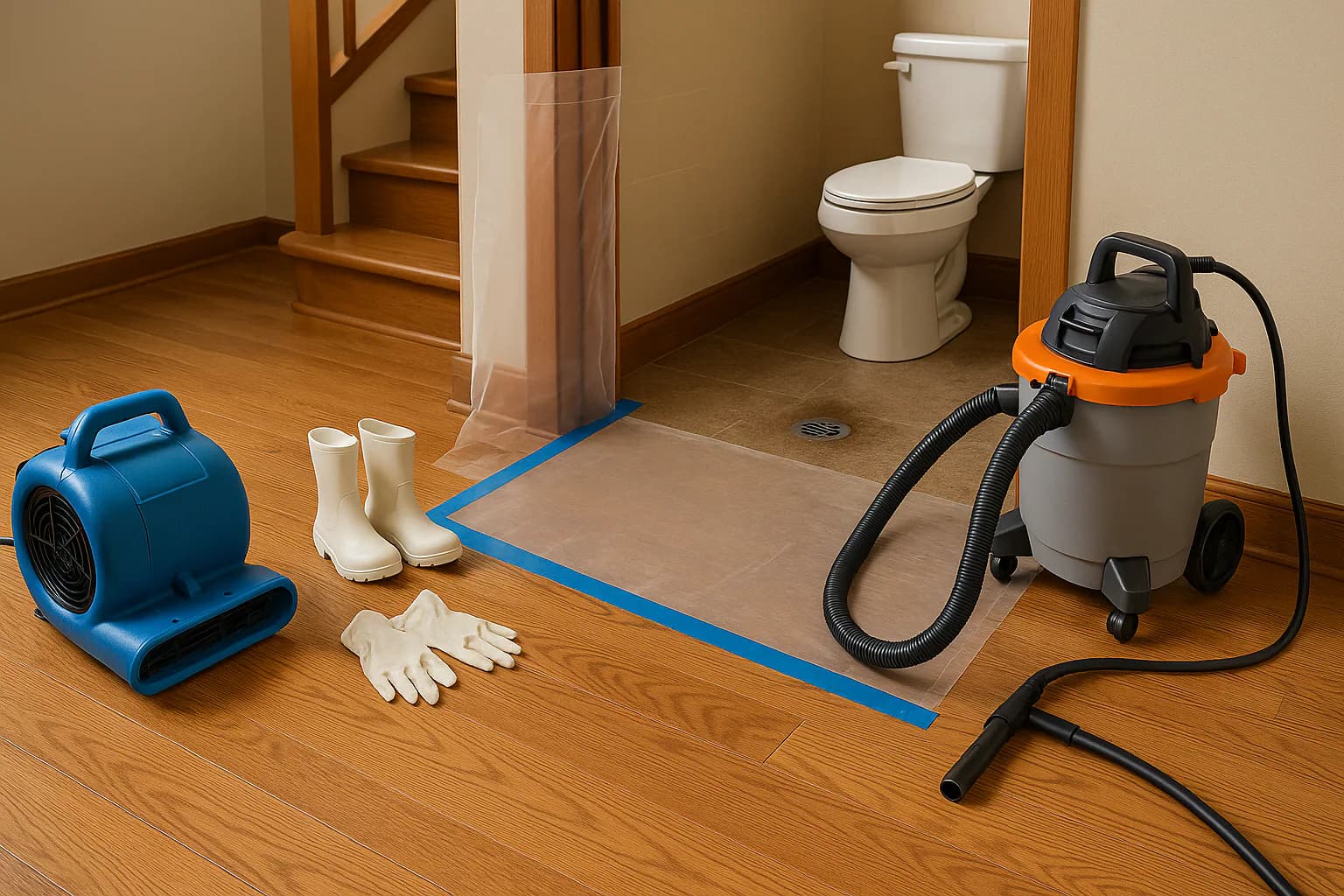
Restoration professionals emphasize wearing protective gear like gloves, boots, and sometimes respirators when navigating flood-damaged areas. Floodwaters can contain a mix of sewage, chemicals, and debris, posing serious health hazards. They advise homeowners to avoid direct contact with these waters and to consider professional sanitation services. If gas odors or downed power lines are present, evacuation and contacting emergency services is essential. These precautions help prevent accidents and exposure to hazardous contaminants during initial assessments.
Wind damage vs flood damage: two different policies
Understanding your insurance coverage is crucial when dealing with hurricane aftermath. Wind-driven rain entering through a damaged roof typically falls under homeowners insurance. This type of damage is often sudden and accidental, which is usually covered by standard policies. Conversely, damage from rising floodwaters is not typically covered under standard homeowners insurance. This type of damage requires a separate flood insurance policy, either through the National Flood Insurance Program (NFIP) or a private provider.
Because the source of water damage directly affects which insurance policy applies, restoration professionals recommend carefully documenting how water entered the property. For example, water leaking from a damaged roof due to wind is a different claim scenario than water rising from outside due to flooding. This distinction matters because flood damage claims often follow different procedures and timelines. Accurate documentation of water entry points through photos and notes helps ensure homeowners submit claims under the appropriate policy.
Document first, clean second
Document damage thoroughly before starting cleanup. Photos and videos help substantiate insurance claims.
Before beginning any cleanup, document the damage extensively. Photograph and video all affected areas and items from multiple angles. This includes structural damage, standing water, and affected personal belongings. Itemize damages for insurance purposes, listing each item with a brief description and its condition. This documentation is vital for substantiating your claims and can greatly influence the settlement you receive.
Restoration professionals advise keeping detailed records of all communications with insurance providers, including emails and phone call details. Receipts for temporary repairs or emergency expenses should also be saved. Thorough documentation supports the claim process and helps resolve disputes or discrepancies during insurance reviews. Homeowners should avoid starting cleanup or repairs before documenting to prevent losing important evidence of damage.
The cleanup itself: what pros do
- 1
Assess the damage
A local pro evaluates the extent of water damage and categorizes it to determine the appropriate cleanup approach. This assessment involves identifying the water category—clean, gray, or black—and the extent of structural damage.
- 2
Water extraction
Using specialized equipment, pros remove standing water quickly to prevent further damage and mold growth. This involves the use of pumps and vacuums specifically designed to handle large volumes of water efficiently.
- 3
Dry and dehumidify
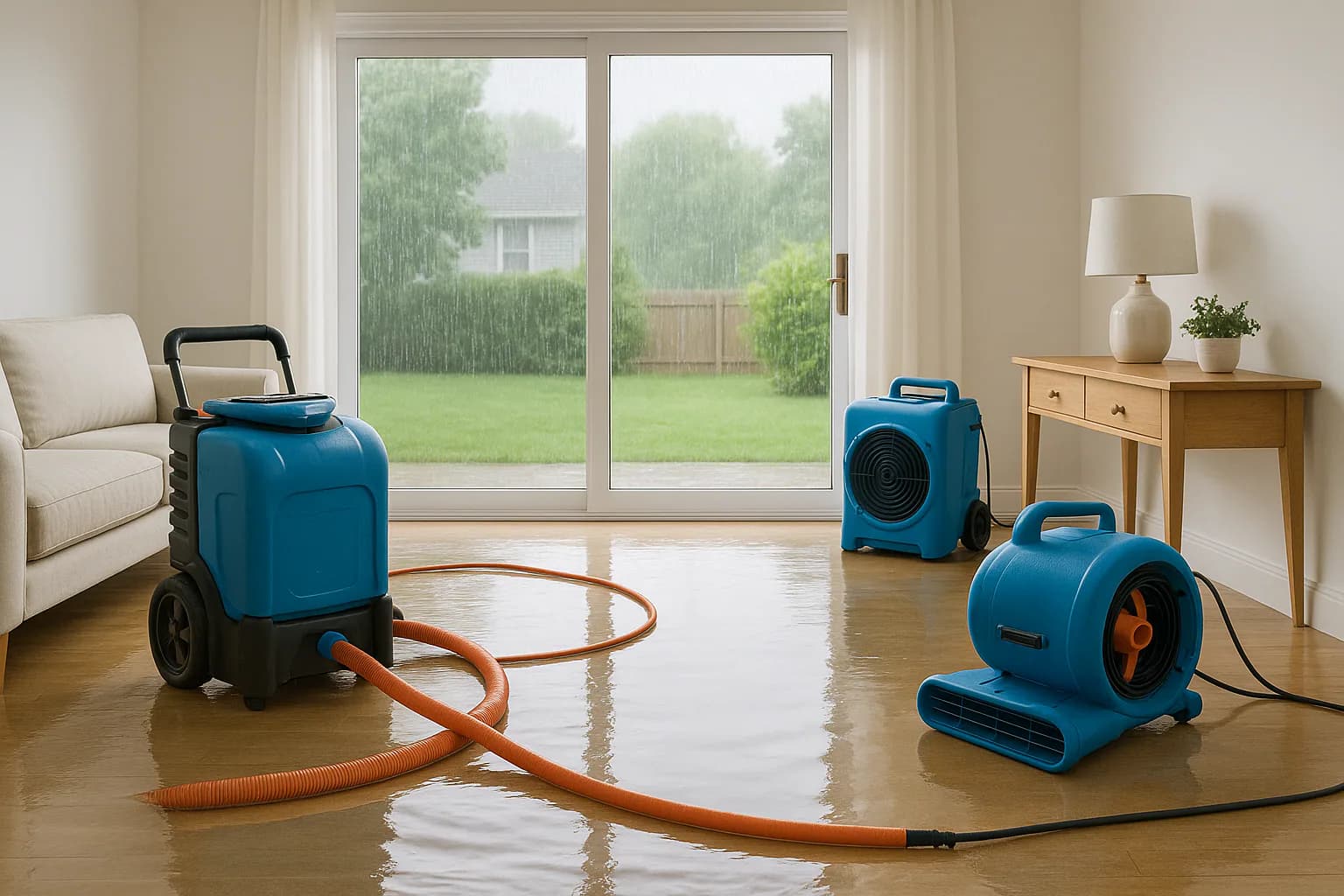
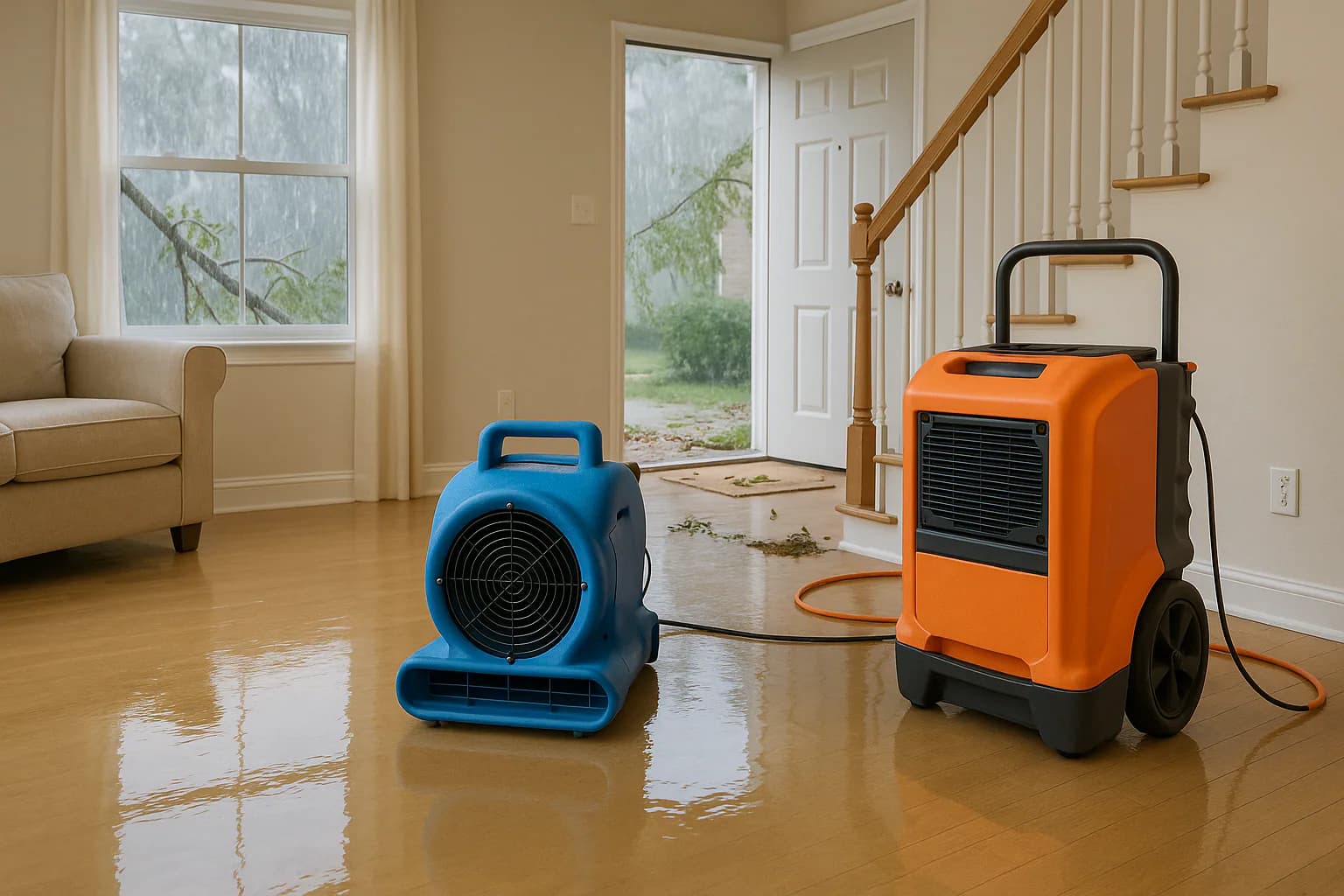
Professionals use industrial-grade fans and dehumidifiers to dry the area thoroughly. This step is crucial as drying must occur within 24–48 hours to reduce the risk of mold growth, following EPA guidelines. Fast drying helps mitigate the conditions that allow mold to thrive.
- 4
Sanitize and clean
Contaminated items and surfaces are cleaned and sanitized to remove harmful pathogens from Category 3 floodwaters. This step is vital to ensure that the living environment is safe and free of contaminants, requiring specialized cleaning solutions and techniques.
Local restoration professionals are trained to identify the water category because the cleanup approach varies greatly. These distinctions affect the scope and expense of mitigation. Use a current itemized estimate because source, contamination, affected materials, drying time, and repairs can change the total.
After extraction and drying, professionals assess the condition of building materials. Proper drying within the EPA-recommended 24–48 hour window is essential to reduce the conditions that allow mold growth, which can become a major issue if delayed. Restoration pros also ensure safe disposal of contaminated materials according to local regulations, helping homeowners avoid further health risks.
Avoiding post-storm contractor fraud
After a hurricane, be cautious of contractors soliciting door-to-door. In the wake of a disaster, fraudulent contractors often prey on vulnerable homeowners. Verify credentials by checking for proper licensing and insurance, which can usually be done through state or local consumer protection agencies. Avoid contractors who request large upfront payments or pressure you into quick decisions. Legitimate professionals understand the need for careful consideration and will provide written estimates.
Restoration professionals recommend hiring local contractors who are familiar with regional building codes and have established reputations. Out-of-town contractors may lack knowledge of local requirements or the commitment to follow up on their work. Homeowners should seek multiple estimates and check references before committing. Being cautious helps prevent costly mistakes, substandard repairs, and potential fraud during the stressful post-storm recovery period.
Connect with local restoration pros
Need Help with Hurricane Damage?
Connect with experienced local pros for efficient hurricane water damage cleanup. Find help today.
Call (833) 968-0848Frequently asked questions
What should I do immediately after a hurricane?
How do I handle contaminated floodwater?
What is the timeline for drying to reduce the risk of mold growth?
Sources reviewed (4)
- FloodSmart. gov — the National Flood Insurance Program: Flooding is the most common and most costly natural disaster in the U. S. ; flood damage from rising water is insured separately from standard homeowners policies.
- NOAA NCEI — U.S. Billion-Dollar Weather and Climate Disasters: Federal dataset tracking major U.S. weather and climate events by economic impact.
- U.S. EPA - A Brief Guide to Mold, Moisture and Your Home: EPA guidance on moisture control, prompt drying, indoor humidity, and mold cleanup decisions.
- U.S. EPA - Mold Course Chapter 2: EPA guidance to dry wet building materials within about 24 to 48 hours when possible.