Document Water Damage Before Cleanup Begins
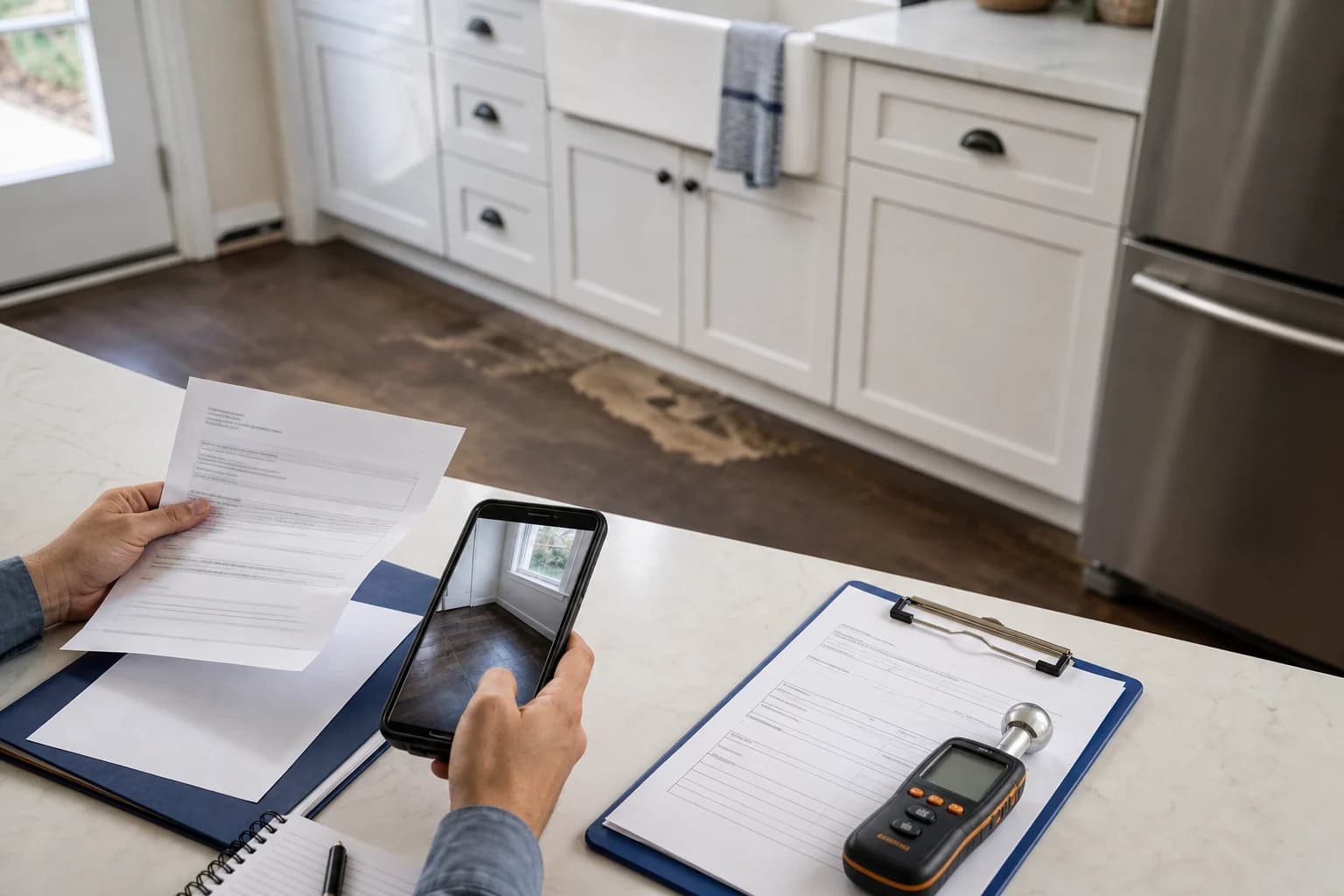
For a water damage insurance claim, the most useful records are usually the ones made before cleanup starts. Photos, video, a written inventory, and receipts help show what was affected and when the damage was noticed. Coverage depends on the policy, the cause of loss, exclusions, endorsements, limits, deductible, and the facts of the claim, so careful documentation matters.
Check Safety Before Entering the Area
Do not enter standing water if electricity may still be on or if the structure seems unstable. If water appears contaminated, such as sewage or outside floodwater, avoid contact and follow public-health guidance. Once it is safe to enter, make a quick visual check of the affected areas and note what is visible without moving items unnecessarily.
Take Wide Photos and Close-Ups
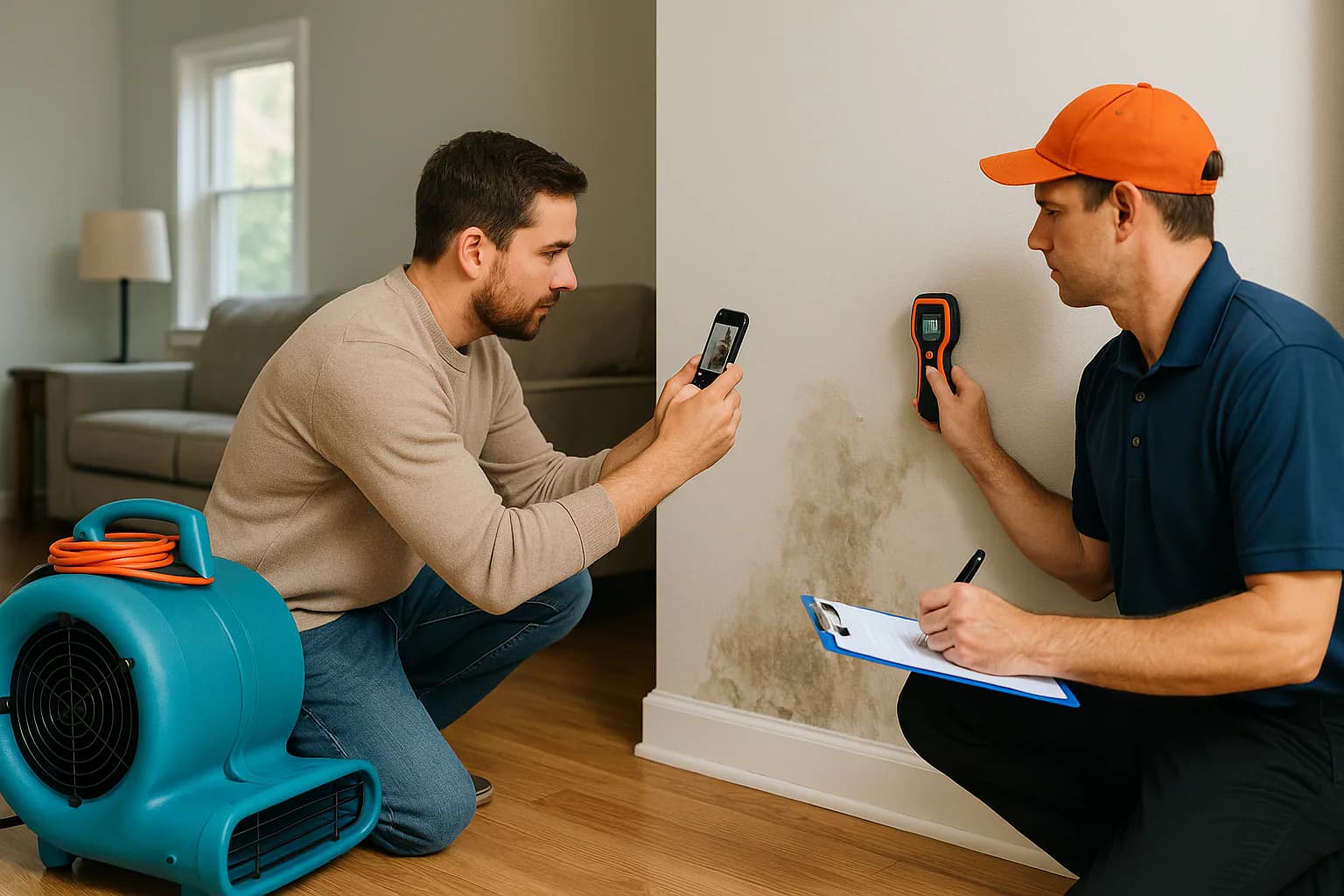
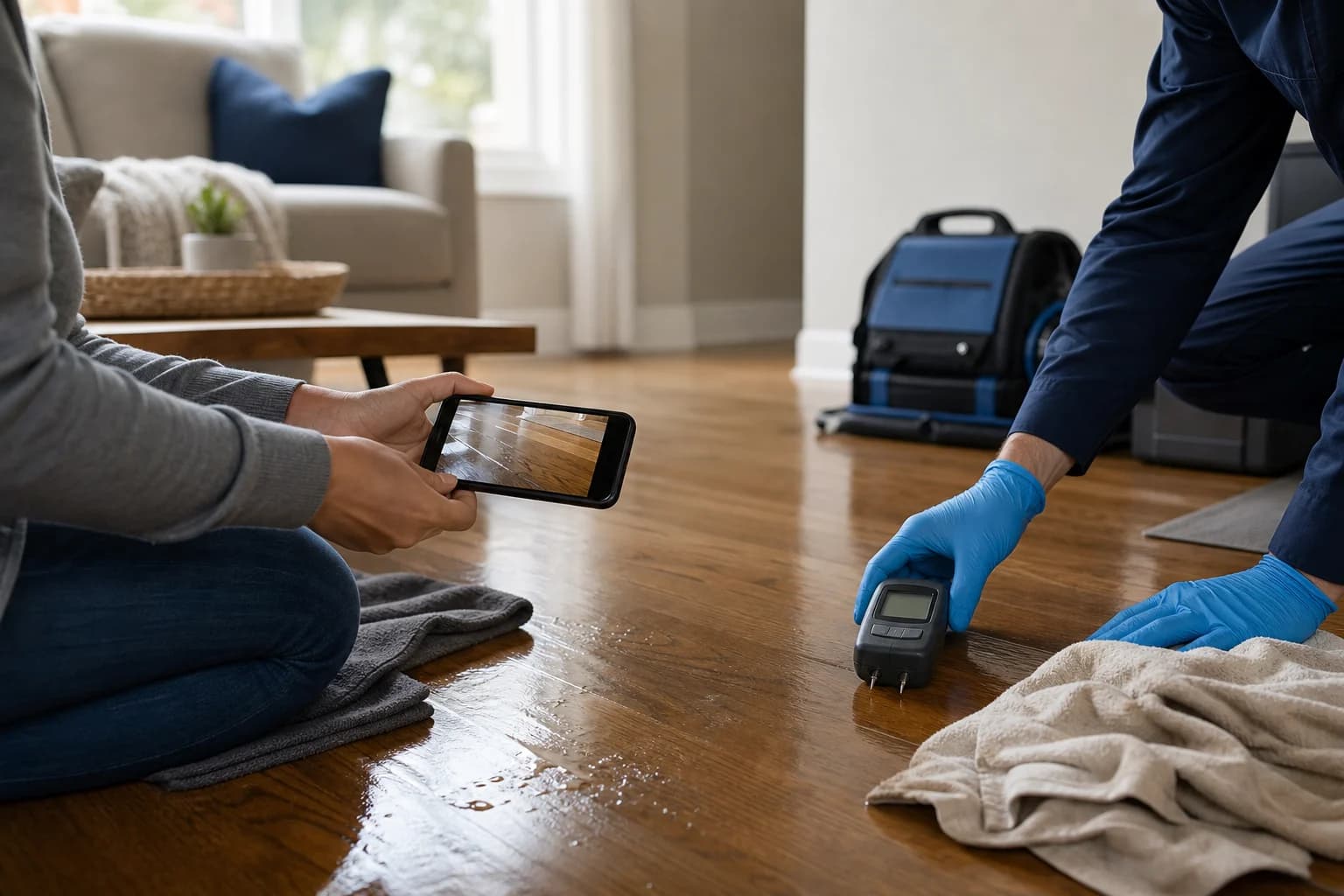
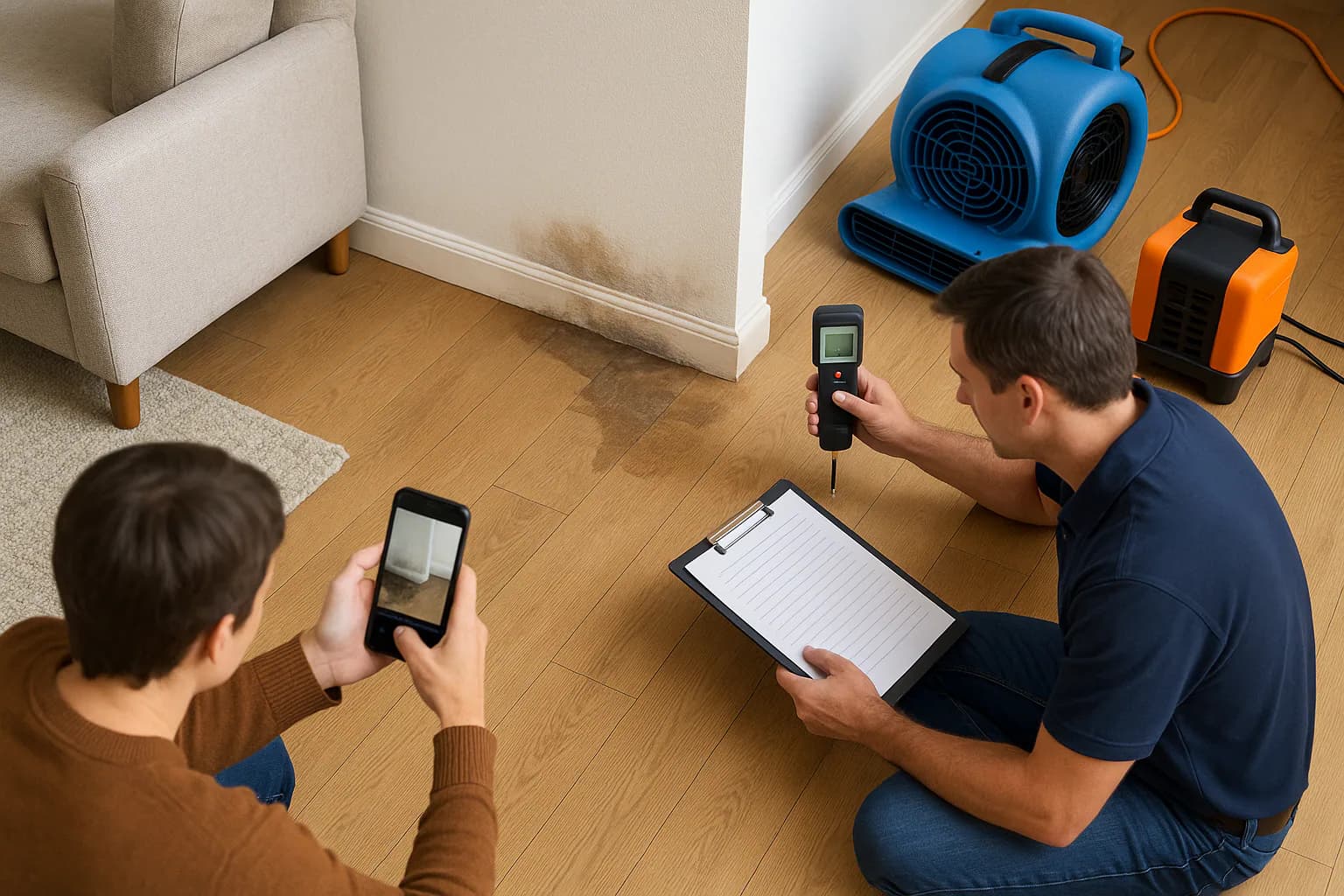
Photograph the damage before anything is removed, dried, or thrown away. Start with wide shots that show entire rooms and then take close-ups of water lines, stains, warped materials, soaked flooring, and damaged belongings. Multiple angles can help show the extent of the loss and the condition of the area before cleanup.
Video can add context that still photos may miss. Walk through the affected space slowly and capture the layout, visible water, and the condition of damaged items. If odors, discoloration, or temperature differences are present, note them in your records as observations rather than conclusions about the source or extent of the moisture.
Write Down the Inventory and Basic Details
A written inventory helps organize the claim. List damaged belongings and affected building materials, along with the room or area where each item was found. Include a brief description, brand or model if known, approximate age or purchase date, and the item’s condition before the damage.
Keep receipts, appraisals, and any prior photos of valuable items together with the inventory. If items must be moved for safety or drying, label them if possible and keep them together for later review. Save receipts for emergency expenses, temporary repairs, and mitigation work.
Record the Cause, Date, and Time
Write down what appears to have caused the water damage and when it was first noticed. If the cause is not clear, describe the sequence of events and what was observed instead of guessing. Insurers may review whether the loss was sudden or developed over time, so clear notes about timing can help frame the claim file.
If the source seems related to a burst pipe, appliance issue, roof leak, or storm water, note the visible facts that support that observation. Keep the record factual and concise. The insurer can review the policy and the claim details to determine how the loss may apply.
Use Receipts and Claim Records to Support the File
Receipts help show what was spent after the loss. Keep records for emergency repairs, drying work, professional assessments, and other mitigation-related expenses. If contractors or restoration professionals provide written findings or work records, keep those with the rest of the claim documents.
It can also help to save copies of any emails, claim numbers, adjuster notes, and photos sent to the insurer. Organized records make it easier to answer follow-up questions and compare what was damaged with what was repaired or replaced.
When a Restoration Professional May Help
A local pro can be useful when damage is widespread, hidden, or involves contaminated water. Restoration professionals may use tools such as moisture meters or thermal imaging to screen for temperature patterns that can point to possible moisture. Thermal imaging does not prove moisture or mold by itself, so direct measurement or inspection is still needed to confirm conditions.
Fast drying of wet building materials can reduce the conditions that allow mold to grow. EPA guidance says wet materials should be dried within about 24 to 48 hours when possible. If the damage is extensive or persistent, the pros in your area can help document conditions and mitigation steps for the claim file.
Review the Policy and Contact the Insurer
After the initial documentation is complete, review the homeowners policy and contact the insurer to report the claim. Coverage and claim outcomes depend on the cause, policy language, exclusions, endorsements, limits, deductible, and the facts of the loss. If anything about the claim is unclear, ask the insurer what records are needed and keep copies of everything submitted.
If an adjuster visits the property, have the photos, inventory, receipts, and notes ready. A clear file can help the adjuster understand what happened and what was affected, while the insurer makes the coverage decision based on the policy and claim facts.
Common Documentation Mistakes to Avoid
Do not clean up so quickly that the original damage is no longer visible in photos or notes. Do not throw away damaged items or receipts before they are documented. Avoid guessing about the cause, the amount of damage, or what the policy will cover. If items must be moved for safety or drying, photograph them first and keep a record of where they were placed.
Document the Damage, Then Get Help Fast
Once you have captured the damage, the next step is limiting it. Call Water Restoration Pros to get connected with restoration professionals that service your area and can start mitigation and provide documentation of the work.
Call (833) 968-0848Frequently asked questions
What should be photographed first after water damage?
Why is a written inventory important for a claim?
Should the cause and date of the water damage be recorded?
When should a restoration professional be involved?
What receipts should be kept after water damage?
Sources reviewed (4)
- NAIC - What You Need to Know When Filing a Homeowners Claim: NAIC guidance on reporting a claim, documenting damage, deductibles, contractors, and adjuster meetings.
- NAIC - Consumer Homeowners Insurance: NAIC consumer information on homeowners coverage, exclusions, inventories, and policy review.
- U.S. EPA - A Brief Guide to Mold, Moisture and Your Home: EPA guidance on moisture control, prompt drying, indoor humidity, and mold cleanup decisions.
- U.S. EPA - Mold Course Chapter 2: EPA guidance to dry wet building materials within about 24 to 48 hours when possible.