Why Water Category Matters
When water damage affects a property, the category of water helps guide safe cleanup and drying decisions. Clean water, gray water, and black water are used to describe contamination level, likely handling needs, and whether materials may need removal. The source and path of the water matter, but conditions can change as water spreads or sits in building materials.
If the source is uncertain, or if the water has moved through multiple rooms or materials, a local pro can assess the damage on-site and help determine the safest next steps.
Clean Water Damage
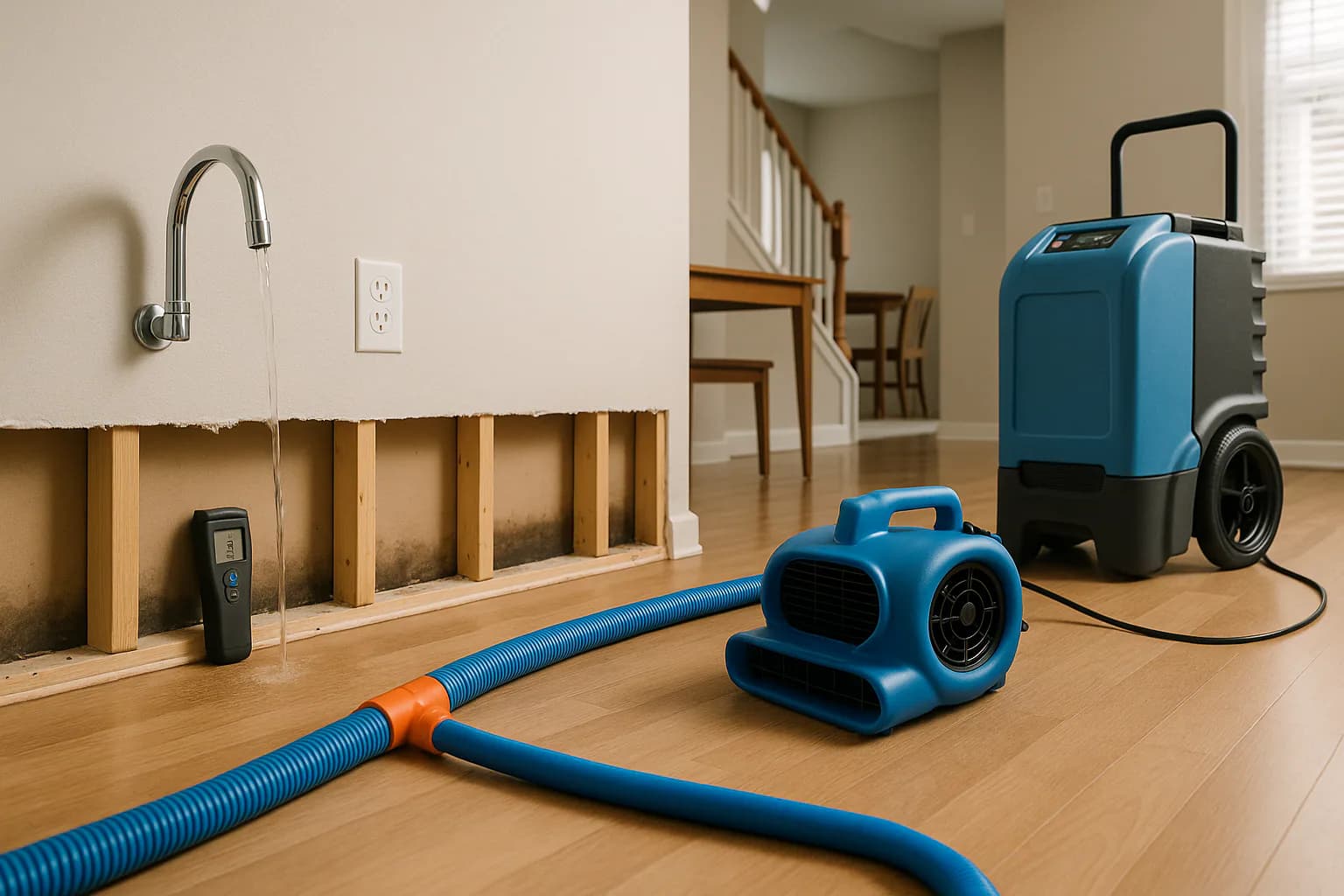
Clean water damage usually starts from a sanitary source, such as a broken supply line, an overflowing fixture without added contaminants, or water from melting ice or appliance condensation. Even when the water looks clear, it can pick up contaminants as it contacts floors, drywall, insulation, or carpet.
Prompt drying is important. Drying wet building materials within about 24 to 48 hours when possible can help reduce further damage and reduce the conditions that allow mold to grow. Hidden leaks or water that has spread into walls or under flooring may need moisture detection and direct inspection.
- Broken or leaking water supply pipes
- Overflowing sinks or tubs without added contaminants
- Fresh rainwater before it contacts soil or debris
- Melting ice or appliance condensation
Gray Water Damage
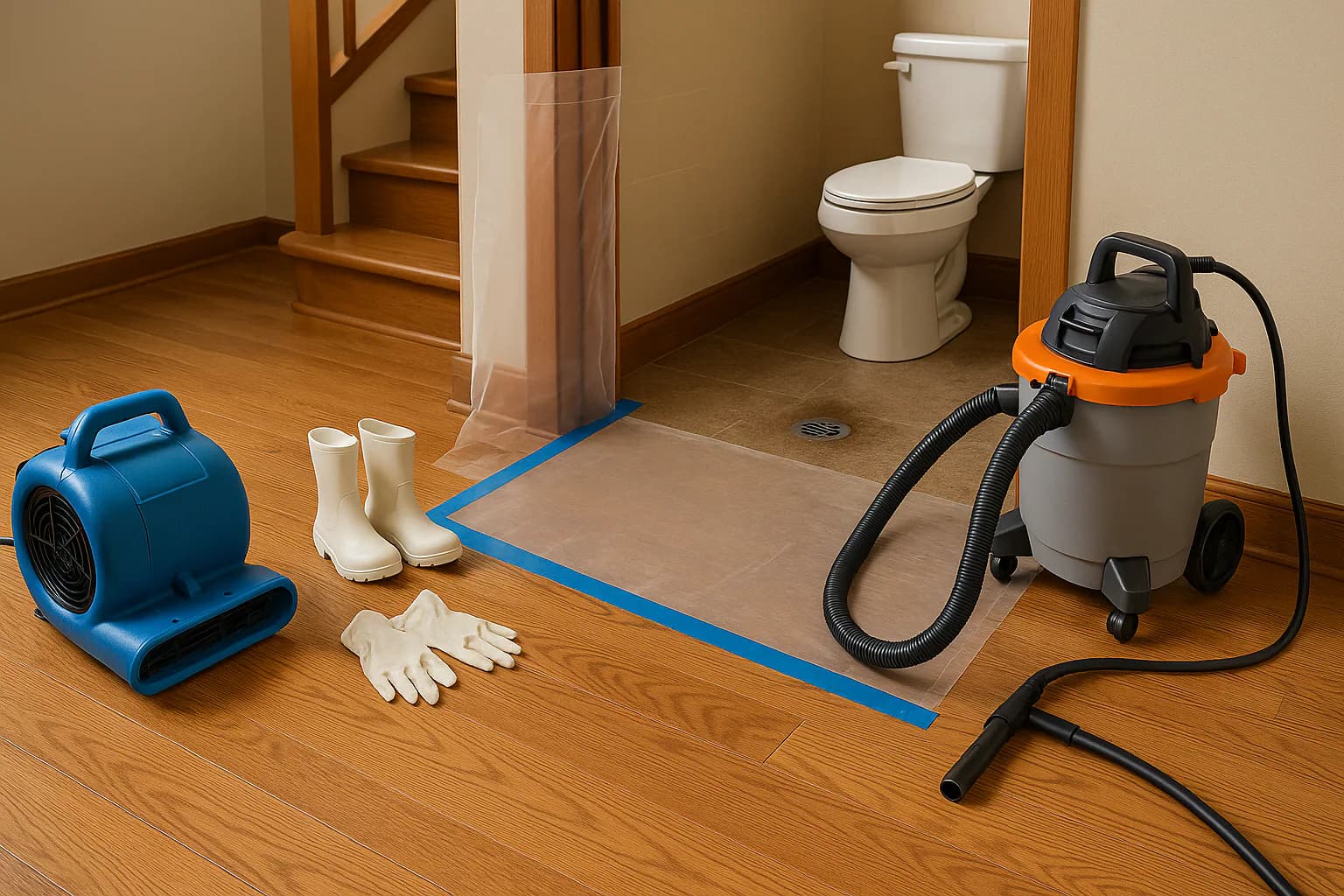
Gray water contains contamination that makes direct contact or ingestion unsafe. It may include soaps, food residues, chemicals, or microorganisms. Common sources include washing machine or dishwasher discharge, toilet overflow with urine only, and some sump pump failures where the water has picked up contaminants.
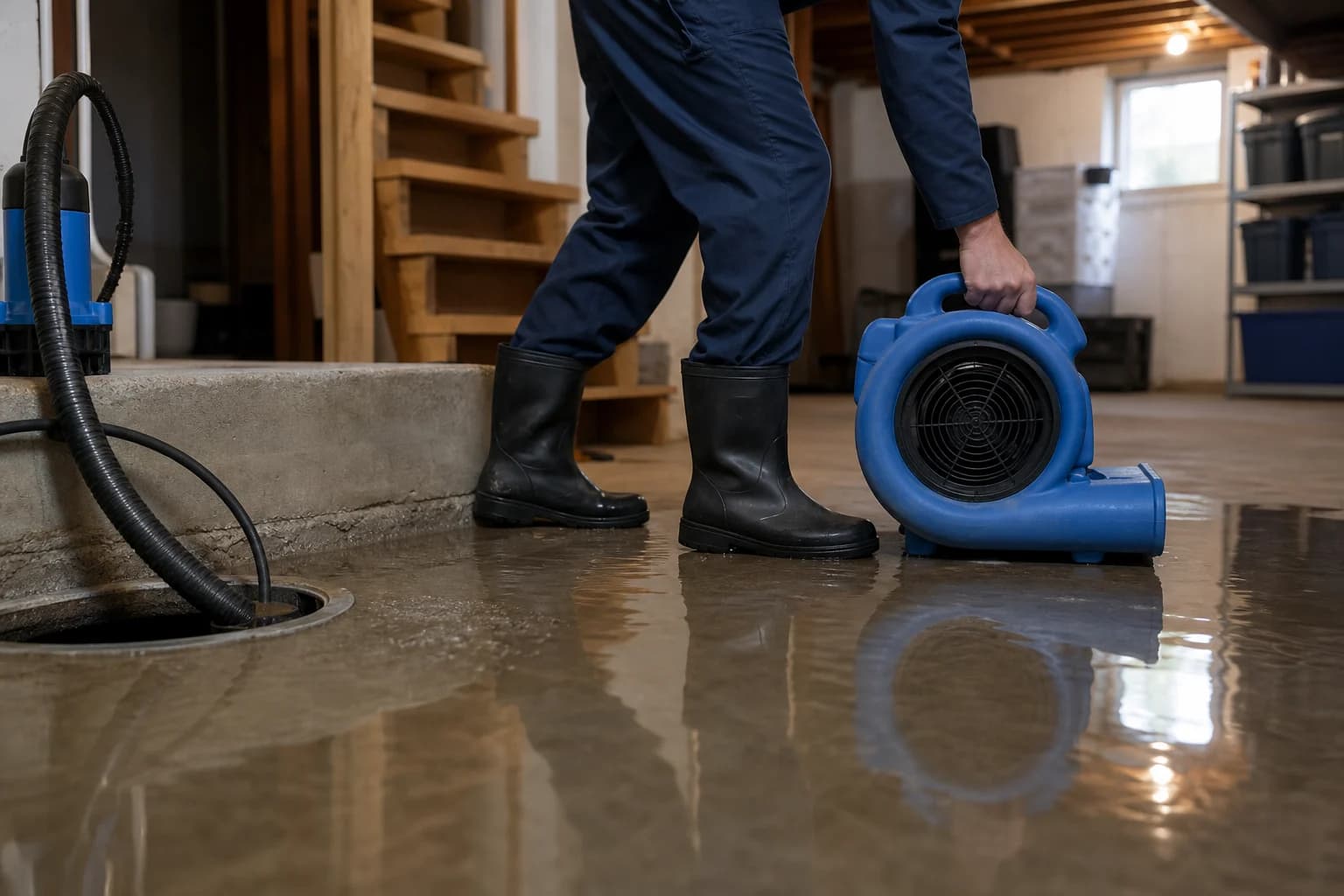
Gray water calls for careful handling and sanitation. Protective gloves and boots are commonly used, and additional protective equipment may be needed depending on the conditions. If gray water remains in place, contamination can increase as it spreads or sits, so the cleanup approach may need to change.
- Washing machine or dishwasher discharge
- Toilet overflow with urine only
- Sump pump failure with some contamination
- Water that has flowed across floors and picked up residues
Black Water Damage
Black water is highly contaminated and requires professional sanitation procedures. It can include sewage backups, floodwater that has moved through soil or streets, and water mixed with solid waste or hazardous materials. CDC guidance treats floodwater and sewage as contaminated and recommends avoiding exposure.
After flooding or sewage backup, keep people and pets away from the affected area if it can be done safely. Do not handle contaminated water or materials without proper protective equipment and safe procedures. A local restoration pro can assess the site and determine which materials may need removal and sanitation.
- Sewage backups
- Floodwater that moved through soil or streets
- Toilet overflow with solid waste
- Water visibly mixed with hazardous materials
How the Category Can Change
Water category is not fixed. Clean water can become contaminated after contact with building materials, soil, sewage, or other residues. Water that sits can also spread farther into hidden areas, making cleanup more complicated.
That is why source alone is not always enough. Source, path, contact with materials, and time all matter. If the category is unclear, it is safer to avoid direct contact until the damage is assessed.
What an On-Site Assessment Looks For
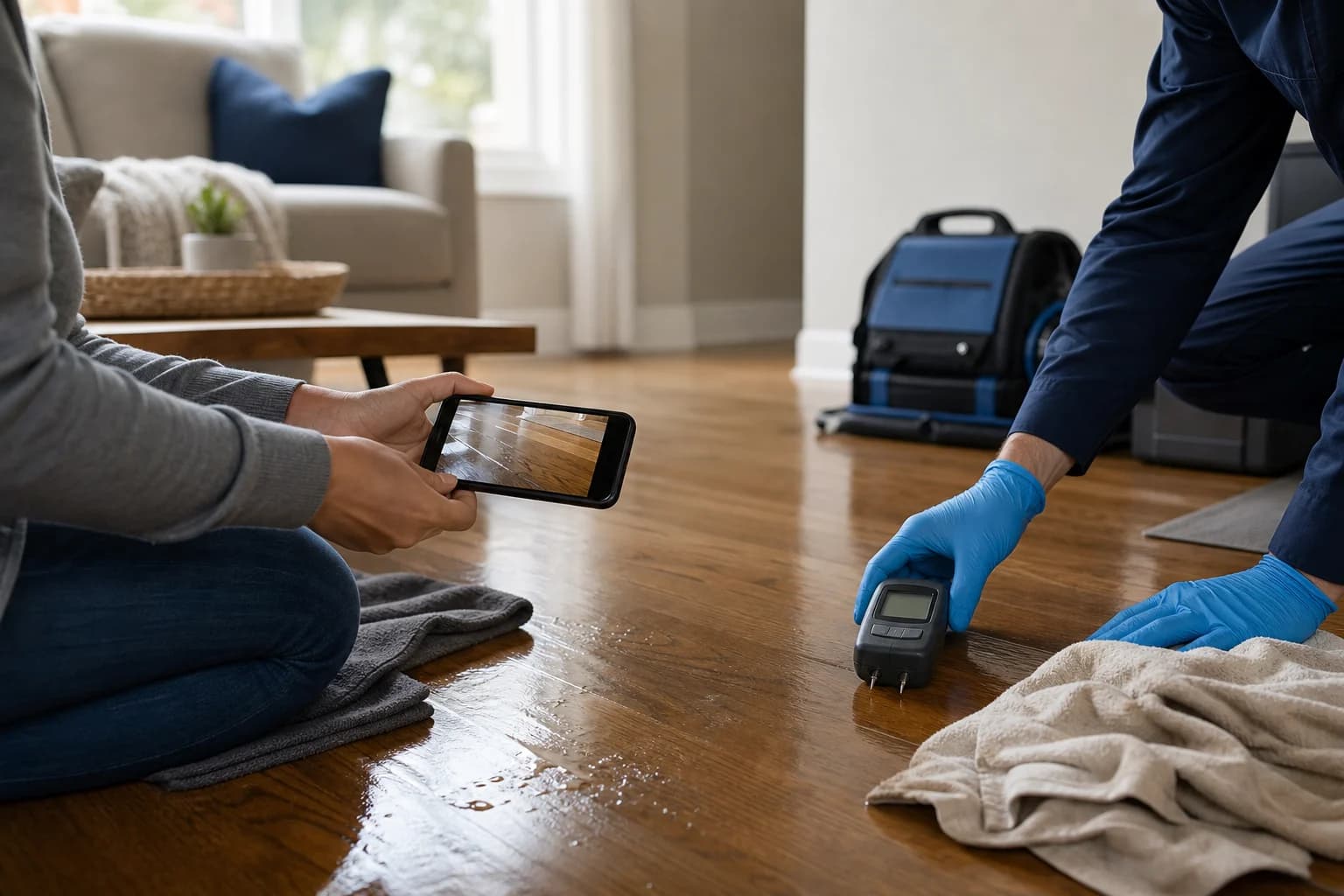
Restoration professionals assess the source, the extent of damage, and where moisture has traveled. They may inspect behind walls, under flooring, and in insulation, since visible surfaces do not always show the full extent of the problem. Moisture meters can help identify hidden wet areas.
Thermal imaging may show temperature patterns that suggest hidden moisture, but it does not prove moisture or mold by itself. Direct measurement or inspection is still needed. The assessment also helps determine whether materials can be dried and cleaned or whether some items should be removed for safe restoration.
Safe Steps Before Help Arrives
Until a local pro can assess the damage, a few cautious steps can help limit additional problems. These steps should stay conditional and should not put anyone at risk from standing water, contamination, or energized equipment.
- If possible, identify the source without entering unsafe areas.
- Avoid direct contact with gray or black water.
- Keep pets and family away from contaminated areas.
- Do not try to clean or dry materials affected by black water.
- Use fans or ventilation only when water is confirmed clean and there is no visible or suspected contamination.
- Move valuables only if it can be done safely.
Moisture Control and Mold Conditions
Fast drying matters because it reduces the conditions that allow mold to grow. EPA guidance also notes that wet building materials should be dried within about 24 to 48 hours when possible. That does not support mold will not develop, but it can help limit moisture-related damage.
If materials remain wet, the cleanup plan may need to focus on moisture removal, cleaning decisions, and whether some porous materials should be taken out. The best approach depends on what was wet, how long it stayed wet, and whether contamination is present.
Insurance and Documentation
Coverage and claim outcomes depend on the cause of the loss, the policy language, exclusions, endorsements, limits, deductible, and the facts of the claim. Homeowners should review the policy and contact the insurer directly with questions.
Documentation from an on-site assessment can help show the source, extent, and condition of the damage. A local pro may record moisture findings and affected materials as part of the cleanup process and insurance documentation.
How Water Restoration Pros Helps You Connect
Water Restoration Pros is a nationwide connection brand that helps property owners connect with independent restoration professionals. It is not a contractor and does not perform the restoration work itself.
If the water category is unclear, or if the damage involves contaminated water, a local pro can evaluate the site and recommend a safe cleanup plan based on the conditions present.
Not Sure What You're Dealing With?
Contaminated water needs safe, professional handling. Call Water Restoration Pros to get connected with restoration professionals that service your area and can assess the situation and clean it up properly.
Call (833) 968-0848Frequently asked questions
Can clean water turn into gray or black water?
Is gray water safe to touch?
Can black water be cleaned like a normal spill?
Does the water category affect whether materials can be saved?
How quickly should wet materials be dried?
What does Water Restoration Pros do?
Sources reviewed (4)
- CDC - Guidelines for Cleaning Safely After a Disaster: CDC safety guidance for floodwater, sewage, protective equipment, and contaminated materials.
- CDC - Septic and Onsite Wastewater Systems After Flooding: CDC guidance on sewage exposure, wastewater overflows, and precautions after flooding.
- U.S. EPA - A Brief Guide to Mold, Moisture and Your Home: EPA guidance on moisture control, prompt drying, indoor humidity, and mold cleanup decisions.
- U.S. EPA - Mold Course Chapter 2: EPA guidance to dry wet building materials within about 24 to 48 hours when possible.