Water Damage vs. Flood Damage
Water damage and flood damage are not the same thing. The source of the water matters. Water damage often starts inside the home, such as from a leaking appliance, a burst pipe, or a roof leak. Flood damage refers to water that rises from outside and enters the property. That difference can affect cleanup planning, documentation, and how an insurer reviews the loss.
Why the Source Matters
Insurance and restoration decisions often begin with the cause of the water intrusion. A standard homeowners policy may address some losses that start inside the home, while external flooding is typically handled under separate flood insurance. Coverage depends on the policy language, exclusions, endorsements, limits, deductible, and the facts of the claim. The homeowner should review the policy and contact the insurer for guidance.
Common Signs of Water From Inside the Home
Internal water damage is often localized near the source. It may appear around plumbing fixtures, appliances, ceilings, or roof lines. Wet carpet, stained drywall, and damp baseboards can all occur with this type of loss. These signs may help a local pro trace where the water started, but they do not replace direct inspection and measurement.
Common Signs of Flood Damage
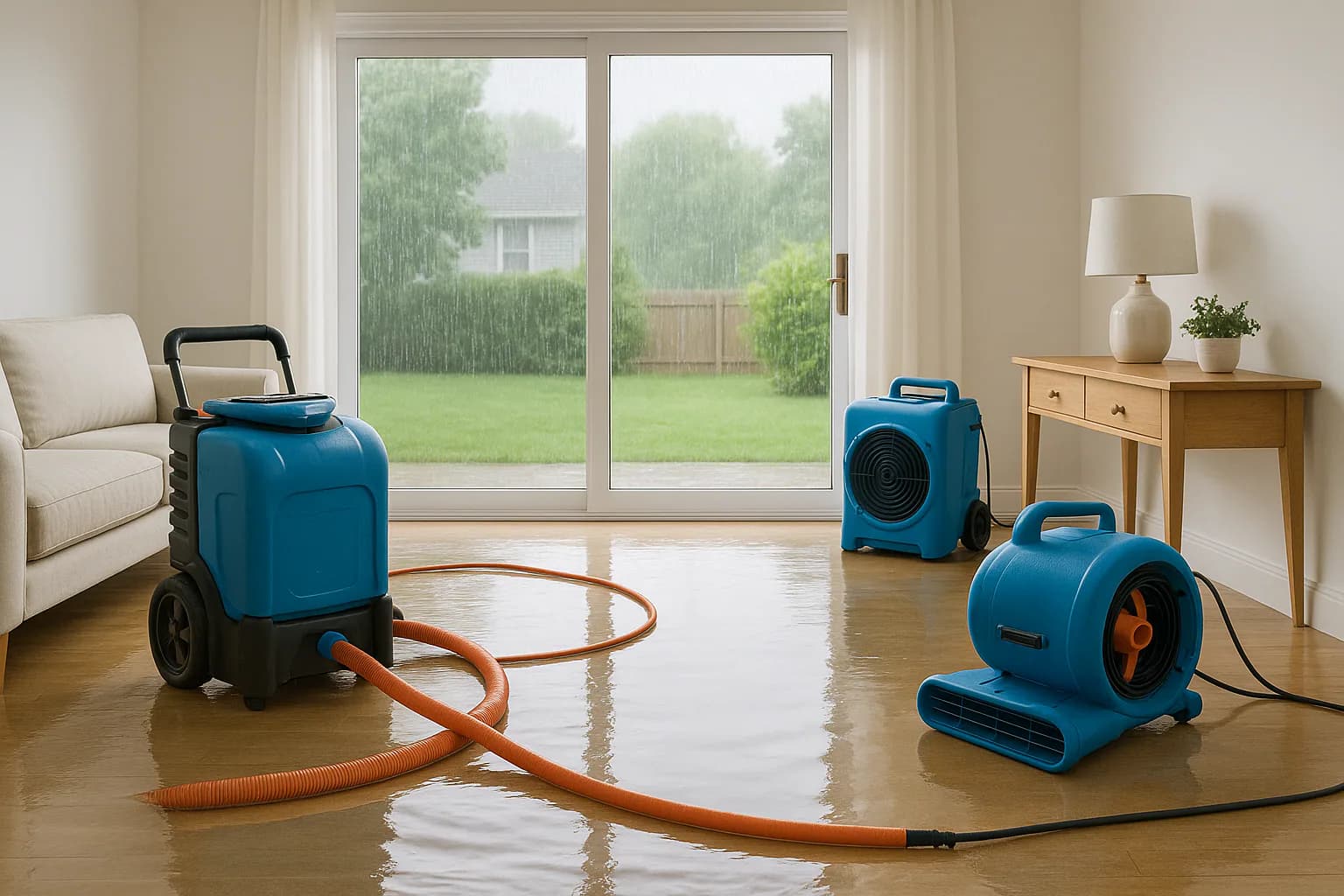
Flood damage usually affects broader areas and may bring in debris or dirty water from outside. It can affect more than one part of a home at once, especially when water enters from the ground level. Floodwater should be treated as potentially contaminated, and homeowners should avoid exposure and follow public-health guidance during cleanup and reentry.
Document the Loss Before Cleanup
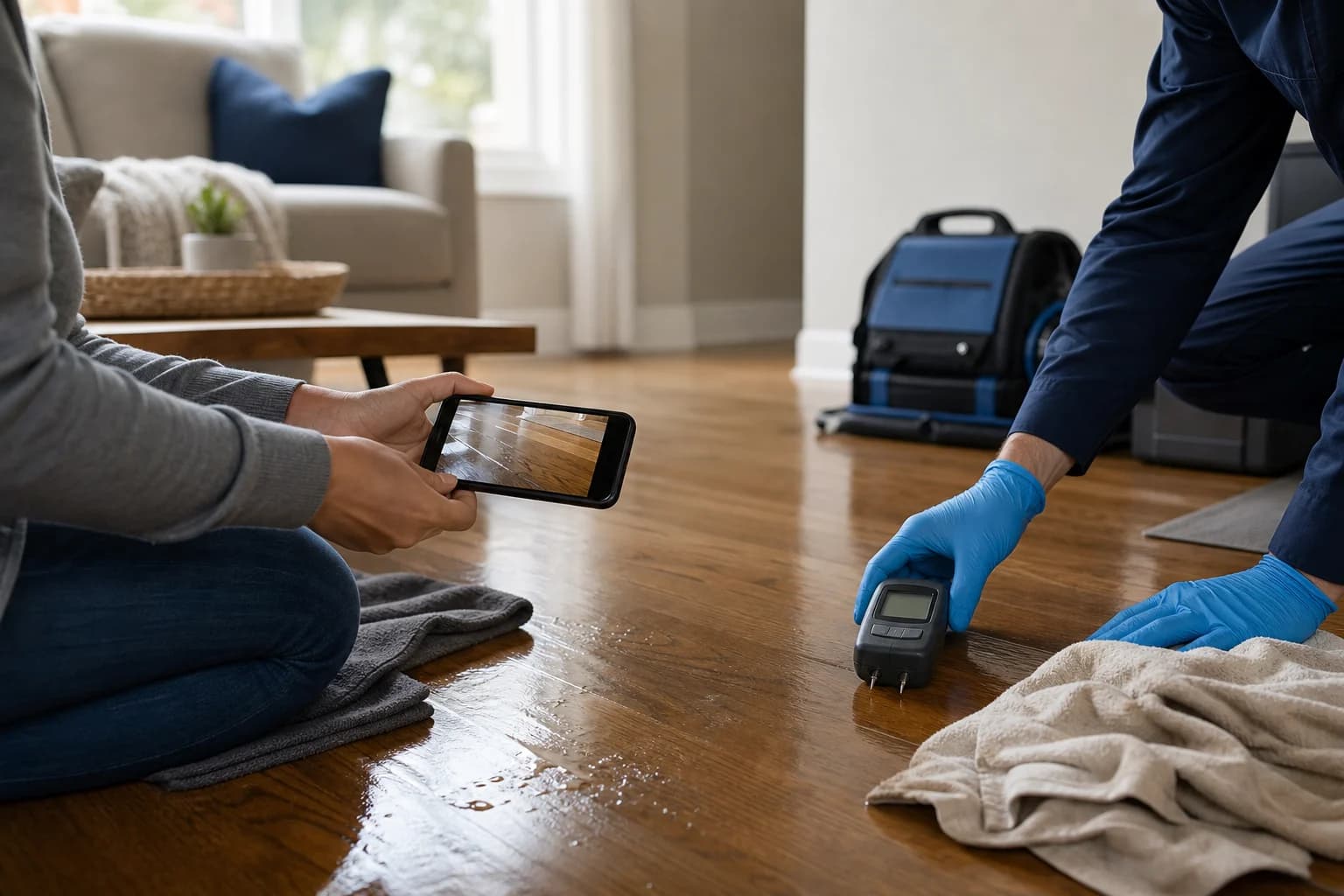
Clear documentation can help a restoration professional understand the situation and can support an insurance claim review. Photos, notes, and the timing of when the water was first noticed are useful. It also helps to record where the water appeared, which rooms were affected, and whether the source seemed to come from inside the home or from outside.
Safe First Steps After Water Intrusion
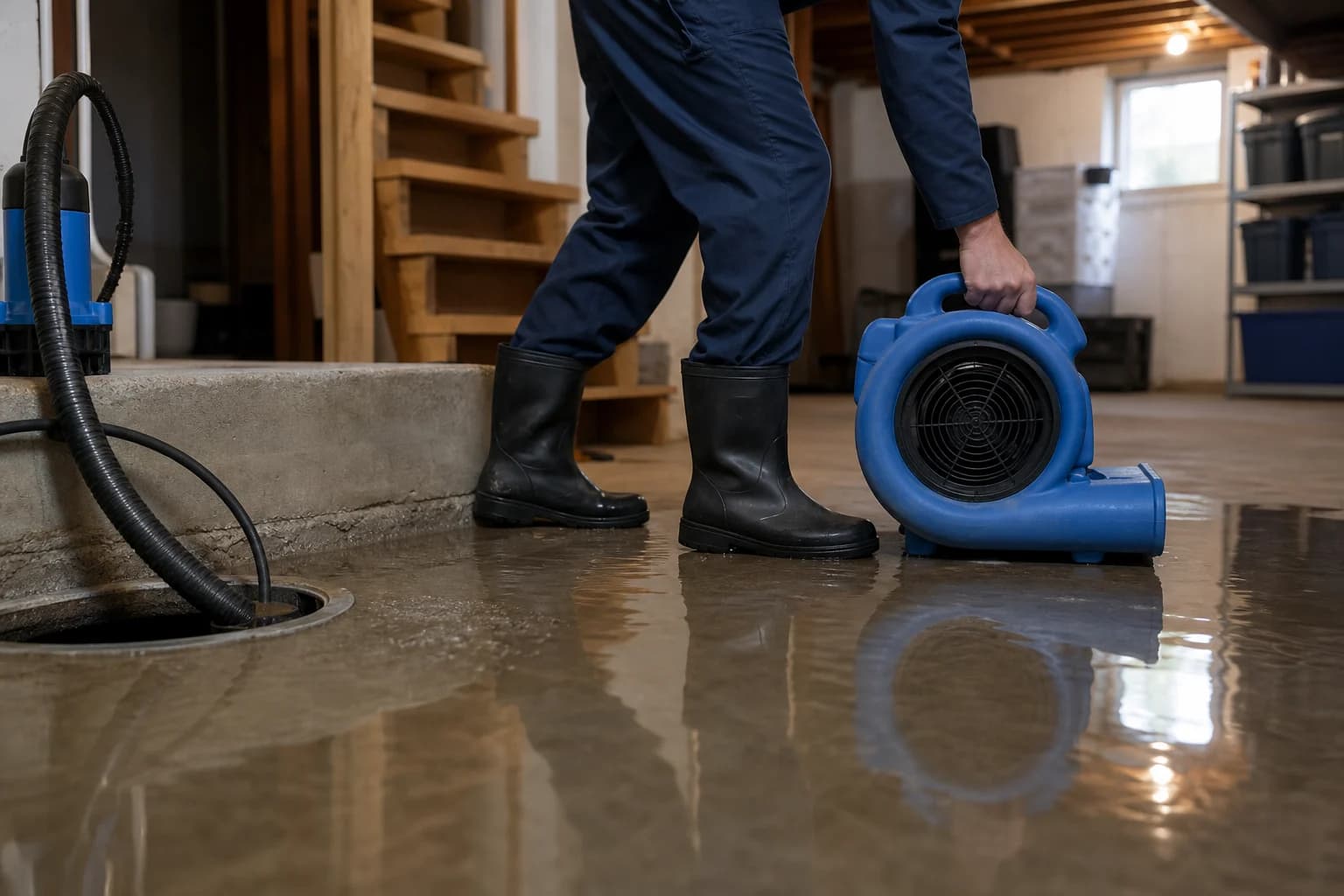
Safety comes first. The CDC advises avoiding standing water if electrical hazards may be present, and flooded areas should not be entered until they are safe. If it is safe to do so, ventilation, water removal, and drying can begin promptly. Fast drying helps reduce the conditions that allow mold to grow.
If the water may be contaminated, such as floodwater or sewage, cleanup should be handled with care. Avoid direct contact and follow public-health guidance. Fans and open windows can help with drying only when the water is not contaminated and the area is safe to work in.
Dry Wet Materials as Soon as Possible
EPA guidance says wet building materials should be dried within about 24 to 48 hours when possible. Quick drying helps limit further deterioration and reduces the conditions that allow mold to grow. If materials stay wet, a local pro may need to assess what can be dried, cleaned, or removed based on the extent of the damage.
What a Local Pro Can Check
Restoration professionals can inspect the affected area, look for hidden moisture, and help identify the likely path of water spread. Thermal imaging may show temperature patterns that suggest wet areas, but it does not prove moisture or mold without direct measurement or inspection. Moisture meters and other tools are used to confirm what is actually wet.
When to Bring in a Professional
An on-site assessment is useful when the source is unclear, water may be trapped inside walls or under floors, or the affected area is large. It is also important when the water may be contaminated. The pros in your area can help document conditions, assess drying needs, and recommend next steps based on what they find.
Insurance Questions to Ask
The homeowner should ask the insurer how the loss may be reviewed under the policy. Helpful questions include whether the damage appears to be treated as internal water damage or flood damage, what documentation is needed, and what steps should be taken before repairs begin. The insurer makes the final coverage determination based on the policy and the claim facts.
Questions that help clarify the source
Start with the path the water took. Water that began inside a plumbing, appliance, or building system should be documented differently from water that rose or flowed across the ground before entering. Photograph the likely entry point, the highest visible water line, nearby fixtures or drains, and conditions outside the building. A plumber, roofer, property manager, or restoration assessment may provide additional observations, but the insurer decides how the policy applies.
Do not change the scene merely to make the cause look clearer. Take reasonable steps to limit additional damage when it is safe, keep receipts, and preserve notes about weather, shutoffs, alarms, and the time of discovery. FloodSmart and NAIC guidance both support reviewing the applicable policy and reporting the loss promptly. When the source remains uncertain, describe what is observable instead of guessing at coverage or responsibility. Keep the original photographs and notes even if later inspections refine the likely source.
Dealing With Water or Flooding?
However it's classified, standing water keeps causing damage. Call Water Restoration Pros to get connected with restoration professionals that service your area and can begin cleanup and document the damage.
Call (833) 968-0848Frequently asked questions
What is the main difference between water damage and flood damage?
Is flood damage covered by a standard homeowners policy?
How can a homeowner tell where the water came from?
What should be done first after water enters a home?
How fast should wet materials be dried?
Does thermal imaging prove there is moisture or mold?
Sources reviewed (5)
- CDC - Reentering Your Flooded Home Safely: CDC guidance on electrical hazards, standing water, ventilation, cleanup, and reentry after flooding.
- U.S. EPA - Flooded Home: EPA safety and drying guidance for homes affected by floodwater, moisture, and mold.
- FloodSmart. gov - National Flood Insurance Program: Federal consumer information about flood insurance and the distinction between flood and homeowners coverage.
- U.S. EPA - A Brief Guide to Mold, Moisture and Your Home: EPA guidance on moisture control, prompt drying, indoor humidity, and mold cleanup decisions.
- U.S. EPA - Mold Course Chapter 2: EPA guidance to dry wet building materials within about 24 to 48 hours when possible.