What you may notice
A storm caused a roof leak or water intrusion
Wind-driven rain pushed water in around windows or walls
Storm flooding or runoff entered the property
Ceilings, walls, or floors are wet after severe weather
Water Damage Service
Storms drive water into buildings through roofs, windows, and rising water outside. Water Restoration Pros helps property owners connect with storm water damage restoration help.
Service overview
Storm water damage restoration help that addresses intrusion from roof leaks, wind-driven rain, and storm flooding.
Recognize the problem
Start with what you can safely observe. The source, the type of water, and the materials affected determine the response after an on-site assessment.
A storm caused a roof leak or water intrusion
Wind-driven rain pushed water in around windows or walls
Storm flooding or runoff entered the property
Ceilings, walls, or floors are wet after severe weather
Roof damage and leaks during storms
Wind-driven rain forced past windows, doors, and siding
Storm flooding and overwhelmed drainage
Fallen debris that breaches the building envelope
Why timing changes the outcome
Roof-leak water travels through ceilings and into walls. Wet insulation and drywall lose effectiveness and strength.
Fast response limits secondary damage and mold conditions.
In-depth guidance
Severe weather can breach a building in several places at once: a roof leak overhead, wind-driven rain around windows, and rising water at grade. Each path soaks different materials, so restoration starts by mapping where the water actually went.
Addressing the intrusion and drying the structure quickly is what keeps a storm event from turning into long-term interior damage.
Storms can lead to water intrusion in various ways, each impacting insurance differently. Roof intrusion occurs when water leaks through damaged roofing materials or clogged gutters. Wind-driven rain can force water through windows, doors, and walls, often causing leaks far from the entry point. Rising water, such as floods, enters buildings from the ground level. This type is typically not covered by standard homeowners insurance and requires separate flood insurance.
Understanding how water entered a building is crucial for insurance claims. Roof and wind-driven rain damage may be covered under standard policies, whereas rising floodwaters usually require separate flood insurance. Documenting the source and path of water intrusion helps in determining the appropriate coverage and necessary repairs.
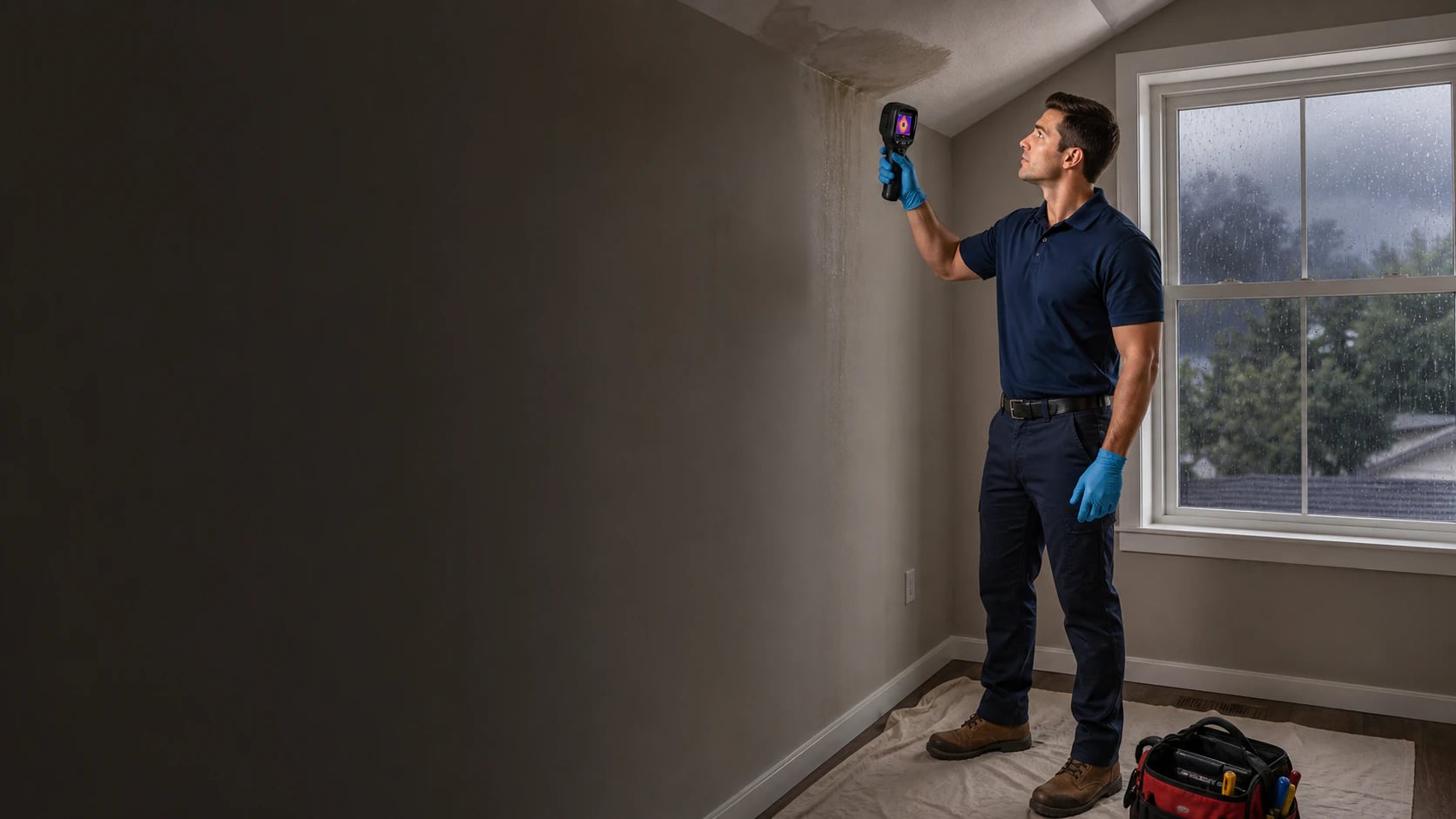
Once a storm subsides, restoration professionals begin a thorough assessment. They inspect the property to identify all points of water entry and evaluate the extent of damage. This includes checking roofs, walls, and foundation for structural integrity. Pros also assess moisture levels in materials to prevent mold growth.
They prioritize immediate mitigation steps, such as water extraction and drying, to minimize further damage. Using specialized equipment, they remove standing water and dehumidify affected areas. This assessment and initial response are critical in planning effective restoration strategies and reducing long-term repair costs.
Wind-driven rain can cause water to enter through windows and doors, leading to leaks in unexpected locations. The pressure of the wind can push water into small openings, allowing it to travel along internal structures before emerging. This often results in water damage appearing far from the initial entry point.
Understanding this phenomenon is important for effective restoration. Professionals use moisture sensors and thermal imaging to trace the water’s path and identify all affected areas. Properly sealing and reinforcing windows and doors can prevent future leaks and protect against storm damage.
Professional response
The exact scope changes with the water source and affected materials, but a measured restoration response generally moves through three phases.
Assess and stabilize
Identify where storm water entered and how far it spread through the structure.
Where appropriate, help limit further intrusion while restoration is arranged.
Remove and dry
Remove standing water and take out saturated materials that cannot be saved.
Set air movers and dehumidifiers and monitor moisture in affected materials.
Verify and recover
Outline the repairs needed for the building envelope and interior finishes.
Identify where storm water entered and how far it spread through the structure.
Where appropriate, help limit further intrusion while restoration is arranged.
Remove standing water and take out saturated materials that cannot be saved.
Set air movers and dehumidifiers and monitor moisture in affected materials.
The answer should be specific to the property and reflected in the written scope.
The answer should be specific to the property and reflected in the written scope.
The answer should be specific to the property and reflected in the written scope.
Before help arrives
Only take steps you can complete safely. Leave the area and wait for qualified help if there is an electrical, structural, or contamination risk.
Stay clear of structural hazards and downed power lines.
Contain active leaks with buckets and tarps if it is safe.
Turn off power to wet areas if water is near electrical.
Photograph the storm damage for your insurance claim.
Call to connect with storm water damage help.
These are general precautions for storm water damage restoration; conditions at the property determine what is safe and appropriate.
Choose a state on the map or open its city directory to find storm water damage restoration pages for your area.
Storm Water Damage in California
View state pageStorm Water Damage in Connecticut
View state pageStorm Water Damage in Delaware
View state pageStorm Water Damage in Florida
View state pageStorm Water Damage in Georgia
View state pageStorm Water Damage in Illinois
View state pageStorm Water Damage in Kansas
View state pageStorm Water Damage in Louisiana
View state pageStorm Water Damage in Maine
View state pageStorm Water Damage in Michigan
View state pageStorm Water Damage in Mississippi
View state pageStorm Water Damage in Montana
View state pageStorm Water Damage in Nebraska
View state pageStorm Water Damage in New Hampshire
View state pageStorm Water Damage in New Mexico
View state pageStorm Water Damage in New York
View state pageStorm Water Damage in North Carolina
View state pageStorm Water Damage in North Dakota
View state pageStorm Water Damage in Oklahoma
View state pageStorm Water Damage in Pennsylvania
View state pageStorm Water Damage in Rhode Island
View state pageStorm Water Damage in South Dakota
View state pageStorm Water Damage in Vermont
View state pageStorm Water Damage in West Virginia
View state pageStorm Water Damage in Wyoming
View state pageThese sources support restoration, safety, moisture, cleanup, and scope guidance. They do not serve as numeric pricing provenance.
Explore the service path
Other ways we help after water damage.
 Water Damage RestorationWhole-home help after leaks, flooding, wet materials, and standing water.View water damage restoration
 Flood Damage CleanupCleanup and drying after storm flooding, rising water, and indoor floods.View flood damage cleanup
 Ceiling Water Damage RepairHelp for wet, stained, or sagging ceilings from leaks above.View ceiling water damage
 Structural DryingControlled drying of framing, drywall, subfloor, and building materials.View structural drying
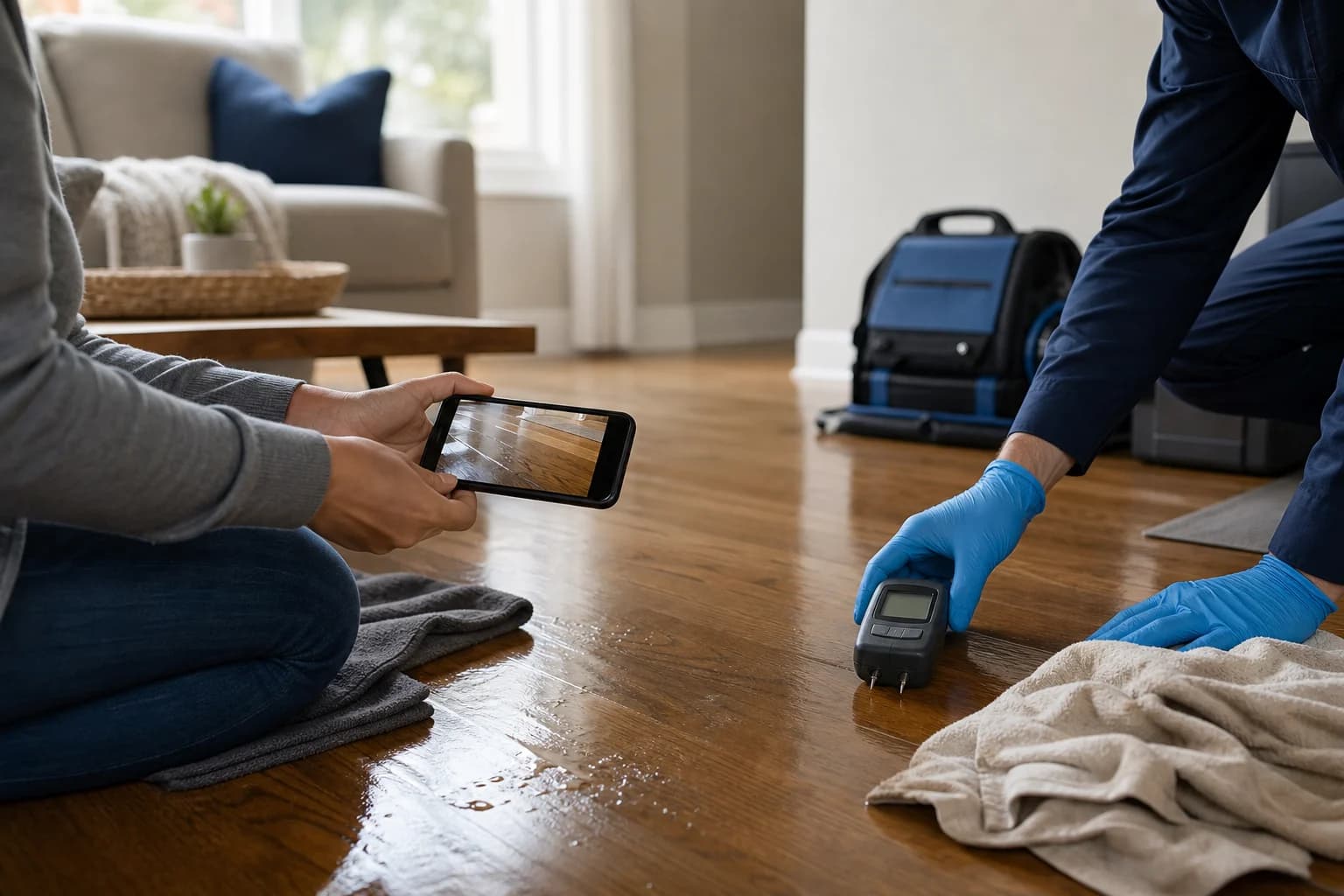 Emergency Response
This guide explains what to do right after water damage occurs, with practical steps to limit further issues, keep your home safe, and help with insurance documentation.
Read guide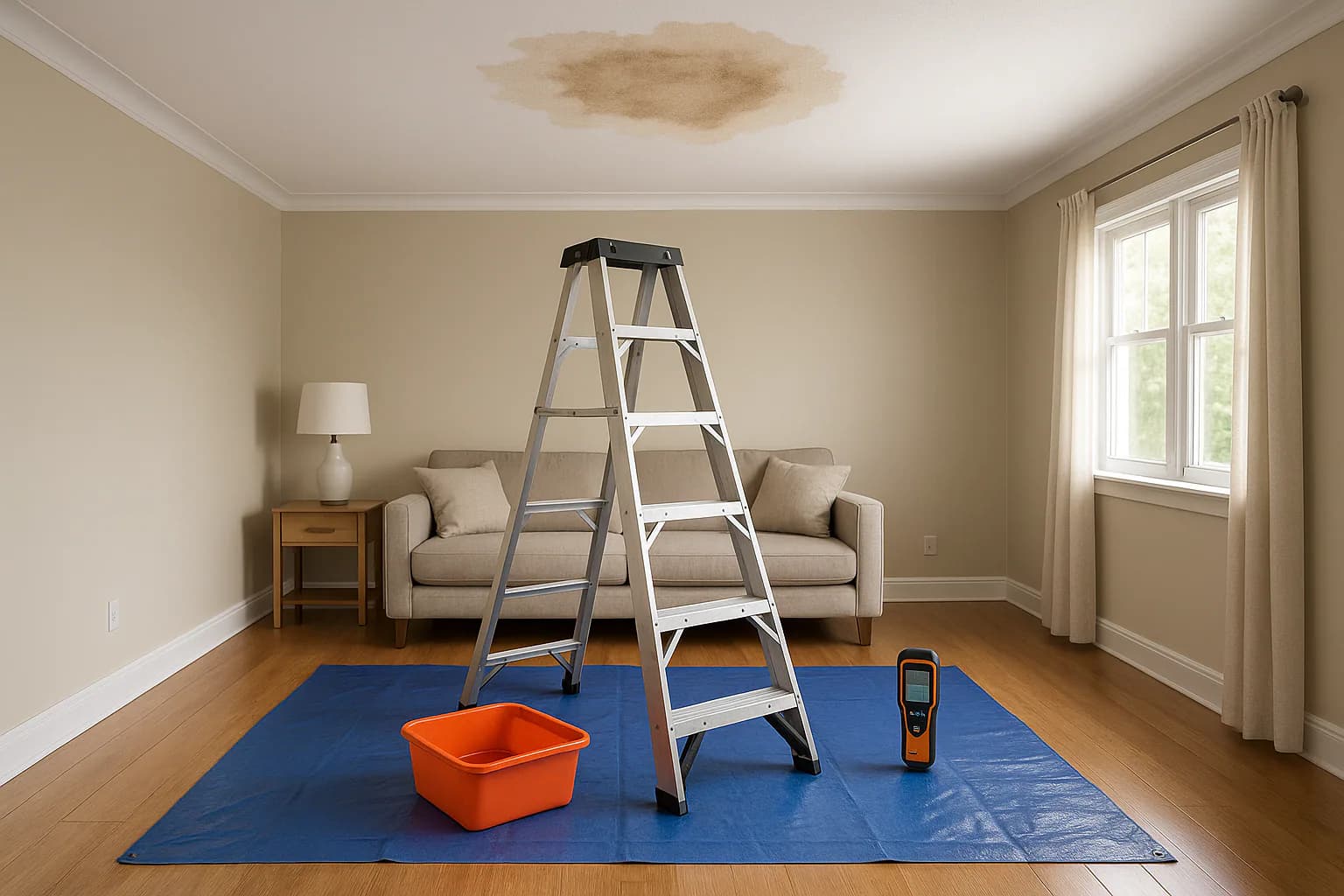 Water Damage Basics
Ceiling water damage often starts with leaks or condensation above. This guide explains common causes and practical signs to watch for, so homeowners can respond quickly.
Read guide Insurance & Claims
Coverage depends heavily on the cause and your specific policy. Here's a general overview of how water damage claims are often approached and why documentation matters.
Read guideCall Water Restoration Pros to connect with storm water damage restoration help in your area.
Call (833) 968-0848 · No-obligation · Availability varies by area