Ideal Indoor Humidity After Water Damage
After water damage, indoor humidity is only one part of the drying picture. The EPA advises prompt drying and notes that wet building materials should be dried within about 24 to 48 hours when possible. Lower humidity can support conditions that are less favorable for mold growth, but air readings alone do not show whether drywall, flooring, insulation, or contents are actually dry.
Water Restoration Pros connects homeowners with independent restoration professionals who can inspect the affected area, check moisture in materials, and plan drying before repairs begin. That matters because a room can feel dry while hidden moisture remains inside building materials.
What Relative Humidity Can Tell You
Relative humidity gives a general picture of moisture in the air. It can help restoration professionals judge whether drying equipment is moving the space in the right direction. EPA guidance supports keeping indoor humidity below 60 percent whenever possible, along with prompt drying to reduce the conditions that allow mold to grow.
Still, relative humidity is only an indicator. A room may seem comfortable while water remains trapped in porous materials. For that reason, drying decisions should rely on both air conditions and direct moisture checks.
Why Moisture Readings Matter
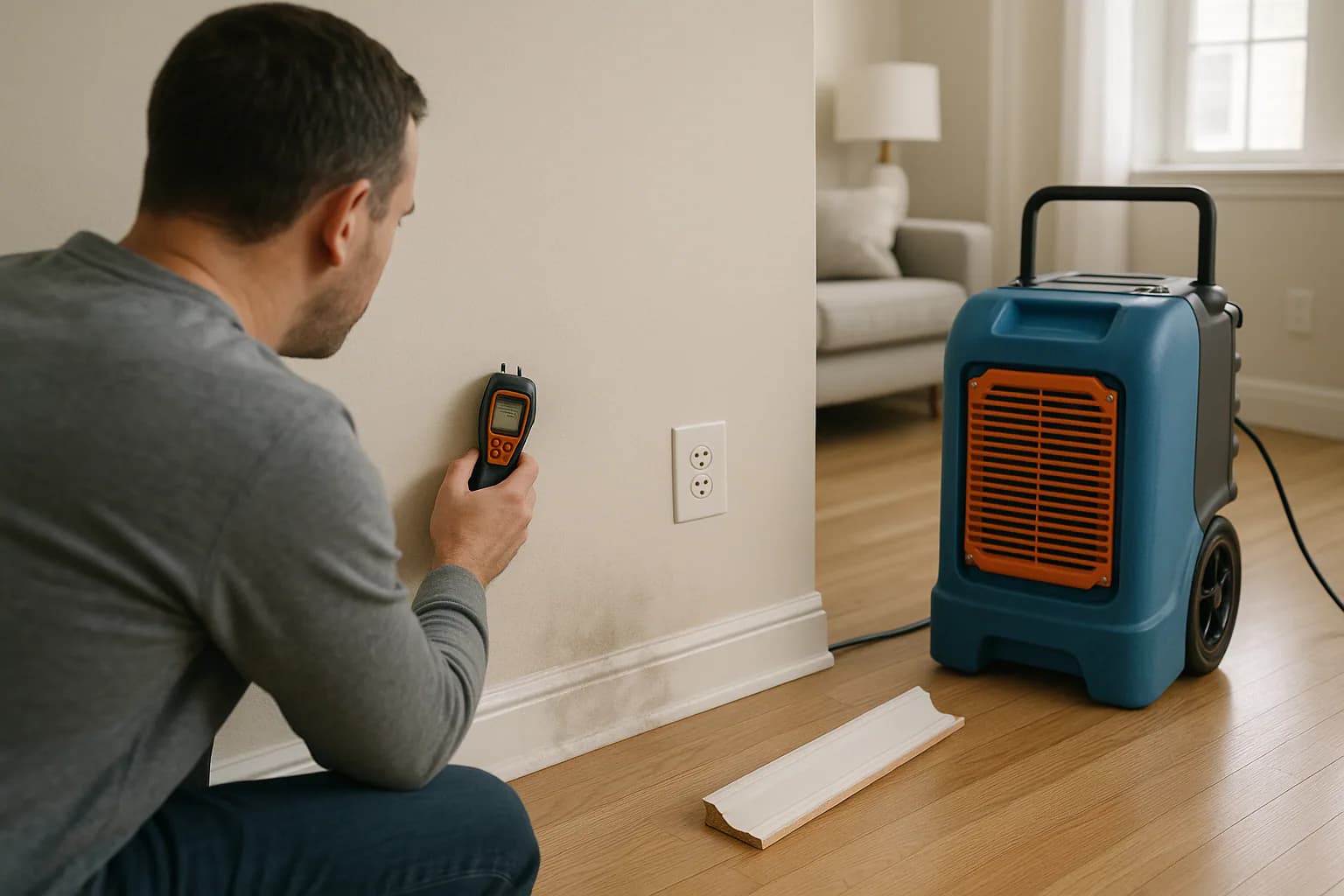
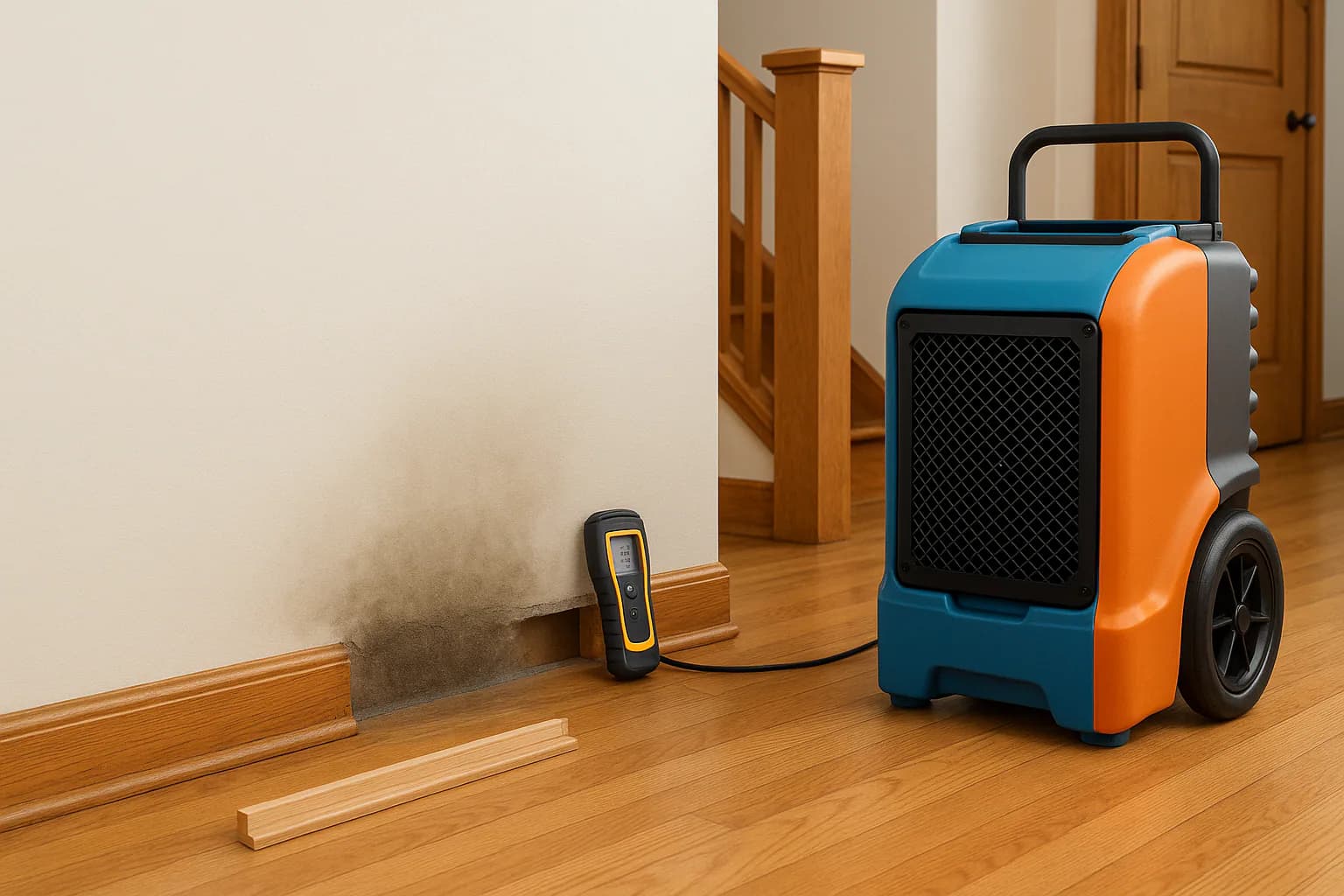
Moisture meters and other inspection tools help confirm whether materials are still damp. These readings are more useful than comfort alone because hidden moisture can remain after the surface looks or feels dry. The goal is to identify wet areas before rebuilding starts.
Thermal imaging can help screen for temperature patterns that may point to damp areas, but it does not prove moisture or mold by itself. Direct measurement and inspection are still needed to confirm whether materials are dry enough for repairs.
How Drying Equipment Supports the Process
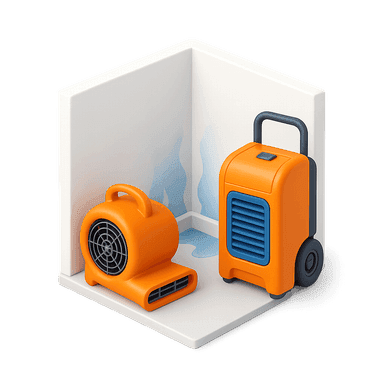
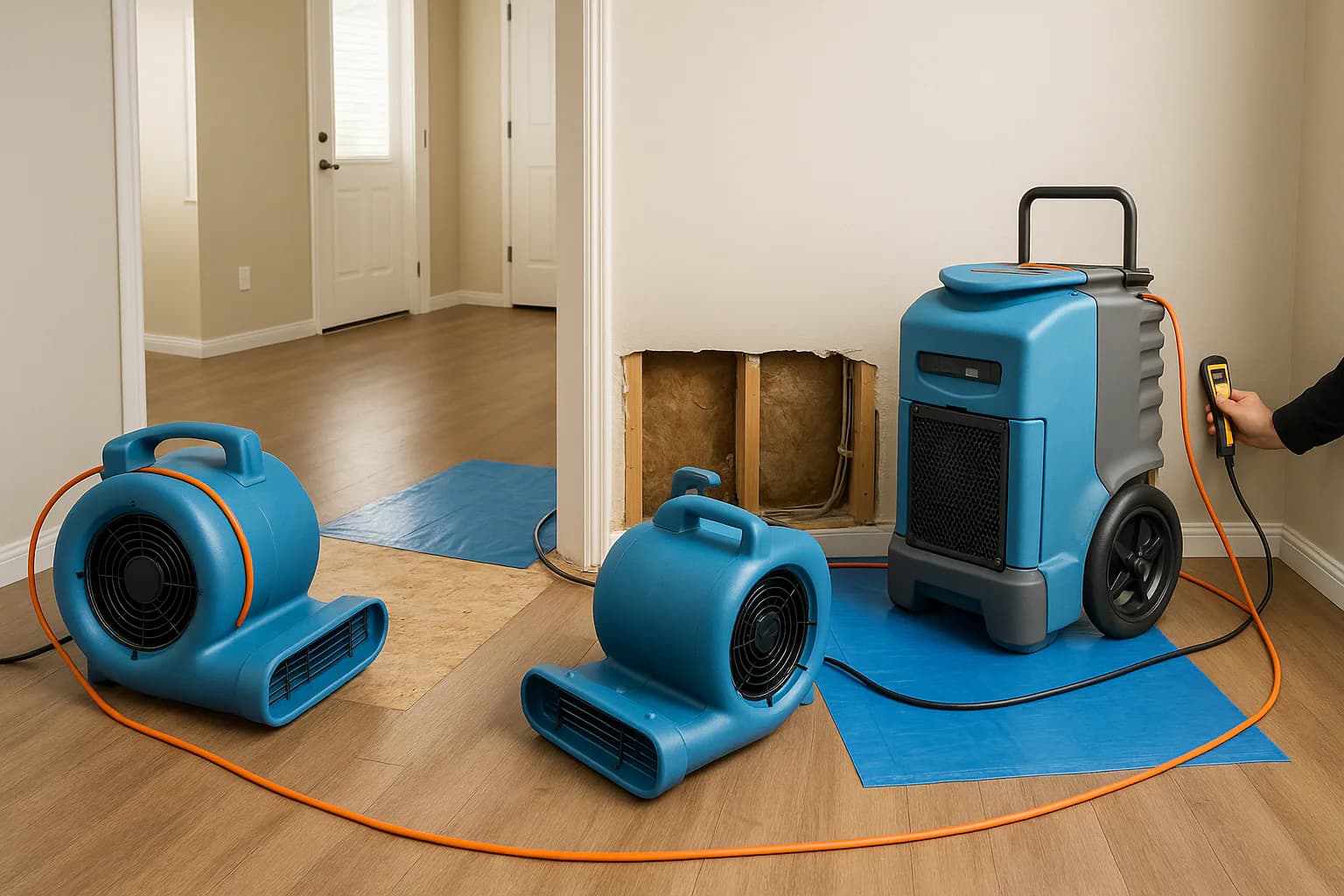
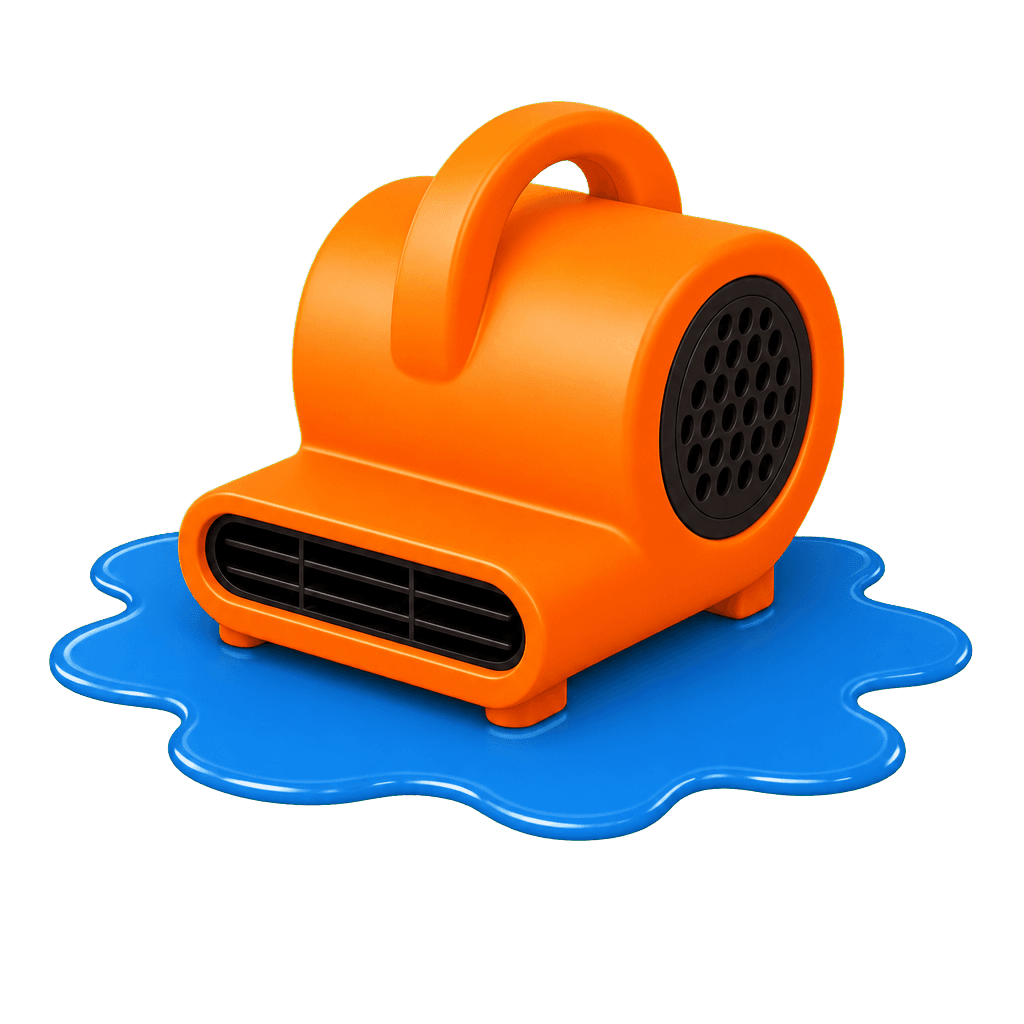
Dehumidifiers reduce moisture in the air, and air movers help move air across wet surfaces so materials can dry more evenly. Independent restoration professionals choose and place equipment based on the size of the affected area, the materials involved, and how drying is progressing.
If humidity remains high or drying slows, equipment may need to be repositioned or adjusted. Weather, ventilation, and the condition of the building can also affect indoor conditions, so the drying plan often changes as the space is monitored.
When Humidity Stays High
High humidity after water damage can suggest that moisture is still trapped in building materials, airflow is limited, or the drying setup needs adjustment. Ongoing leaks or continued water intrusion can also keep conditions damp.
When drying stalls, the pros in your area may look for concealed wet spots and check whether the equipment is sized and placed correctly. The aim is to address the moisture source and continue drying before repairs move forward.
Signs That More Inspection Is Needed
Certain conditions can point to hidden moisture and a need for further inspection:
- Indoor humidity stays elevated even with drying equipment running
- Materials do not dry within the EPA’s about 24 to 48 hour guideline when possible
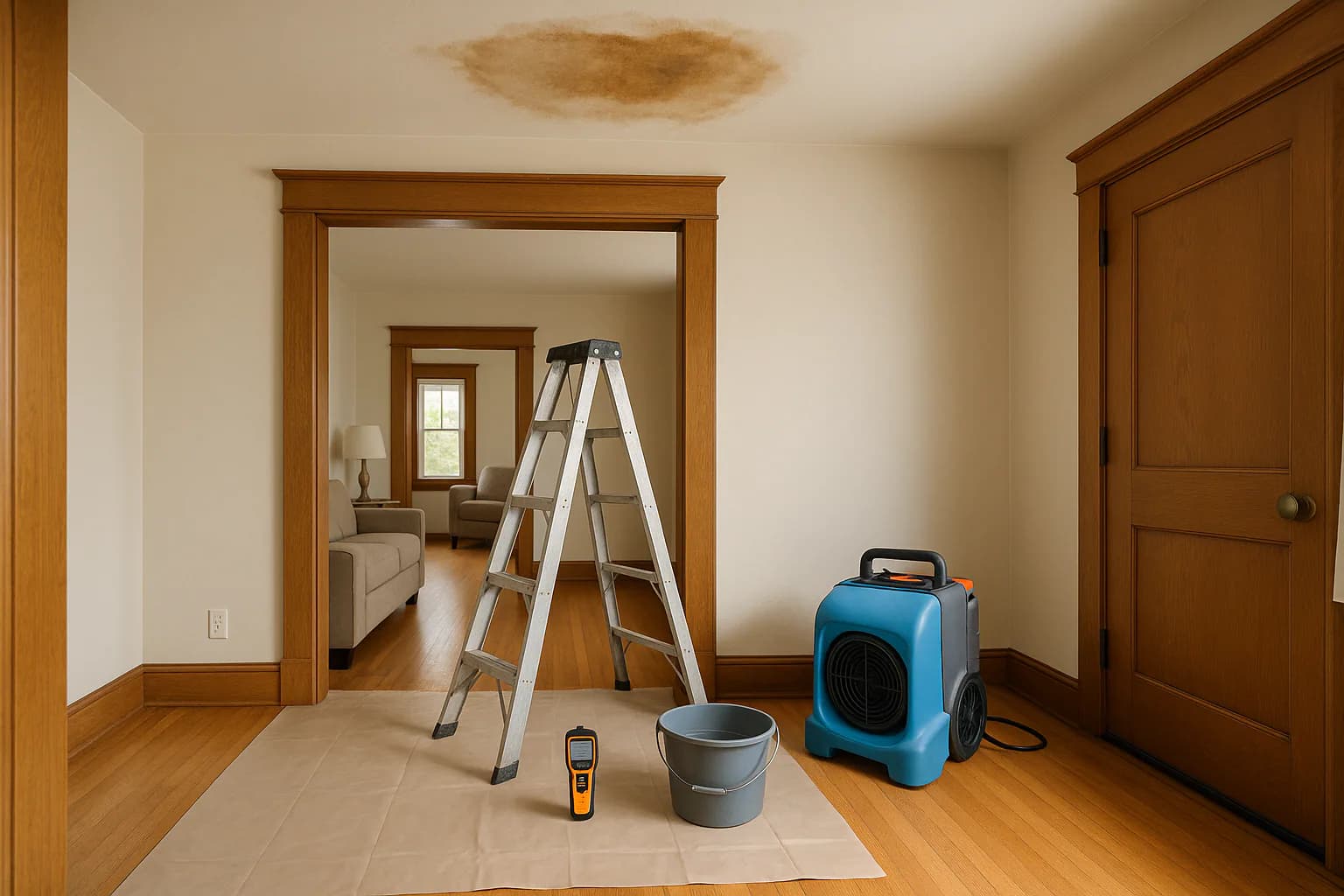
- Visible staining, swelling, or other changes appear in walls, floors, or contents
- Musty odors or other signs suggest moisture may still be present
- Repairs are about to begin and the area has not been fully checked
If those signs appear, restoration professionals may inspect behind finishes or remove small sections of material to confirm whether dampness remains. That step helps determine what must be dried or replaced before reconstruction starts.
Fast drying helps reduce the conditions that allow mold to grow, but drying should be confirmed with direct moisture checks rather than air readings alone.
Mold Cleanup Decisions
The EPA says prompt drying helps reduce the conditions that allow mold to grow. If mold is present, cleanup decisions depend on the size and extent of the affected area. EPA cleanup guidance notes that an area of about 10 square feet or more may be a point to consider professional help.
For smaller areas, cleanup decisions still depend on the cause of the moisture and how much material is affected. The key step is to correct the water problem and dry the space thoroughly before rebuilding.
How Location and Weather Affect Drying
Indoor drying does not happen in isolation. Outdoor humidity, temperature, and ventilation can influence how quickly a space dries, especially during humid or rainy weather. In drier conditions, airflow and ventilation may help support the drying process when used appropriately.
Because weather and building conditions change, restoration professionals monitor the space and adjust the drying plan as needed. That may include changing equipment placement, increasing airflow, or checking for moisture that is still trapped inside materials.
What Homeowners Should Do Next
Homeowners should avoid relying on the feel of the air alone after water damage. The safer approach is to have the affected area inspected, measured, and dried before repairs begin. If there is standing water, electrical hazards, or potentially contaminated water, it is important to avoid exposure and follow appropriate safety guidance.
Insurance questions should be reviewed with the insurer. Coverage and claim outcomes depend on the cause of the loss, policy language, exclusions, endorsements, limits, deductible, and claim facts.
Related Restoration Services
Connect with Local Water Damage Restoration Professionals
If you need help drying out after water damage, Water Restoration Pros can connect you with independent, local restoration professionals for humidity control and moisture checks.
Call (833) 968-0848Frequently asked questions
What indoor humidity level is recommended after water damage?
Can relative humidity tell whether walls or floors are dry?
When should professional help be considered for mold cleanup?
Sources reviewed (3)
- U.S. EPA - A Brief Guide to Mold, Moisture and Your Home: EPA guidance on moisture control, prompt drying, indoor humidity, and mold cleanup decisions.
- U.S. EPA - Mold Course Chapter 2: EPA guidance to dry wet building materials within about 24 to 48 hours when possible.
- U.S. EPA - Mold Cleanup in Your Home: EPA cleanup guidance, including the roughly 10-square-foot threshold for considering professional help.