Skip to content
Water Restoration Pros

Water Damage Service

Dehumidification

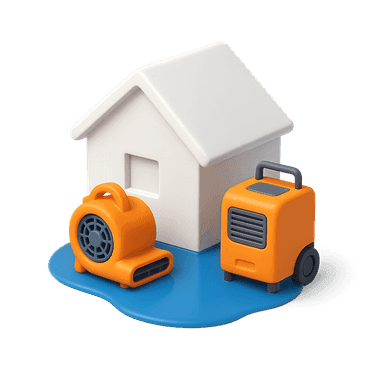
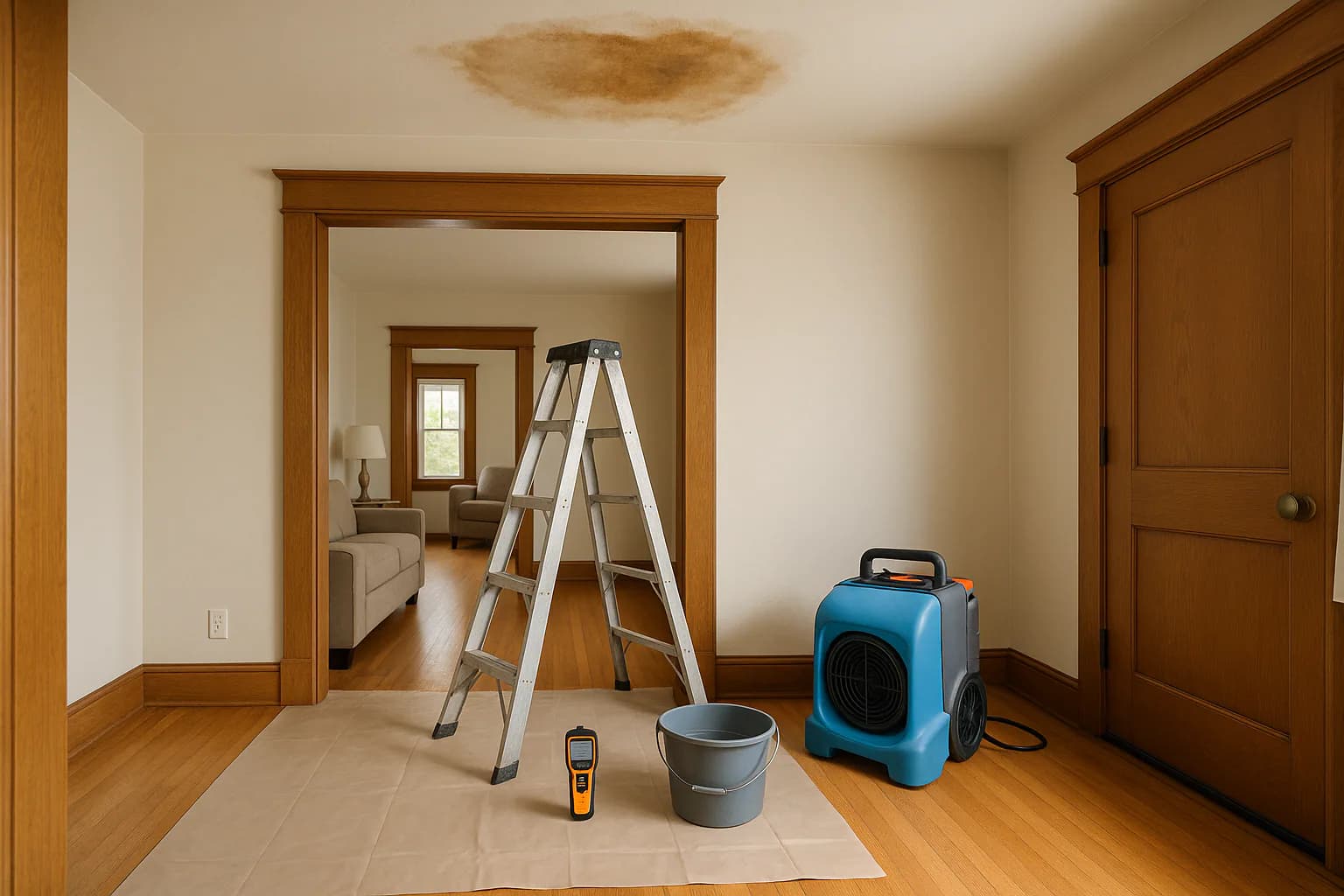
Once the standing water is gone, the air and materials are still full of moisture that has to be removed in a controlled way. Dehumidification uses commercial dehumidifiers working alongside air movers to pull that moisture out and hold the space at a dry target. Water Restoration Pros helps property owners connect with dehumidification and drying help.

Service overview

Dehumidification help that removes moisture from the air with commercial dehumidifiers, monitored to a dry target so materials keep drying.

Recognize the problem

Does this situation call for dehumidification?

Start with what you can safely observe. The source, the type of water, and the materials affected determine the response after an on-site assessment.

What you may notice

Standing water has been extracted but the space still feels damp and humid

Air movers are running but moisture has nowhere to go without dehumidifiers

A closed-up room, basement, or cavity is holding high humidity after water damage

You need humidity and moisture readings brought down to a dry, stable target

You want to prevent the damp conditions that let mold take hold

How it commonly starts

Evaporated moisture released into the air as wet materials dry out

High indoor humidity trapped in a closed or below-grade space

Large amounts of water that soaked into drywall, carpet, and framing

Slow-drying areas where airflow alone cannot lower the moisture load

Incomplete drying that left humidity and dampness behind

Why timing changes the outcome

Air movers raise evaporation, but that moisture stays in the air until a dehumidifier removes it.

High humidity slows drying and lets materials reabsorb moisture instead of drying out. Damp, humid conditions are exactly what allows mold to grow.

Monitoring humidity to a target confirms the space is drying instead of guessing by feel.

In-depth guidance

What to know about dehumidification

How dehumidification fits with structural drying

Drying a building after water damage has two halves working together. Air movers and the structure side of structural drying speed evaporation off wet framing, drywall, and flooring, which lifts moisture into the air. Dehumidification is the other half: it removes that moisture from the air so the materials can keep releasing more instead of stalling out.

This is why dehumidification is distinct from generic drying. Running fans alone just moves humid air around. Pairing commercial dehumidifiers with air movers and monitoring to a target is what actually lowers the moisture load and brings the space to a measured dry state.

How dehumidifiers and air movers work together

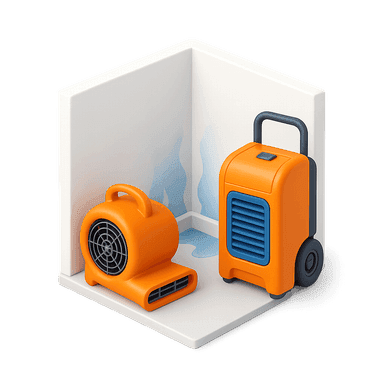
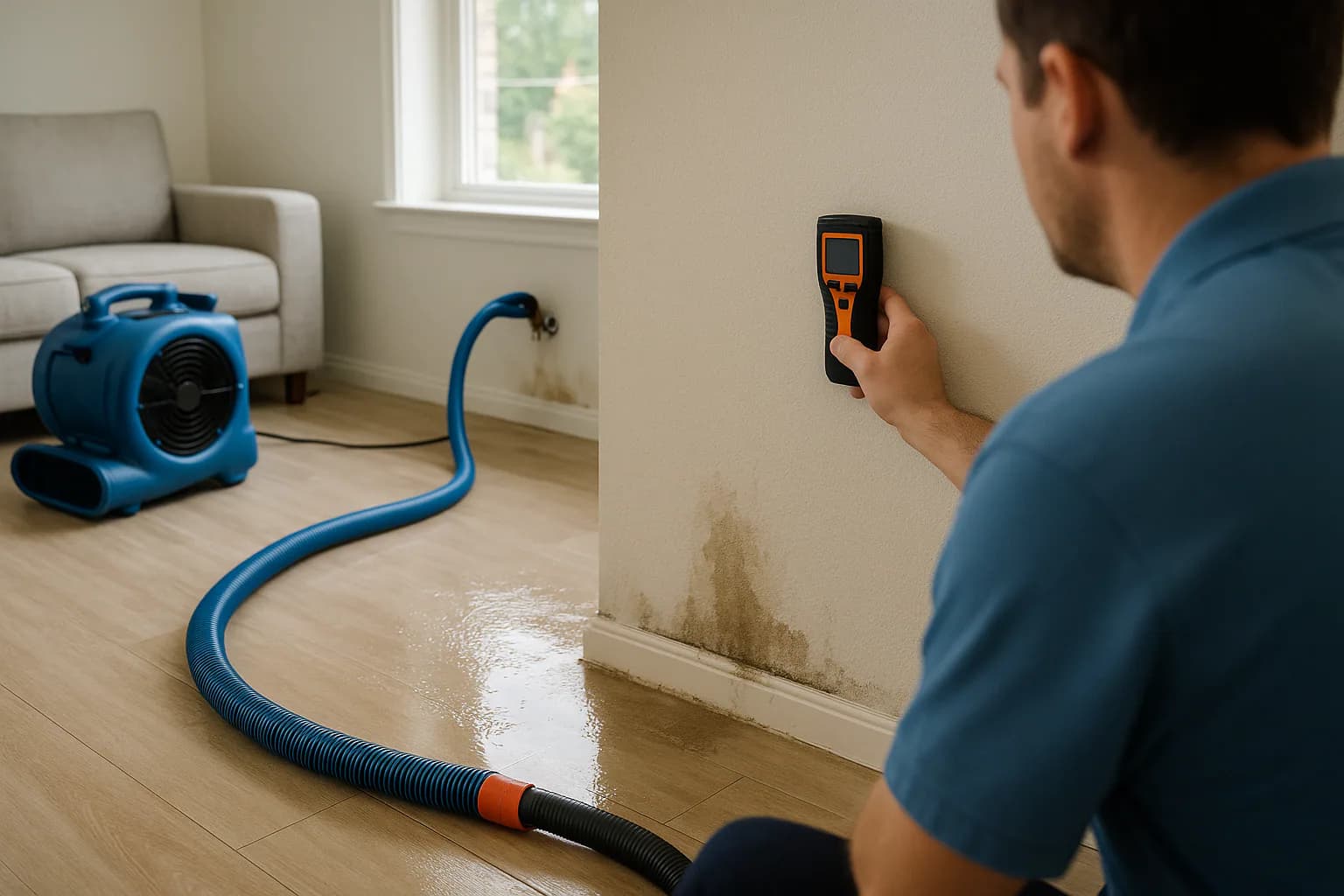
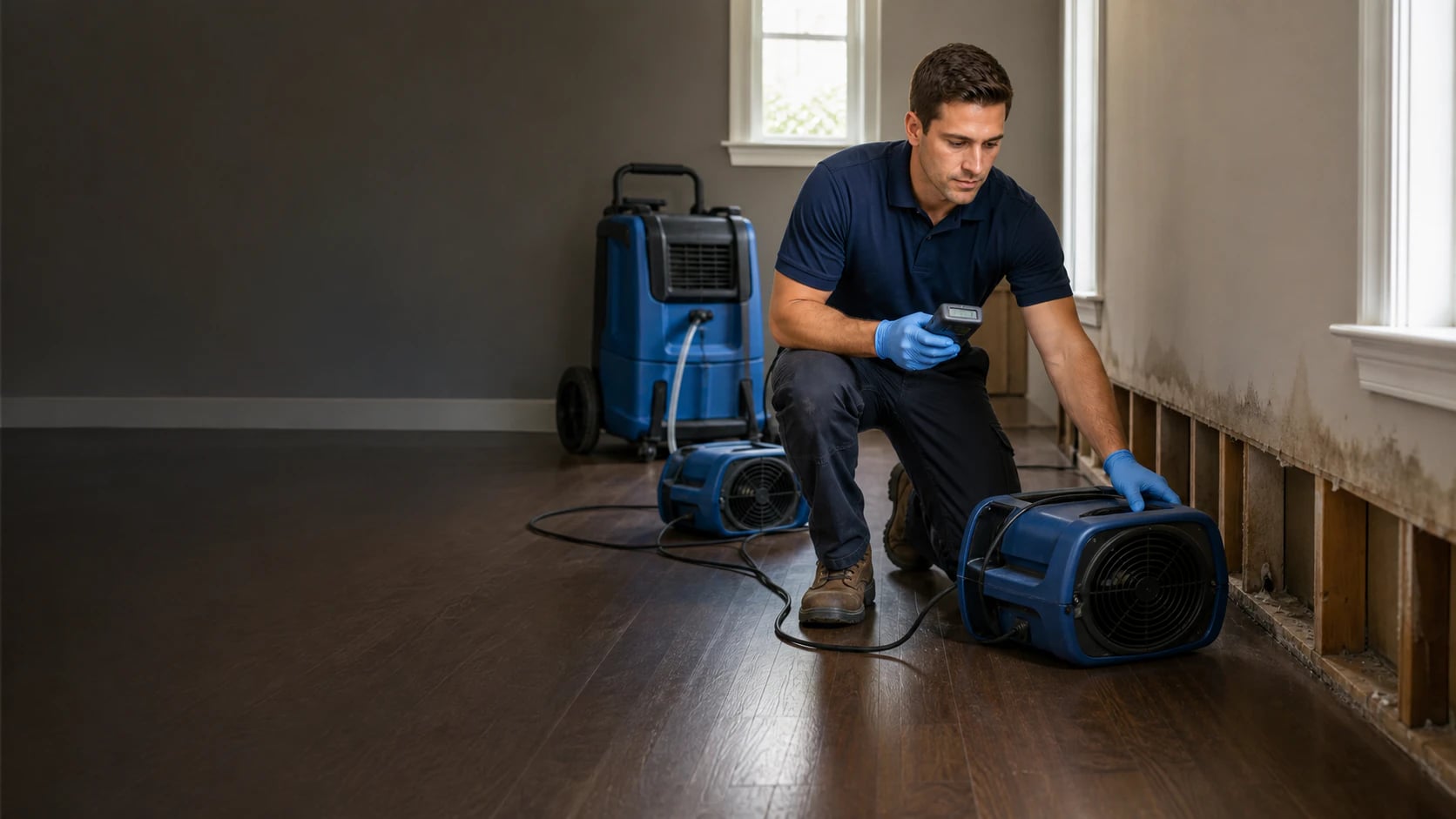
Drying a wet structure takes two jobs done at the same time, and air movers and dehumidifiers each handle one of them. Air movers blow a high volume of air across wet framing, drywall, carpet, and flooring. That moving air lifts moisture off the surface and turns it into water vapor in the room, speeding up evaporation far beyond what the materials would do sitting still. On their own, though, air movers only relocate that moisture into the air, where it raises the humidity.

Dehumidifiers handle the second job: they pull that water vapor back out of the air and collect it as liquid, then drain it away. Lowering the humidity keeps the air thirsty, so the wet materials keep releasing moisture into it instead of stalling. The two run as a loop, evaporation off the materials and removal from the air, which is why pros position and balance them together rather than relying on one or the other. Run fans alone and the humidity climbs until drying stops; run a dehumidifier without airflow and the deep moisture in materials releases too slowly.

Drying to a measured standard, not by feel

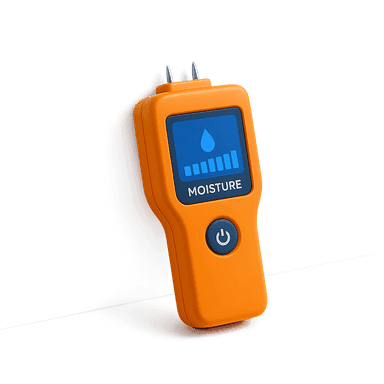
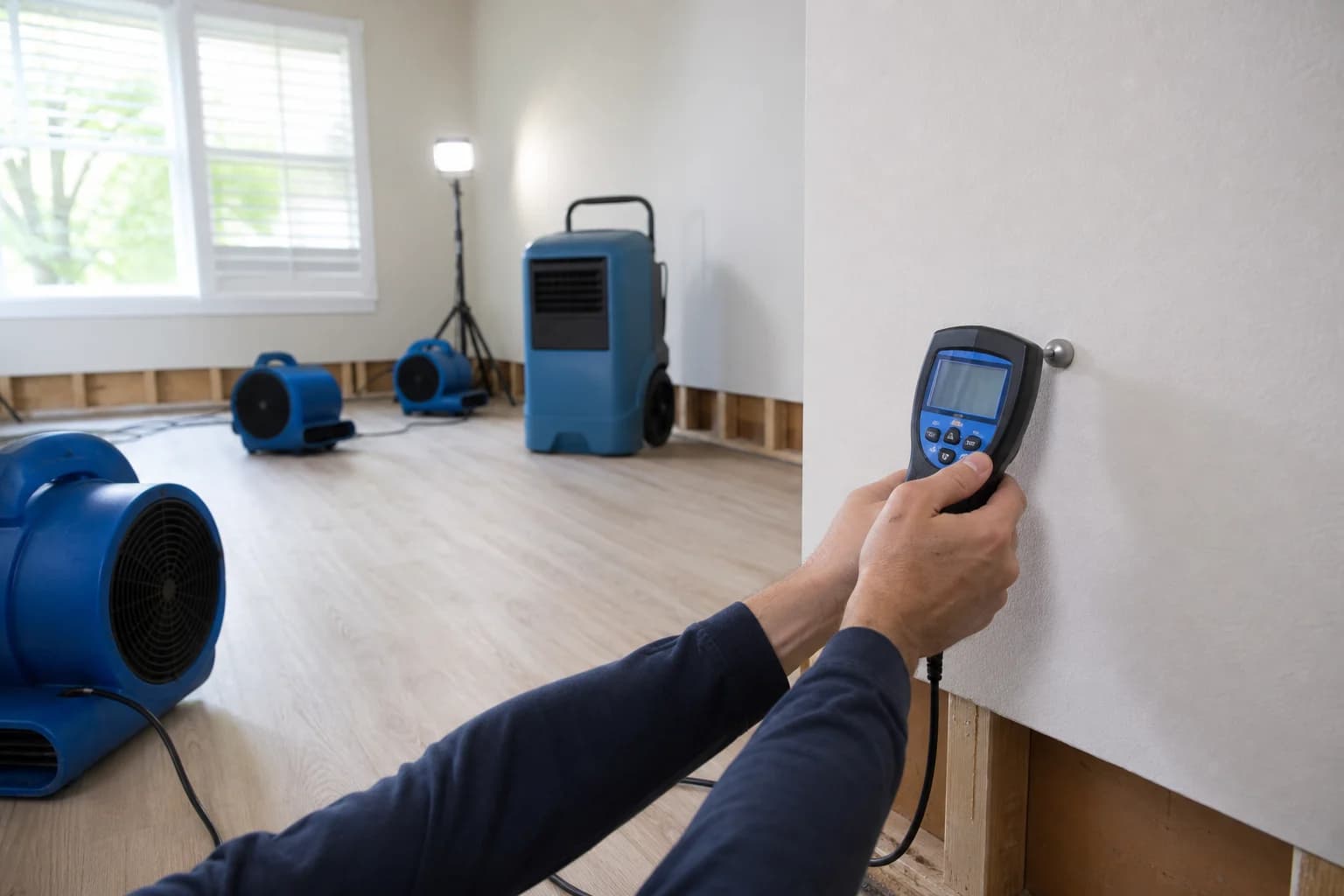
A space can feel dry to the touch while framing, subfloor, and the inside of walls are still holding water, so feel is not a reliable way to know when drying is done. Instead, pros work toward a measured target. They take readings of the humidity in the air and the moisture content of the materials, often comparing a wet area to a similar dry area of the building as a reference, and they keep the equipment running and adjust it until those numbers reach a dry, stable point that holds.

Measuring matters because both stopping too early and overlooking a pocket of moisture cause problems later. Trapped moisture sealed inside a wall leads to odor, warping, and the damp conditions that allow mold to grow, none of which show up the day the fans come down. Tracking readings over the drying period, rather than guessing, is what confirms the materials are genuinely dry before drying ends and repairs begin. Actual drying times vary with the materials, how much water was involved, and the environment.
Professional response

How the work moves from damage to a dry property

The exact scope changes with the water source and affected materials, but a measured restoration response generally moves through three phases.

Assess and stabilize

Read the moisture and humidity

Measure how much moisture is in the air and materials so the drying plan starts from real numbers.

Pair dehumidifiers with air movers

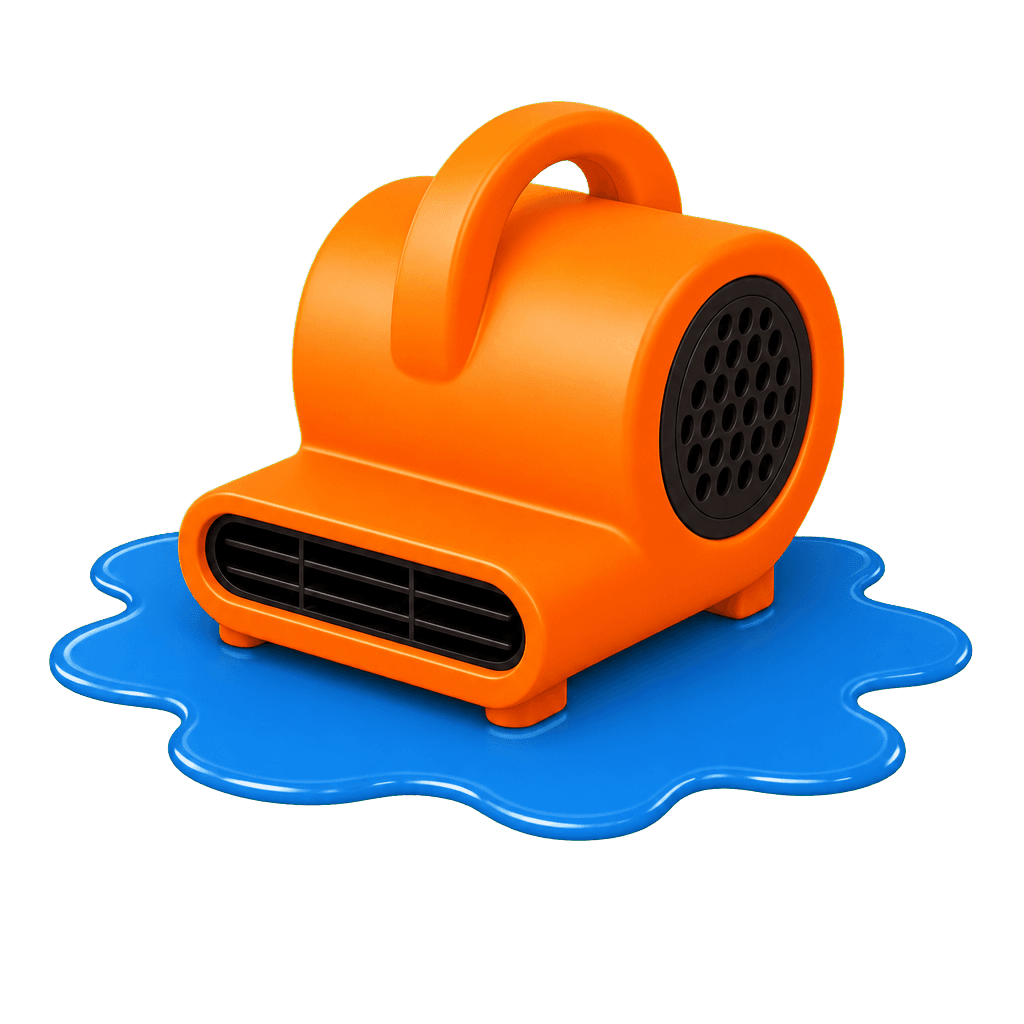
Air movers lift moisture off wet surfaces while commercial dehumidifiers pull that moisture out of the air.

Remove and dry

Control the space

Keep the affected area closed off so the equipment can drive humidity down instead of fighting outside air.

Drain and manage collected water

Handle the water the dehumidifiers extract from the air so the cycle keeps running.

Verify and recover

Monitor toward a dry target

Track humidity and moisture readings until the space and materials reach a dry, stable target.

What to expect from the first visit

Read the moisture and humidity

Measure how much moisture is in the air and materials so the drying plan starts from real numbers.

Pair dehumidifiers with air movers

Air movers lift moisture off wet surfaces while commercial dehumidifiers pull that moisture out of the air.

Control the space

Keep the affected area closed off so the equipment can drive humidity down instead of fighting outside air.

Drain and manage collected water

Handle the water the dehumidifiers extract from the air so the cycle keeps running.

Questions to ask before approving the scope

How will the assessment document indoor and outdoor moisture conditions?

The answer should be specific to the property and reflected in the written scope.

Which conditions determine whether dehumidification is the right service path?

The answer should be specific to the property and reflected in the written scope.

What work, specialist responsibilities, measurements, and completion records will be included in writing?

The answer should be specific to the property and reflected in the written scope.

Before help arrives

What you can do now

Only take steps you can complete safely. Leave the area and wait for qualified help if there is an electrical, structural, or contamination risk.

Make sure standing water has already been extracted.

Keep doors and windows closed so dehumidifiers can control the space.

Avoid sealing or covering wet materials that still need to release moisture.

Leave drying equipment running and positioned as set.

Call to connect with dehumidification help.

These are general precautions for dehumidification; conditions at the property determine what is safe and appropriate.

Frequently asked questions

What does dehumidification do after water damage?
It removes moisture from the air using commercial dehumidifiers. As wet materials release moisture into the air, the dehumidifiers pull it out so the materials can keep drying and the space reaches a dry target.
How is dehumidification different from structural drying?
Structural drying is the overall process of drying the building itself. Dehumidification is the moisture-removal-from-air half of that process, working alongside air movers so the moisture lifted off materials is actually taken out of the space.
Why not just use fans?
Fans and air movers speed evaporation, but that moisture stays in the air until a dehumidifier removes it. Without dehumidification, humidity climbs, drying slows, and materials can reabsorb moisture instead of drying out.
Does Water Restoration Pros provide the equipment?
Water Restoration Pros is a nationwide connection service. We help you understand the drying process and connect with restoration professionals that service your area, who bring and manage the drying equipment.
Do air movers and dehumidifiers have to run at the same time?
Generally yes, because they do different jobs. Air movers lift moisture off wet materials into the air, and dehumidifiers pull that moisture back out of the air and drain it away. Running fans alone lets humidity climb until drying stalls, and running a dehumidifier without airflow releases deep moisture too slowly, so pros balance the two together.
How do the pros know when drying is actually finished?
They measure rather than judge by feel. By tracking the humidity in the air and the moisture content of the materials, often against a dry reference area, they keep the equipment running until the readings reach a dry, stable target that holds. A surface can feel dry while moisture is still trapped inside, so the numbers are what confirm it is done.
Technical and safety sources (5)

These sources support restoration, safety, moisture, cleanup, and scope guidance. They do not serve as numeric pricing provenance.

Need help with dehumidification?

Call Water Restoration Pros to connect with dehumidification help in your area.

Call (833) 968-0848 · No-obligation · Availability varies by area

(833) 968-0848Check