Hidden water damage can cause lasting issues in a home, even when there are no obvious puddles or drips. Subtle signs—such as stains, warped surfaces, or musty odors—often offer the first clues that moisture may be present where it shouldn't be. Recognizing these early warnings can help limit the spread of damage and reduce the conditions that allow mold to grow.
Water damage beneath surfaces can remain unnoticed for weeks or even longer. Because the signs aren't always obvious, it is important for property owners to understand what to look for and when to seek assistance. This guide covers reliable clues, where to check, and why a professional assessment may be useful if hidden moisture is suspected.
Surface Signs: What to Watch For
Hidden water damage may leave visible or physical changes at the surface. These clues can appear as stains, warping, soft spots, or odors. While these signs suggest moisture could be present, they do not always reveal the full extent or exact location of the issue. Restoration professionals often use them as a starting point for a more detailed assessment.
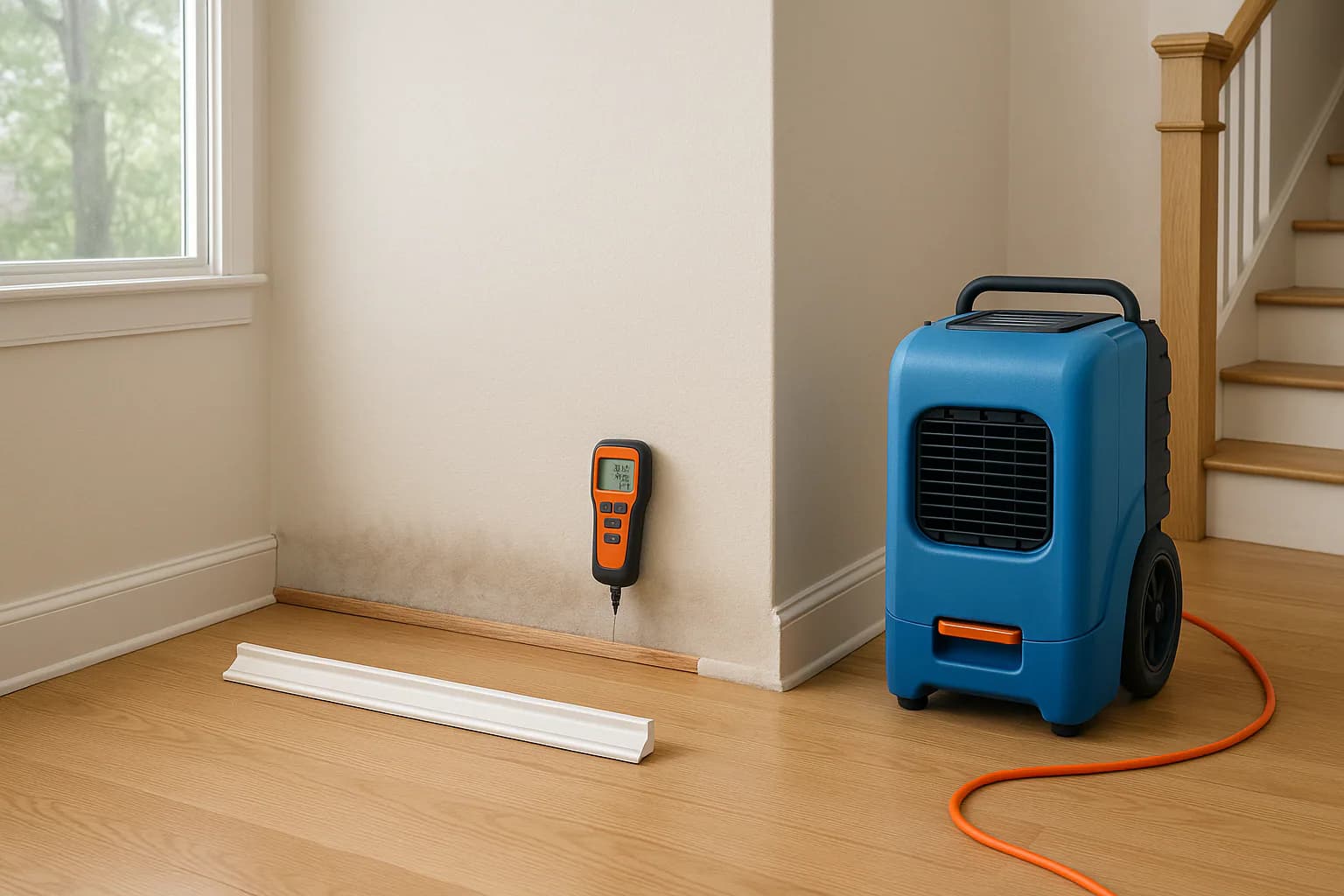
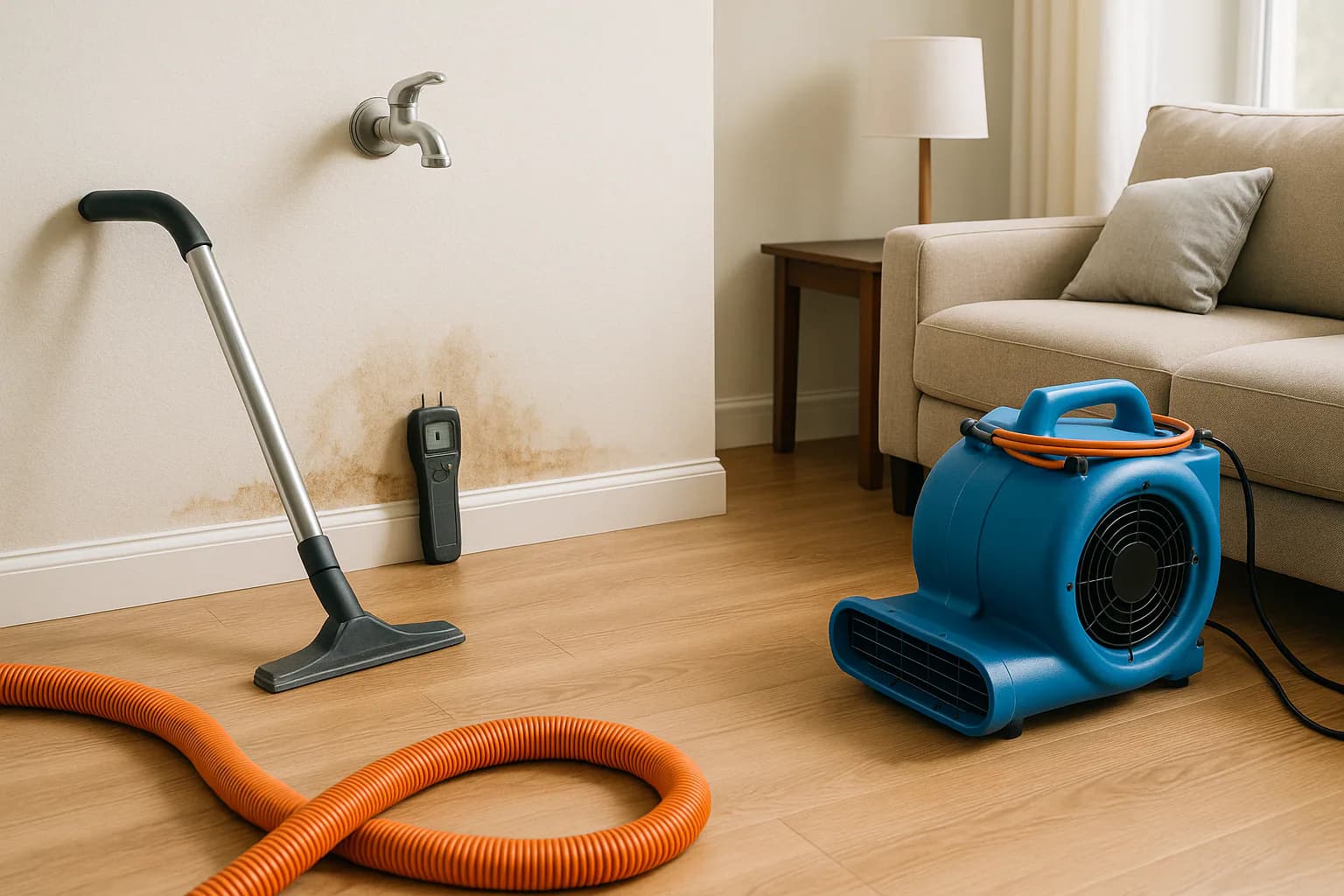
Common observable signs include discoloration, such as yellow or brown rings on ceilings and walls; wood that swells, warps, or buckles; and paint or wallpaper that bubbles, blisters, cracks, or peels. Floors may feel spongy or uneven, and trim can pull away from walls. A persistent musty or damp smell is another indicator, especially if it lingers after airing out the space.
- Stains or rings on ceilings, walls, or around windows
- Flooring that warps, buckles, or feels soft underfoot
- Bulging, cracked, or peeling paint and wallpaper
- Trim or baseboards separating from walls
- Unexplained musty, earthy, or damp odors
A Musty Odor Can Mean Moisture or Mold
A persistent musty smell can be associated with damp materials or mold, but odor alone does not confirm what is behind a surface. Avoid disturbing an area where mold is suspected, and consider having a professional assess the wall or floor before opening it.
When Your Water Bill Tells a Story
A sudden rise in your water bill—without any change in usage—can be a clue of a hidden leak. Leaking pipes inside walls, undetected slab leaks, or continuously running toilets can waste water for some time before any visible sign appears. Comparing your latest bills to previous months may help you spot an unusual trend.
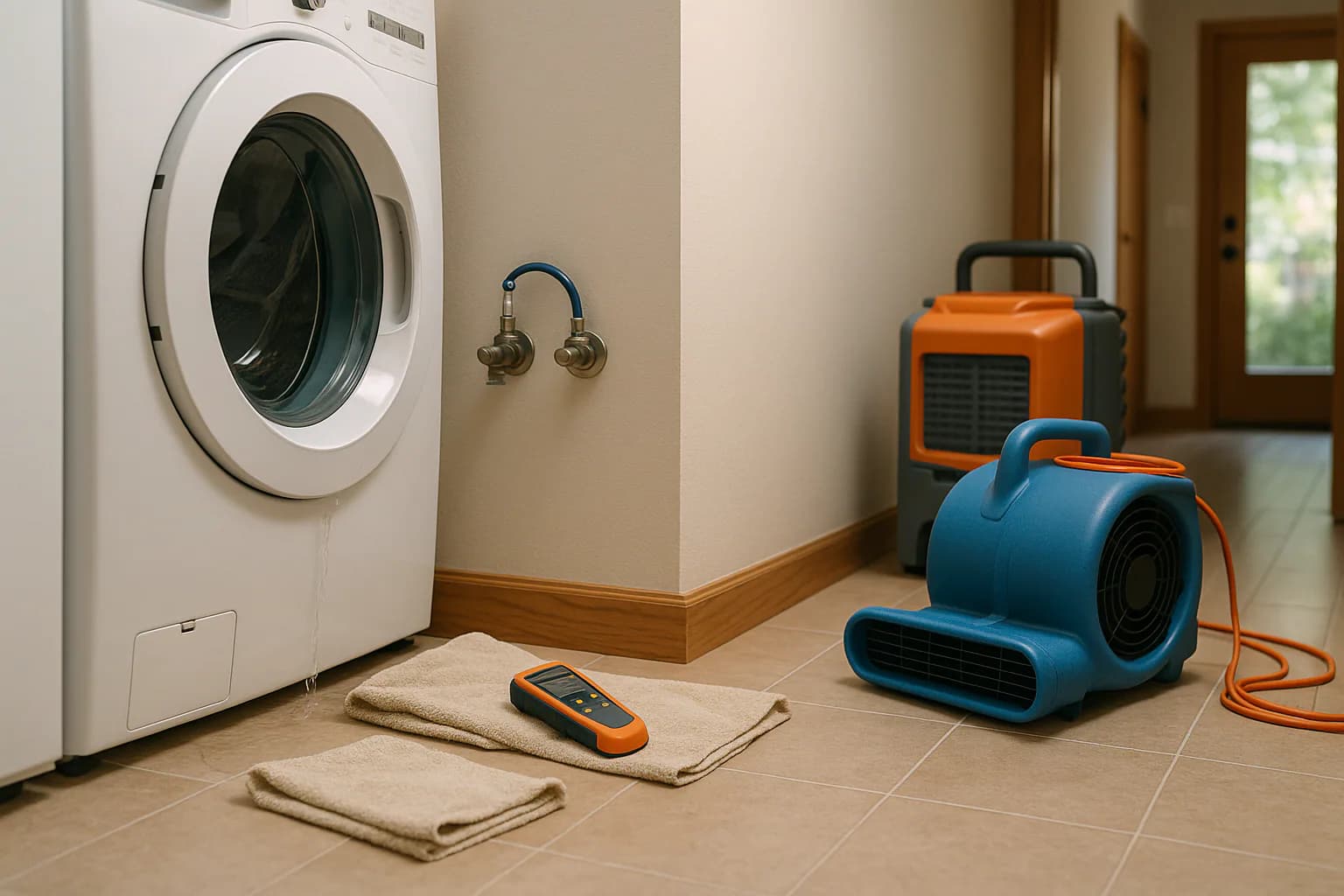
If your bill keeps increasing and no leaks are visible, it may be helpful to check less obvious areas. Restoration professionals often trace plumbing lines, inspect areas around appliances, and use moisture detection tools to look for water collecting behind surfaces. Early detection can help reduce how far the moisture spreads.
Where Hidden Water Damage Hides
Some areas in the home are more prone to hidden water damage, especially where plumbing runs behind walls or under floors. Moisture can collect where it’s least expected, making routine checks important. Appliances, bathrooms, and basements are frequent trouble spots.
Restoration professionals often look under and behind sinks, dishwashers, and refrigerators for signs of leaks. Areas around tubs, showers, and toilets are also common, as are ceilings beneath bathrooms and roof valleys. Basements, crawl spaces, and the area around water heaters can be vulnerable, especially if past leaks have gone unnoticed. Inside cabinets and closets that share a wall with plumbing may also show subtle clues before major damage appears.
- Under sinks, dishwashers, and refrigerators
- Around toilets, tubs, and showers
- Ceilings below bathrooms or roof valleys
- Basement walls and crawl spaces
- Closets or cabinets near plumbing
Odors, Stains, and Temperature Patterns: Clues, Not Proof
A musty smell or a visible stain on a wall or ceiling can be a clue that moisture is present, but these signs do not always reveal the full story. Sometimes, a small water stain may indicate a much larger area of wet material hidden behind the surface. Odors can linger from previous moisture, or they might point to an active leak.
Thermal imaging may be used to screen for temperature patterns that could suggest wet areas, since moisture can change how surfaces retain heat. However, temperature differences alone cannot confirm hidden water. Any suspicious area should be checked with appropriate moisture measurements or direct inspection to confirm the presence of water before opening up walls or ceilings. Restoration professionals often rely on a combination of surface observations, moisture meters, and experience to determine the next steps.
When to Call a Restoration Professional
Some small leaks or surface moisture can sometimes be handled by homeowners when the source is visible and the damage appears minor. However, hidden water, widespread moisture, evidence of contaminated water, or persistent odors often require a professional assessment to determine the extent of the problem and the safest way to dry affected materials.
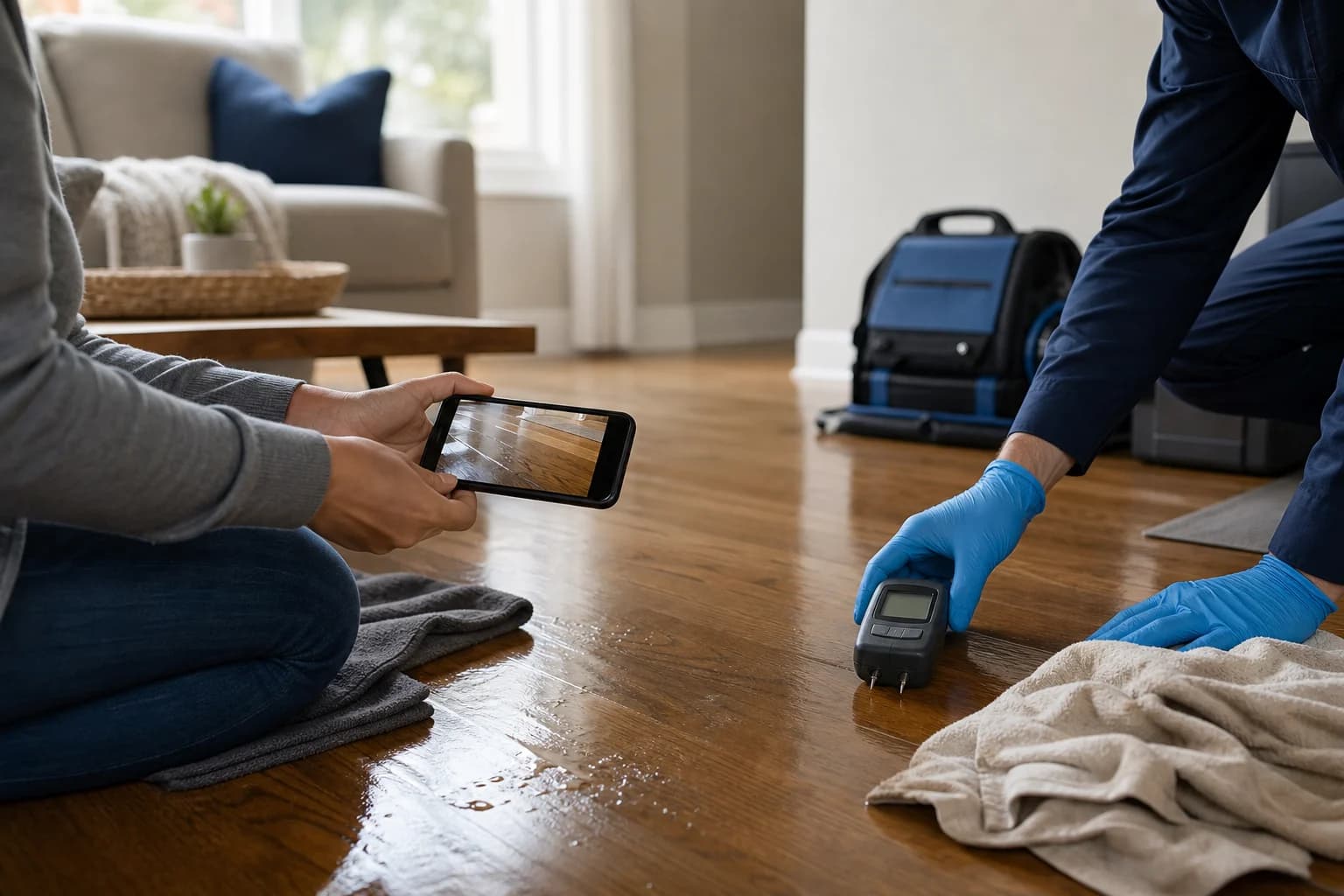
Restoration professionals assess not just the obvious signs but also hidden areas where water may have traveled. They use specialized tools to measure moisture in walls, flooring, and cavities, helping locate the source and determine how far moisture has spread. If contaminated water is suspected, such as from a sewer backup or flood, safe handling and sanitation are especially important. An on-site assessment may be useful when the source is unclear, water has affected multiple rooms, or if there is uncertainty about the safety of materials or furnishings.
- Identify visible signs, such as stains, warping, or odors.
- Check areas near plumbing and appliances for moisture.
- Compare recent water bills for unexplained increases.
- If you suspect hidden water, avoid opening walls or ceilings yourself.
- Contact a local restoration professional for a thorough assessment if signs persist or damage is widespread.
Common Mistakes to Avoid
It is easy to overlook subtle signs of water damage, especially in busy areas or storage spaces. Ignoring a musty odor, covering up a water stain with paint, or assuming a damp spot will dry on its own can allow moisture to linger and increase the risk of further issues. Another mistake is attempting to dry or repair hidden damage without knowing how far the water has traveled—this can leave wet materials trapped behind walls or floors.
Attempting to clean or remove materials affected by contaminated water, such as sewage or floodwater, without following safety guidelines can create risks. Restoration professionals are trained to handle these situations and can recommend the most thorough approach for each type of water source and building material. If there is uncertainty about the extent of the damage, a professional assessment is a safer next step.
Suspect Hidden Water Damage?
The longer hidden moisture sits, the more it can spread. Call Water Restoration Pros to get connected with restoration professionals that service your area and can assess the situation and locate the source.
Call (833) 968-0848Frequently asked questions
How can I tell if water damage is behind a wall?
Does a high water bill always mean a leak?
Are professional tools always needed to find hidden water damage?
Sources reviewed (3)
- U.S. EPA - Mold Course Chapter 2: EPA guidance to dry wet building materials within about 24 to 48 hours when possible.
- U.S. EPA - Flooded Home: EPA safety and drying guidance for homes affected by floodwater, moisture, and mold.
- U.S. EPA - A Brief Guide to Mold, Moisture and Your Home: EPA guidance on moisture control, prompt drying, indoor humidity, and mold cleanup decisions.