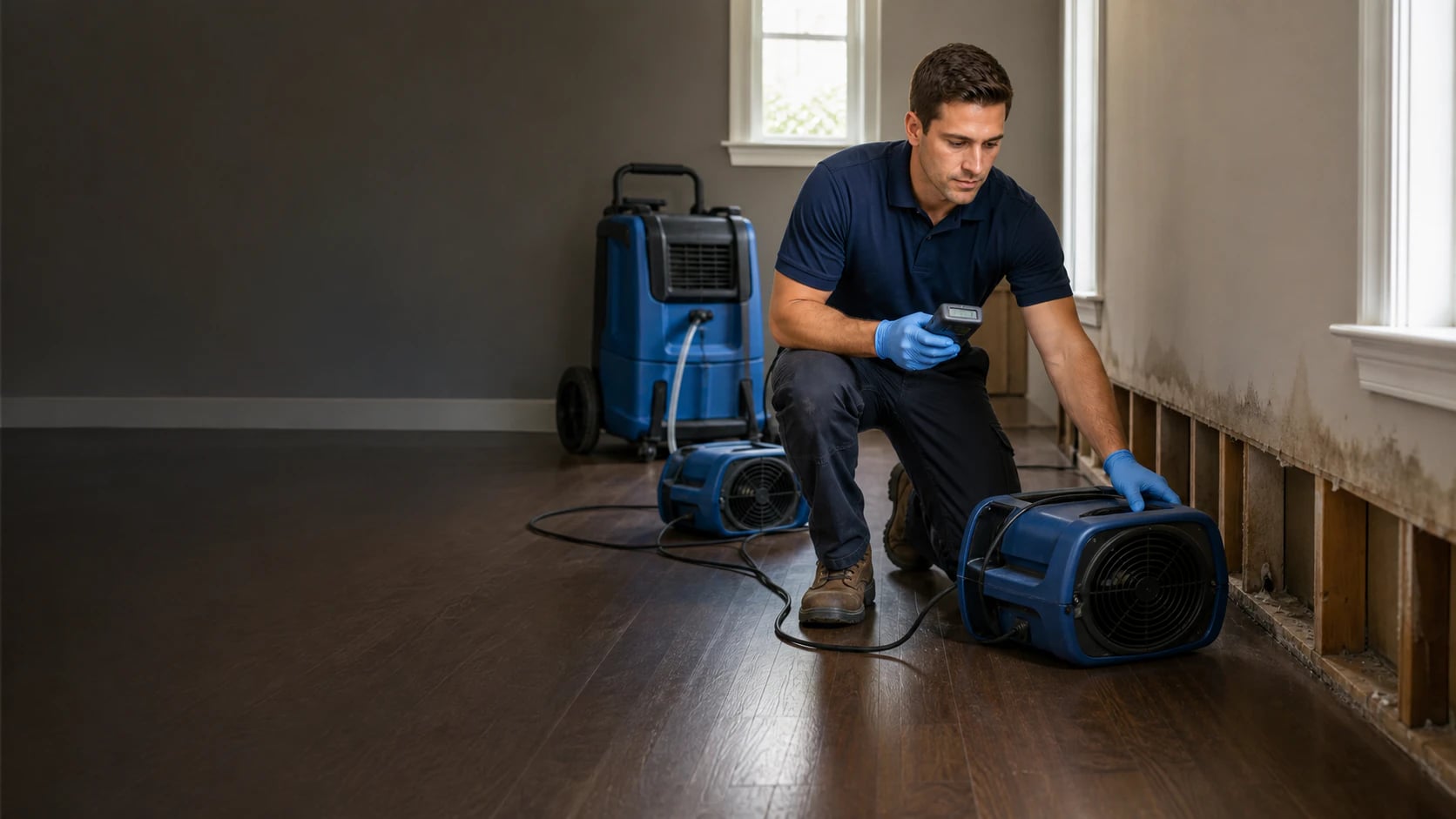
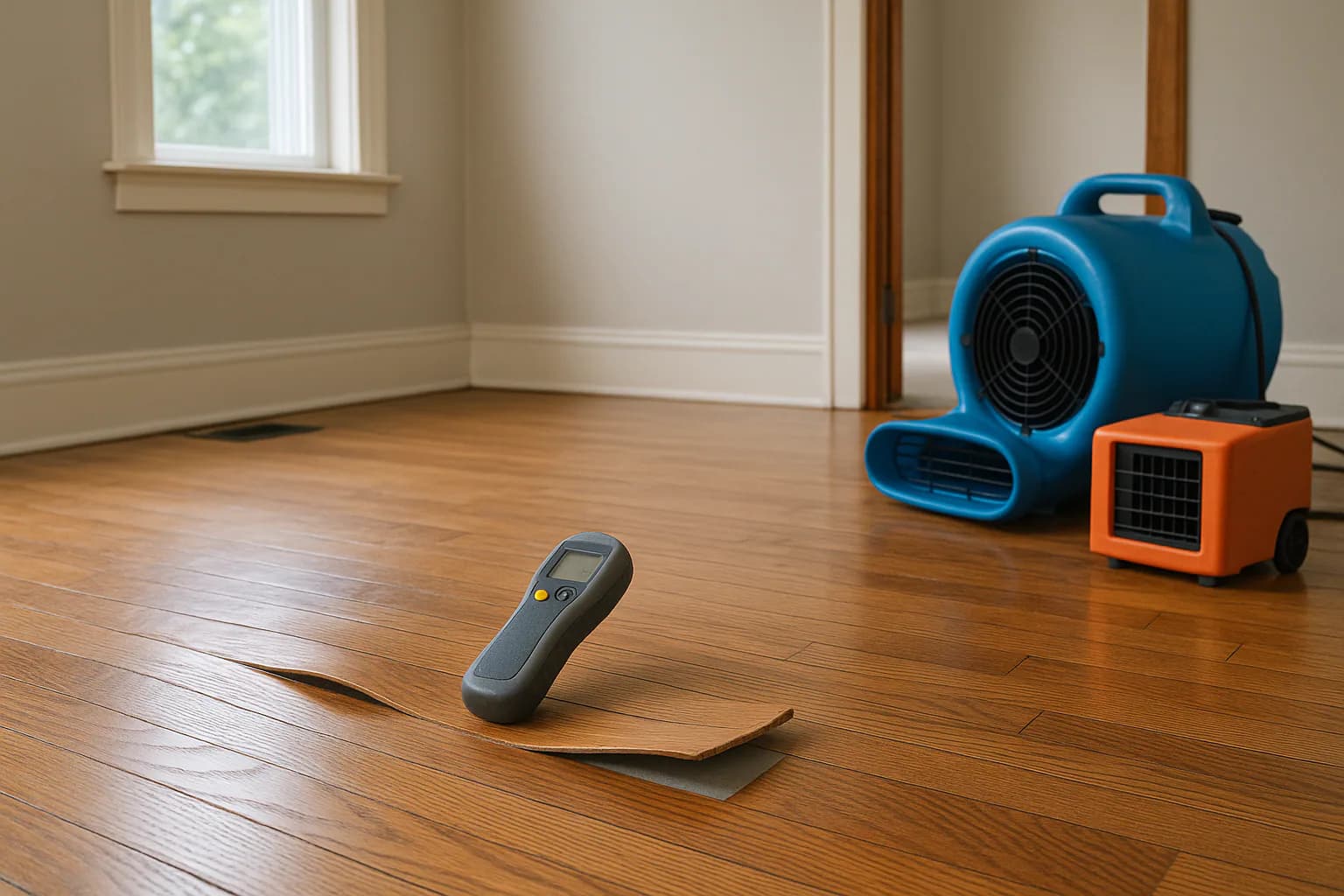
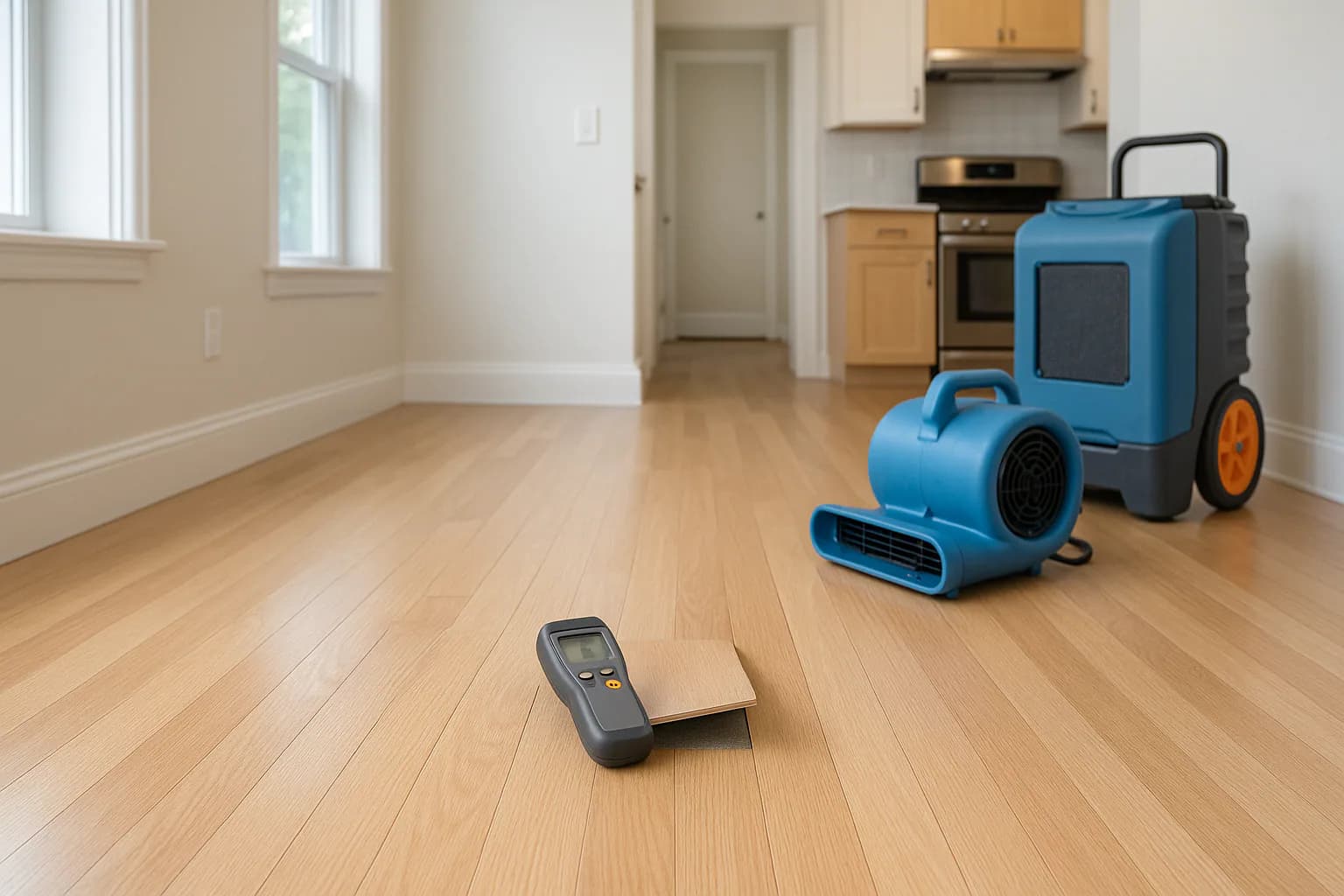
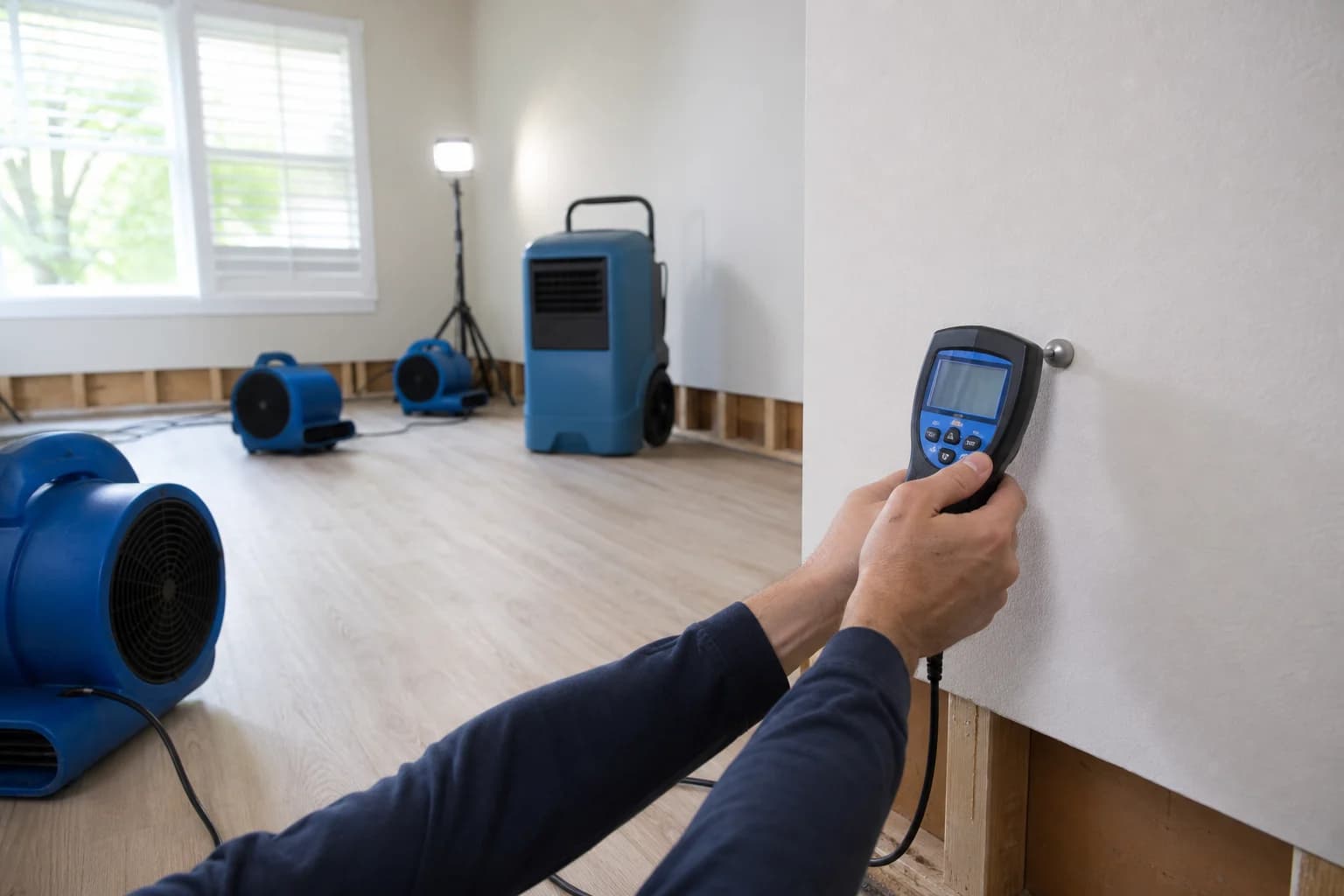
Water damage to wood floors can manifest in several ways, with cupping, crowning, and buckling being common issues. Cupping occurs when the edges of the wood planks rise due to moisture absorption, creating a concave shape. This often results from prolonged exposure to water or high humidity levels. Crowning, on the other hand, is when the center of the boards bulges upward, usually following improper drying of a cupped floor. Buckling is the most severe type of damage, where the floorboards lift entirely from the subfloor, often requiring extensive repair or replacement.
Different types of wood flooring react differently to water exposure. Solid wood floors are more susceptible to water damage because they absorb moisture more readily, leading to significant structural changes. Engineered wood floors, which are made of layers of wood veneer, are generally more resistant to water due to their construction. However, they are not immune to damage and can still experience warping and separation if exposed to water for an extended period. Understanding these differences is crucial for implementing appropriate water damage repair strategies.