Hardwood floor water damage can be a homeowner's nightmare, leading to issues like cupping, buckling, and crowning. Understanding these problems and how to address them is key to preserving your floors.
When water seeps into hardwood floors, whether from a spill or a leak, it can cause significant damage over time. Recognizing the signs and knowing what actions to take can save both time and money.
Cupping, Crowning, Buckling: What Each Means
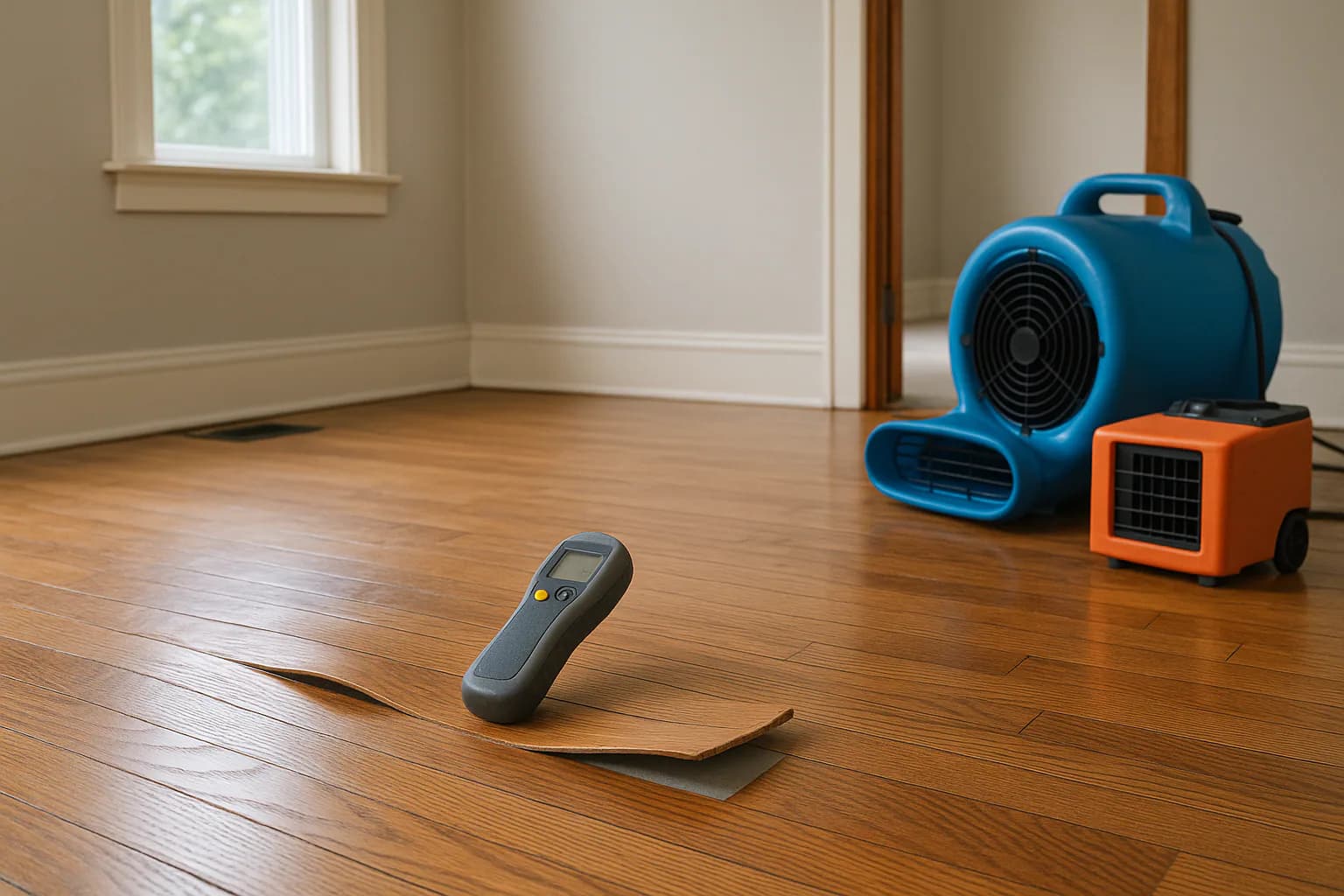
Cupping occurs when the edges of wooden boards rise higher than the center due to moisture absorption from below or within. This often happens when a spill is left unattended, or moisture seeps from a damp subfloor. Over time, continuous exposure to moisture can exacerbate this problem. While cupping is visually noticeable, it can also cause structural concerns if left untreated.
Crowning, on the other hand, occurs when the center of the board is higher than the edges. This typically results from sanding a cupped floor before it has fully dried. The center then absorbs more moisture and rises. Crowning can be tricky to fix without professional help, as it involves precise sanding and refinishing techniques. Buckling is the most severe form of water damage, where the boards lift completely off the subfloor. This often occurs in extreme cases of water damage, such as flooding, and usually requires significant repair or replacement.
Can Wet Hardwood Be Saved?
Whether a hardwood floor can be saved depends on the extent of the damage and the type of water involved. Clean Category 1 water damage might be recoverable with proper drying, while gray Category 2 water increases the complexity and cost. Contaminated Category 3 water often requires board replacement due to health risks and structural concerns. The type of water impacts not only the drying process but also the potential for mold growth if not addressed swiftly.
The condition of your hardwood floors post-water exposure hinges on immediate action and appropriate restoration techniques. For instance, cupping may be reversed with professional drying techniques that involve the use of drying mats and industrial dehumidifiers. Crowning might necessitate sanding and refinishing after complete drying to restore the floor’s aesthetic appeal. However, buckling generally requires board replacement due to the significant structural damage incurred.
- Cupping may be reversed with professional drying techniques.
- Crowning might need sanding and refinishing after drying.
- Buckling usually requires board replacement.
Drying hardwood floors can take weeks. Immediate action helps reduce the risk of mold, but patience is key for full recovery.
How Pros Dry Hardwood Floors
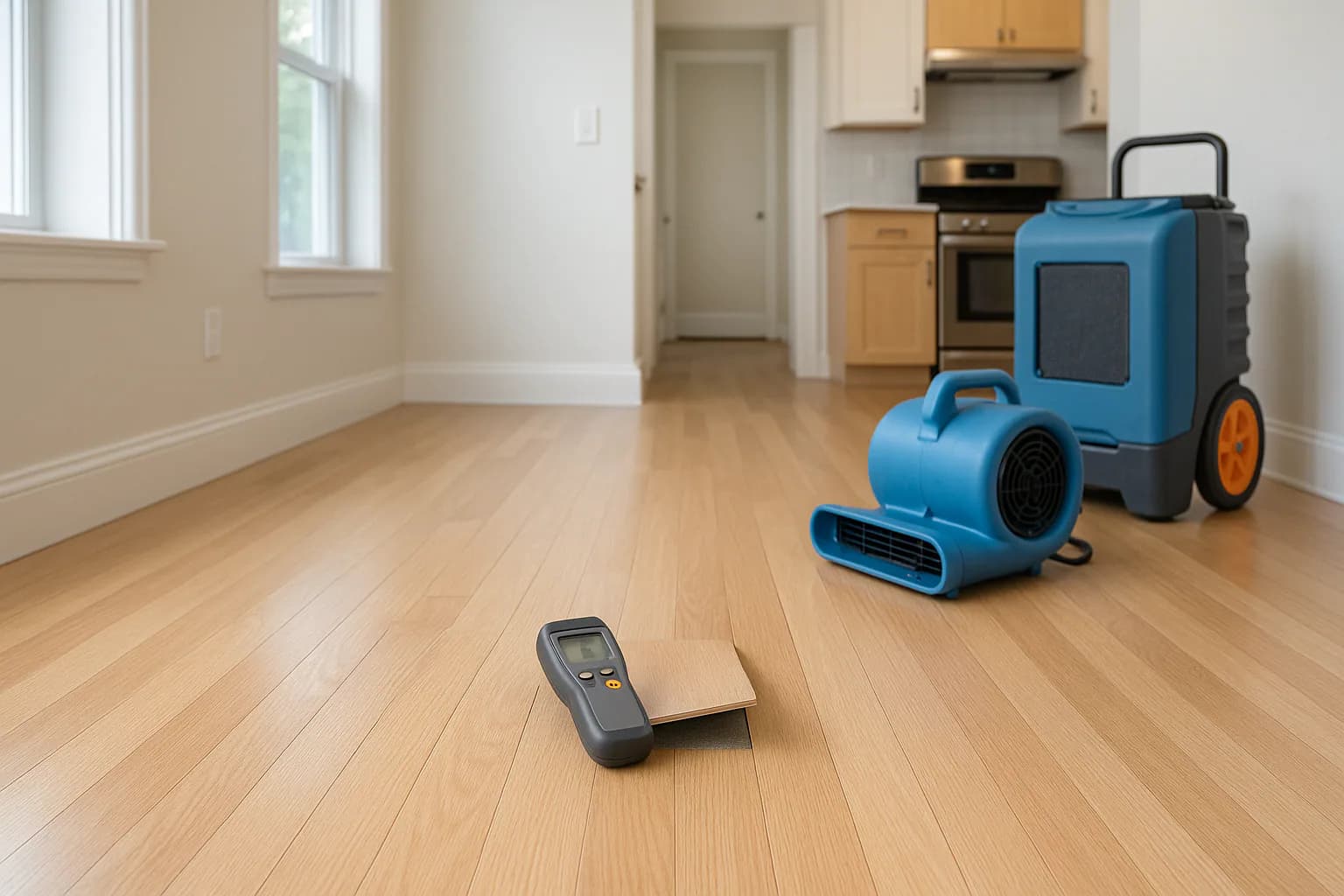
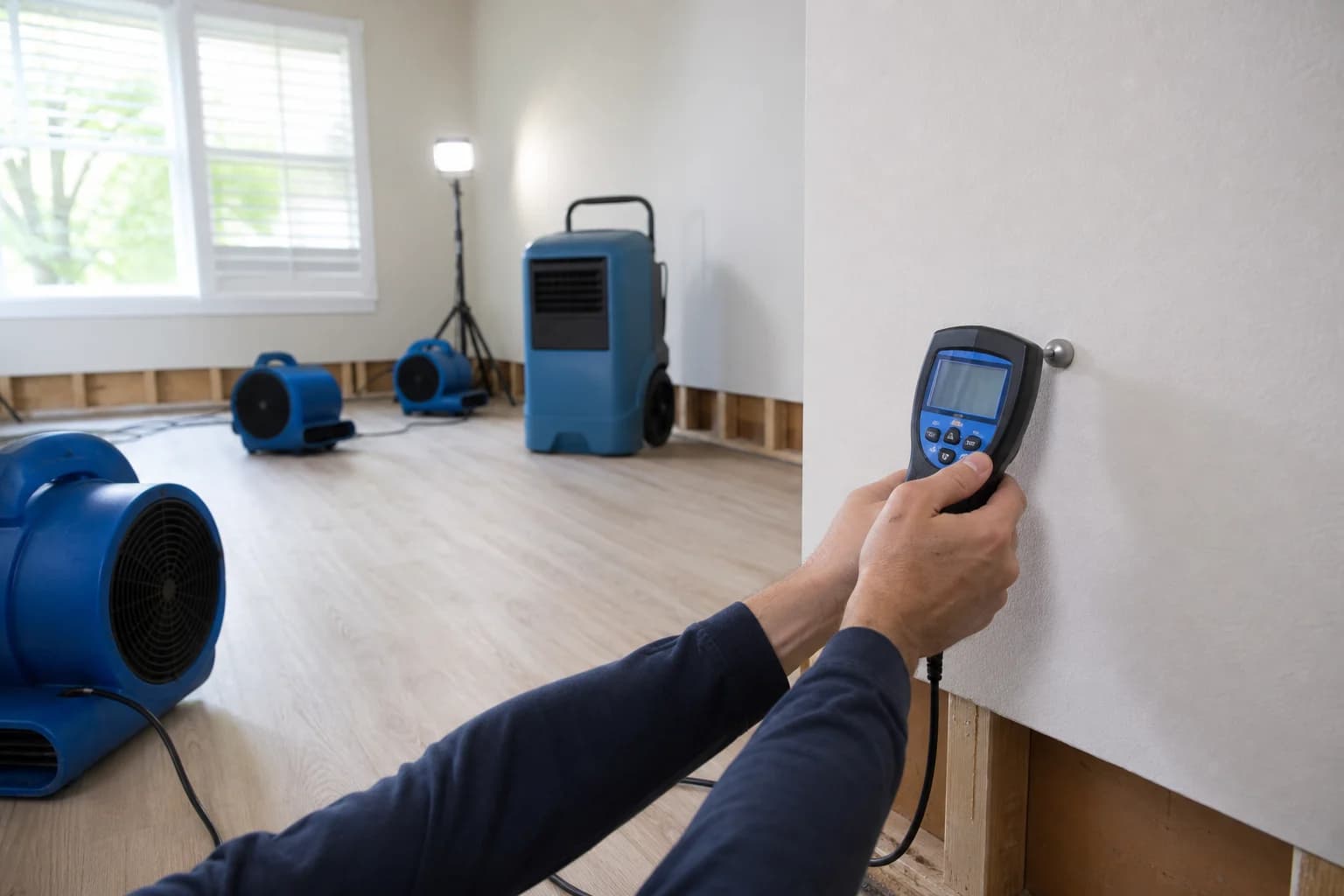
Professional restoration involves using specialized equipment like drying mats and industrial dehumidifiers to extract moisture effectively. The process focuses on removing water from both the surface and subfloor, which is crucial for preventing long-term damage. Professionals first assess the extent of the water damage, determining the moisture levels present in the hardwood and subfloor. This assessment helps tailor the drying process to the specific conditions of the affected area.
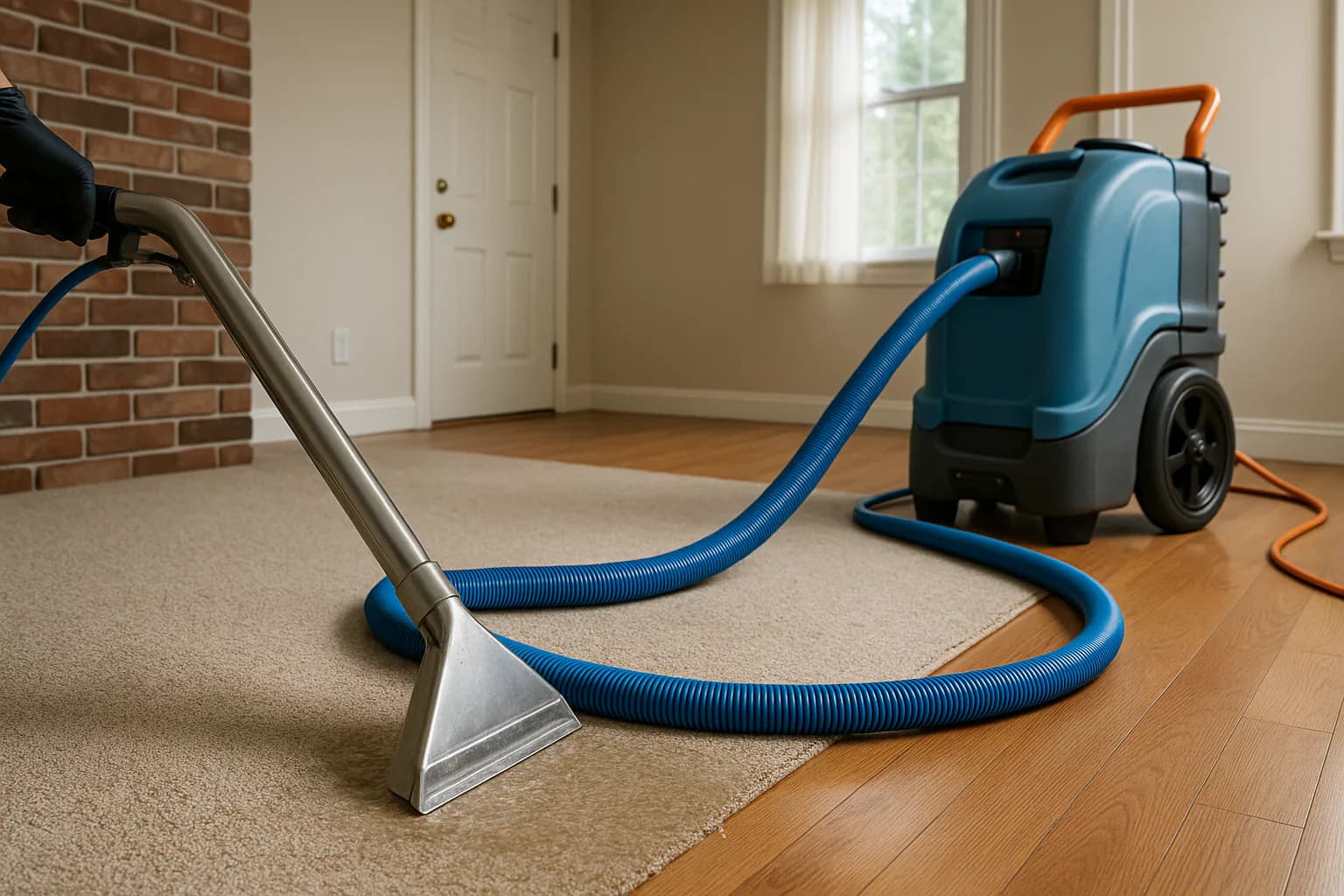
The drying process is typically divided into several steps. Initially, visible water is extracted using powerful vacuums and drying mats that draw moisture from the wood. Dehumidifiers are then employed to ensure that all moisture, including that hidden deep within the wood, is eliminated. This comprehensive approach prevents further damage and reduces the conditions that allow mold to grow. The timeline for drying can vary significantly depending on the severity of the damage and the type of water involved, often taking several weeks to ensure complete dryness.
- 1
Step 1: Assessment
Professionals assess the extent of water damage and moisture levels in the floors. This assessment uses advanced tools like moisture meters to measure how deep the water has penetrated.
- 2
Step 2: Moisture Extraction
Using drying mats and vacuums, pros begin removing visible and hidden moisture. This step is crucial for preventing further damage and reducing the risk of mold growth.
- 3
Step 3: Dehumidification
Industrial dehumidifiers are deployed to ensure all moisture is extracted. This step helps to dry out the subfloor and prevent long-term structural damage.
Solid vs Engineered vs Laminate
Solid hardwood is more susceptible to water damage compared to engineered wood, which has a plywood base that stabilizes it against moisture. This stability makes engineered wood less prone to cupping and crowning, although it can still suffer damage in severe flooding situations. Laminate flooring, while more resistant to water, can suffer from swelling and separation when exposed to excess moisture. Each type requires a tailored approach to drying and restoration, with solid wood often needing more intensive efforts to restore.
Understanding the differences between these types of flooring helps in deciding the best course of action post-water exposure. Solid hardwood, due to its natural composition, tends to absorb moisture more readily, necessitating a more aggressive drying process. Engineered wood, while more resilient, still requires careful monitoring to ensure it doesn't warp under prolonged exposure. Laminate floors, though not as vulnerable to initial water exposure, can deteriorate quickly if the moisture infiltrates the seams.
Refinishing: Why Timing Matters
Refinishing hardwood floors prematurely can lead to further damage, especially if the wood hasn't fully dried. Waiting ensures that any remaining moisture doesn’t cause additional problems like crowning. It's essential to confirm dryness with moisture meters before refinishing. This step is critical as refinishing too early can trap moisture, leading to further warping and damage.
A key reason for delaying refinishing is to allow the floorboards to settle back into their natural state after drying. This patience prevents the need for repeated repairs and refinishing down the line. By using moisture meters to verify dryness, homeowners can avoid the costly mistake of sanding or refinishing too soon. The refinishing process should only begin once the wood has returned to a stable state, ensuring longevity and resilience against future water exposure.
Need Professional Help?
Connect with Local Restoration Pros
Need assistance with hardwood floor water damage? Connect with local professionals who can provide effective solutions for drying, repair, and restoration today.
Call (833) 968-0848Frequently asked questions
What are the signs of hardwood floor water damage?
Is hardwood floor water damage covered by insurance?
How long does it take for hardwood floors to dry after water damage?
Sources reviewed (2)
- U.S. EPA - Mold Course Chapter 2: EPA guidance to dry wet building materials within about 24 to 48 hours when possible.
- U.S. EPA - A Brief Guide to Mold, Moisture and Your Home: EPA guidance on moisture control, prompt drying, indoor humidity, and mold cleanup decisions.