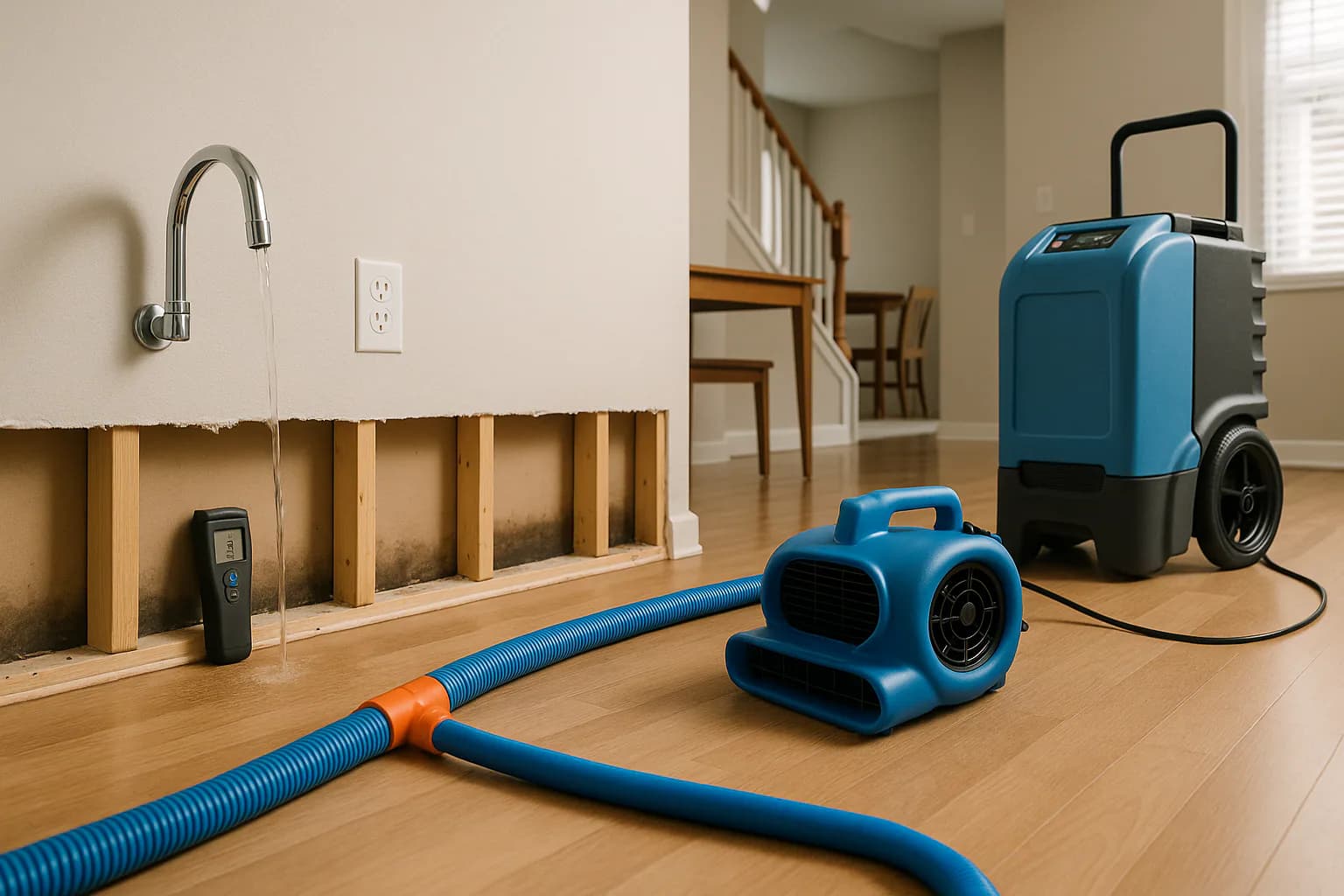
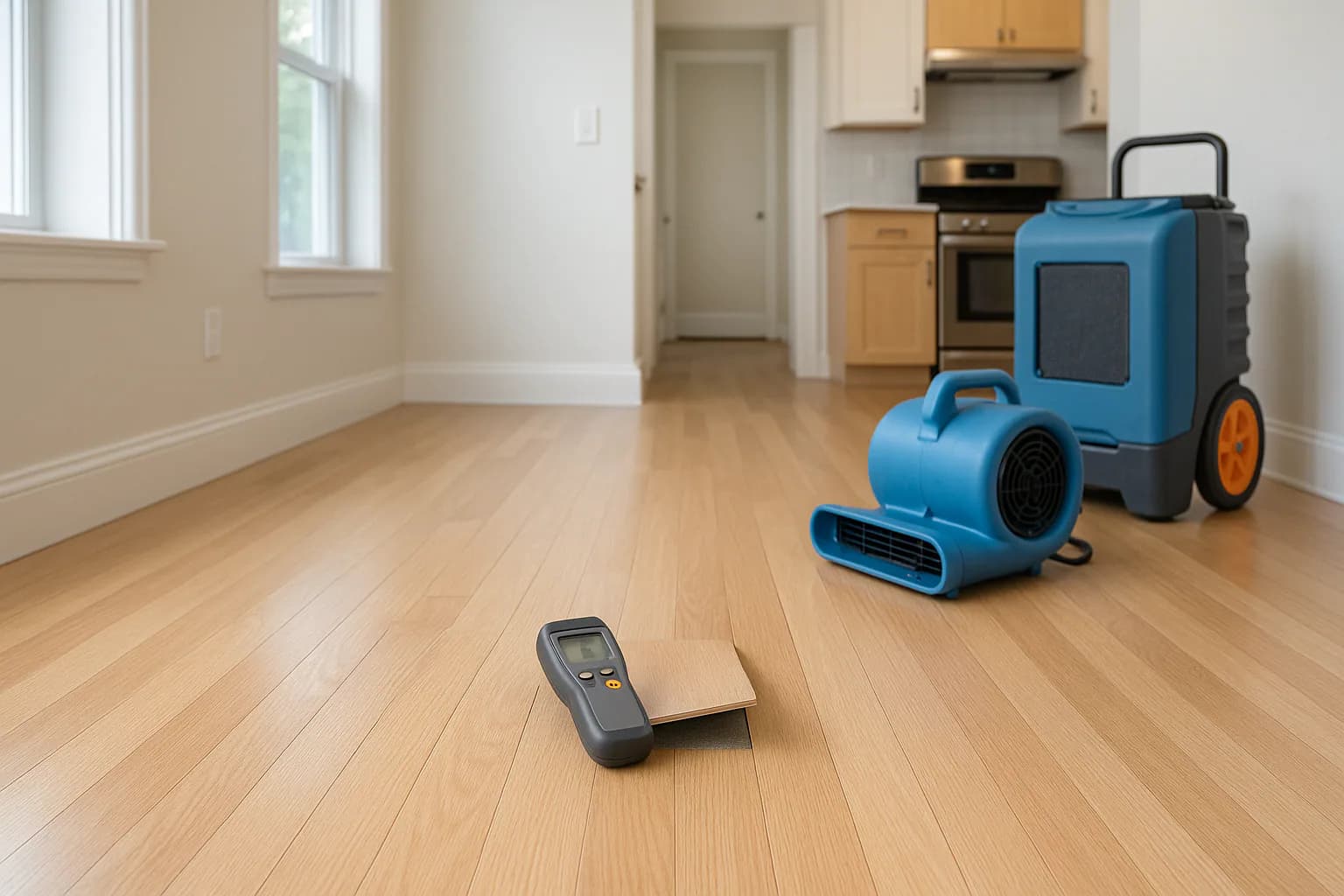
When water finds its way under flooring, the visible damage is often just the beginning. Even after the surface appears dry, moisture can linger underneath, trapped between the finished floor and the subfloor. This hidden water can cause floors to warp, weaken subfloors, and create the damp conditions that allow mold to grow if not handled properly.
If you suspect water has gotten under hardwood, laminate, tile, or vinyl flooring, it is important to act promptly. Some signs are obvious—buckling, soft spots, or tiles lifting—but many issues develop out of sight. Knowing what to look for and when professional help is needed can make a major difference in what can be saved and what may need to be replaced.
How Water Gets Trapped Under Flooring
Water can reach the layers under your flooring in several ways. Surface spills may seep through seams or edges, while leaks from appliances, plumbing, or wet basements can introduce moisture from below. Even when a spill appears small, water can travel far under the floor, especially if the installation has gaps or compromised seals. A quick mop-up on the surface is not always enough to address water that has moved below.
- Seams or expansion gaps between planks, tiles, or boards
- Edges where flooring meets walls or transitions
- Around toilets, tubs, dishwashers, and kitchen appliances
- Cracked grout lines or loose tiles in bathrooms and kitchens
- Rising moisture from a wet slab or subfloor below the finished floor
Some types of flooring, like engineered wood or laminate, can be especially vulnerable to water sneaking underneath. Once there, the water may sit against the subfloor or even wick up into the flooring material itself. In some homes, water can come up from below, such as when a slab or crawlspace is wet for an extended period.
Warning Signs: Clues Water Is Still Under Your Floor
Detecting hidden moisture requires paying close attention to subtle changes in your floors. Warped or buckled boards, raised seams, and soft or spongy spots underfoot often point to water trapped beneath. In tile installations, hollow sounds or loose pieces may be a clue. Odors—especially a musty smell that lingers after cleaning—can also signal dampness below the surface.
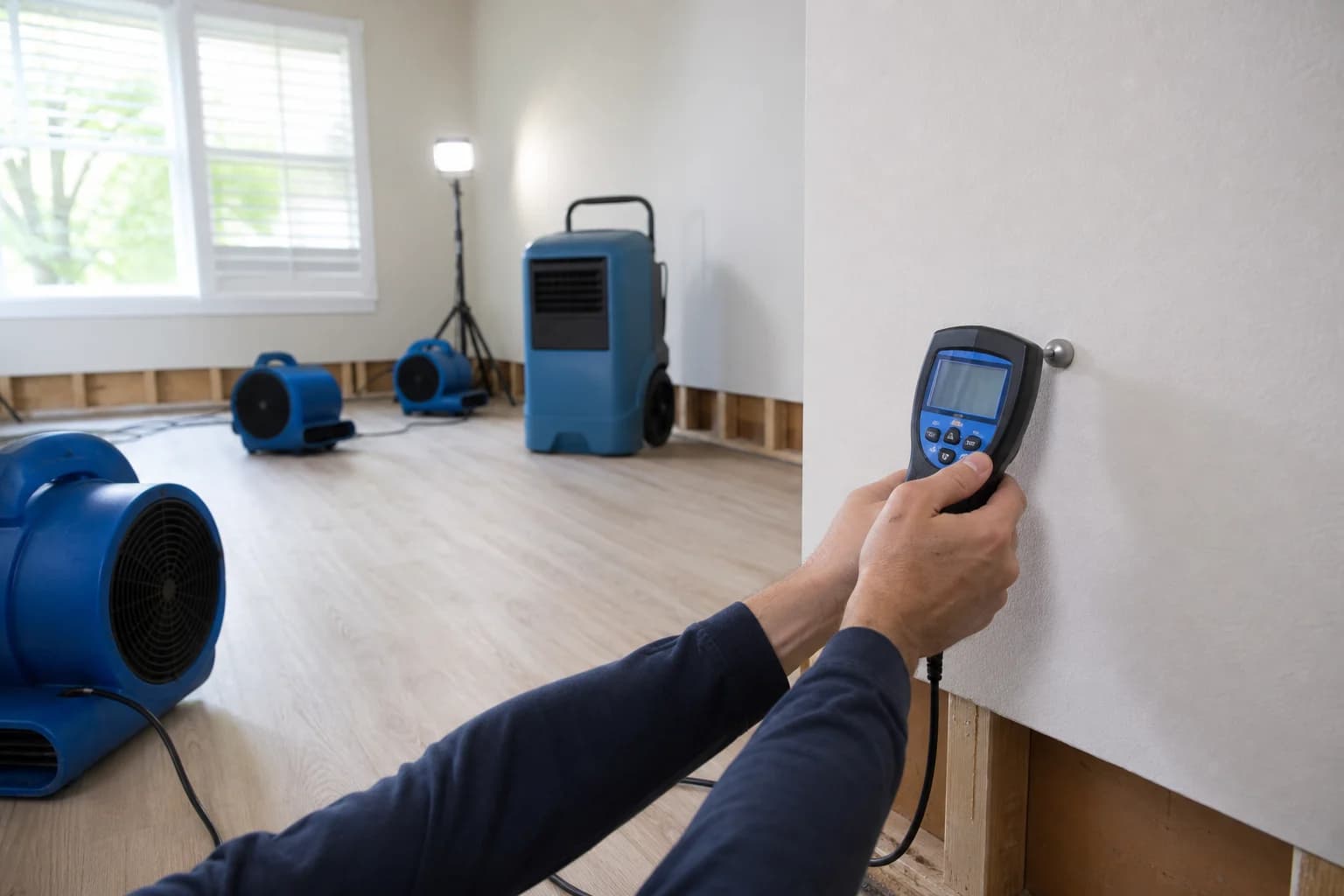
Visual cues are just the start. Sometimes, temperature patterns on the floor, noticed with the hand or with thermal imaging, suggest areas that might be wetter or drier than the rest. However, temperature differences alone are only clues. Restoration professionals may use moisture meters to confirm whether suspicious areas are actually wet.
- Cupping, crowning, or buckling in hardwood or laminate
- Spongy or soft-feeling spots when you walk
- Loose, lifting, or hollow-sounding tiles
- Persistent musty odors, even after drying the surface
- Swollen, discolored, or separated seams and edges
Watch for electrical and slip hazards
If standing water is near outlets, appliances, or electronics, do not enter the area. If it is safe and dry to do so, shut off power to the affected area at the main breaker. Avoid contact with standing water that may be contaminated.
Why Under-Floor Water Is Hard to Remove
Flooring is designed to resist water from the top, which means it also tends to trap water underneath. Once moisture seeps below the surface, airflow from fans or open windows may not reach it. Surface drying methods alone are often not enough to remove hidden water. This is especially true for materials like vinyl, laminate, or tile with tight seams or adhesives that can seal in moisture.
Professional restoration equipment, such as drying mats or systems that direct airflow under the floor, may be used to help with drying when needed. The use of moisture meters is important to guide the process, rather than relying on a visual check. In some cases, a restoration pro may need to lift part of the flooring to check or dry the subfloor directly. If contaminated water—such as from flooding or sewage—is involved, safe handling and sanitation are essential. Air movement should not be used when sewage, contaminated water, or visible or suspected mold is present, as this can spread contaminants.
What Restoration Pros Typically Assess and Do
Independent restoration professionals follow a step-by-step approach to evaluate and address water under flooring. The first step is to identify where the water has spread. This can involve moisture meters and, when appropriate, thermal imaging to look for temperature patterns that may indicate wet areas. Any suspicious spots should then be checked with appropriate moisture measurement or direct inspection to confirm hidden water.
- 1
Map the moisture
Check the extent of water under the floor using moisture meters and, if needed, thermal imaging to identify areas for further investigation.
- 2
Extract accessible water
Remove standing water and draw out as much moisture as possible from surfaces, seams, or cavities that are reachable without major removal.
- 3
Plan and monitor drying
Set up targeted drying equipment if needed, and monitor moisture levels in the flooring and subfloor until they reach a stable, dry state.
- 4
Re-evaluate salvageability
After drying, re-assess the condition of each material to determine what can remain and what may need to be replaced, based on damage and contamination.
Some situations require only surface drying and monitoring, while others may need more invasive methods. Widespread, persistent, or contaminated water often calls for an on-site professional assessment. The pros in your area can help determine the best approach for your particular floor type, water source, and level of damage.
When Floors Must Come Up: Making the Decision
Not all flooring can be saved after water damage. Some materials, such as laminate, swell and break apart when wet and often need to be replaced. Solid hardwood may sometimes be salvaged if drying starts promptly and the boards are not severely warped or stained. Tile may remain in place if the subfloor beneath is dry and stable, but the subfloor may still need drying or, if it stayed wet for too long, removal. The decision depends not just on the material, but how long the water sat and whether it was clean or contaminated. The category of water depends on the source, contamination, path, and changing conditions.
Restoration pros consider several factors: the type and thickness of flooring, the construction details, how much water got underneath, and whether it came from a clean or contaminated source. Contaminated water, such as from a flood or sewage backup, increases the likelihood that flooring and subfloors will have to be removed for sanitation and drying. An on-site assessment is the most reliable way to know what should be lifted and what may be dried in place.
- If the flooring material is swollen, buckled, or separating, removal may be necessary.
- If water came from a contaminated source, removal may be needed for sanitation.
- If drying cannot reach the subfloor or moisture readings remain high, removal may be needed.
- If the floor dries quickly and remains stable, saving it may be possible.
Common Mistakes to Avoid
Assuming that if the surface feels dry, the area is safe, can be a mistake. Hidden water can remain for days or even weeks, causing ongoing damage. Skipping moisture measurements or relying on fans alone may leave moisture trapped beneath the flooring, which can cause further problems over time.
Another error is replacing flooring too soon, before the subfloor is fully dry. Installing new materials over a damp subfloor can result in warping, odors, or further repairs. Patience and proper monitoring, whether through DIY tools or with help from a restoration professional, are important for a lasting repair.
When to Call for an On-Site Assessment
While small spills on waterproof flooring can sometimes be handled with quick cleaning and ventilation, hidden, widespread, or persistent moisture may require professional attention. If you notice ongoing odors, visible warping, or soft spots, or if water is suspected to be contaminated, an on-site assessment is recommended. Restoration pros can use specialized tools to map out moisture and design a drying plan that fits your situation.
Even if you are comfortable starting the cleanup yourself, a professional assessment can help identify hidden problems early. This is especially true for water that has reached wall cavities, seeped under multiple rooms, or involves materials that are difficult to inspect without removal. Insurance coverage for water damage depends on the cause and the details of your policy, so documentation and professional guidance can be helpful if a claim is needed.
Related Services
Think Water Is Trapped Under Your Floor?
Hidden moisture doesn't dry on its own. Call Water Restoration Pros to get connected with restoration professionals that service your area and can map the moisture and dry it properly.
Call (833) 968-0848Frequently asked questions
What are the first signs that water is trapped under flooring?
Can all types of flooring be dried in place after water damage?
Is a professional always needed to dry water under flooring?
Sources reviewed (2)
- U.S. EPA - Mold Course Chapter 2: EPA guidance on drying buildings, furnishings, carpet, wall cavities, and other wet materials.
- U.S. EPA - Flooded Home: EPA guidance on safety, cleanup, moisture control, and drying after a home is flooded.