
A clear service answer
Is structural drying the right service for this loss?
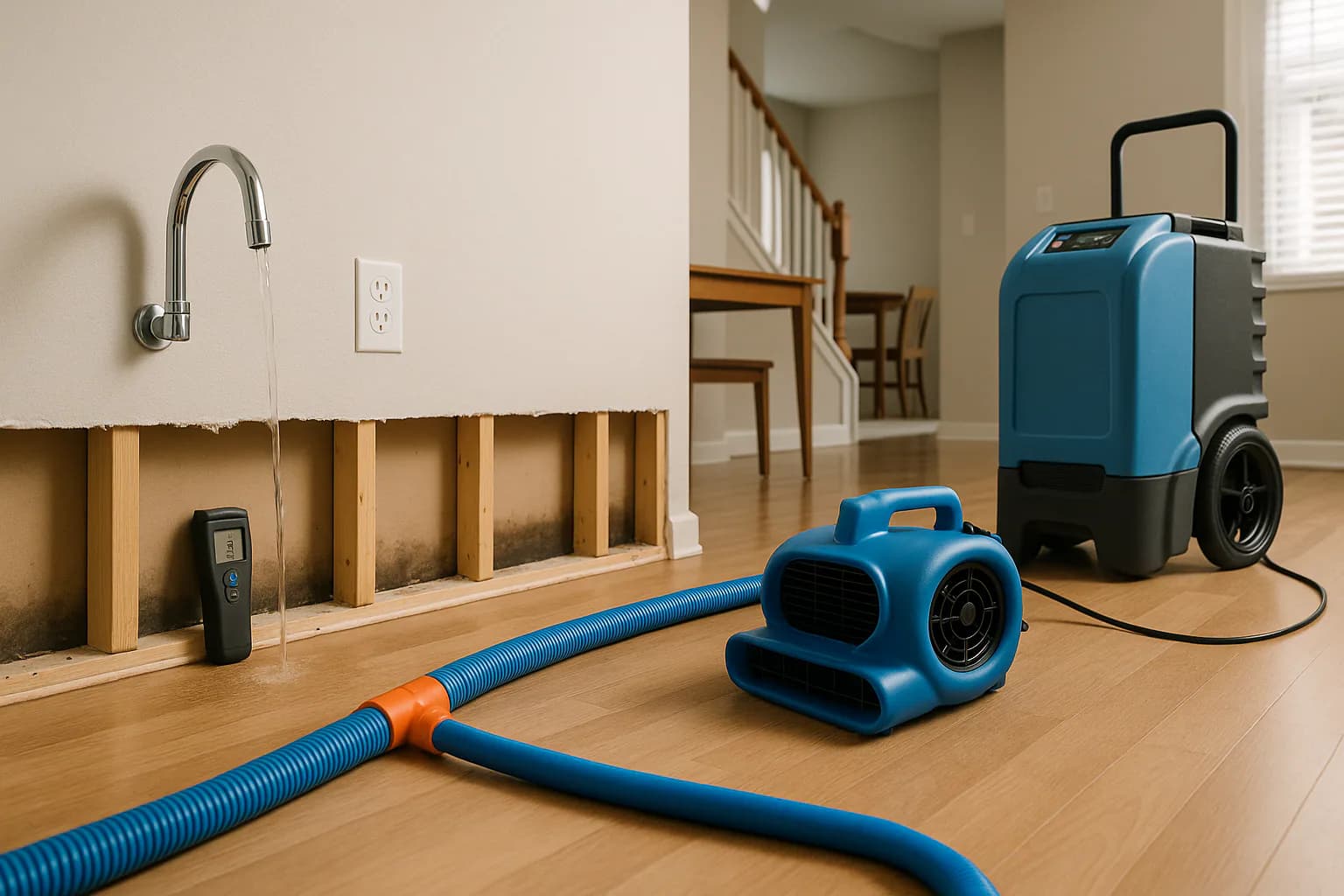
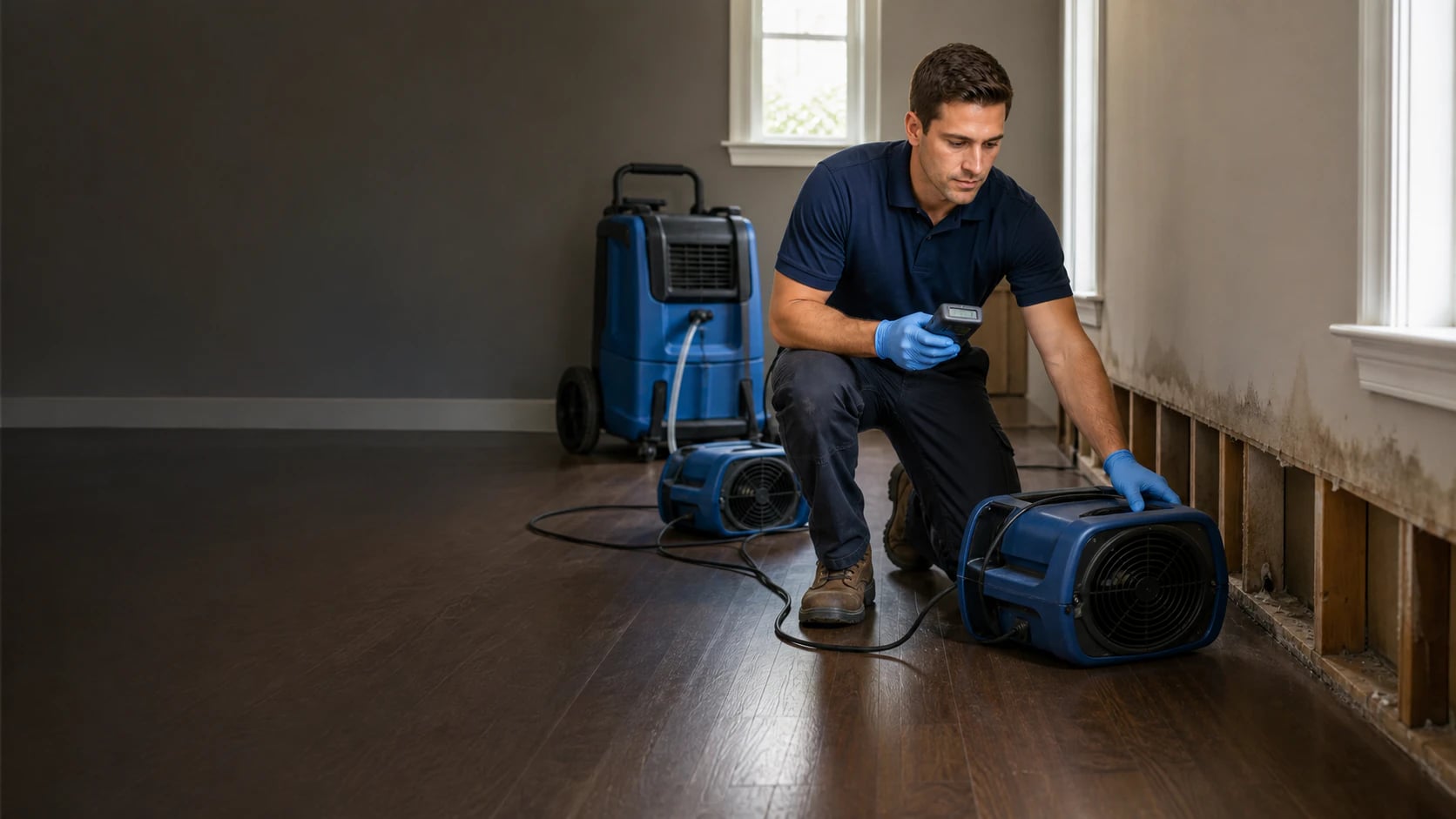
Structural drying help that uses air movers, dehumidifiers, and moisture monitoring to dry the building itself.
The central service decision
Dry in place, expose, or remove
Which building materials remain wet after bulk water is gone, and what measurements will demonstrate a stable drying result?
- Review
- material moisture and comparison readings
- Review
- airflow, humidity, and access
- Review
- completion targets and repair readiness
When it may fit
Standing water is gone but materials are still wet. Drywall, framing, subfloor, or flooring holds moisture. A crawlspace or wall cavity stayed damp after water damage. You need to confirm materials are dry before repairs begin.
How the problem may start
Water damage that soaked into structural materials. Moisture trapped behind walls and under floors. Damp crawlspaces and slow-drying below-grade spaces. Incomplete drying after a previous water event.
Service context in Livonia
Local conditions that can affect the plan
Local planning context
What can shape the assessment in Livonia
Livonia is a classic postwar Detroit suburb with a humid continental climate, warm summers, and cold, snowy winters. The terrain is flat, and branches of the Rouge River along with Newburgh and Nankin lakes sit in the south and southwest. Heavy summer thunderstorms falling on saturated ground are the main source of high water across the city.
Access and drying consideration
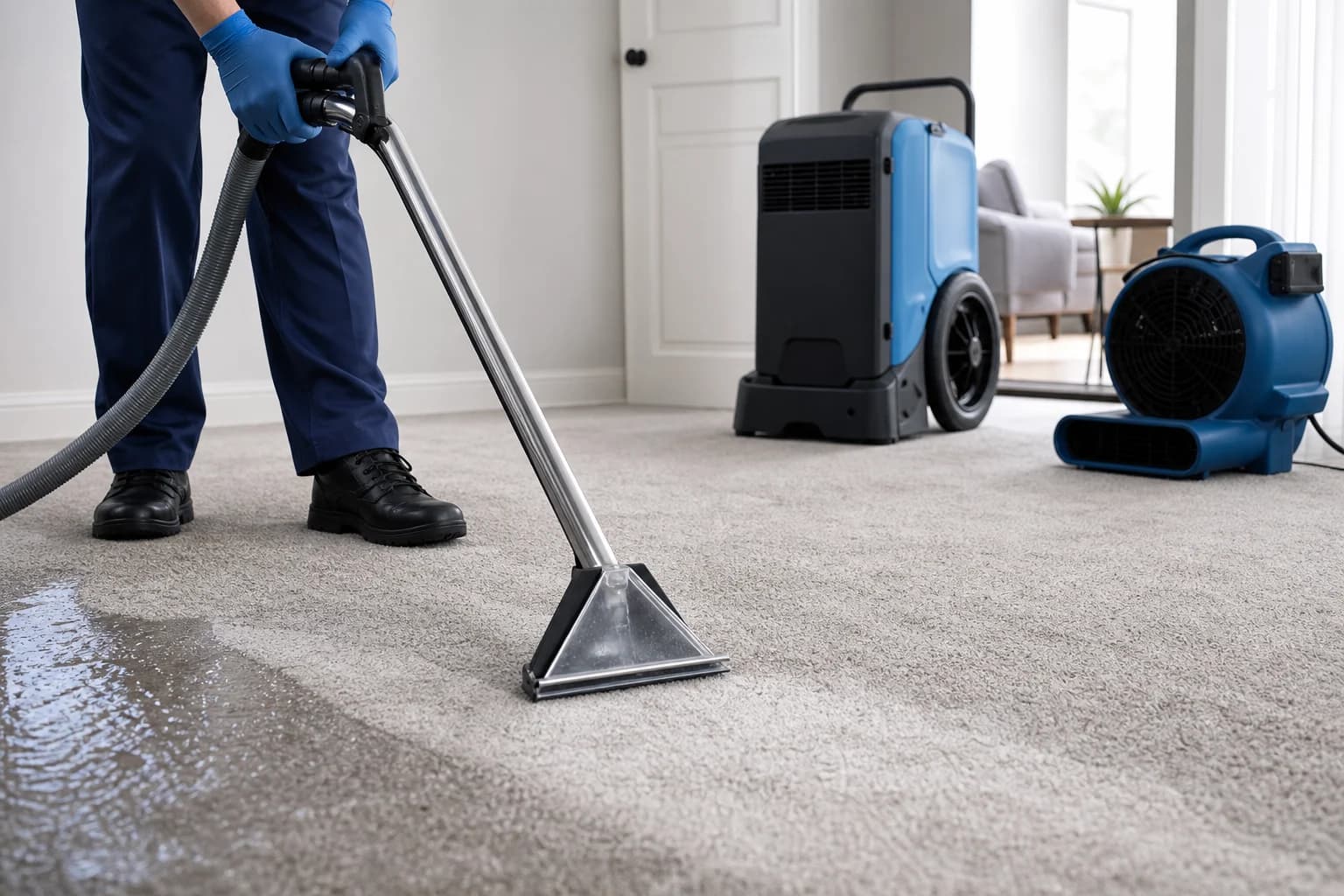
Finished basements are common in these postwar homes, so water often reaches carpet, drywall, and paneling that need prompt removal and drying
Access and drying consideration
Because storms hit the whole metro at once, drying equipment and response availability can vary with regional demand
Property and material context
The city built out rapidly in the 1950s and 1960s with middle-class ranch and colonial subdivisions, most on full poured basements
Property and material context
Housing is largely owner-occupied single-family on a flat landscape, with finished basements common across the older subdivisions
Access and drying consideration
Sewer-related backups can introduce contaminated water that requires careful handling rather than simple extraction
Verified service geography
The Census Gazetteer identifies Livonia city as the matched service geography. Property conditions and service scope still require an on-site assessment.
Professional service plan
How structural drying work moves forward
Assess and contain
Map the moisture
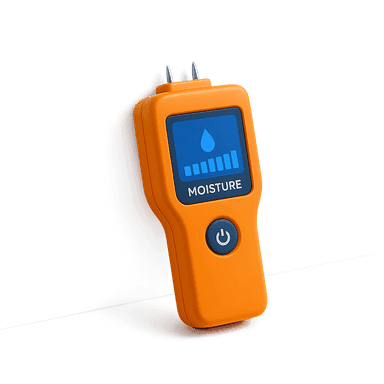
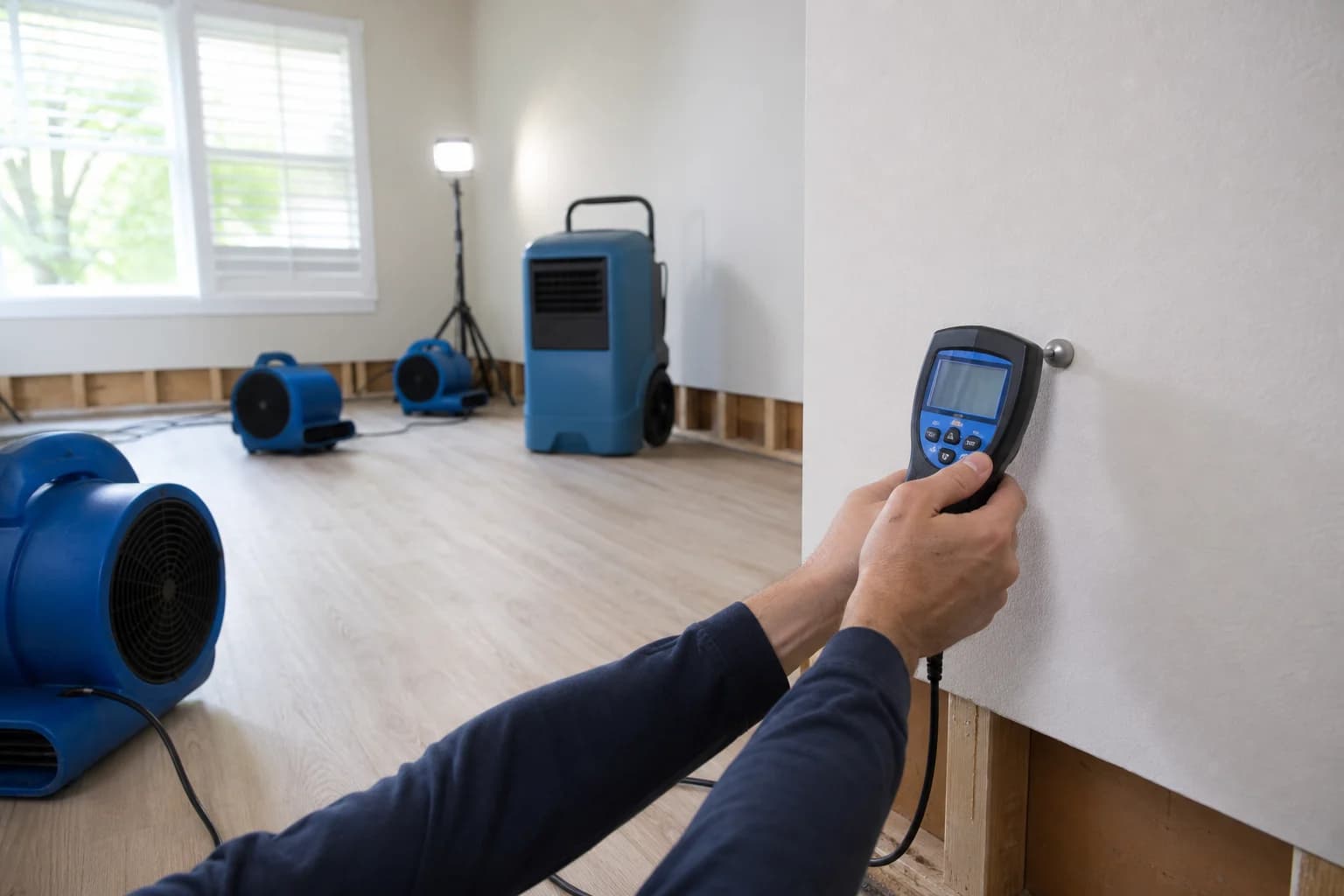
Use moisture meters to find where water is still trapped in materials and cavities.
Create airflow
Position air movers to move air across wet surfaces and speed evaporation.
Remove and dry
Remove humidity
Run dehumidifiers to pull the evaporated moisture out of the air so materials keep drying.
Open cavities when needed
Open or remove materials where moisture is trapped and cannot escape otherwise.
Verify and recover
Monitor to a target
Track moisture readings daily until materials reach a dry, stable target.
Scope and outcome
What changes the amount of work
How much area got wet and what materials are involved. How many air movers and dehumidifiers the job needs. How many days the structure takes to dry fully. How accessible the wet areas are, including cavities and below grade.
How much monitoring is needed to confirm the structure is dry. How much square footage got wet, and what kind of materials, drives the scope. Dense materials like hardwood, plaster, and concrete hold moisture and take longer to dry than drywall or carpet. Larger or wetter areas need more air movers and dehumidifiers running at once. The size of that equipment setup is a core part of the cost. Drying is measured in days, not hours. A lightly affected room may dry in a few days, while saturated or dense materials can take longer, extending the timeline.
Cost and scope
What affects structural drying cost in Livonia
Structural drying cost is driven by the area and materials involved, the number of air movers and dehumidifiers, the days of drying, accessibility, and the monitoring required. Understand the factors, then connect with a pro for an accurate assessment.
A written estimate should connect each charge to the source, affected materials, access, contamination conditions, drying work, and repairs found during the assessment.
National planning range for this location
Standard residential planning range
$1,250-$2,550 per project
Resolved from the approved Water Restoration Pros pricing methodology and standardized scope.
National planning range used for this location until reviewed local economic inputs are available.
Cost ranges are estimates developed from standardized project scopes and reviewed pricing inputs. Government labor and regional cost data are used where applicable. See our Pricing Methodology for the exact sources, calculations, and review date. Actual prices vary by property, scope, materials or equipment, location, and provider.
Area and materials
How much square footage got wet, and what kind of materials, drives the scope. Dense materials like hardwood, plaster, and concrete hold moisture and take longer to dry than drywall or carpet.
Air movers and dehumidifiers
Larger or wetter areas need more air movers and dehumidifiers running at once. The size of that equipment setup is a core part of the cost.
Days of drying
Drying is measured in days, not hours. A lightly affected room may dry in a few days, while saturated or dense materials can take longer, extending the timeline.
Accessibility
Open rooms dry more predictably than wall cavities, crawl spaces, and below-grade areas, which can need specialized equipment and more time to reach full dryness.
What happens next
What to expect from the first visit
Map the moisture
Use moisture meters to find where water is still trapped in materials and cavities.
Create airflow
Position air movers to move air across wet surfaces and speed evaporation.
Remove humidity
Run dehumidifiers to pull the evaporated moisture out of the air so materials keep drying.
Open cavities when needed
Open or remove materials where moisture is trapped and cannot escape otherwise.
Before approving the scope
Questions that make a proposal easier to compare
How will the assessment document material moisture and comparison readings?
The answer should be specific to the property and reflected in the written scope.
Which conditions determine whether structural drying is the right service path?
The answer should be specific to the property and reflected in the written scope.
What work, specialist responsibilities, measurements, and completion records will be included in writing?
The answer should be specific to the property and reflected in the written scope.
Documentation
Keep the property record organized
Coverage depends on the water source, policy language, exclusions, endorsements, limits, deductible, and claim facts. When conditions are safe, document the apparent source, affected rooms, visible damage, and reasonable steps taken to limit additional loss. Review the policy and follow the insurer's claim instructions.
This is general information, not insurance or legal advice.
Read the water damage insurance claim guideMore structural drying in Michigan
Questions property owners ask
Structural Drying in Livonia: FAQs
What can affect structural drying in Livonia, MI?
What should a structural drying assessment cover in Livonia, MI?
What is structural drying?
How long does structural drying take?
Why not just let it air dry?
Technical and safety sources (8)
These sources support restoration, safety, moisture, cleanup, local context, and scope guidance. They do not serve as numeric pricing provenance.
- U.S. EPA - A Brief Guide to Mold, Moisture and Your Home: EPA guidance on moisture control, prompt drying, indoor humidity, and mold cleanup decisions.
- U.S. EPA - Mold Course Chapter 2: EPA guidance on responding promptly to wet building materials and evaluating moisture conditions.
- U.S. EPA - Flooded Home: EPA guidance on safety, cleanup, moisture control, and drying after a home is flooded.
- NAIC - Consumer Homeowners Insurance: NAIC consumer information on homeowners coverage, exclusions, inventories, and policy review.
- NAIC - What You Need to Know When Filing a Homeowners Claim: NAIC guidance on reporting a claim, documenting damage, deductibles, contractors, and adjuster meetings.
- FEMA National Risk Index: Counties: Supports the regional weather and water context used during location review.
- FEMA National Risk Index Technical Documentation: Explains the scope and limitations of the regional hazard information used during location review.
- U.S. Census Bureau Gazetteer Files: Census reference for official place geography and Gazetteer datasets.