
When drywall has gotten wet, deciding whether it can be dried in place or must be removed is a key step in water damage recovery. This decision depends on the water source, how long the drywall stayed wet, how deeply it soaked in, and whether the wall can be thoroughly dried. Acting quickly and making an informed decision helps reduce the risk of additional problems and supports the restoration process.
Some wet drywall can be dried and salvaged, while other situations call for removal and replacement. Understanding what restoration professionals look for—and what clues homeowners can watch for—can help guide the next steps after a leak or flood. Here’s what goes into the process, how to recognize common signs, and why the right approach varies from home to home.
How Drywall Responds to Water Exposure
Drywall is composed of gypsum pressed between paper layers. When water seeps in, both the paper and gypsum can absorb moisture. Brief, limited exposure to clean water may leave drywall largely intact, but longer soaking or exposure to contaminated water can cause swelling, sagging, and loss of strength. If water reaches insulation or framing inside the walls, the situation becomes more complex.
Visible changes like stains, bubbling, or softness are surface clues, but moisture can also be hidden behind walls. Even if drywall looks dry, it may still hold water internally. Odors and temperature differences around affected areas can suggest moisture issues, but these are clues to investigate further—not confirmation of a specific problem. When in doubt, moisture meters or an on-site assessment can help clarify the extent of water damage.
When Drywall Can Be Dried and Saved
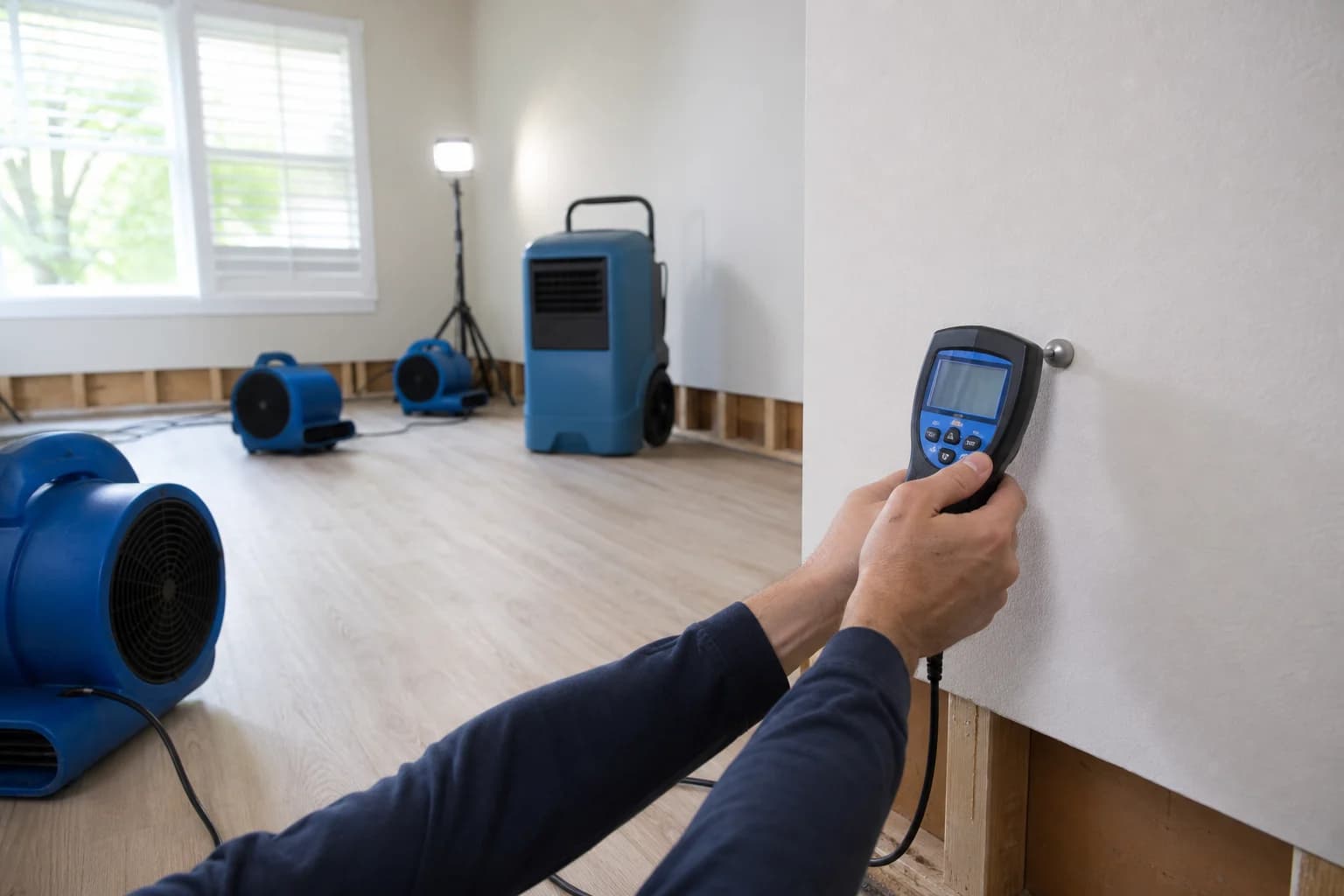
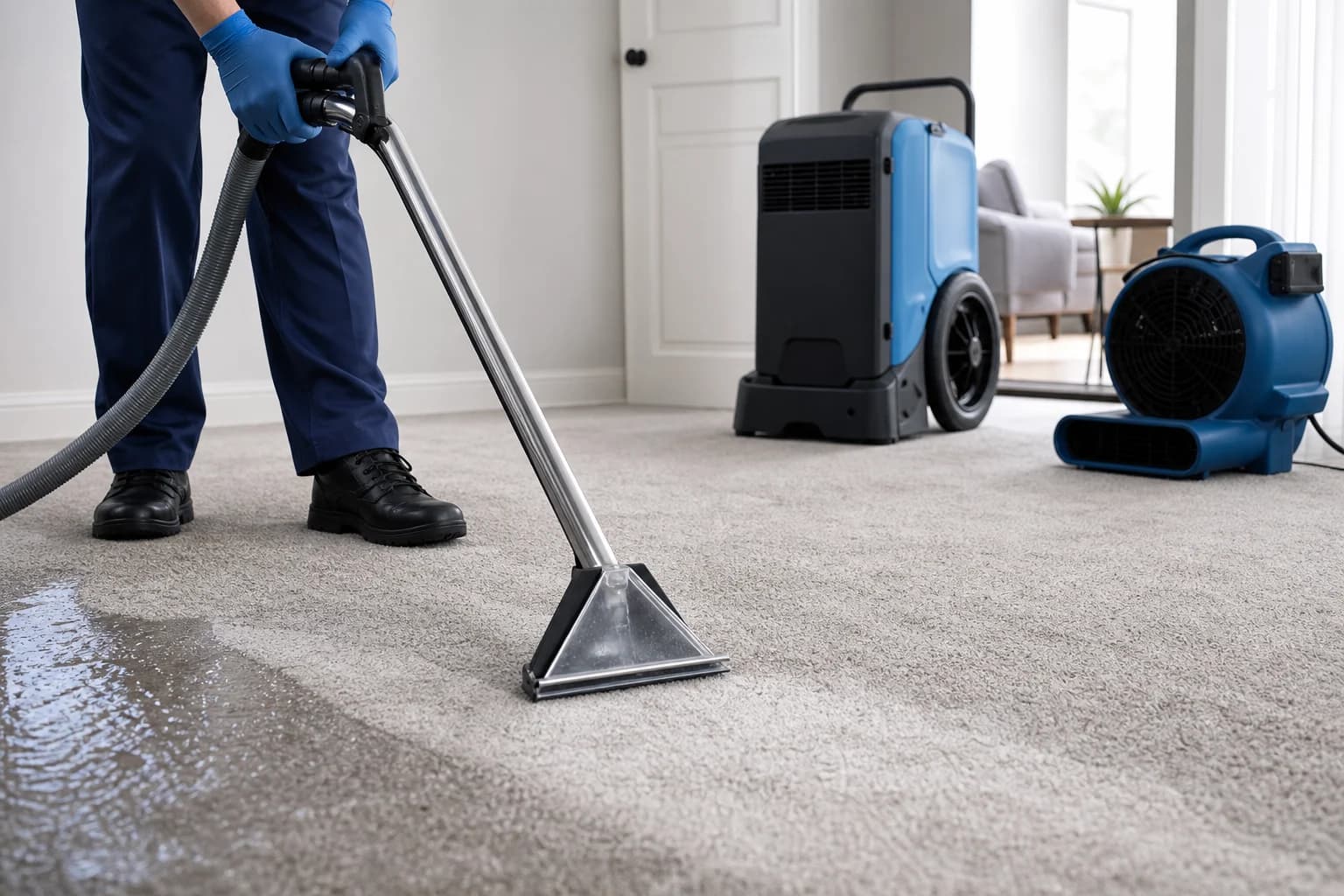
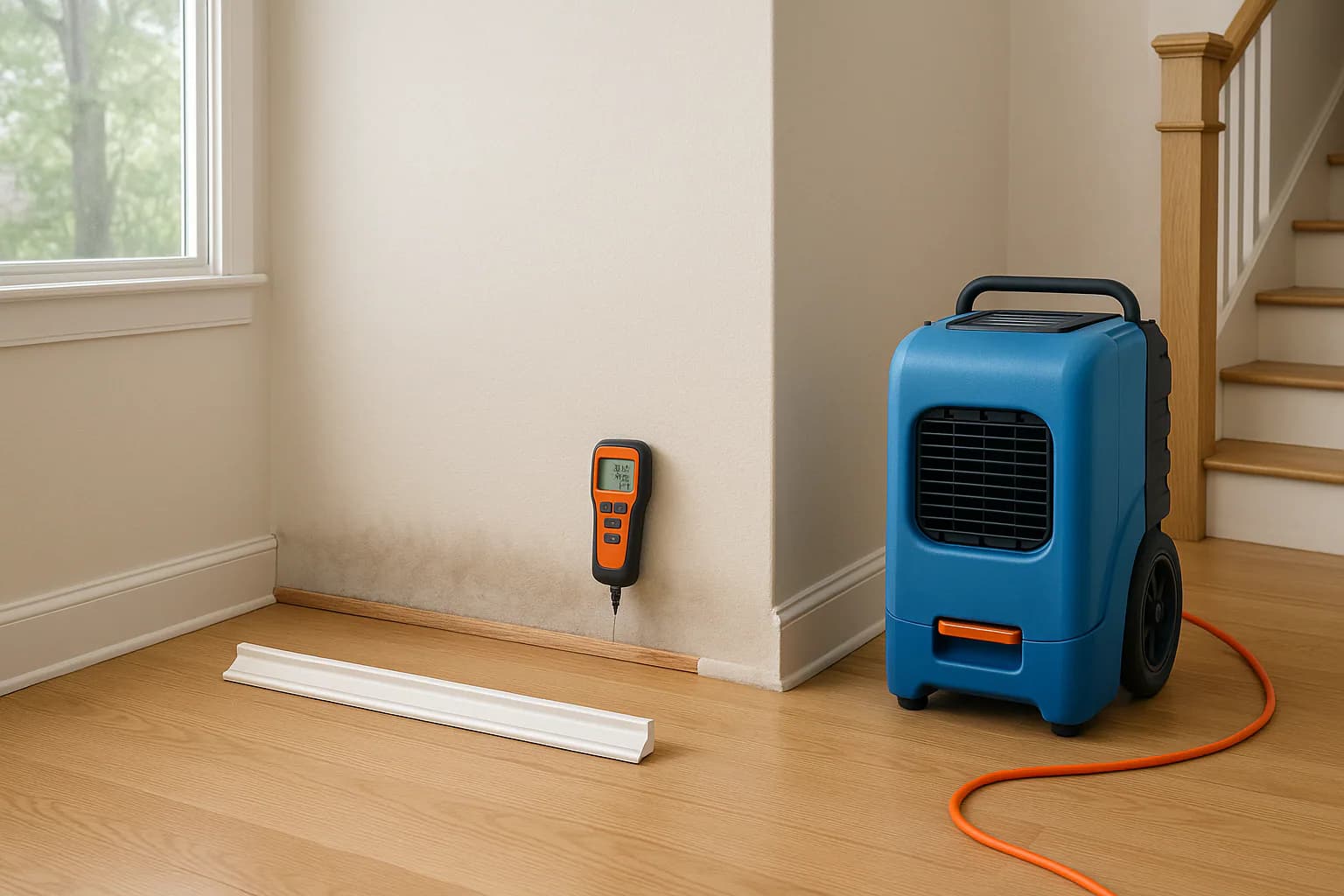
Drywall exposed to clean water for a short time, such as from a recent plumbing leak or rain intrusion, may sometimes be dried in place if drying begins promptly. Restoration professionals often use dehumidifiers and, in clean-water situations without mold or contaminants, may use air movement to help remove moisture from the air and materials. Moisture meters are used to confirm drying progress, since touch and appearance alone may not be reliable.
Drying is more likely to succeed when moisture did not penetrate deeply, the drywall remains firm and sound, and the source of water has been addressed. The pros in your area may also check if insulation behind the drywall is dry. If insulation is unaffected and wall cavities can be accessed with drying equipment, drying in place may be an option. However, even with these conditions, the drying process must be monitored. If the drywall stops drying or moisture levels remain high, removal may still be needed.
- The water was clean and the source was fixed promptly
- Saturation is limited to a small area
- Drywall panels remain flat and strong, with no crumbling or sagging
- No visible signs of conditions that encourage mold growth
- Drying equipment can reach both the wall surface and the cavity behind (if safe and appropriate)
Signs That Wet Drywall Should Be Removed
Certain signs suggest that drywall is unlikely to be salvaged, even with prompt action. If drywall has lost its shape, feels mushy, or crumbles under gentle pressure, it is generally beyond saving. Swelling or separation of seams and corners are also indicators that the material has lost structural integrity. Visible staining or discoloration may suggest deeper water penetration, especially if it is spreading or worsening after drying efforts begin.
Another key factor is the water source. According to U. S. EPA guidance, drywall exposed to gray or black water—such as from sewage backups, outside floodwater, or drain overflows—often requires removal regardless of appearance. Contaminated water can carry substances that remain in porous drywall, making thorough sanitation difficult. In these cases, safe handling and proper disposal are part of the restoration process.
- Drywall is sagging, crumbling, or swollen
- Panels feel soft or spongy to the touch
- Moisture has remained for an extended period
- There is evidence of visible microbial growth or musty odors
- Water is from a contaminated source (gray or black water)
- Insulation or framing behind the drywall is saturated
Contaminated Water Changes the Equation
Drywall touched by gray or black water often needs to be removed regardless of how it looks, because porous materials can hold contaminants. Safe handling and proper disposal are part of the process.
How Professionals Assess Wet Drywall
Restoration professionals follow a systematic process to evaluate water-damaged drywall. First, they identify the type and source of water. Clean water from a burst pipe is treated differently from water that comes from a drain, appliance overflow, or outside flooding. Next, they use moisture meters to measure the actual water content in the drywall and nearby materials. These readings help determine how far moisture has spread, even when it's not visible.
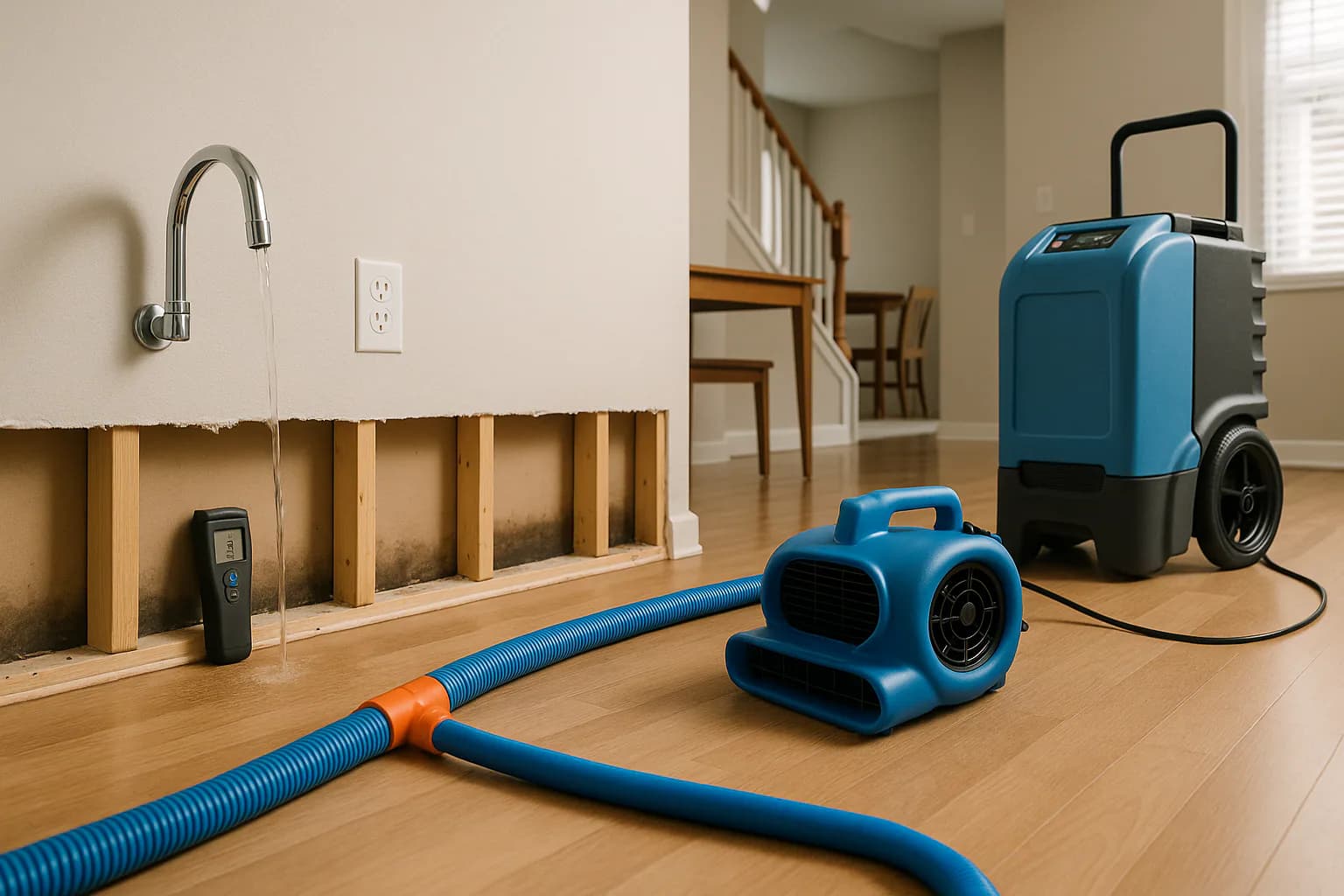
Thermal imaging cameras may be used to screen for temperature differences on wall surfaces. Cooler areas could indicate hidden moisture, but these patterns are only clues—suspicious spots are checked with moisture meters to confirm if they are actually wet. The pros in your area also look for signs of structural damage, such as bulging, warping, or separation from studs. They consider whether drying equipment can reach the affected areas, including behind the walls. If larger areas are involved, or if water remains trapped in wall cavities or insulation, removal may be recommended.
- 1
Identify the water category
Clean, gray, and black water lead to different decisions about what can stay.
- 2
Measure the moisture
Professionals use meters to find how wet the drywall and the materials behind it really are.
- 3
Check the structure
Drywall that has lost its integrity is unlikely to be restored by drying alone.
- 4
Choose dry or remove
Based on category, saturation, and condition, pros determine the safest, most effective path.
Common Mistakes and Next Steps
Trying to save drywall when removal is needed can trap moisture inside walls, complicating future repairs. This can also slow the overall drying of the home, delaying the restoration process. On the other hand, removing drywall that could have been dried in place adds extra cost and work. Acting based on surface appearance alone, or skipping moisture measurements, can lead to the wrong approach.
If the wet area is small, the water was clean, and the drywall is still firm, careful drying may be effective. But if the affected area is widespread, water was contaminated, or moisture remains after drying efforts, an on-site assessment by a professional may be needed. The pros in your area can advise on whether a "flood cut"—removing drywall a set height above the floor—will help dry the wall cavity and insulation. This targeted removal can support drying while preserving as much material as possible.
When to Call for Professional Help
Some water-damaged drywall can be addressed with household dehumidifiers and, in clean-water situations without suspected contamination or visible mold, careful air movement—especially if caught early and limited to a small, accessible area. However, widespread damage, hidden moisture, or contaminated water often call for an on-site assessment. Restoration professionals have the tools to measure moisture inside walls, identify hidden problems, and safely remove unsalvageable materials. Their experience helps balance salvaging what can be dried and removing what must go.
If there is reason to suspect moisture remains behind walls or in insulation, or if the extent of damage is unclear, connecting with a local restoration professional is a practical next step. Fast, thorough drying reduces conditions that allow mold to grow and supports the home's structure. Insurance coverage for drywall removal and restoration depends on the cause of the water damage and the specific policy involved. Professional documentation may help support claims, but requirements and coverage vary.
Ultimately, the decision to dry or remove wet drywall is based on the water source, how long materials stayed wet, how deeply moisture penetrated, and the condition of both drywall and the materials behind it. If in doubt, an assessment from a local pro can clarify the safest and most practical solution for your property.
Wondering if Your Drywall Can Be Saved?
The right call depends on moisture, time, and water type. Call Water Restoration Pros to get connected with restoration professionals that service your area and can assess your drywall and dry your home.
Call (833) 968-0848Frequently asked questions
What clues suggest drywall needs to be removed after water damage?
Can all wet drywall be dried in place with fans and dehumidifiers?
Why is an on-site assessment sometimes needed after drywall gets wet?
Sources reviewed (3)
- U.S. EPA - Mold Course Chapter 2: EPA guidance to dry wet building materials within about 24 to 48 hours when possible.
- U.S. EPA - Flooded Home: EPA safety and drying guidance for homes affected by floodwater, moisture, and mold.
- U.S. EPA - A Brief Guide to Mold, Moisture and Your Home: EPA guidance on moisture control, prompt drying, indoor humidity, and mold cleanup decisions.