Filing a water damage insurance claim can be stressful, especially while the property is still wet. A clear record, prompt reporting, and reasonable mitigation steps can help the process move more smoothly. Coverage depends on the cause of the damage and the terms of the policy, so the homeowner should review the policy and contact the insurer for guidance on the specific claim.
Document the Damage Before Cleanup
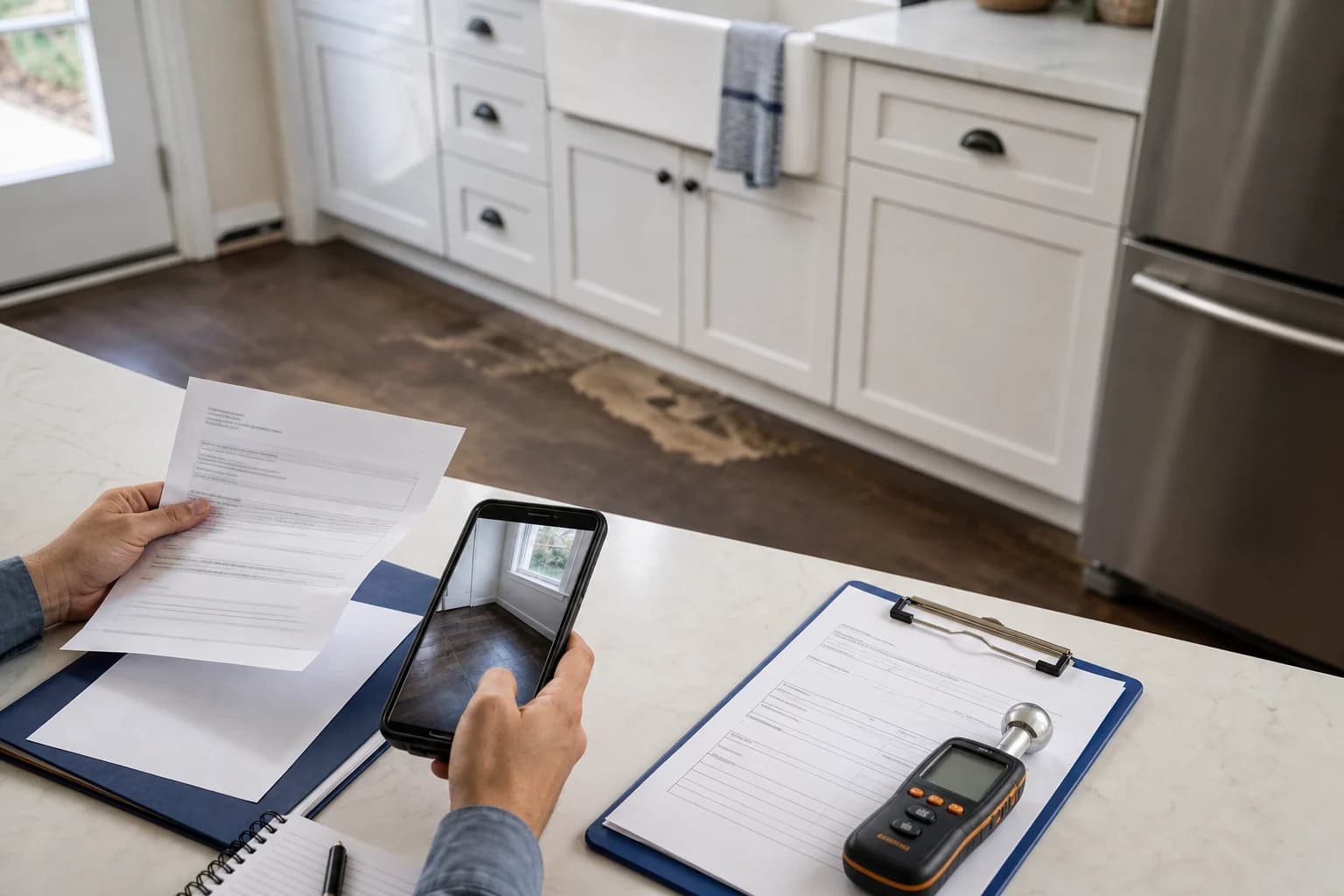
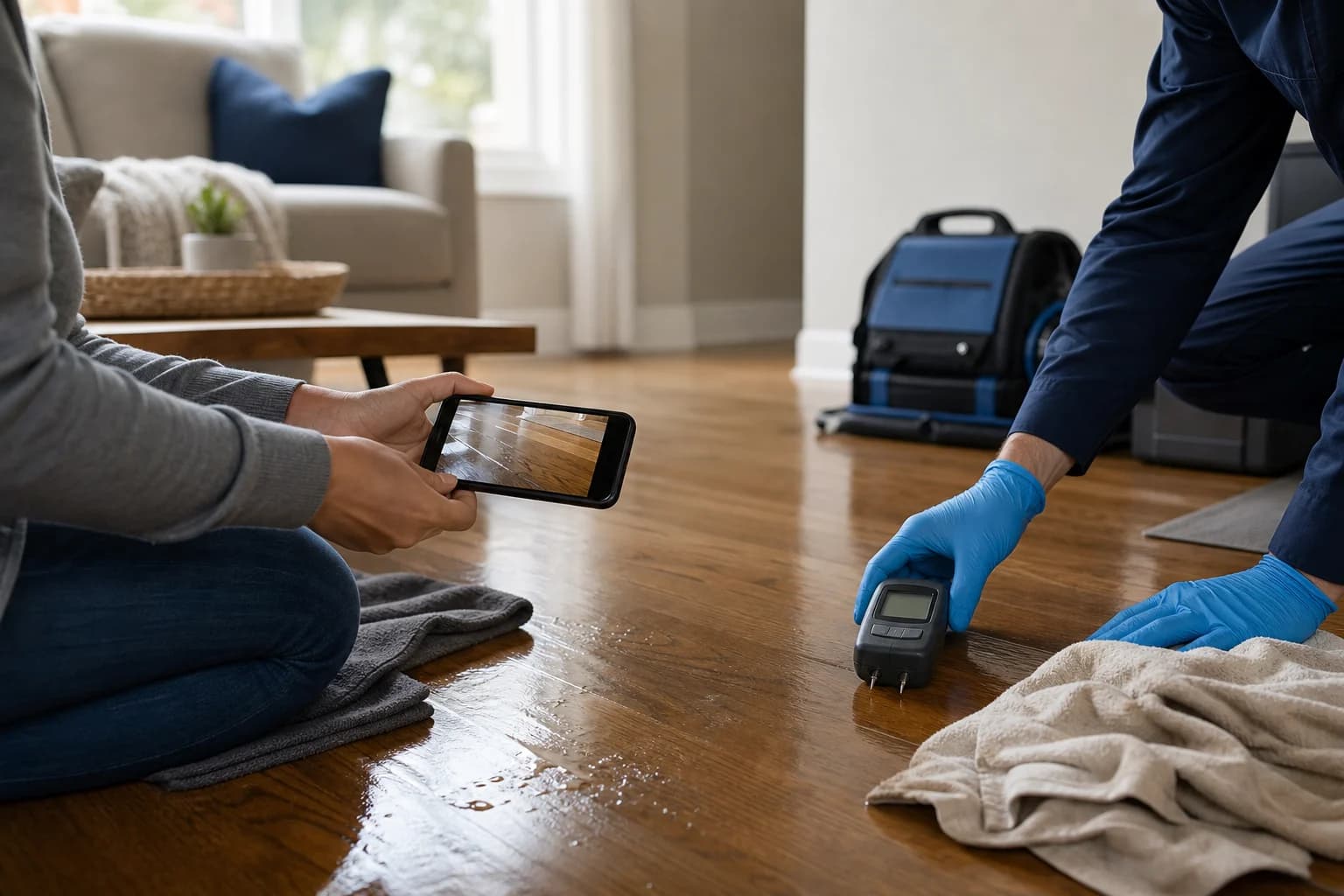
Before cleanup begins, and only if it is safe to do so, photograph and video the affected areas from multiple angles. Include wide shots of rooms, close-ups of damaged materials and belongings, and anything that helps show where the water entered. If the source can be stopped safely, such as by shutting off a water supply, note that as well.
A written record is just as important. Save the date and time the damage was first noticed, describe what happened, and keep a list of damaged items. Receipts for temporary repairs, drying, and other mitigation costs can also be useful if the insurer asks for them.
Report the Claim Promptly
After the property is safe and the damage has been documented, the next step is to notify the insurance company. The insurer may open a claim and assign an adjuster to review the loss. Clear notes, photos, and receipts can make that conversation more efficient.
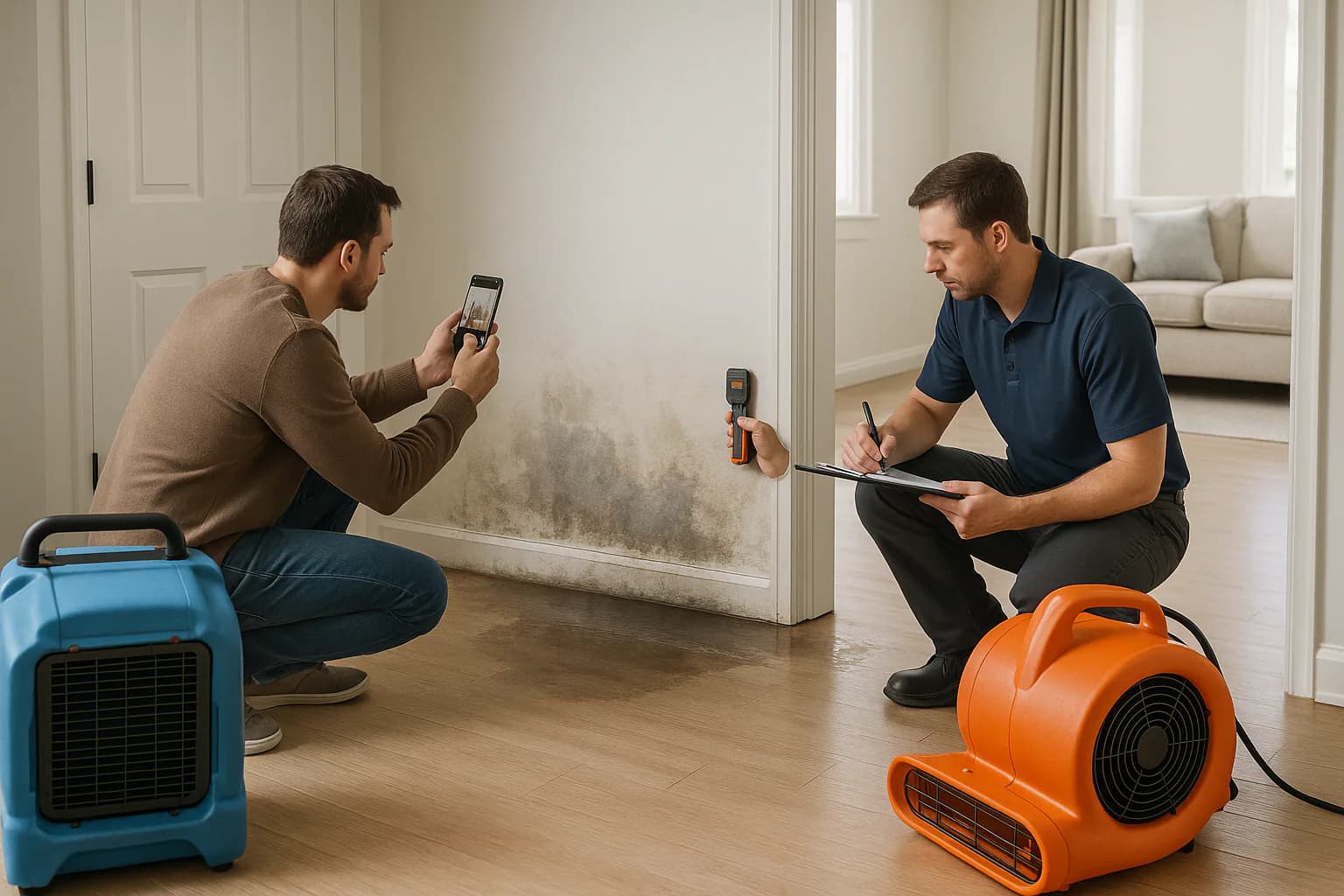
The adjuster typically reviews the cause of the damage, when it was discovered, the documentation provided, and whether reasonable steps were taken to limit further loss. The adjuster may also meet on site to inspect the affected areas and discuss the claim details.
Understand the Duty to Mitigate
Many homeowners policies expect the property owner to take reasonable steps to prevent additional damage after a water event. That is often described as a duty to mitigate. In practical terms, that may mean stopping the source of the water if possible and getting drying started without delay.
Prompt drying helps reduce the conditions that allow mold to grow. EPA guidance says wet building materials should be dried within about 24 to 48 hours when possible. Independent restoration professionals can help remove standing water, set up drying equipment, and document the mitigation work for the claim file.
Work Safely Around Water Damage
Safety comes first. Do not enter standing water or handle energized equipment. If contamination is suspected, such as from sewage or other potentially contaminated water, the area should be treated as a sanitation concern and handled with appropriate precautions by restoration professionals.
If the loss involves contaminated water, keep people and pets away from affected areas and follow public-health guidance. The goal is to limit exposure while the claim is being reported and the property is being stabilized.
What Adjusters Commonly Review
Adjusters usually look for a clear account of what happened and when it was first noticed. They also review whether the loss appears sudden and accidental or whether it developed over time. Documentation matters here: photos, videos, written notes, and receipts can help show the scope of the loss and the steps taken after it was discovered.
It can help to have the adjuster meet with the homeowner while the affected areas are still accessible. If restoration professionals are involved, they can provide a scope of work and documentation of the mitigation process. That information can help the insurer understand what was damaged and what work was performed.
Keep Track of Hidden Damage
Water can move into areas that are not visible at first, so additional damage may be found during repairs. If that happens, the insurer may need updated documentation and a supplement request for the added work. Keeping the insurer informed as new damage is discovered can help avoid confusion later in the claim.
Restoration professionals may identify moisture in hidden spaces and document conditions that were not obvious during the first inspection. Thermal imaging can help screen for temperature patterns, but it does not prove moisture or mold without direct measurement or inspection.
Review Your Policy Terms
Homeowners policies can differ on how they handle water damage. Some claims are paid on a replacement cost basis, while others use actual cash value, which accounts for depreciation. The policy language matters, as do exclusions, endorsements, limits, and the deductible.
The National Association of Insurance Commissioners recommends reviewing the policy and keeping an inventory of belongings. If the coverage language is unclear, the homeowner should ask the insurer to explain how the policy applies to the specific loss and what documents are needed to support the claim.
Consider Whether a Public Adjuster Is Appropriate
Some homeowners choose to hire a public adjuster for a complex claim or when they want help organizing the documentation and communicating with the insurer. Public adjusters work independently of the insurance company and may assist with the claim process and settlement discussions.
Before hiring one, the homeowner should understand the cost and the scope of services. A public adjuster is not required for every claim, and the decision depends on the complexity of the loss and the homeowner’s comfort with handling the process.
Why Prompt Drying Matters
The EPA advises drying wet materials as soon as possible, ideally within about 24 to 48 hours when conditions allow. Fast drying helps limit additional deterioration and reduces the conditions that allow mold to grow. That is one reason insurers often expect homeowners to act quickly after discovering water damage.
Restoration professionals can use drying equipment, monitor moisture levels, and document the work as part of the claim file. That documentation may help show that reasonable steps were taken to limit further damage.
Water Damage Claim Context
The Insurance Information Institute reports that water damage and freezing are a major source of homeowners losses, and that insured homes file these claims regularly. In 2023, water damage and freezing accounted for 22.6% of homeowners losses.
Those figures do not change how a specific claim will be handled, but they do show why careful documentation and prompt mitigation matter. A well-organized claim file can help the insurer understand the loss and review the repair needs more efficiently.
Related Services
Don't Wait on the Damage
While you work through your claim, water keeps causing damage. Call Water Restoration Pros to get connected with restoration professionals that service your area and can start mitigation and document the loss.
Call (833) 968-0848Frequently asked questions
What should a homeowner do first after water damage is discovered?
What information do adjusters usually want for a water damage claim?
Does the policy language matter when filing a claim?
Why is fast drying important after water damage?
When might a public adjuster be considered?
Sources reviewed (5)
- Insurance Information Institute — Facts + Statistics: Homeowners and renters insurance: Industry statistics for water-damage and freezing claim frequency and homeowners loss categories.
- U.S. EPA - Mold Course Chapter 2: EPA guidance to dry wet building materials within about 24 to 48 hours when possible.
- NAIC - Consumer Homeowners Insurance: NAIC consumer information on homeowners coverage, exclusions, inventories, and policy review.
- NAIC - What You Need to Know When Filing a Homeowners Claim: NAIC guidance on reporting a claim, documenting damage, deductibles, contractors, and adjuster meetings.
- U.S. EPA - A Brief Guide to Mold, Moisture and Your Home: EPA guidance on moisture control, prompt drying, indoor humidity, and mold cleanup decisions.