What a denied water damage claim usually means
A denied water damage claim means the insurer did not approve payment under the policy terms it reviewed. The next step is to identify the exact reason in the denial letter and compare it with the policy language, exclusions, endorsements, limits, deductibles, and the facts of the loss. Coverage outcomes depend on those details, so the denial should be reviewed carefully before any response is sent.
Start with the denial letter and your policy
The denial letter should explain why the claim was not approved. Read it closely and note the policy provisions the insurer cites, the dates it relies on, and any missing information it says affected the decision. Then review the policy itself. NAIC consumer guidance recommends reading the policy, understanding exclusions, and keeping an inventory and records that support the claim.
Common reasons water claims are denied
Water losses are often disputed when the insurer believes the damage was gradual, tied to long-term maintenance issues, or outside the policy’s covered causes. Claims can also be denied when the loss involves excluded flood or surface water, when reporting is delayed, or when the documentation does not clearly show what happened. The exact reason in the denial letter matters more than a general assumption about coverage.
- Gradual leak or long-term seepage rather than a sudden event
- Flood or rising-water damage that falls under a separate policy or exclusion
- Late reporting or incomplete claim information
- Policy exclusions, limits, deductibles, or endorsements that affect coverage
Document the loss before more time passes
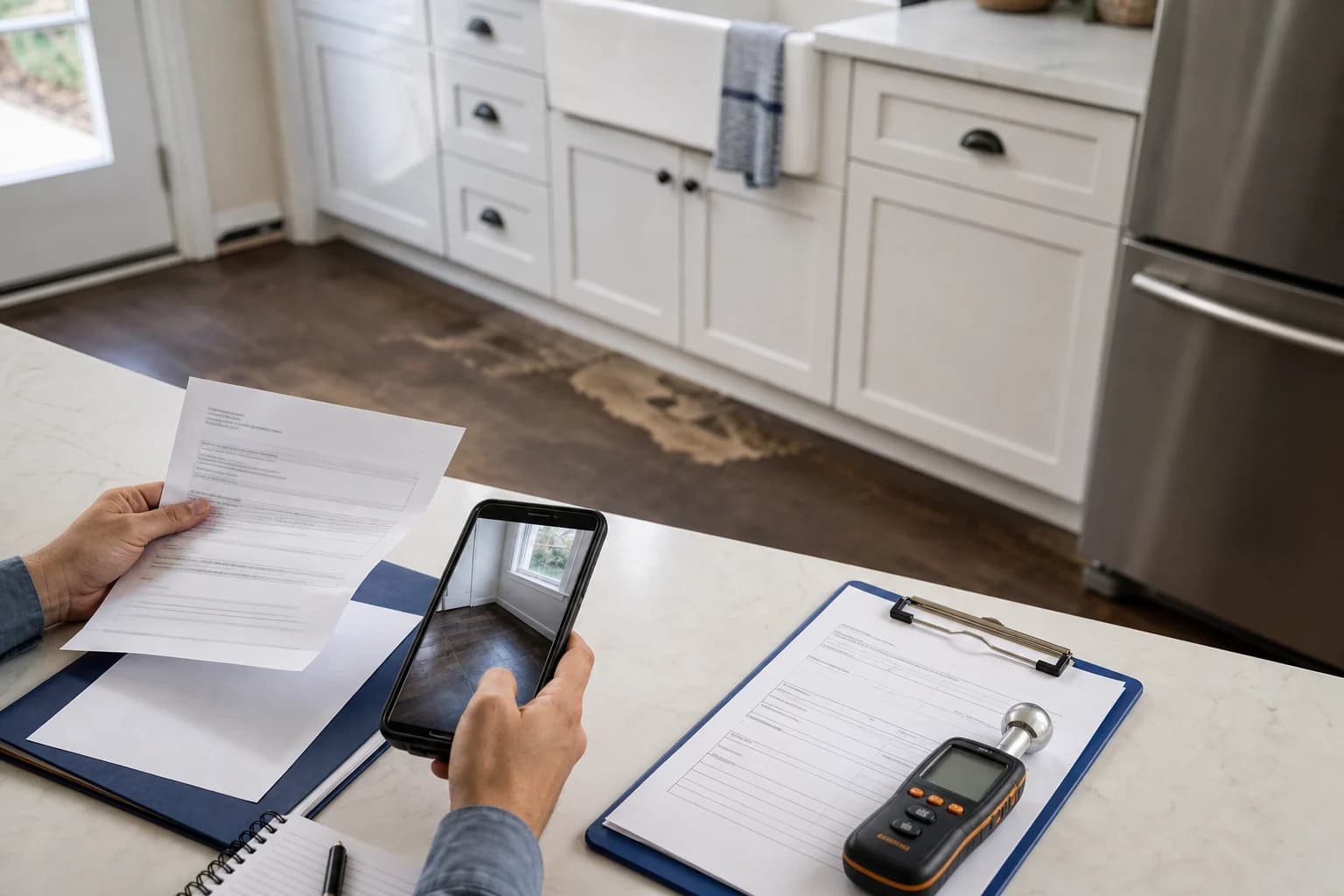
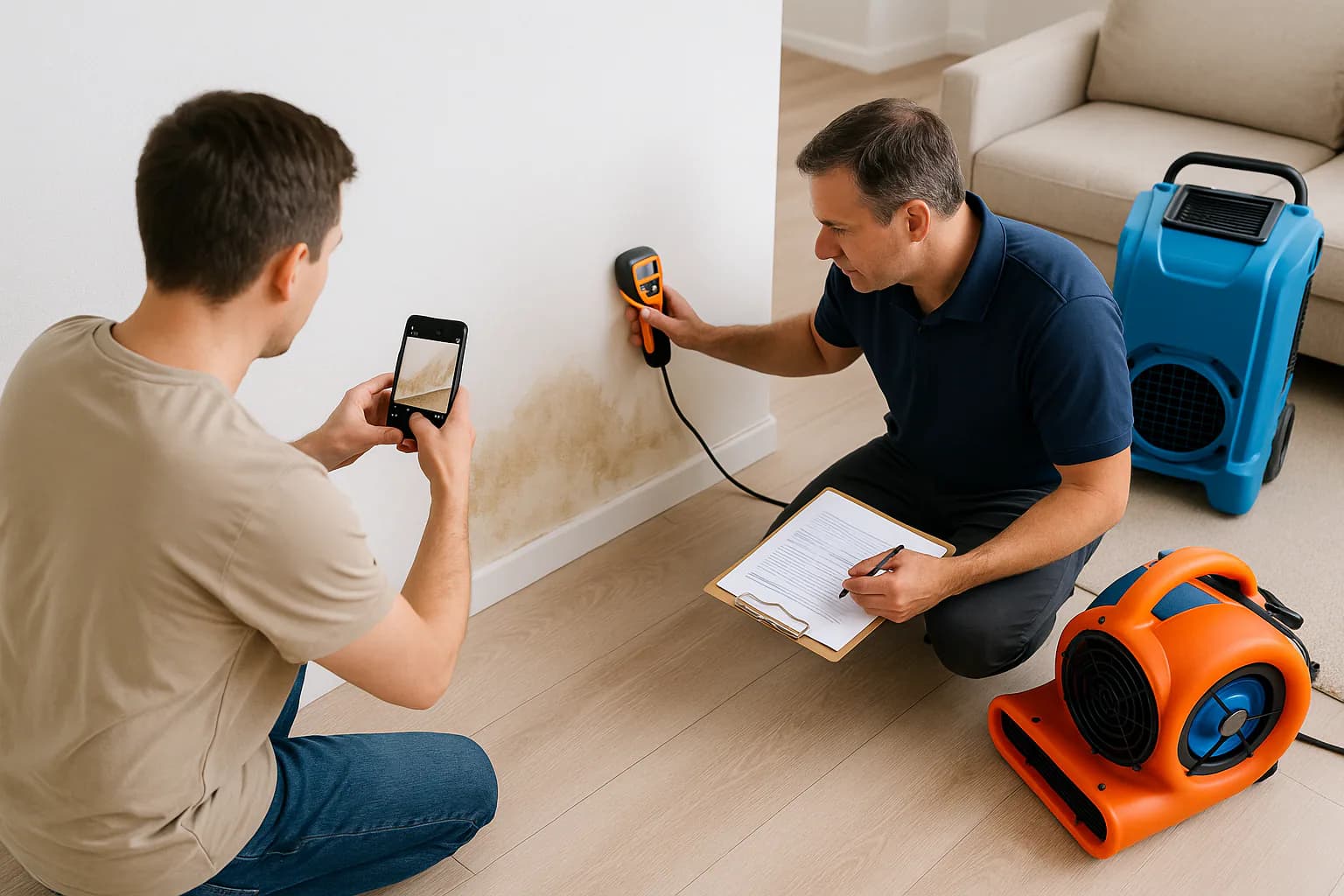
Good documentation helps show the condition of the property and how the damage was discovered. Take photos and videos of affected rooms, visible water, damaged materials, and any source that can be safely observed. Keep receipts, repair estimates, communication with the insurer, and a simple timeline of events. If the insurer asks for more information, organized records make it easier to respond.
Report the claim and keep a clear paper trail
NAIC guidance on homeowners claims emphasizes prompt reporting, documentation, and meeting with the adjuster. Keep copies of emails, letters, claim numbers, and notes from phone calls. If the insurer schedules an inspection, have your records ready and be specific about when the damage was first noticed, what areas were affected, and what steps were taken to limit further damage.
Request a re-review if the facts were missed
If the denial appears to rely on incomplete facts or a misunderstanding of the damage, ask the insurer how to request a re-review or appeal. Send only the documents that address the reason for denial, and refer directly to the policy language and the loss timeline. A clear, factual response is more useful than repeating the original claim without new evidence.
When a restoration pro can still help
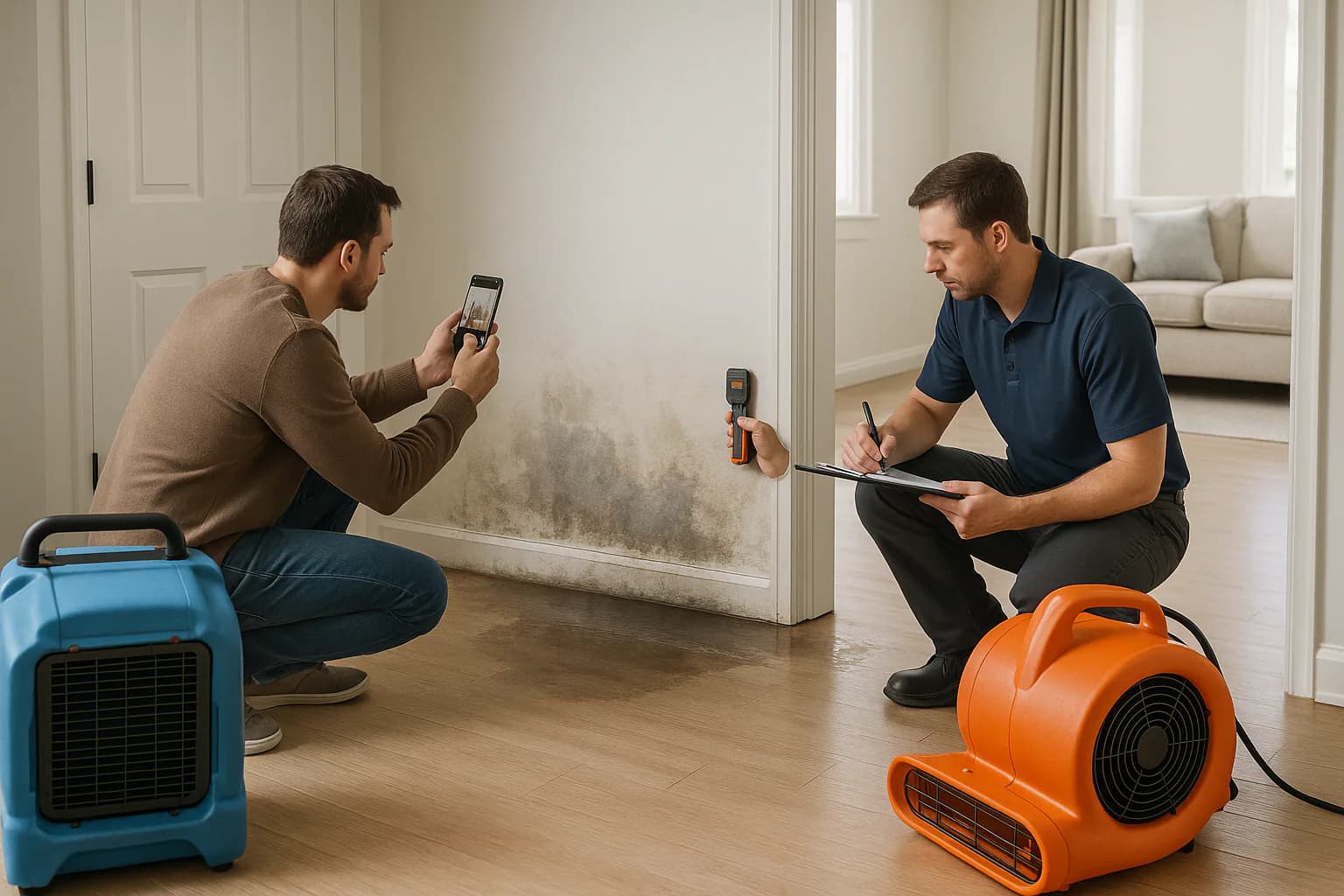
Even after a denial, a local restoration pro can help by documenting visible conditions, moisture patterns, and affected materials. That information may support a re-review or help track the condition of the property while the claim is being reconsidered. Water Restoration Pros connects homeowners with independent restoration professionals; it does not perform the work itself.
Fast drying can reduce the conditions that allow mold to grow. EPA guidance says wet building materials should be dried within about 24 to 48 hours when possible. The pros in your area may use drying equipment and direct moisture checks, but thermal imaging only screens for temperature patterns and does not prove moisture or mold without direct measurement or inspection.
Be careful with contaminated water and unsafe conditions
If the loss involves sewage, contaminated water, or floodwater, avoid direct exposure and follow public-health guidance. Do not enter standing water or handle energized equipment. A local pro can help with safe handling, sanitation, and drying decisions once the area is safe to inspect. The goal is to limit further property damage while keeping the cleanup approach appropriate to the source of the water.
Review coverage questions with the insurer
Coverage and claim outcomes depend on the cause of loss and the policy terms. If the denial letter is unclear, contact the insurer and ask which policy language supports the decision and what additional information would be considered. Review any deductible, exclusions, endorsements, and limits that may apply. The insurer can explain its position, but it is still important to keep your own records and policy copy.
Know when to get outside help
If the claim remains disputed, the homeowner may consider a public adjuster or other qualified claims help where allowed, but that decision depends on the situation and the policy. The key is to stay organized, document the property condition, and respond directly to the denial reasons. A careful record of the damage, the policy review, and the insurer communications gives the appeal the strongest factual basis.
Turn the denial into a question-by-question review
Read the denial letter beside the policy section it cites. List each stated reason, the document or condition connected to it, and the question that remains unanswered. Then compare that list with the original notice of loss, photographs, repair findings, mitigation records, inventory, and estimate. This makes a follow-up focused and factual instead of asking the insurer to reconsider without new information.
Ask the insurer how to submit missing records, corrections, or a written request for review under the policy process. Keep dates, names, claim numbers, and copies of every response. A restoration record can describe moisture and work performed, but it cannot decide coverage. For policy interpretation, dispute deadlines, or legal rights, seek guidance from the insurer, state insurance department, or an appropriately qualified adviser.
Connect with restoration professionals
Get professional help now
Connect with local restoration experts to address water damage and gather crucial documentation for your appeal.
Call (833) 968-0848Frequently asked questions
What should a homeowner do first after a water damage claim denial?
Why are water damage claims often denied?
Can a homeowner appeal a denied water damage claim?
Should a homeowner call a restoration pro after a denial?
What if the damage involves sewage or floodwater?
Sources reviewed (5)
- Insurance Information Institute — Facts + Statistics: Homeowners and renters insurance: Industry statistics for water-damage and freezing claim frequency and homeowners loss categories.
- NAIC - Consumer Homeowners Insurance: NAIC consumer information on homeowners coverage, exclusions, inventories, and policy review.
- NAIC - What You Need to Know When Filing a Homeowners Claim: NAIC guidance on reporting a claim, documenting damage, deductibles, contractors, and adjuster meetings.
- U.S. EPA - A Brief Guide to Mold, Moisture and Your Home: EPA guidance on moisture control, prompt drying, indoor humidity, and mold cleanup decisions.
- U.S. EPA - Mold Course Chapter 2: EPA guidance to dry wet building materials within about 24 to 48 hours when possible.