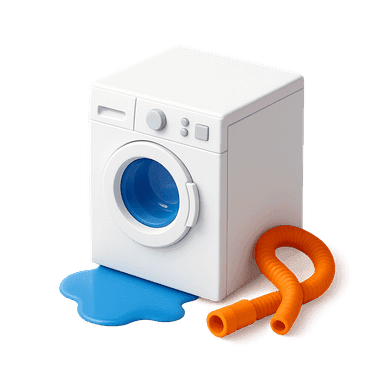
A washing machine overflow can cause unexpected water damage in your home. Knowing washing machine overflow what to do helps limit damage and start the cleanup process quickly. Acting promptly can reduce the extent of water intrusion and the potential for costly repairs.
Water damage from an overflow may involve clean water from the supply hose or contaminated water from a drain backup. Taking prompt and proper action is essential to protect your flooring, walls, and belongings. Different types of water require different handling methods, so understanding the source is important for effective mitigation.
Stop the water and make the area safe
First, shut off the water supply valves to the washing machine to stop more water from entering. These valves are usually located behind the machine and can be turned clockwise to close. If you cannot reach these valves or they fail to stop the flow, turning off the main water supply to your home is the next step. This prevents further flooding and reduces damage.
Avoid using electrical outlets or appliances near the overflow area to reduce the risk of electrical shock. Water and electricity create a hazardous combination, so unplugging the washing machine if it is safe to do so is important. If the power cannot be safely disconnected, consider shutting off the electrical circuit breaker for the laundry area until the water is contained and cleaned up.
Find out where the washing machine leaked
Common causes of washing machine overflow include a failed supply hose, loose connections, a clogged or backed-up drain, or an internal machine malfunction. Inspect the hoses and connections behind the machine for visible leaks, cracks, bulges, or signs of wear. A hose failure can result in clean Category 1 water leaking, which is less hazardous but still damaging.
Check the drain hose for blockages or damage that could cause water to back up into the machine and overflow. A clogged drain often leads to gray Category 2 water, which may contain contaminants. Identifying whether the water is clean, gray, or contaminated helps restoration professionals select the correct drying and sanitation methods to protect your home.
Check beyond the visible puddle
Water can travel beneath flooring and through wall cavities, causing hidden damage that may worsen over time. Check adjacent rooms and the floor below the laundry area for signs of moisture, such as discoloration, warping, swelling, or a musty odor. These signs indicate that water has spread beyond the initial spill and may have soaked structural materials.
It is important to dry wet materials within 24 to 48 hours to reduce conditions that allow mold growth. Mold can begin growing quickly on damp surfaces, especially drywall, insulation, and wood framing. If moldy areas exceed about 10 square feet, professional assessment and remediation are generally recommended to ensure thorough removal and prevent recurrence.
When extraction and structural drying are needed
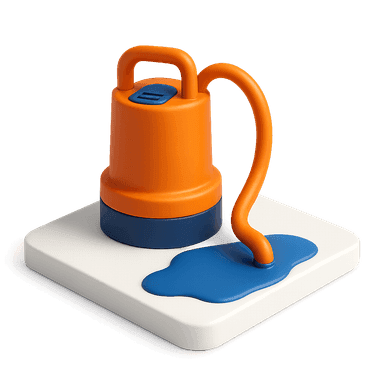
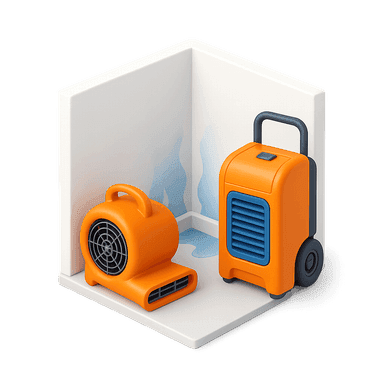
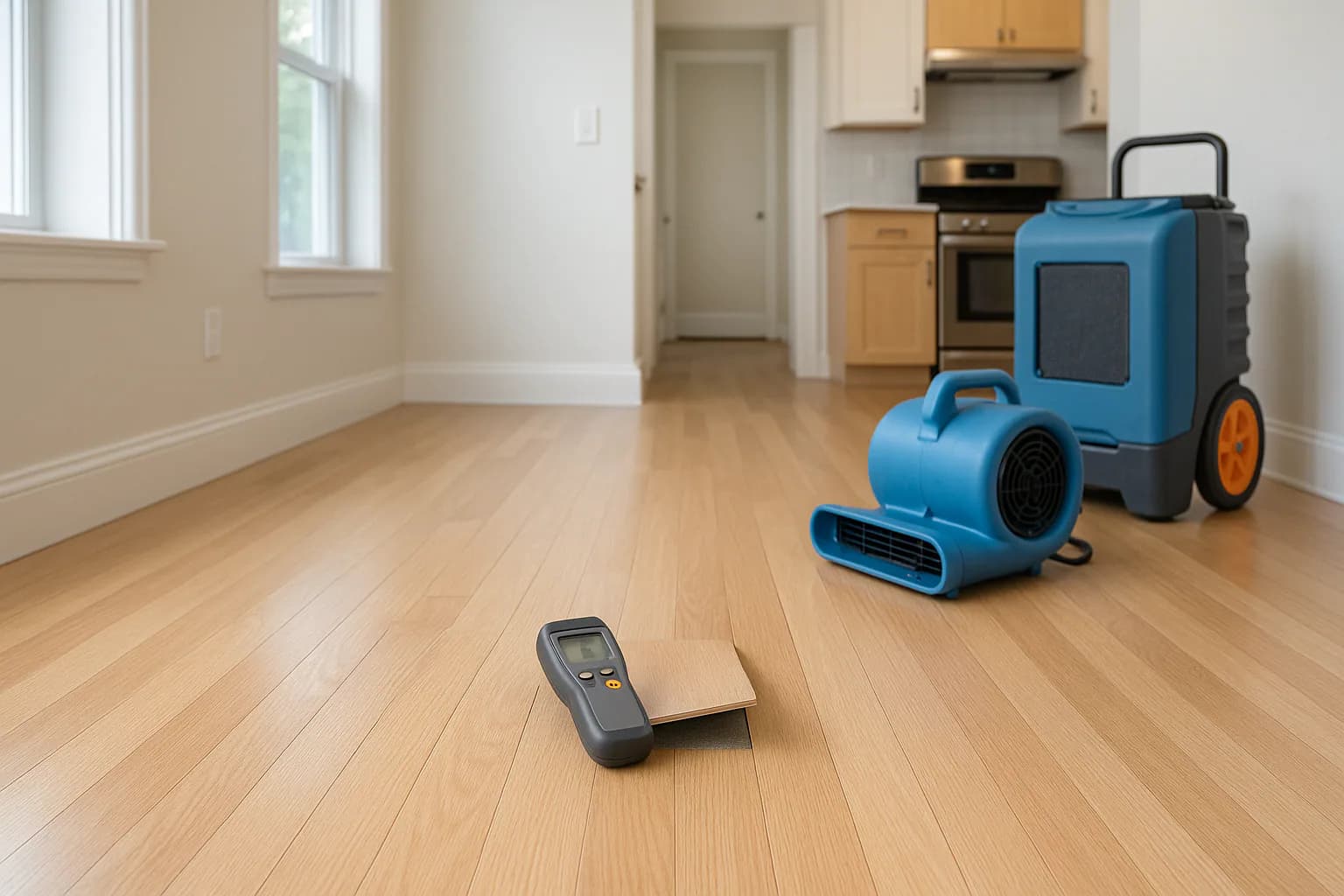
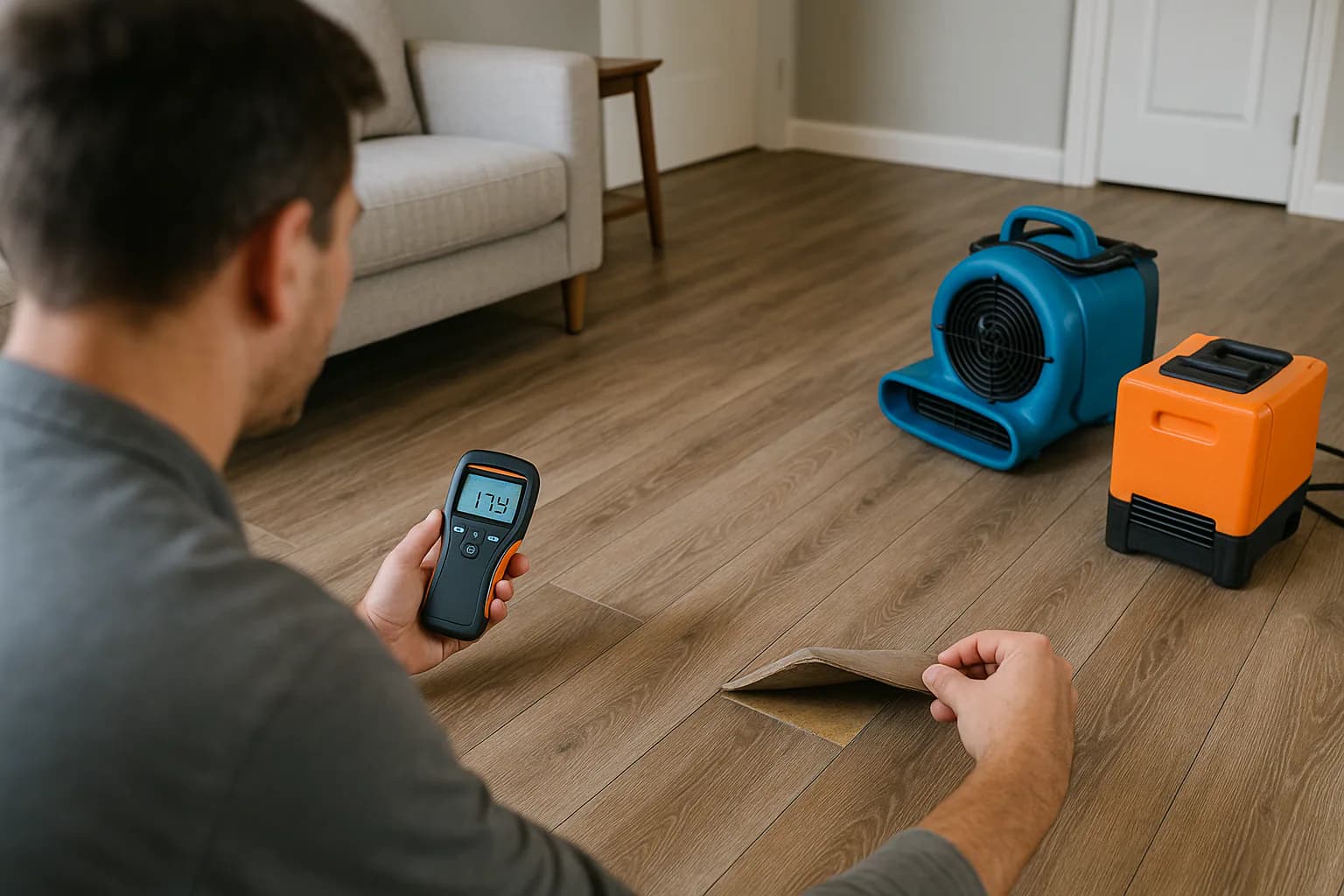
If water has soaked into flooring, walls, or subflooring, professional water extraction and structural drying may be necessary to fully remove moisture. Restoration professionals use specialized equipment like industrial vacuums, air movers, and dehumidifiers to dry affected materials thoroughly and prevent secondary damage such as mold growth or wood rot.
Whether a professional response is needed depends on how far water traveled and how long materials stayed wet. A small spill caught on a hard, nonporous surface is different from water that reached seams, baseboards, wall cavities, or the subfloor. An on-site assessment can identify hidden moisture and establish a drying plan before finishes are reinstalled.
Reduce the chance of another laundry-room leak
Maintaining your washing machine and its connections helps prevent future overflows. Regularly inspect supply hoses for cracks, bulges, or signs of wear and replace them every few years, even if no visible damage exists. Using reinforced or braided hoses can provide added durability. Ensuring hose connections are tight and secured with clamps reduces the risk of leaks.
Keep the drain free of clogs by periodically cleaning it to prevent backups that cause contaminated water overflows. Avoid overloading the washing machine as this can strain hoses and cause water to back up or overflow. Routine maintenance and careful use reduce the likelihood of leaks and the need for costly water damage restoration.
- 1
Shut off water supply valves to the washing machine
Stop more water from leaking by turning off the valves behind the machine or the main water supply if needed. This limits further damage and allows cleanup to begin.
- 2
Unplug the washing machine
Disconnect power to reduce electrical hazards near the wet area. If unplugging is unsafe, shut off the circuit breaker for the laundry area.
- 3
Contain the spread
Use towels, mops, or buckets to contain water and prevent it from spreading to adjacent rooms or floors. Early containment helps minimize damage.
- 4
Inspect hoses and connections
Look for cracks, loose fittings, or clogs causing the overflow. Identifying the source aids in proper restoration and prevents recurrence.
- 5
Check adjacent rooms and floors below
Look for signs of hidden water damage beyond the laundry area such as discoloration, warping, or musty smells. Water can travel far from the spill site.
- 6
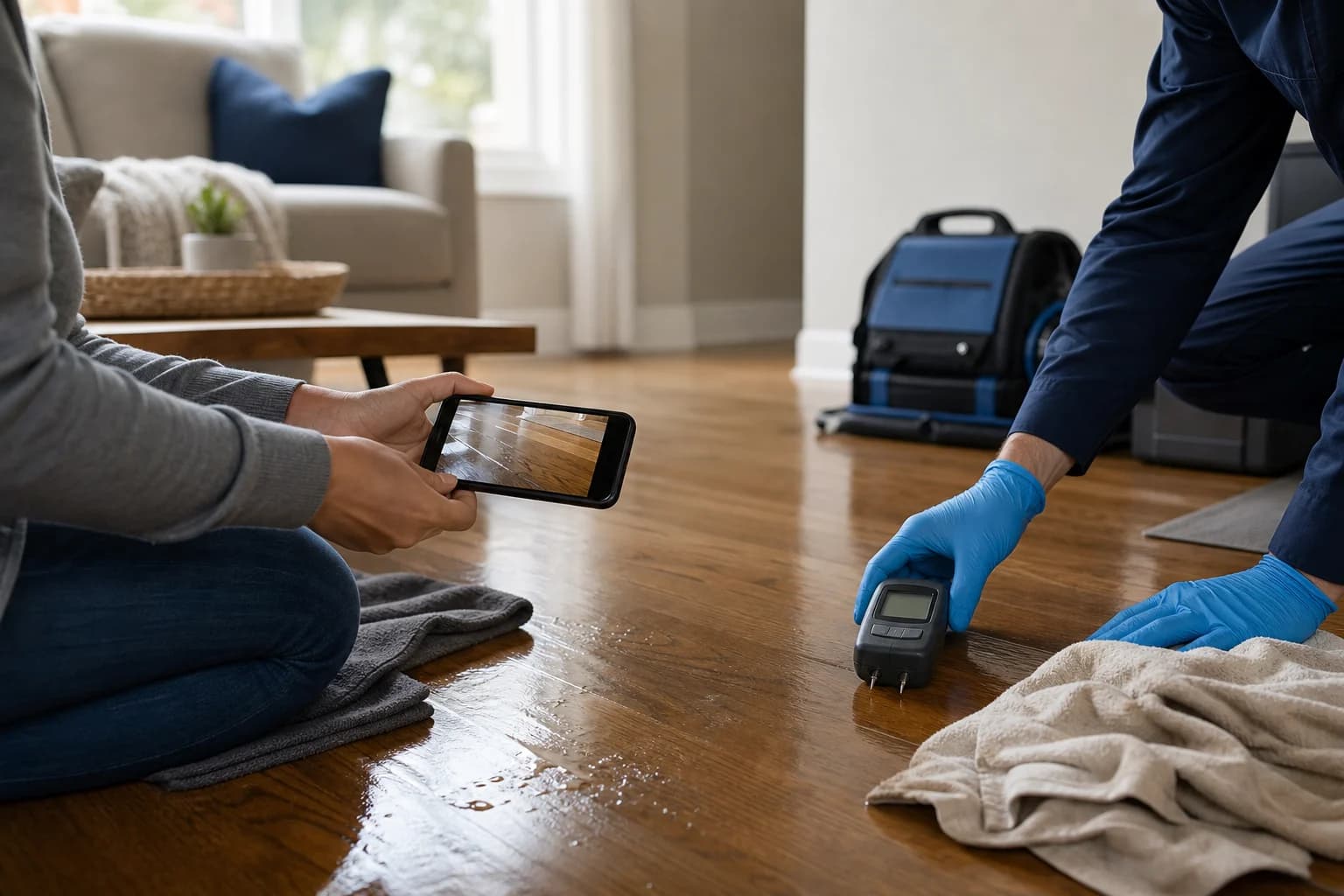
Document the damage
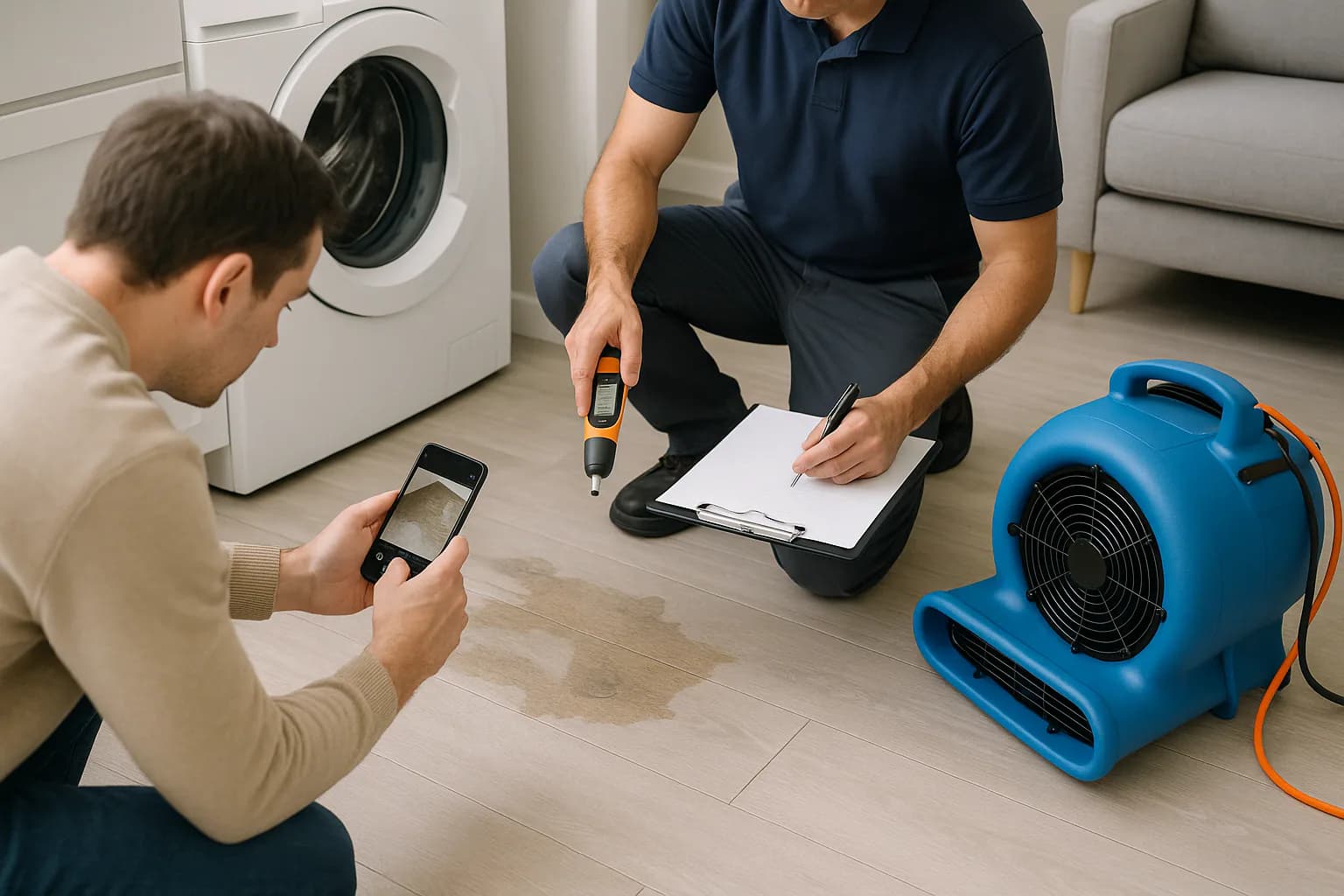
Take photos and notes for insurance purposes. Documenting promptly helps with claims and provides evidence of the extent of damage.
- 7
Contact local restoration professionals
Hire pros for water removal, drying, and repairs as needed. Professionals have specialized equipment and training to restore your home safely and thoroughly.
Tip: Document damage promptly
Take photos and keep notes of affected areas and damaged items to assist with insurance claims. Coverage depends on the cause and the policy.
Connect with restoration professionals for these services
Need help with a washing machine overflow?
Contact Water Restoration Pros to connect with local water damage restoration professionals who can assess, extract water, and dry your home safely.
Call (833) 968-0848Frequently asked questions
How quickly should I dry wet materials after a washing machine overflow?
Does homeowners insurance cover washing machine overflow damage?
When should I call a professional for washing machine water damage?
Sources reviewed (2)
- U.S. EPA — Mold Course Chapter 2 (moisture control): Wet building materials should be dried within 24–48 hours to avoid mold growth.
- U.S. EPA - Flooded Home: EPA guidance on safety, cleanup, moisture control, and drying after a home is flooded.