
A slab leak occurs when pipes beneath the concrete foundation of your home develop leaks. These leaks can cause significant water damage if not addressed promptly. Recognizing slab leak signs early can save homeowners from extensive repair costs. Slab leaks are particularly concerning because they can go unnoticed for long periods, allowing water to accumulate and damage the structural integrity of the home. Early detection and intervention are key to minimizing both damage and repair costs.
Understanding the warning signs of a slab leak is crucial for timely intervention. From spikes in your water bill to unusual warm spots on the floor, these indicators can help you act quickly to prevent further damage. Other signs, such as damp flooring or musty odors, can indicate prolonged exposure to moisture, increasing the risk of mold growth. Homeowners should remain vigilant and take immediate action upon noticing these warning signs to avoid potential health hazards and expensive repairs.
What a slab leak is
A slab leak refers to leaks that occur in the water pipes located beneath a home's concrete foundation. These leaks can stem from various issues, such as corrosion, abrasion, or pressure. Corrosion often results from chemical reactions between metal pipes and the surrounding environment, while abrasion can occur from pipes rubbing against concrete or other materials. Pressure-related leaks may arise from improper installation or shifts in the foundation. Left unchecked, slab leaks can lead to significant structural damage and costly repairs. Addressing these leaks promptly is essential to preserving the integrity of the home and preventing further complications.
Slab leaks pose unique challenges due to their location beneath the foundation. The detection and repair process often requires specialized equipment and expertise. Plumbers equipped with leak-detection tools can accurately locate the source of the leak without causing unnecessary damage to the foundation. Once identified, repairing a slab leak may involve rerouting pipes or using epoxy pipe liners to seal the leak. Each method has its advantages and is chosen based on factors like the severity of the leak and the condition of the pipes. Consulting with professionals is essential to determine the most effective solution for each specific situation.
Warning signs homeowners notice first
- Unexplained spikes in water bills, which could indicate a continuous water leak.
- Warm spots on floors indicating hot-line leaks, often felt when walking barefoot.
- The sound of running water with all fixtures off, suggesting a hidden leak.
- Damp carpet or flooring at slab level, a sign of moisture seeping through.
- Cracks appearing near the foundation, possibly due to water weakening the structure.
- Musty smells indicating possible mold growth, resulting from prolonged dampness.
Homeowners should be aware of these subtle yet telling signs that a slab leak may be present. Unexplained spikes in water bills can be one of the first noticeable indicators, as a leak can cause continuous water flow without obvious signs. Warm spots on the floor are another common symptom, often associated with hot-water line leaks. These spots can be detected by walking barefoot on tiled or hardwood floors. Listening for the sound of running water when all fixtures are turned off can also be a helpful diagnostic tool, as it suggests water movement through a compromised pipe.
Visible signs such as damp carpet or flooring can indicate that water has permeated through the slab, reaching the interior surfaces. This moisture can lead to further damage if not addressed promptly. Cracks near the home's foundation may also develop due to water pressure or shifting caused by the leak. Musty odors are a red flag for potential mold growth, which can occur quickly in damp environments. By identifying these signs early, homeowners can take swift action to mitigate damage and contact professionals for repair and restoration.
Confirm it: the water meter test
- 1
Step 1: Turn Off All Fixtures
Ensure all water fixtures and appliances are turned off. This includes faucets, showers, washing machines, and dishwashers. This step is crucial to ensure that no water is being used inadvertently, which can affect the accuracy of the test.
- 2
Step 2: Check the Water Meter
Locate your water meter and observe the dial. If the dial continues to move, it could indicate a leak in the system. It's important to monitor the meter for a few minutes to confirm that the movement is consistent and not due to residual water usage.
- 3
Step 3: Confirm the Leak
If the meter dial is moving with everything off, it's likely there's a leak that needs professional attention. This confirmation step helps distinguish between a genuine leak and other potential issues. Once confirmed, contact a professional to assess and address the leak.
The water meter test is a straightforward method to confirm the presence of a leak. By turning off all fixtures and checking for movement in the water meter, homeowners can gain a better understanding of whether there is hidden water usage. This test is a crucial first step in diagnosing a potential slab leak, as it helps differentiate between a slab leak and other plumbing issues that might cause similar symptoms.
If the meter indicates a leak, it's essential to act promptly by contacting a professional plumber equipped with specialized leak-detection technology. These professionals can pinpoint the exact location of the leak and recommend appropriate repair methods. Early detection and intervention can prevent further damage and reduce the overall cost of repairs. By using the water meter test, homeowners can take an active role in maintaining their home's plumbing system and safeguarding their investment.
Who fixes what: plumber vs restoration
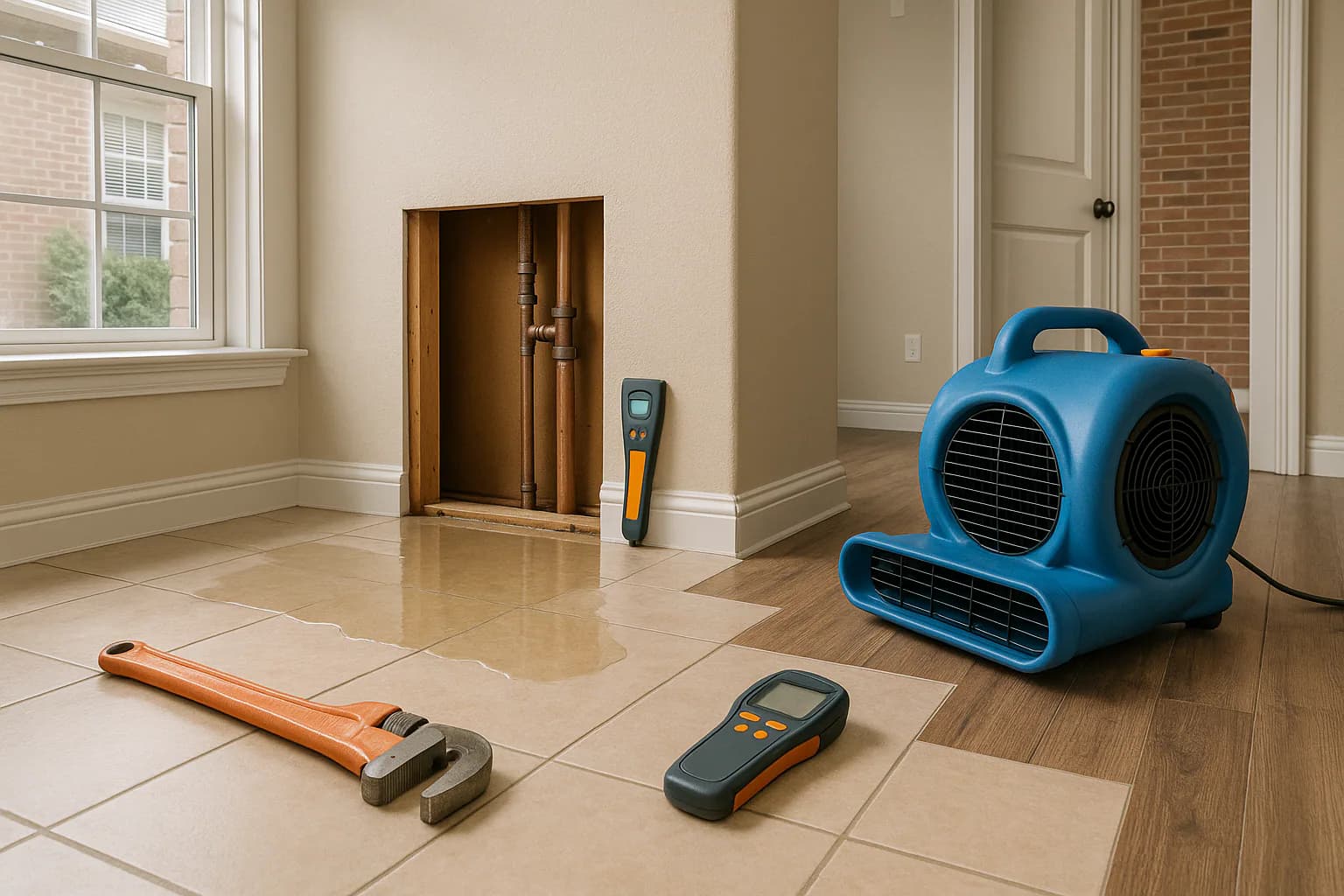
Once a slab leak is confirmed, a plumber with specialized leak-detection equipment should be contacted to locate and repair the pipe. Plumbers use advanced tools such as acoustic listening devices and electronic locators to accurately identify the leak's source without causing excessive damage to the foundation. This precision is crucial in minimizing disruption and avoiding unnecessary repair costs. Depending on the severity and location of the leak, plumbers may employ various repair techniques, such as pipe rerouting, pipe lining, or direct repair.
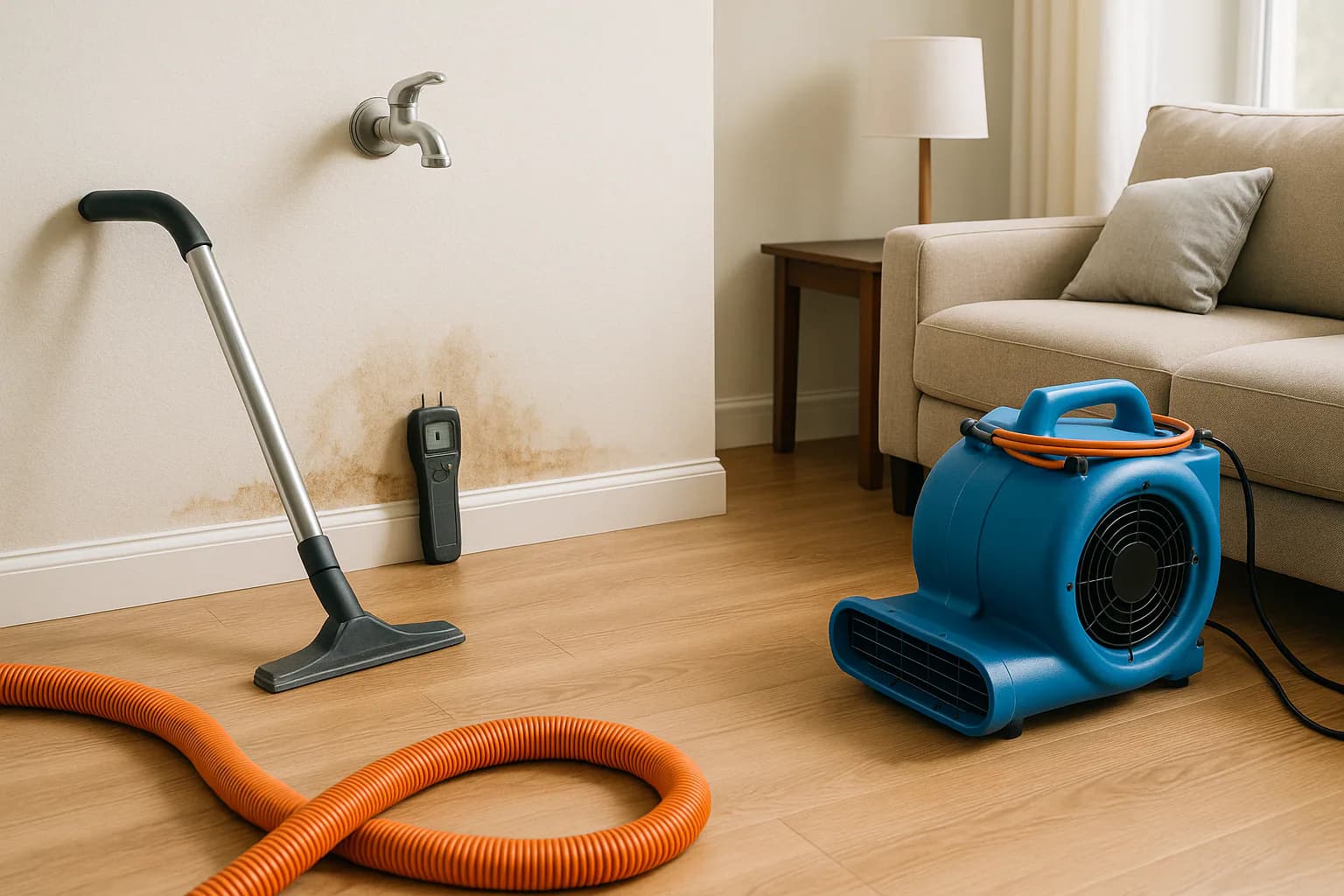
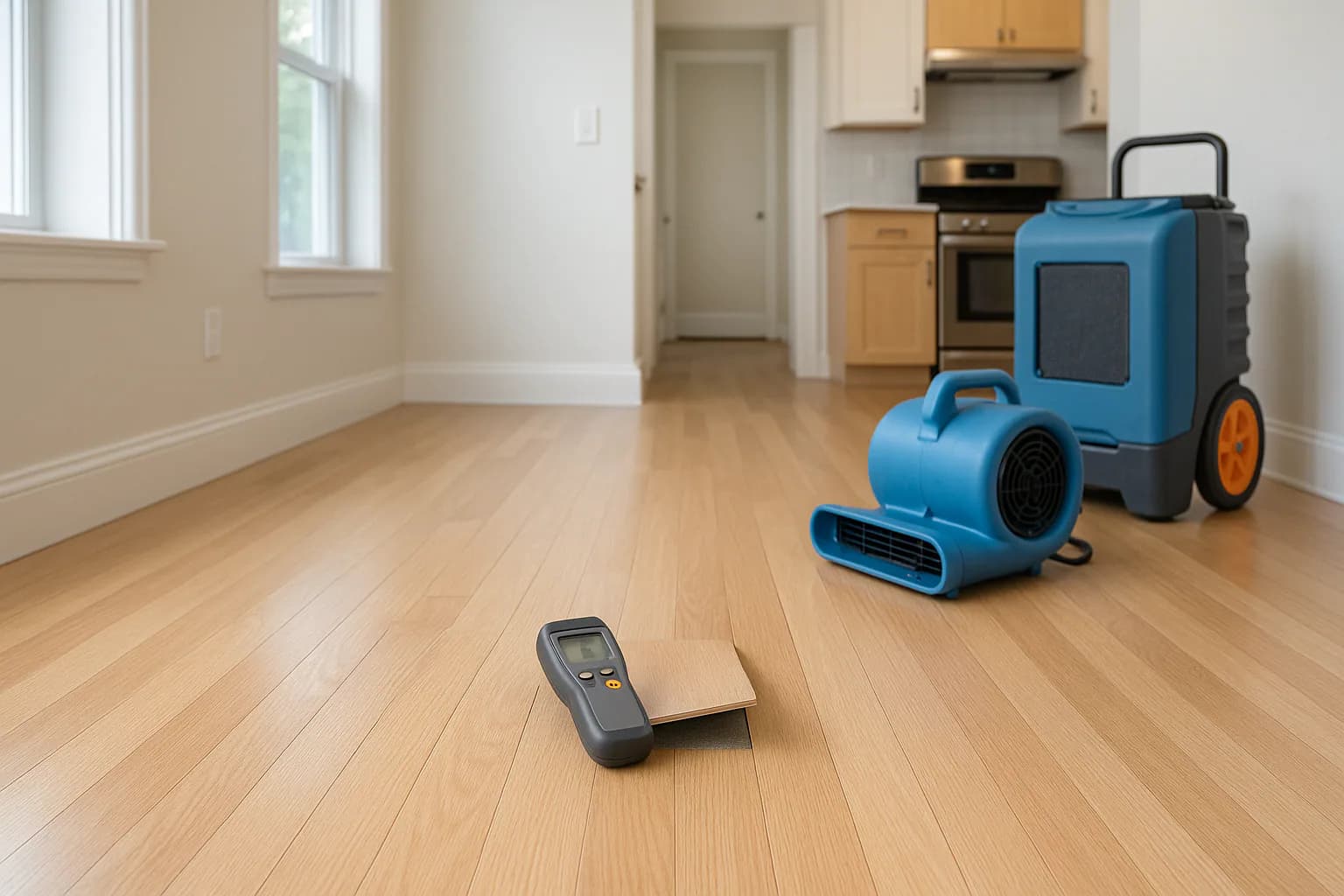
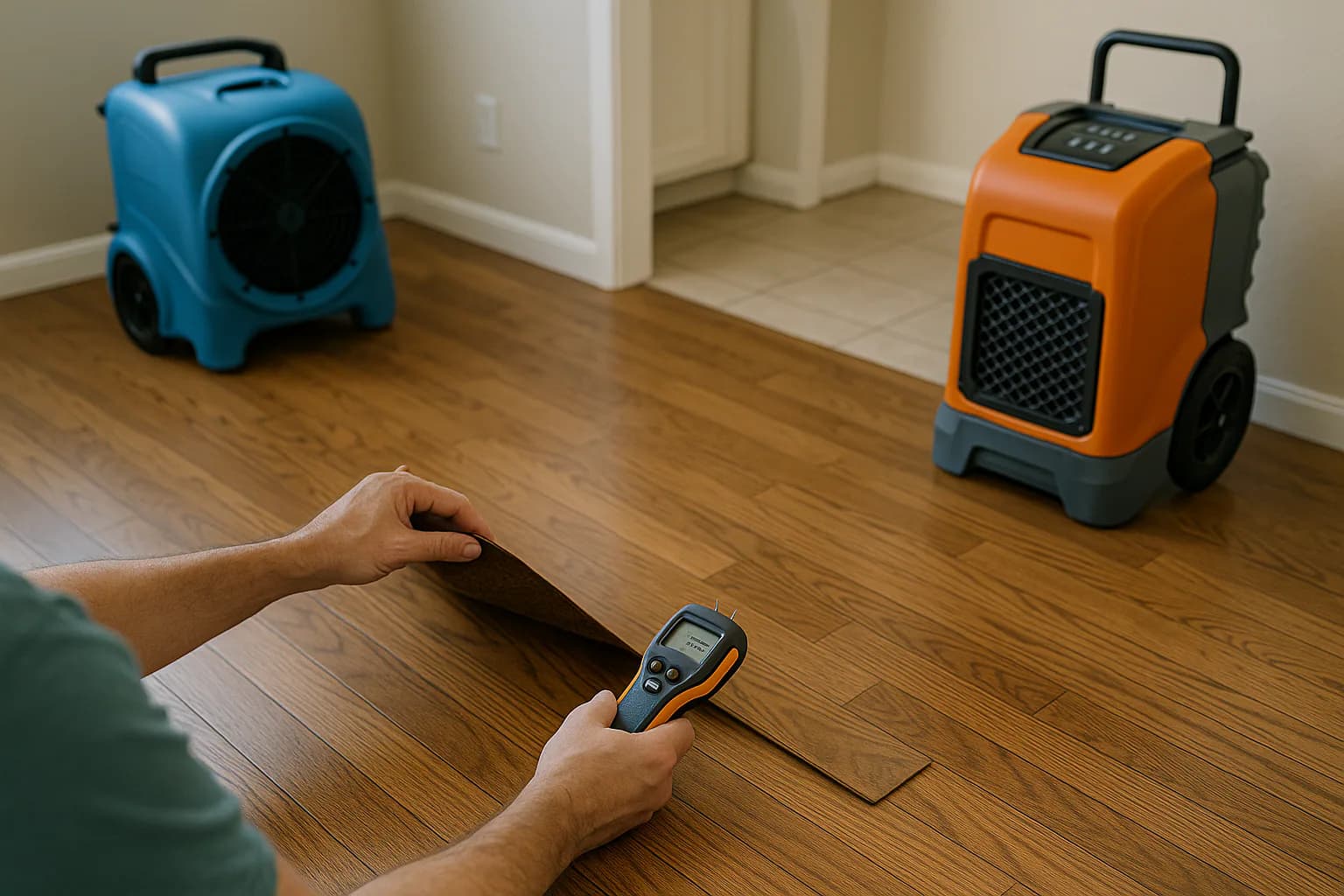
Meanwhile, restoration professionals can address the moisture that has already seeped into flooring and walls, reducing the risk of mold growth and further structural damage. These professionals use industrial-grade dehumidifiers and air movers to ensure that all moisture is thoroughly removed. Proper drying is essential to prevent the conditions that allow mold to grow, as mold can develop within 24–48 hours of water exposure. Restoration efforts also focus on sanitizing affected areas, especially if black water is involved, to ensure a safe living environment.
Insurance and slab leaks
Insurance coverage for slab leaks can vary. Typically, the resulting water damage might be covered, while the cost of accessing and repairing the pipe itself may be treated differently. Insurance policies often distinguish between sudden and accidental damage, which is more likely to be covered, and damage resulting from gradual wear and tear, which may not be covered. Homeowners should carefully review their insurance policy to understand the specifics of their coverage and consult with their insurance provider for clarification.
It's important to note that standard homeowners insurance usually does not cover flood damage from rising water. Such coverage typically requires a separate flood insurance policy through the National Flood Insurance Program (NFIP) or a private insurer. Homeowners should ensure they have adequate coverage for their specific risks, including potential slab leaks and other water-related damages. Being proactive in understanding and verifying insurance coverage can provide peace of mind and financial protection in the event of a water-related incident.
Mold can develop within 24–48 hours of water exposure. Prompt drying by restoration professionals can help reduce the conditions that allow mold growth.
Connect with Local Professionals
Get Help with Slab Leaks
If you suspect a slab leak, contact a local pro for prompt assessment and restoration. Protect your home from further damage today.
Call (833) 968-0848Frequently asked questions
How can I tell if I have a slab leak?
What should I do if I suspect a slab leak?
Are slab leaks covered by homeowners insurance?
Sources reviewed (2)
- Insurance Information Institute — Facts + Statistics: Homeowners and renters insurance: Industry statistics for water-damage and freezing claim frequency and homeowners loss categories.
- U.S. EPA - Flooded Home: EPA guidance on safety, cleanup, moisture control, and drying after a home is flooded.