When water damage strikes, it is common to wonder whether to call a plumber or a water restoration company. Each professional plays a different role, and in many cases, both are needed for a complete recovery. A plumber focuses on fixing the cause of the water problem, while a water restoration company addresses the damage the water has caused to your property.
In simple terms, think of the plumber as the one who stops more water from entering your home, and the restoration company as the group that dries, cleans, and helps repair what was affected. Knowing who does what helps you take the right steps after a leak or flood, saving time and potentially reducing further damage.
What Does a Plumber Handle?
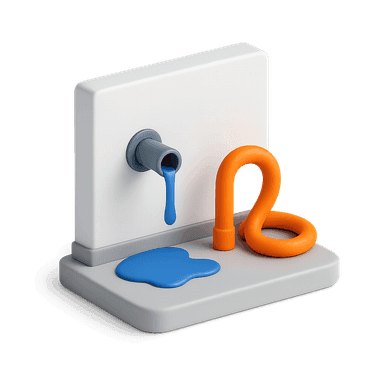
A plumber’s main responsibility is to work on your home’s water supply and drainage systems. They repair or replace the pipes, fixtures, or valves that have failed or are leaking. This might include fixing a burst pipe behind a wall, replacing a faulty supply line to a washing machine, or tightening connections that have loosened over time. Their work stops the active flow of water and restores the safe function of your plumbing system.
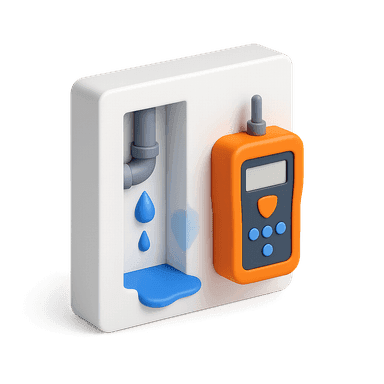
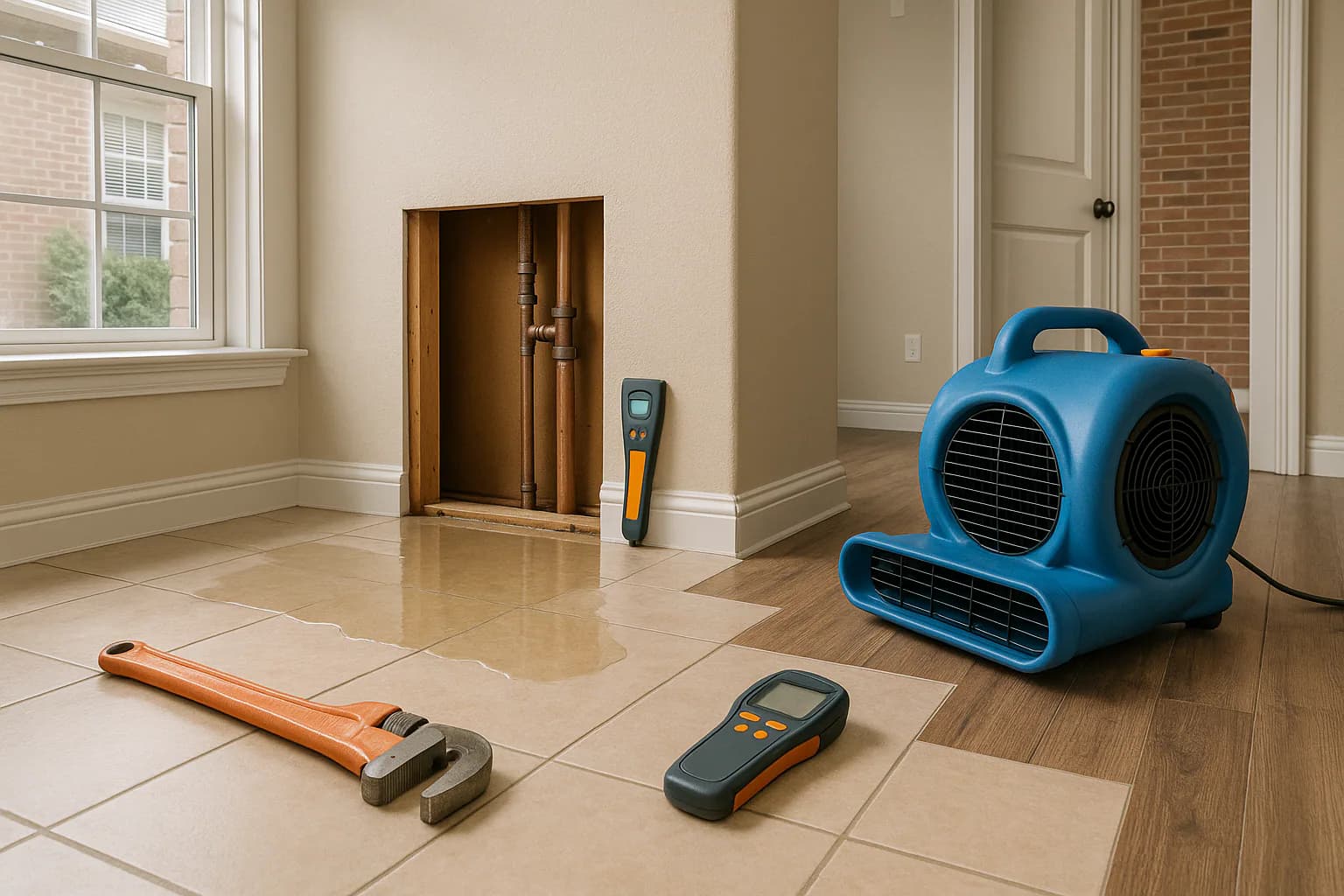
Plumbers use a range of tools to find leaks, including pressure tests and sometimes small inspection cameras. However, their job typically stops at the plumbing infrastructure. Once the leak is fixed, any water that escaped and the damage it caused are outside the plumber’s usual scope. If water has soaked into floors, walls, or other parts of your home, additional help is needed to address the aftermath.
What Does a Water Restoration Company Handle?
A water restoration company deals with the effects of water after the source is controlled. Restoration professionals focus on the structure and contents of your property—everything the water has touched. Their work often begins with an assessment of the affected areas, identifying where moisture has spread and what materials have been impacted. This includes visible damage as well as areas that may not be immediately obvious.
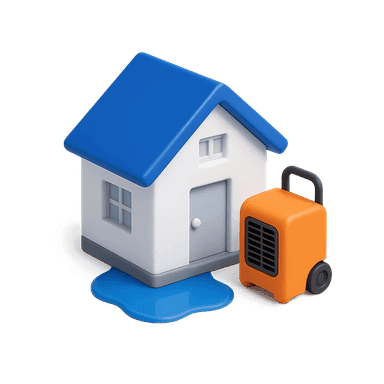
Key tasks include removing standing water, extracting moisture from carpets and walls, and drying out building materials. Restoration pros may use dehumidifiers and, when appropriate, air movement equipment to promote drying. Thermal imaging cameras can be used to screen for temperature differences that may indicate hidden moisture, but these findings are only a starting point. Suspicious areas should always be checked with appropriate moisture meters or direct inspection to confirm if further drying is needed. Restoration professionals may remove materials that appear too damaged or contaminated to salvage and clean and treat accessible areas that came in contact with water.
- Extracting standing water and moisture from affected materials, when safe and appropriate
- Drying and monitoring the structure until suitable dryness is reached
- Removing materials that cannot be adequately cleaned or dried
- Cleaning and treating areas that came in contact with water
- Documenting the restoration process for insurance or records
Two Distinct Roles
A plumber addresses the cause of the water problem, while a restoration company focuses on the damage the water leaves behind. Both are important for a complete recovery after water damage.
How to Decide Who to Call First
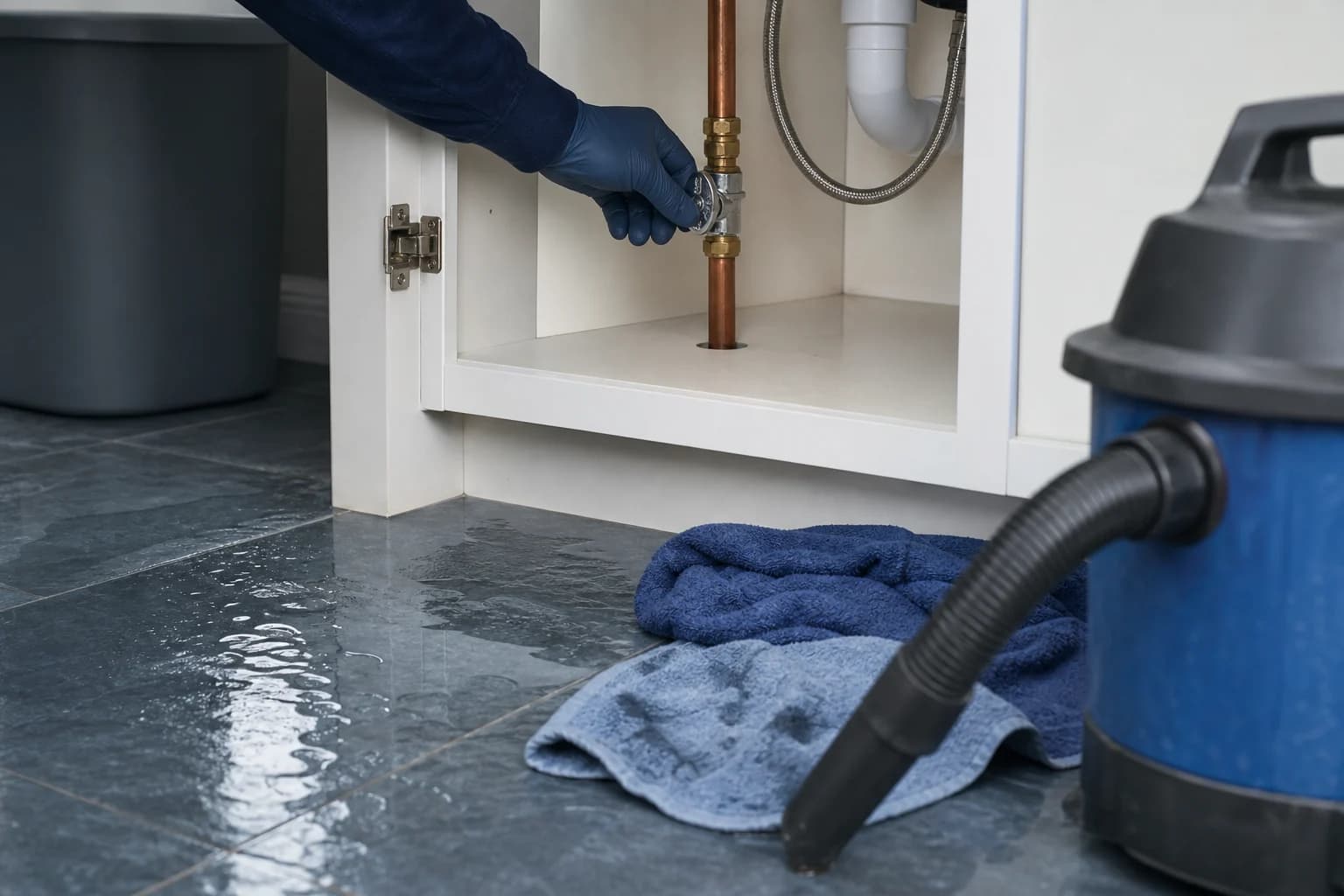
If water is still escaping into your home, stopping it at the source is the top priority. This often means shutting off the main water valve and calling a plumber to repair the leak or failed fixture. Only after the flow has been stopped should you turn your attention to cleanup and restoration. If the water has already stopped but damage remains, such as soaked carpets or warped flooring, a restoration professional can assess and begin the drying process.
In situations involving contaminated water—such as flooding from outside, a backed-up sewer, or a major appliance failure—professional restoration help is especially important. Contaminated water, sometimes called black water, requires safe handling and specialized cleaning to address residues and lingering odors. If there is visible mold growth or materials are wet for more than a day or two, fast drying by a restoration specialist reduces conditions that allow mold to grow.
What to Look for After Water Damage
After you have stopped the immediate water source, inspect your home for signs of hidden moisture. Look for stains on ceilings, walls, and floors, as these can indicate where water has spread. Musty odors can also be a clue that water has been trapped behind surfaces. Floors that feel soft, walls that appear bubbled, or paint that is peeling are further signs that moisture may still be present.
Thermal imaging cameras can help restoration professionals screen for temperature patterns that might suggest moisture behind walls or under floors. However, these tools are only a first step—suspicious areas should always be checked with appropriate moisture meters for confirmation. If you are unsure about the extent of the damage, or if the water has reached areas that are hard to inspect, an on-site assessment from a restoration company can help determine the best course of action.
Common Mistakes to Avoid
One of the most common mistakes after water damage is not fully understanding the role of each professional. Relying on a plumber alone may leave wet materials behind, leading to ongoing damage. Likewise, calling a restoration company before the source is fixed can result in repeated issues. Both steps are needed in the right order for an effective recovery.
Another mistake is waiting too long to begin drying and cleanup. The longer building materials and furnishings stay wet, the more likely it is for odors, stains, and moisture-friendly conditions to develop. DIY drying can work for minor spills, but widespread, hidden, or contaminated water is best handled by a restoration professional. Always keep records of the repairs and restoration, as they may be needed for insurance or future reference.
Steps to Take After Water Damage
Taking the right actions quickly can help reduce the impact of water damage on your property. Here are some practical steps to follow:
- Stop the source of water if it is safe to do so, often by shutting off the main valve.
- Call a plumber to repair the broken pipe, fixture, or appliance.
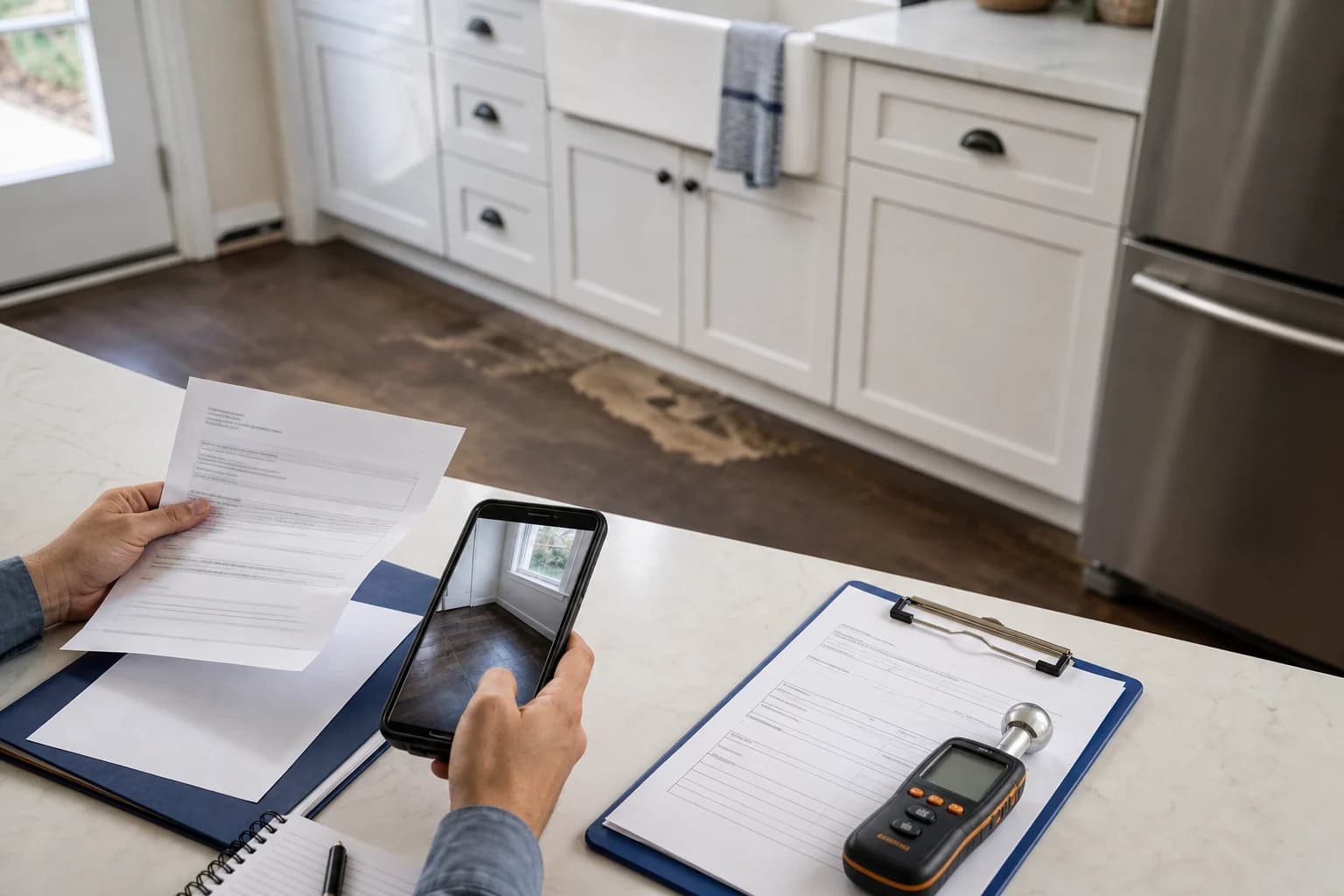
- Document the damage with photos and notes for your records.
- Contact a water restoration company if building materials, flooring, or walls are wet.
- Allow professionals to assess hidden damage and start drying and cleaning as needed.
- Keep receipts and documentation from both the plumber and restoration company.
Leak Already Causing Damage?
Once the source is handled, the cleanup clock is ticking. Call Water Restoration Pros to get connected with restoration professionals that service your area and can dry your home and help repair the damage.
Call (833) 968-0848Frequently asked questions
How do I know if I need both a plumber and a restoration company?
What should I do if I find stains or musty odors after a leak?
Is professional drying always required after a leak?
Sources reviewed (2)
- U.S. EPA - Mold Course Chapter 2: EPA guidance on drying buildings, furnishings, carpet, wall cavities, and other wet materials.
- U.S. EPA - Flooded Home: EPA guidance on safety, cleanup, moisture control, and drying after a home is flooded.