What you may notice
Your ceiling has a water stain or discoloration
Drywall overhead is sagging, bubbling, or dripping
An upstairs leak or roof leak is reaching the ceiling below
Water is collecting overhead and you are worried it could fall
Water Damage Service
A stained or sagging ceiling is a sign water is coming from above and collecting overhead. Water Restoration Pros helps property owners connect with ceiling water damage repair help.
Service overview
Ceiling water damage help that finds the source above, dries the area, and addresses stained or sagging drywall.
Recognize the problem
Start with what you can safely observe. The source, the type of water, and the materials affected determine the response after an on-site assessment.
Your ceiling has a water stain or discoloration
Drywall overhead is sagging, bubbling, or dripping
An upstairs leak or roof leak is reaching the ceiling below
Water is collecting overhead and you are worried it could fall
Roof leaks and storm intrusion above the ceiling
Plumbing leaks from bathrooms or pipes on the floor above
Overflowing fixtures upstairs
Condensation and HVAC issues in the space above
Why timing changes the outcome
Water spreads across the ceiling and into surrounding walls. Trapped moisture above the ceiling can lead to mold.
Finding the source matters as much as repairing the ceiling.
In-depth guidance
The stain you see on the ceiling is where water collected, but the actual leak is usually somewhere above and often to the side. Fixing the drywall without finding and addressing the source just sets up the same damage to happen again.
Good ceiling repair traces the water to its origin, dries the cavity, and only then restores the finished surface.
A ceiling stain can help trace where water traveled, but its shape does not reliably identify the source. Water may move along framing, pipes, or the back of drywall before it becomes visible, so the leak can be some distance from the stain.
Color cannot establish the water category or contamination level. Light and dark staining can reflect the ceiling material, what the water contacted, and how long the area stayed wet. Treat the source and path of the water as the deciding factors, not appearance alone.
Location can still guide the inspection. A stain near an exterior wall may lead the assessment toward the roof or flashing, while one below a bathroom, plumbing line, or HVAC equipment points to other possible sources that must be confirmed.
A sagging ceiling poses a serious safety risk and should not be ignored. It indicates water accumulation, which can increase the weight on the ceiling structure, potentially leading to a collapse.
If a ceiling is noticeably sagging or water-filled, the room should be cleared immediately to prevent injury. Items should be removed to avoid damage, and professionals should be contacted to assess and mitigate the risk.
Signs such as cracking, bulging, or dripping water are warnings that the ceiling may be close to failure. In such cases, it's crucial to ensure that no one is in the room until the issue is addressed.
Addressing the root cause of the water damage is essential before repairing the ceiling. Fixing leaks or other water sources prevents further damage and ensures that repairs are not just temporary solutions.
If the source of the water is not resolved, new water damage can occur, leading to additional costs and potential mold growth. Professionals prioritize source identification and repair to ensure long-term results.
Whether the issue is a plumbing leak, roof damage, or another cause, resolving it first is crucial. This strategy helps protect the structural integrity of the home and avoids repeated interventions.
Cost and scope
Ceiling water damage costs vary based on the source and extent of the damage. Proper assessment is crucial to avoid wasted expenses.
A written estimate should connect each charge to the source, affected materials, access, contamination conditions, drying work, and repairs found during the assessment.
National planning range
Standard residential planning range
$1,175-$2,575 per project
Resolved from the approved Water Restoration Pros pricing methodology and standardized scope.
Cost ranges are estimates developed from standardized project scopes and reviewed pricing inputs. Government labor and regional cost data are used where applicable. See our Pricing Methodology for the exact sources, calculations, and review date. Actual prices vary by property, scope, materials or equipment, location, and provider.
The cost can vary greatly depending on whether the leak is from a roof, pipe, or appliance. Identifying and fixing the source is crucial.
Minor stains are less costly than structural damage. The extent of water travel before detection affects repair costs.
Costs increase with contamination level. Clean water is cheaper to address than gray or black water from sewage or floods.
Quick drying can prevent mold, reducing costs. Delays may lead to mold growth, requiring more extensive repairs.
Professional response
The exact scope changes with the water source and affected materials, but a measured restoration response generally moves through three phases.
Assess and stabilize
Trace the water back to the roof, plumbing, or fixture causing the ceiling leak.
Keep people out from beneath a sagging or water-filled ceiling and have a qualified professional assess and control the hazard.
Remove and dry
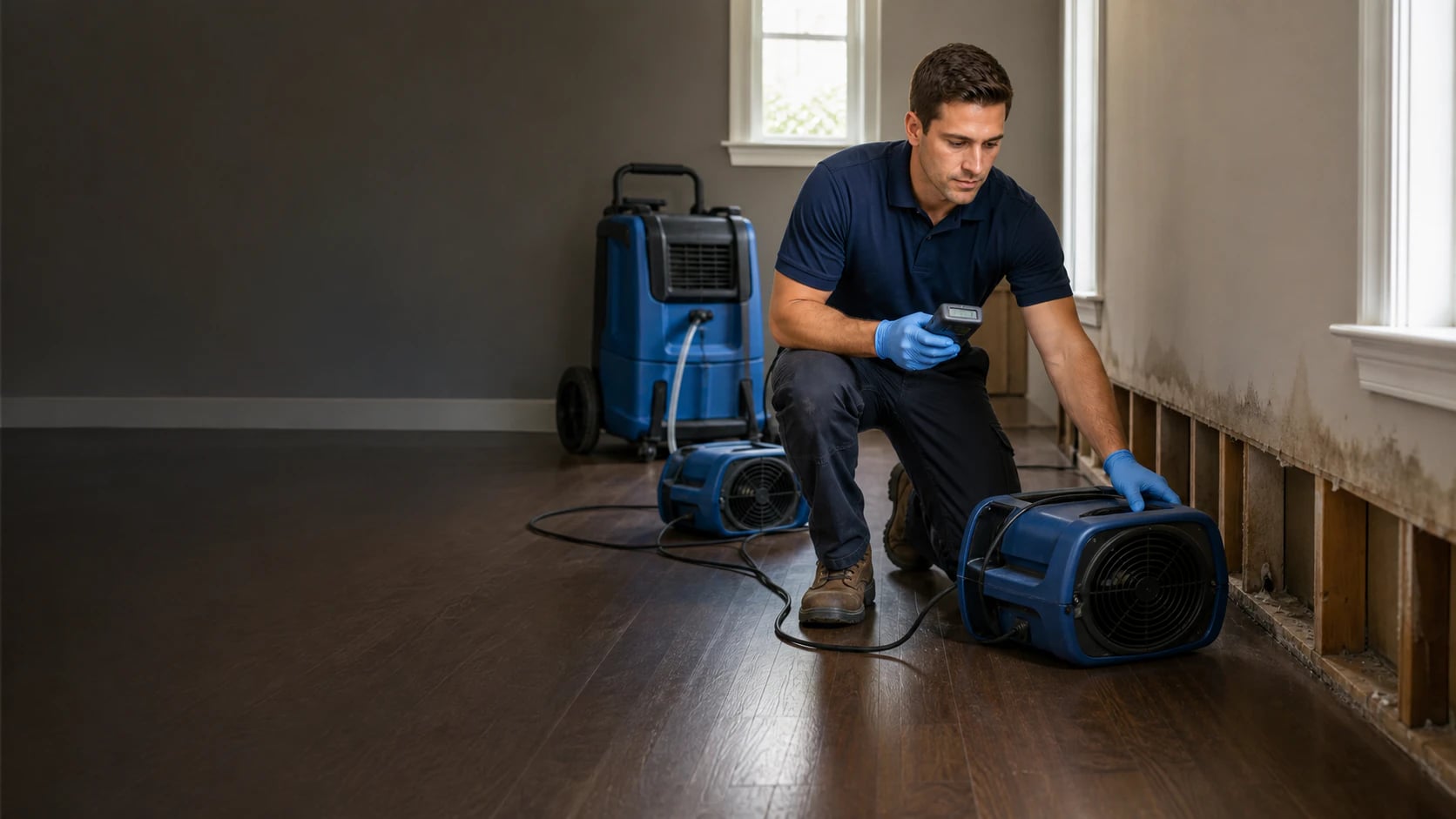
Dry the ceiling, the space above it, and any walls the water reached.
Remove ceiling drywall that is saturated, stained, or structurally compromised.
Verify and recover
Plan the patch, finish, and paint once the area is confirmed dry.
Trace the water back to the roof, plumbing, or fixture causing the ceiling leak.
Keep people out from beneath a sagging or water-filled ceiling and have a qualified professional assess and control the hazard.
Dry the ceiling, the space above it, and any walls the water reached.
Remove ceiling drywall that is saturated, stained, or structurally compromised.
The answer should be specific to the property and reflected in the written scope.
The answer should be specific to the property and reflected in the written scope.
The answer should be specific to the property and reflected in the written scope.
Before help arrives
Only take steps you can complete safely. Leave the area and wait for qualified help if there is an electrical, structural, or contamination risk.
Keep people away from a sagging or bulging ceiling.
Place a bucket under active drips if it is safe to do so.
Turn off power to the area if water is near light fixtures.
Try to identify what is above the leak, then document it.
Call to connect with ceiling water damage help.
These are general precautions for ceiling water damage repair; conditions at the property determine what is safe and appropriate.
Choose a state on the map or open its city directory to find ceiling water damage repair pages for your area.
Ceiling Water Damage in Arkansas
View state pageCeiling Water Damage in California
View state pageCeiling Water Damage in Connecticut
View state pageCeiling Water Damage in Delaware
View state pageCeiling Water Damage in Florida
View state pageCeiling Water Damage in Georgia
View state pageCeiling Water Damage in Idaho
View state pageCeiling Water Damage in Illinois
View state pageCeiling Water Damage in Kansas
View state pageCeiling Water Damage in Louisiana
View state pageCeiling Water Damage in Maine
View state pageCeiling Water Damage in Massachusetts
View state pageCeiling Water Damage in Michigan
View state pageCeiling Water Damage in Mississippi
View state pageCeiling Water Damage in Montana
View state pageCeiling Water Damage in Nebraska
View state pageCeiling Water Damage in Nevada
View state pageCeiling Water Damage in New Hampshire
View state pageCeiling Water Damage in New Mexico
View state pageCeiling Water Damage in New York
View state pageCeiling Water Damage in North Carolina
View state pageCeiling Water Damage in North Dakota
View state pageCeiling Water Damage in Oklahoma
View state pageCeiling Water Damage in Pennsylvania
View state pageCeiling Water Damage in Rhode Island
View state pageCeiling Water Damage in South Dakota
View state pageCeiling Water Damage in Utah
View state pageCeiling Water Damage in Vermont
View state pageCeiling Water Damage in West Virginia
View state pageCeiling Water Damage in Wyoming
View state pageThese sources support restoration, safety, moisture, cleanup, and scope guidance. They do not serve as numeric pricing provenance.
Explore the service path
Other ways we help after water damage.
 Water Damage RestorationWhole-home help after leaks, flooding, wet materials, and standing water.View water damage restoration
 Storm Water Damage RestorationRestoration help after roof leaks, wind-driven rain, and storm flooding.View storm water damage
 Burst Pipe Water CleanupCleanup and drying after burst pipes and plumbing leaks soak the property.View burst pipe cleanup
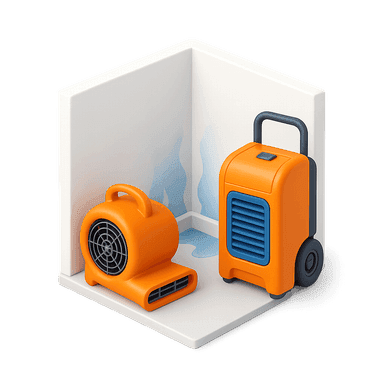 Structural DryingControlled drying of framing, drywall, subfloor, and building materials.View structural drying
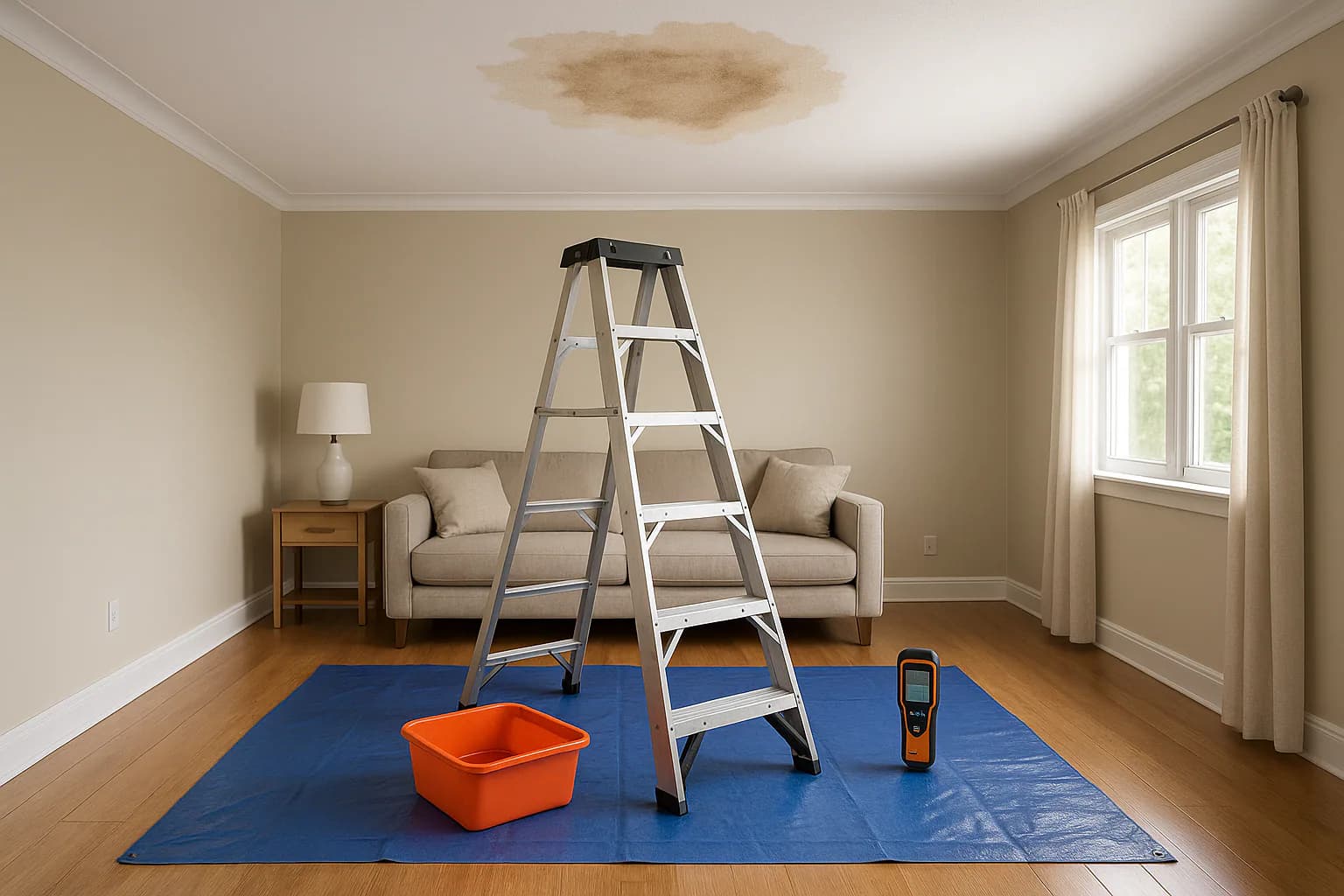 Water Damage Basics
Ceiling water damage often starts with leaks or condensation above. This guide explains common causes and practical signs to watch for, so homeowners can respond quickly.
Read guide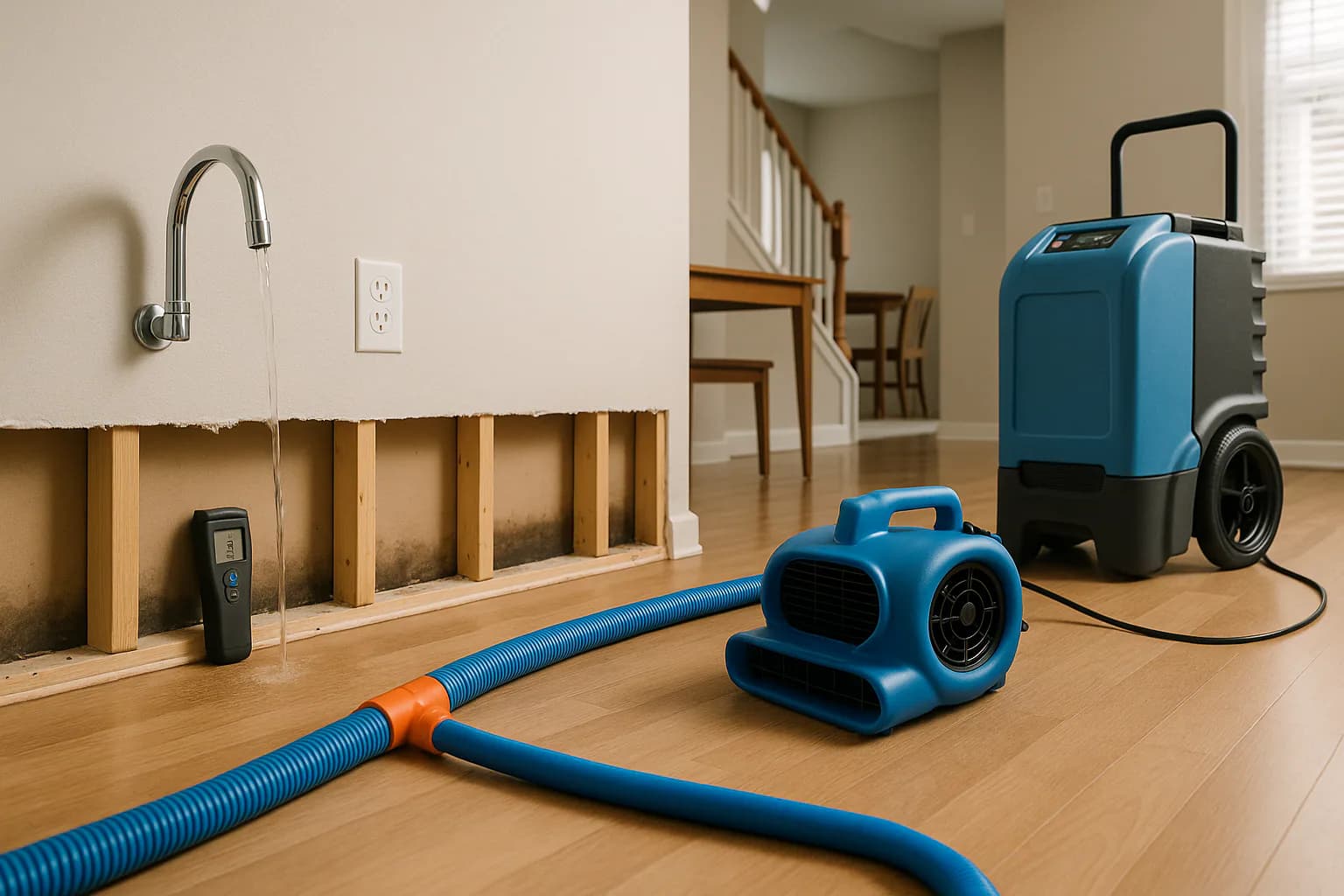 Drying & Restoration
Some wet drywall can be dried in place, while other situations call for removal. Here's how the decision is typically made and what signs to watch for.
Read guide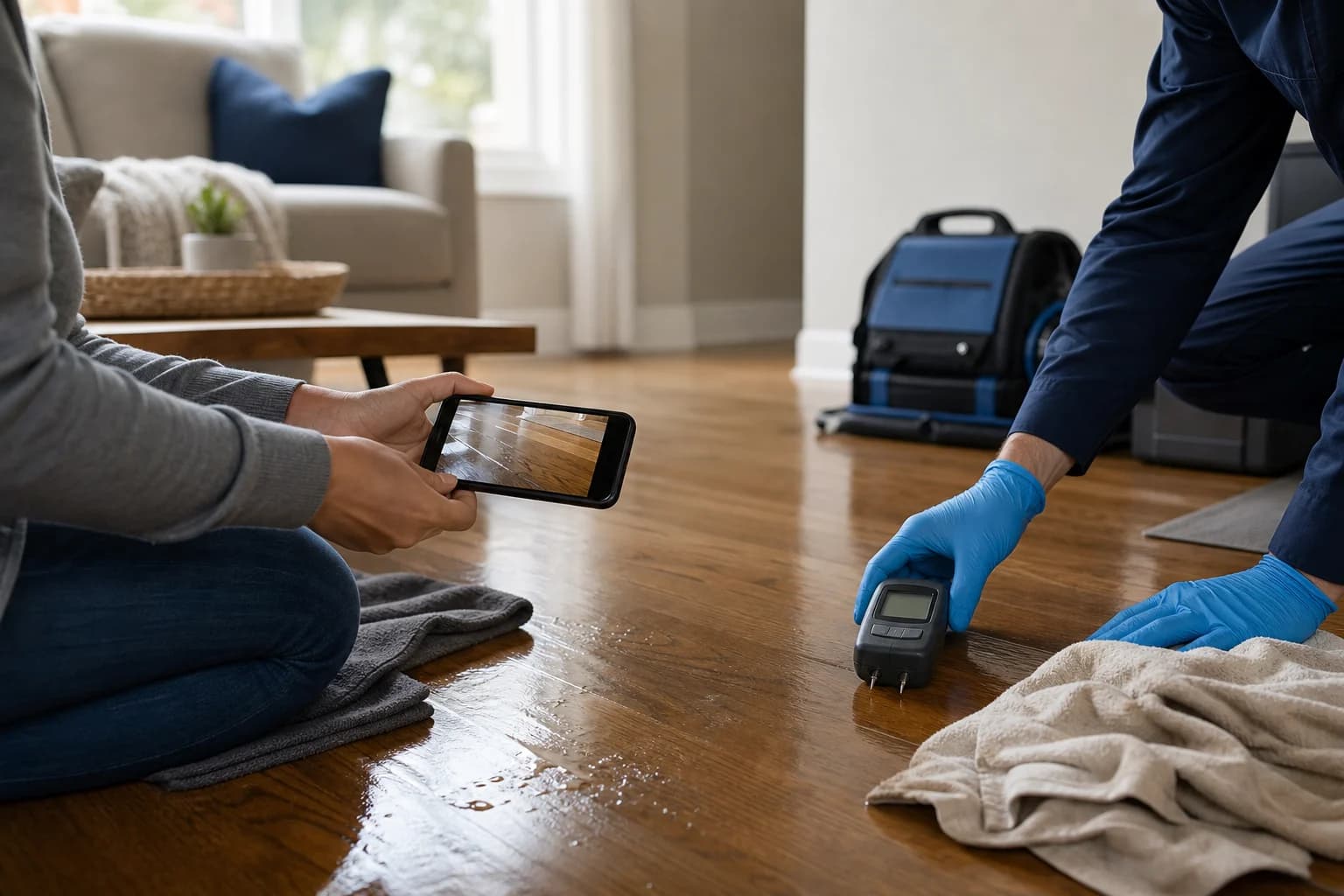 Emergency Response
This guide explains what to do right after water damage occurs, with practical steps to limit further issues, keep your home safe, and help with insurance documentation.
Read guideCall Water Restoration Pros to connect with ceiling water damage repair help in your area.
Call (833) 968-0848 · No-obligation · Availability varies by area