Preventing water damage at home starts with staying alert to common risks. Routine checks of appliances, plumbing, and drainage systems help spot early warning signs. Addressing problems before they escalate can reduce disruption and repair needs.
Simple actions—like inspecting hoses, knowing where your main shutoff valve is, and testing your sump pump—can help avoid major water problems. These steps do not require specialized skills, but understanding what to look for helps you act quickly and decide when to call for professional help.
Inspect Appliances, Hoses, and Water Heaters
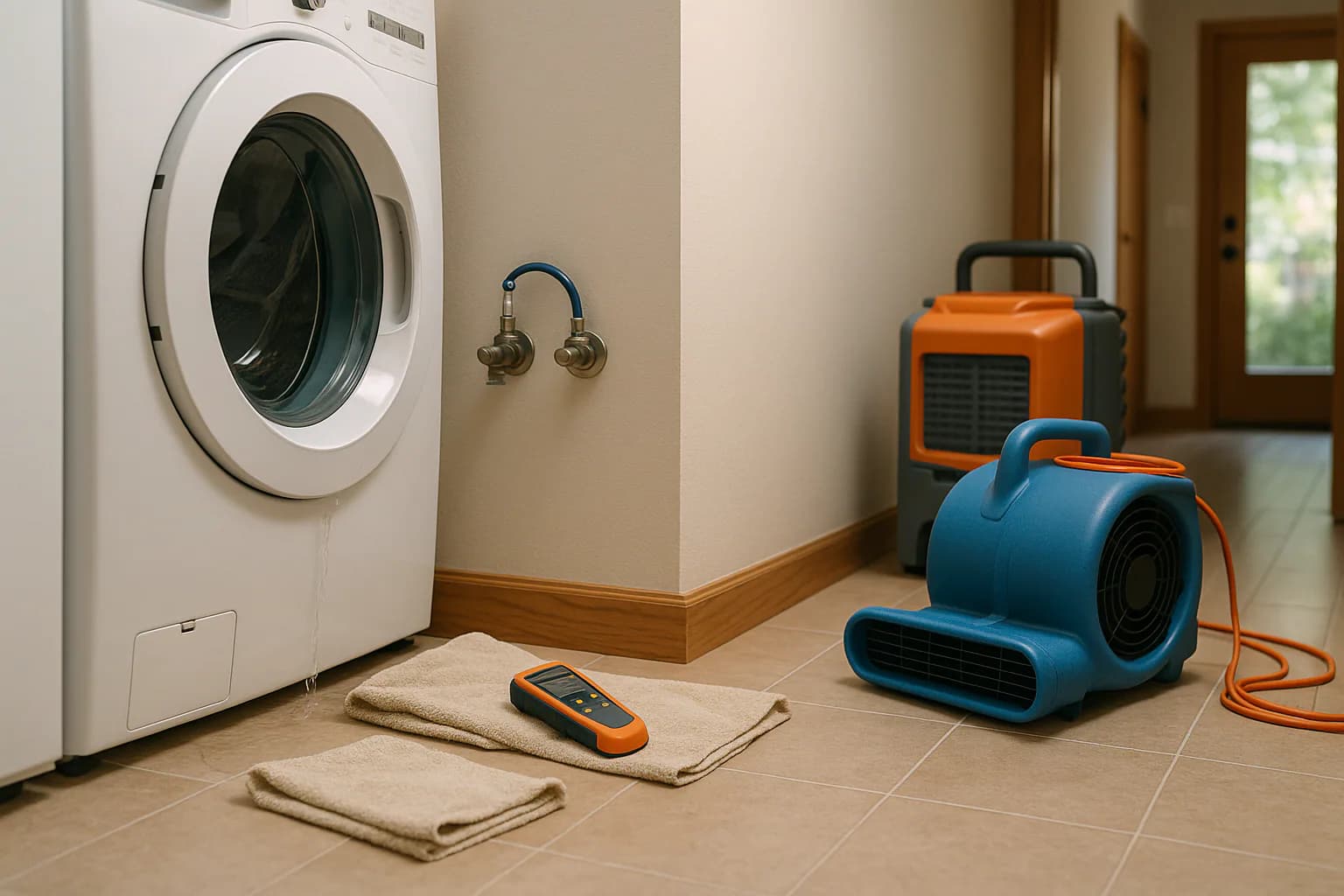
Household appliances that use water—such as washing machines, dishwashers, and refrigerators with ice makers—connect to plumbing with supply hoses. Over time, hoses may crack, bulge, or degrade, which can increase the risk of leaks. Water heaters can also pose a risk, especially as they age. A tank failure may release a large amount of water. Knowing the age and visible condition of appliances and connections allows planning for replacements or repairs before issues occur.
Check supply hoses for signs of wear, such as cracking, kinks, rust, or bulging. Braided stainless-steel hoses are often used for their durability compared to basic rubber hoses. Note your water heater's installation date and watch for signs like rust-colored water or moisture around its base. These clues may signal the need for further evaluation or replacement. Know where the shutoff is for each appliance to stop water flow quickly if a leak occurs.
- Inspect hoses for cracks, bulges, or corrosion every few months.
- Replace any hose showing signs of wear or damage.
- Record the age of your water heater and check regularly for leaks or rust.
- Identify and test the shutoff valves for all major appliances.
Monitor for Leaks and Unusual Moisture
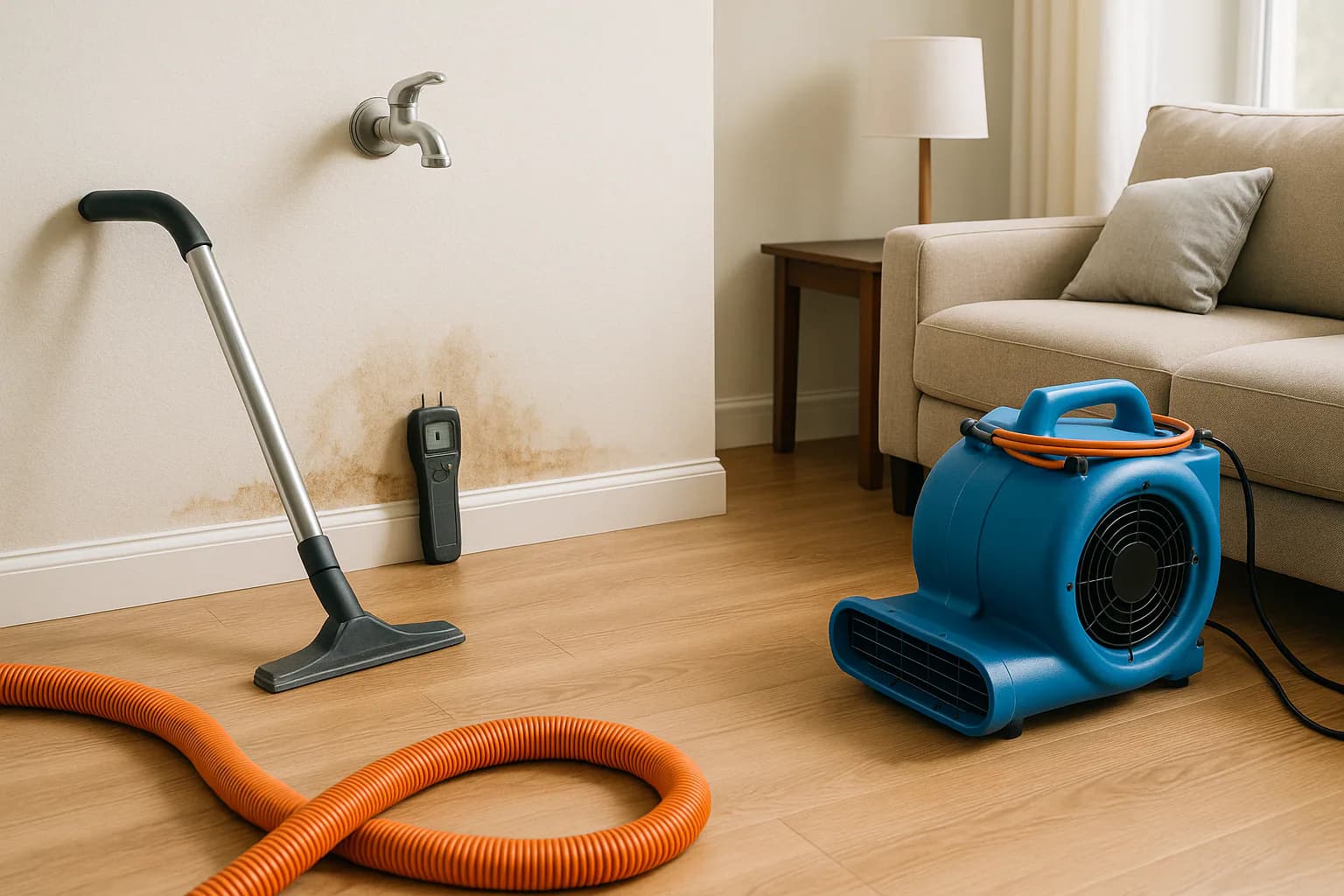
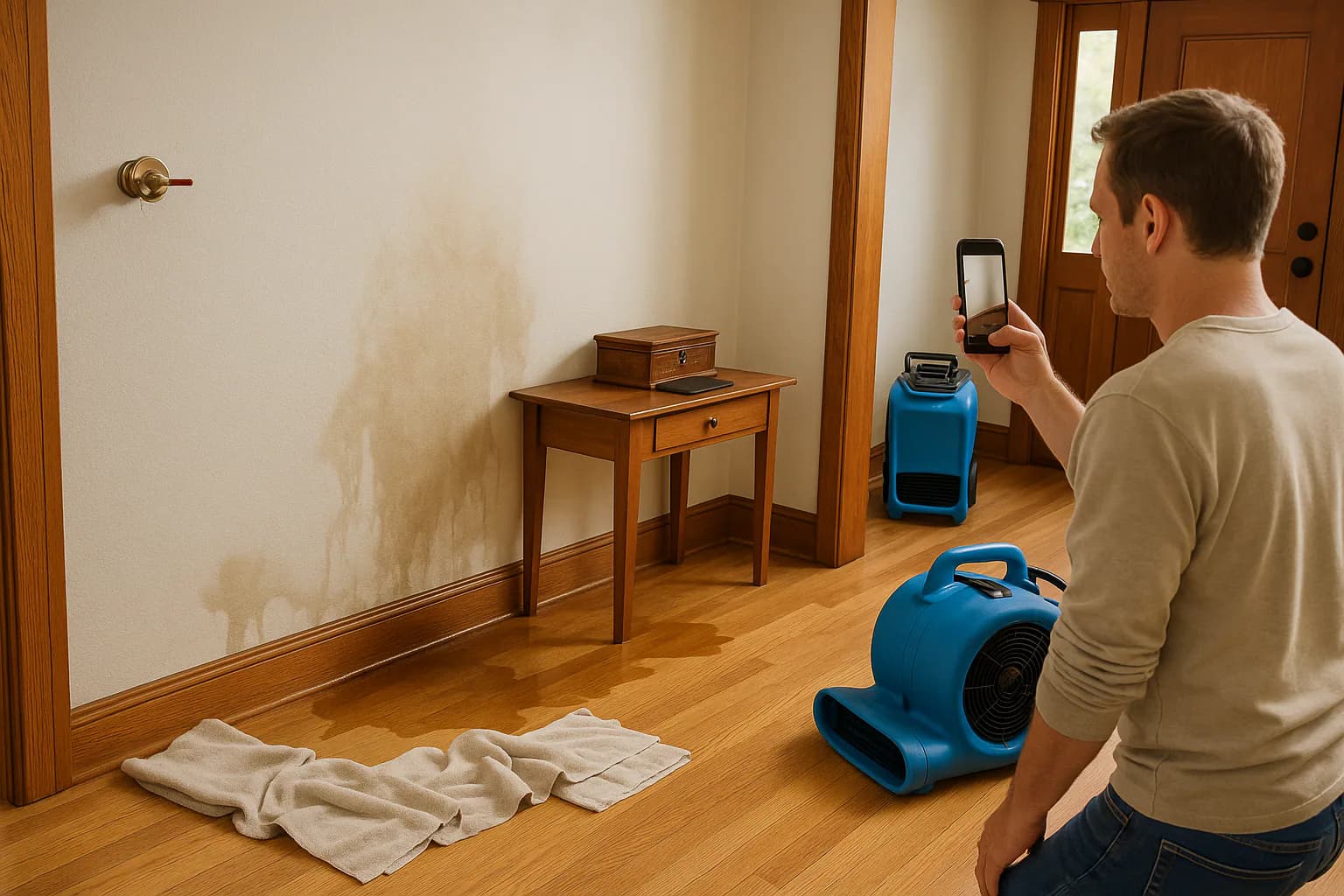
Leaks can develop in areas that are not immediately obvious. Slow leaks under sinks, behind walls, or in utility rooms may go undetected until water damage has started. EPA guidance highlights that monitoring for unexpected moisture and irregular water use can help spot problems early. Clues include unexplained dampness, musty odors, stains on walls or ceilings, or changes in water bills.
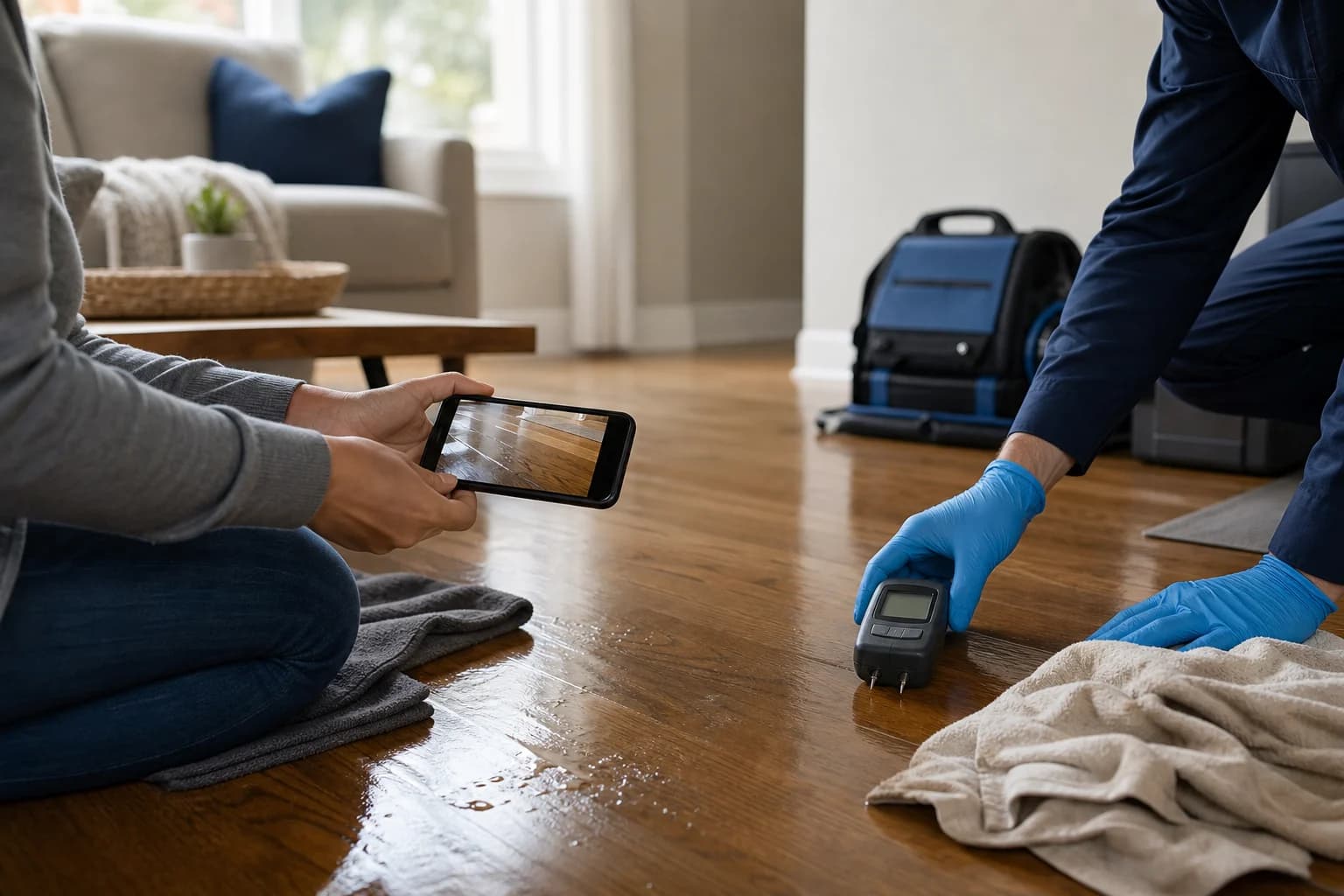
Thermal imaging cameras can screen for temperature differences that might suggest hidden moisture, but any suspicious area should be checked with a moisture meter or direct inspection. Drying wet materials within 24-48 hours reduces the conditions that allow mold to grow. If you find persistent or widespread moisture, or if the source is unclear, an on-site assessment from a restoration professional can help identify hidden leaks and recommend appropriate next steps.
Protect Your Home’s Exterior and Drainage
Managing water outside the home is important for preventing water intrusion. Gutters and downspouts move water away from the foundation and roof, but when they clog or fail, water can pool and seep into the home. Downspouts that discharge too close to the foundation can also contribute to issues in basements or crawl spaces.
Clear gutters of leaves and debris several times a year, especially after storms or in the fall. Position downspouts to direct water several feet away from the home. If your property has a sump pump, test it by pouring water into the pit to ensure it activates. Keep the sump pit free of debris. A battery backup may provide added protection during power outages when flooding risks can increase.
- Remove debris from gutters regularly to prevent overflows.
- Ensure downspouts discharge well away from the foundation.
- Test sump pumps periodically and consider a battery backup.
- Check exterior grading to prevent water from pooling near the house.
Leak and Freeze Sensors Buy You Time
Inexpensive water-leak and freeze sensors can alert you to moisture or dropping temperatures near vulnerable spots like water heaters, sinks, and exposed pipes. Some can notify your phone, which helps you act before a small leak becomes a large one.
Know Your Main Shutoff Valve and Prepare for Cold Weather
In the event of a sudden leak or burst pipe, shutting off the main water supply can help limit water damage. Each household member should know where the main shutoff valve is located and how to operate it. The valve is often found where the water line enters the home, such as near the front foundation wall, in a basement or crawl space, or close to the water meter. Testing its operation before an emergency helps ensure it will work if needed.
Cold weather increases the risk of frozen pipes. Freezing can cause pipes to burst as ice expands inside plumbing. Before winter, disconnect and drain outdoor hoses, insulate exposed pipes, and keep adequate heat in the home if you will be away. If you suspect a pipe has frozen, shut off the water supply. Consult a professional before attempting to thaw pipes, as thawing can reveal splits or cracks.
When to Call a Professional for On-Site Assessment
Some water problems can be addressed with basic tools and checks, but certain situations may require professional assessment. If you notice persistent or hidden moisture—such as water stains that keep growing, soft spots in walls or floors, or recurring signs of damage—it may be time to consult a pro. Restoration professionals in your area may use specialized tools to trace hidden leaks, measure moisture levels, and assess water migration.
For contaminated or black water, such as from sewage backups or floodwater, safe cleanup and sanitation are important. Pros can evaluate which materials may be dried and which could need removal, depending on the source and duration of water exposure. Their on-site evaluation can help you decide on appropriate next steps and avoid issues like closing up damp walls or missing moisture behind cabinets.
- Call for professional help if you find persistent or hidden moisture.
- Seek an assessment after sewage backups or floodwater events.
- Let pros evaluate wall cavities, insulation, and flooring for hidden dampness.
- Do not assume drying the surface is enough; moisture can linger behind finishes.
Avoiding Common Mistakes in Water Damage Prevention
Even careful homeowners may overlook steps that reduce the risk of water damage. A common mistake is delaying repairs for small leaks or ignoring early warning signs like stains or musty smells. Storing items directly on basement floors or against unfinished walls can conceal leaks and complicate cleanup. Using rugs or furnishings to cover up damp areas may only mask the problem.
Skipping routine checks of hoses, gutters, and shutoff valves can allow minor issues to become larger emergencies. Forgetting to test the sump pump or leaving hoses connected during winter may also lead to preventable damage. Creating a seasonal checklist and spending a few minutes each month inspecting high-risk areas can support efforts to keep your home dry.
Already Dealing With a Leak?
Prevention helps, but failures still happen. If water is already causing damage, call Water Restoration Pros to get connected with restoration professionals that service your area and can assess the situation and begin cleanup.
Call (833) 968-0848Frequently asked questions
How often should appliance supply hoses be replaced?
Can I find hidden leaks without professional equipment?
Why is it important to dry wet materials quickly?
Sources reviewed (3)
- U.S. EPA WaterSense - Leak Detection and Flow Monitoring Devices: EPA guidance on identifying unexpected moisture, irregular water use, and household leaks.
- U.S. EPA - A Brief Guide to Mold, Moisture and Your Home: EPA guidance on moisture control, prompt drying, indoor humidity, and mold cleanup decisions.
- U.S. EPA - Mold Course Chapter 2: EPA guidance to dry wet building materials within about 24 to 48 hours when possible.