After water damage, mold can become a concern quickly when materials stay wet. The U. S. EPA advises drying wet building materials within about 24 to 48 hours when possible. Fast moisture control does not support mold will not develop, but it helps reduce the damp conditions that allow it to grow.
How Fast Mold Can Start After Water Damage
There is no exact countdown for every home. The timeline depends on how much water entered the space, which materials were affected, and how quickly drying begins. Porous materials such as drywall, wood, carpet, and insulation can hold moisture and stay damp long enough to create mold-friendly conditions.
The key point is simple: the longer wet materials remain wet, the greater the chance that mold can develop. That is why prompt drying matters even when water damage looks minor at first.
Why Moisture Control Matters Most
Mold growth is driven by moisture. Indoor humidity, wet building materials, and hidden water can all keep surfaces damp long after standing water is removed. EPA guidance emphasizes moisture control because it is the most practical way to reduce the conditions that support mold growth.
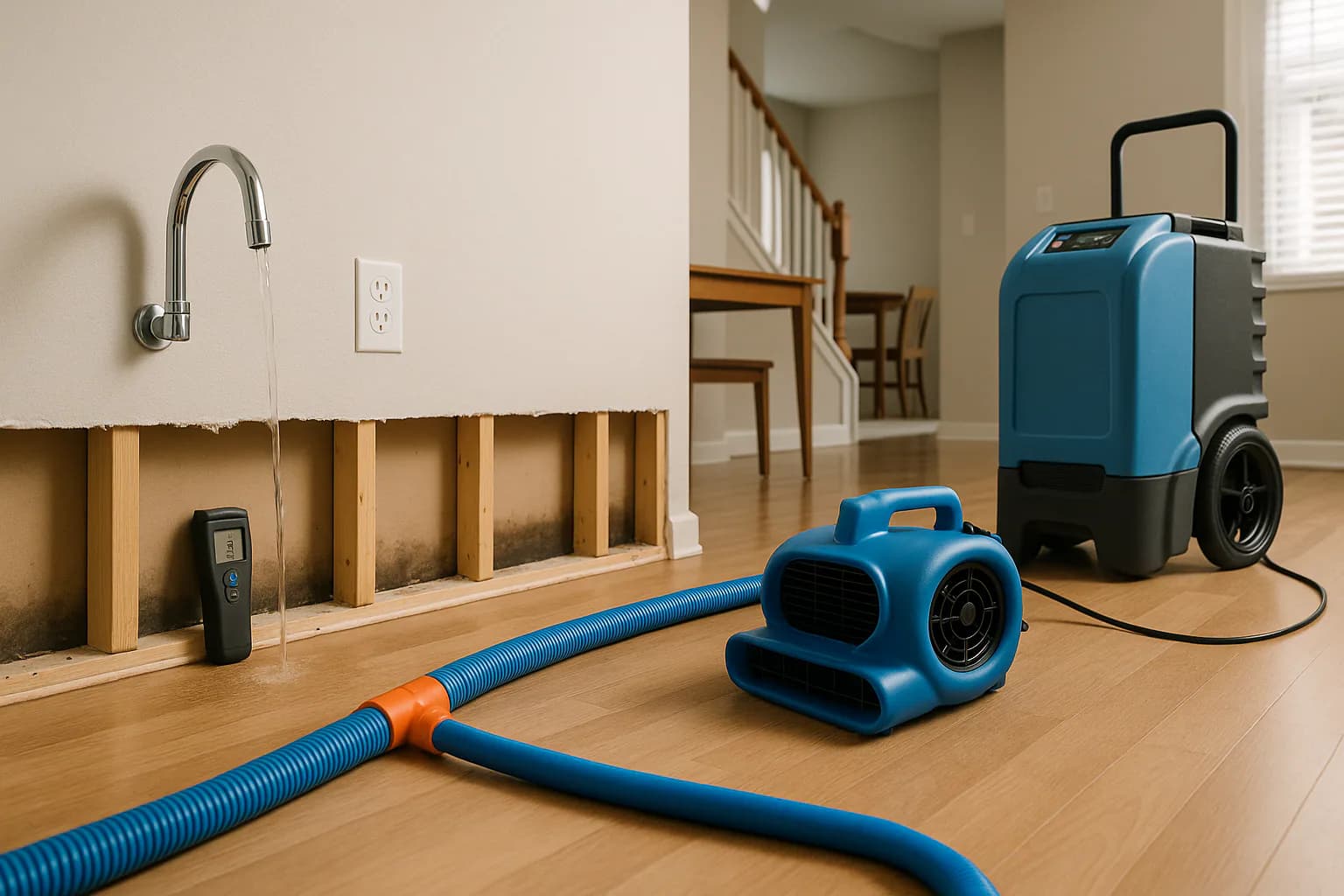
Drying needs to address both visible water and trapped moisture. A surface may feel dry while water remains underneath flooring, inside wall cavities, or in insulation. Those hidden areas can keep materials damp and slow the drying process.
What Affects the Timeline
Several conditions can change how quickly mold-friendly conditions develop. Airflow, indoor humidity, temperature, the type of material affected, and how long the material stays wet all matter. A room with better airflow and prompt drying is different from a closed space with soaked drywall or carpet.
Because the conditions vary so much, the safest approach is to start drying as soon as it is safe to do so. Waiting for visible signs of mold is not a reliable strategy.
Practical Steps That Support Drying
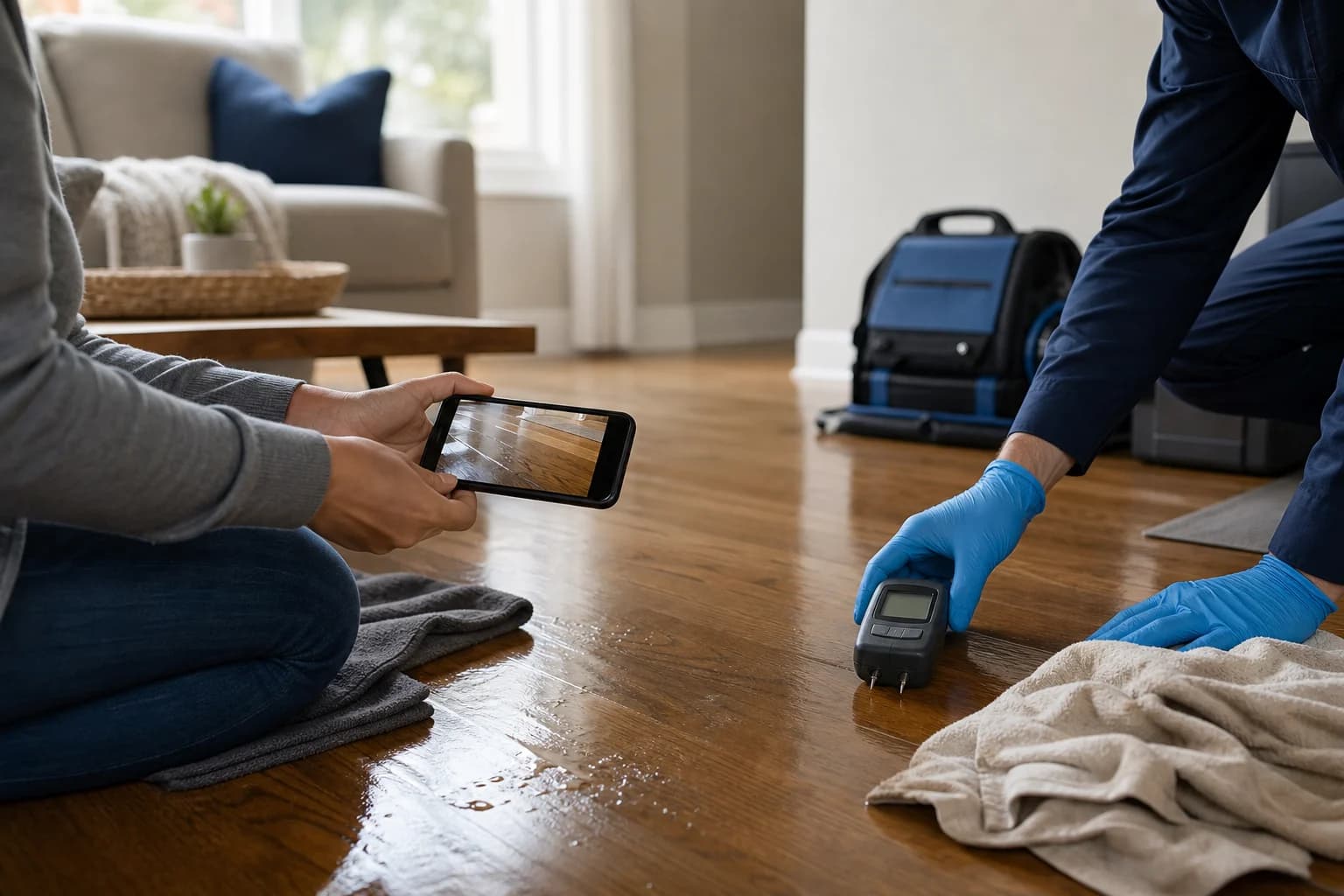
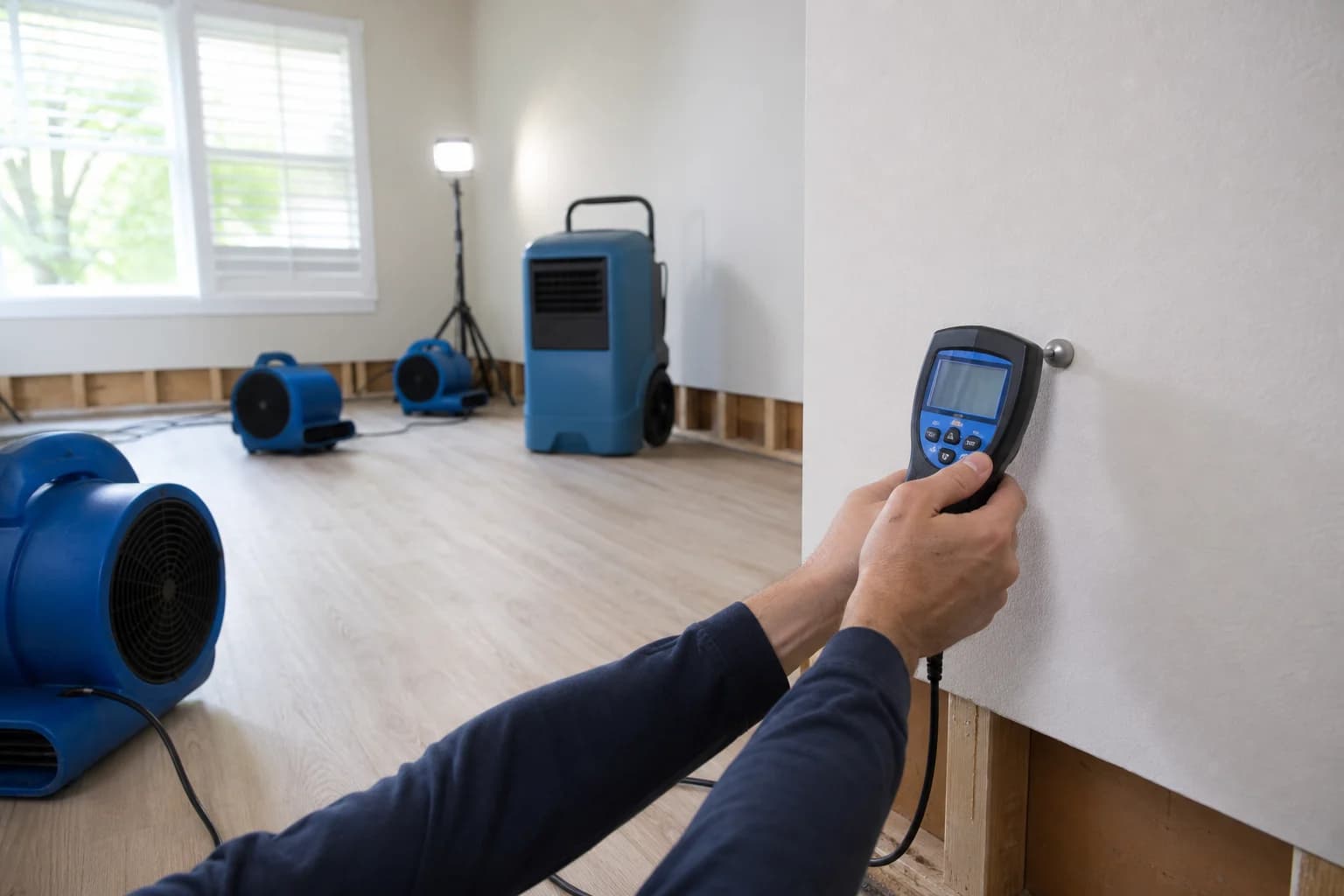
The goal is to remove moisture from materials and the air as quickly and safely as possible. Independent restoration professionals can use drying equipment and moisture meters to check whether affected materials are still holding water.
- Remove standing water only when it is safe to do so.
- Increase airflow and reduce indoor humidity.
- Check for moisture in hidden areas such as walls, floors, and insulation.
- Use direct measurement rather than appearance alone to judge dryness.
Thermal imaging can help screen for temperature patterns that may suggest damp areas, but it does not prove moisture or mold on its own. Direct measurement and inspection are still needed to confirm conditions.
Why Hidden Moisture Is a Problem
Hidden moisture can remain after the visible water is gone. Water can move into wall cavities, under flooring, and into porous materials where it is not easy to see. If those areas are not dried, they can continue to support mold-friendly conditions.
This is one reason professional drying focuses on measured moisture levels rather than appearance alone. A local pro can identify where water has traveled and target those areas with drying equipment.
EPA Guidance on Drying and Cleanup
EPA guidance recommends drying wet building materials within about 24 to 48 hours when possible. The EPA also notes that moldy areas larger than about 10 square feet generally warrant professional help. Those guidelines are meant to support timely decisions after water damage or visible mold.
For smaller areas, cleanup decisions still depend on the materials involved, the extent of wetting, and whether hidden moisture remains. Review the condition carefully before deciding what can be cleaned, dried, or removed.
Common Mistakes to Avoid
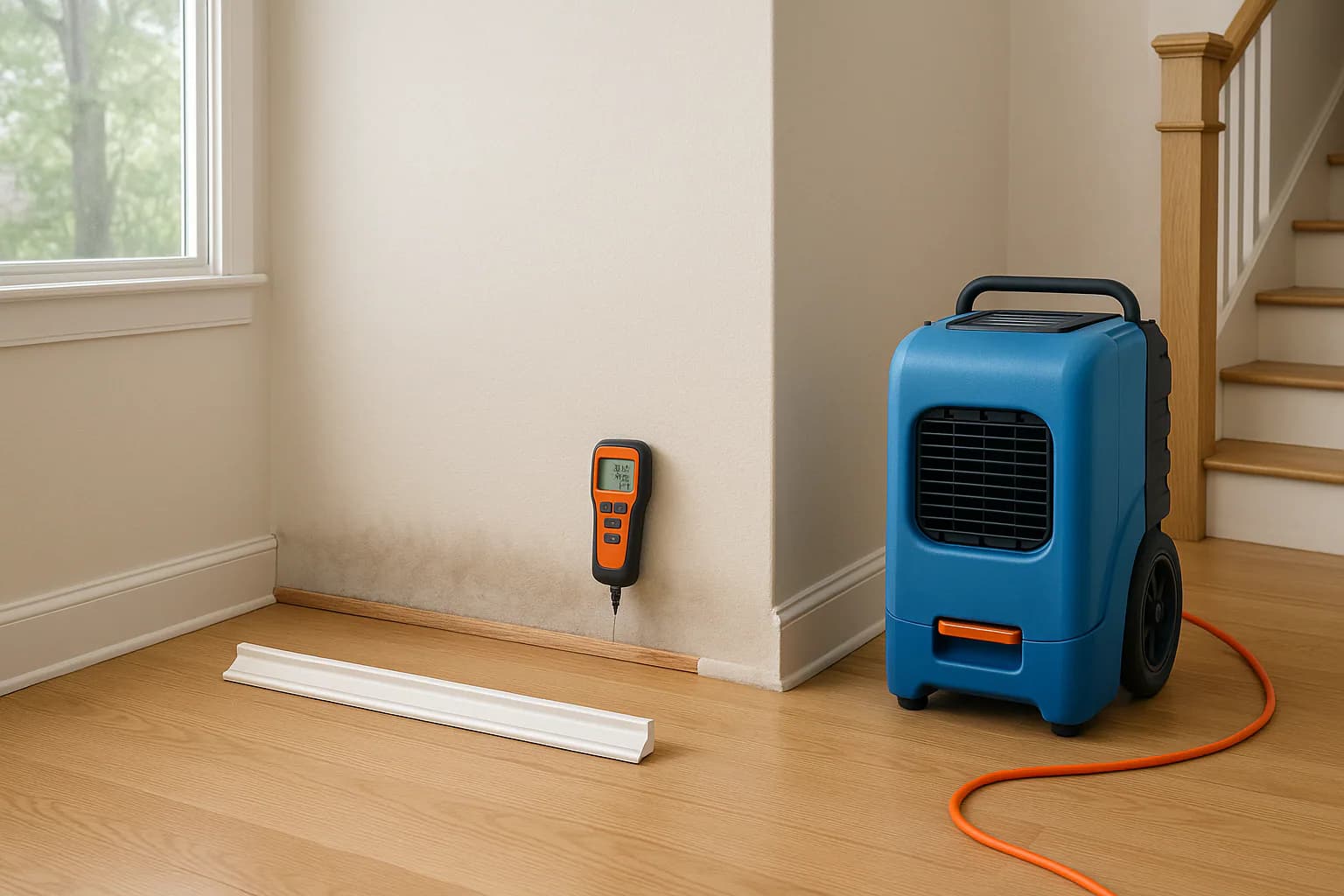
One common mistake is assuming that a dry-looking surface means the material is fully dry. Another is putting materials back in place before the affected area has been measured and dried. Both can leave moisture trapped where it is harder to reach.
It is also a mistake to delay drying while waiting to see whether mold appears. EPA moisture-control guidance is meant to reduce that risk by addressing wet materials promptly.
When to Consider Professional Help
Professional help is worth considering when the affected area is larger than about 10 square feet, when moisture has spread into hidden spaces, or when the source of water damage is difficult to fully assess. Independent restoration professionals can inspect the area, measure moisture, and recommend drying steps based on the conditions present.
If the water involved is contaminated or if sewage or floodwater is present, safe handling and sanitation are important. Avoid unnecessary exposure and follow public-health guidance for cleanup and disposal decisions.
Thermal imaging can help screen for temperature patterns, but it does not confirm moisture or mold without direct measurement or inspection. Dry-looking materials can still hold hidden water, so measured drying is more reliable than appearance alone.
Insurance and Next Steps
Coverage and claim outcomes depend on the cause of the damage, the policy language, exclusions, endorsements, limits, deductible, and the facts of the claim. Homeowners should review the policy and contact the insurer directly with questions.
Water Restoration Pros connects property owners with independent restoration professionals in their area. Those pros can help assess wet materials, support drying, and address moisture conditions that can lead to mold growth.
Acting Quickly Makes a Difference
The sooner materials dry, the less opportunity mold has to develop. Call Water Restoration Pros to get connected with restoration professionals that service your area and can dry your property thoroughly.
Call (833) 968-0848Frequently asked questions
How soon should drying begin after water damage?
Can mold start even if I only see a little water damage?
When should a homeowner consider professional help?
Sources reviewed (3)
- U.S. EPA - Mold Course Chapter 2: EPA guidance to dry wet building materials within about 24 to 48 hours when possible.
- U.S. EPA - Mold Cleanup in Your Home: EPA cleanup guidance, including the roughly 10-square-foot threshold for considering professional help.
- U.S. EPA - A Brief Guide to Mold, Moisture and Your Home: EPA guidance on moisture control, prompt drying, indoor humidity, and mold cleanup decisions.