Why Mold Risk Rises After Water Damage
Mold growth depends on moisture, so the main goal after water damage is to reduce dampness as quickly as possible. The EPA advises drying wet building materials within about 24 to 48 hours when possible. That means starting cleanup and drying early, then keeping the affected area open to drying until materials are truly dry.
This guide focuses on moisture control, not diagnosis. Fast drying can reduce the conditions that allow mold to grow, but it does not replace a careful check of the affected materials. If water has spread widely or reached hidden spaces, a local pro can help assess what needs drying, removal, or further inspection.
Start by Removing Standing Water
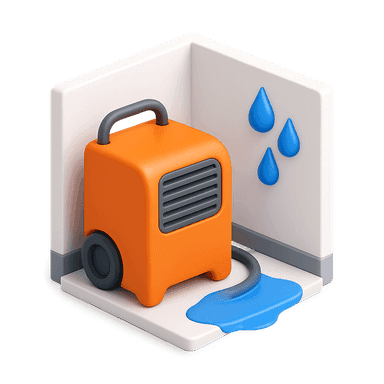
The first step is to remove visible water as soon as it is safe to do so. Bulk water slows drying and can keep building materials wet longer than they appear on the surface. Wet vacuums, pumps, or professional extraction equipment may be used depending on the amount of water and the materials affected.
Do not enter standing water if energized equipment may be present. If the source is contaminated, such as sewage or floodwater, safe handling and sanitation matter as much as drying. In those situations, restoration professionals use more cautious cleanup practices than a simple household drying setup.
Use Air Movement and Dehumidification Carefully
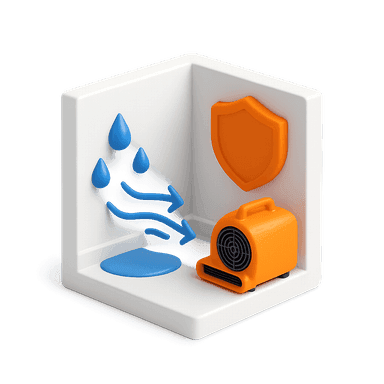
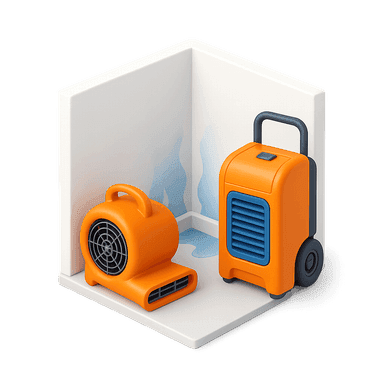
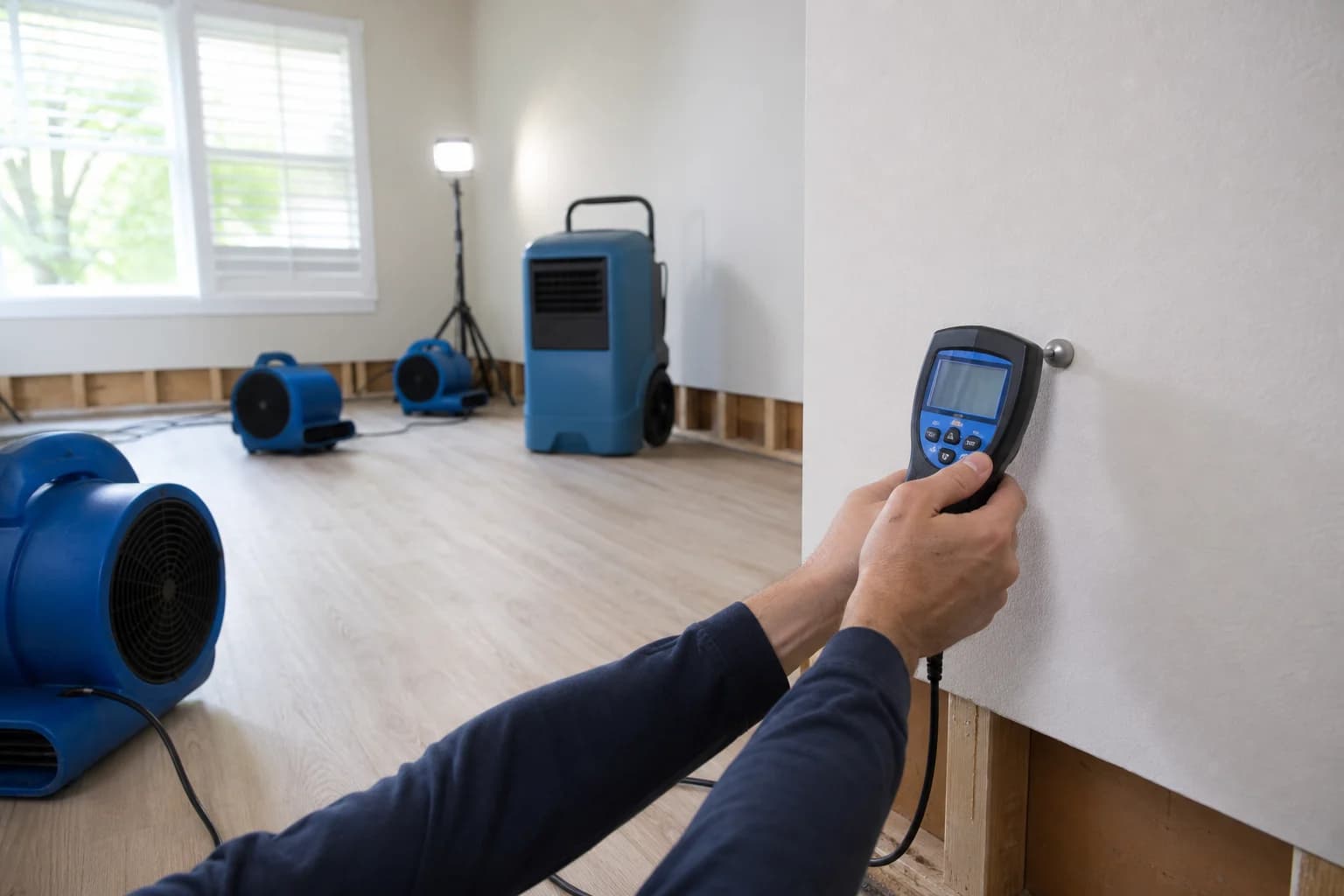
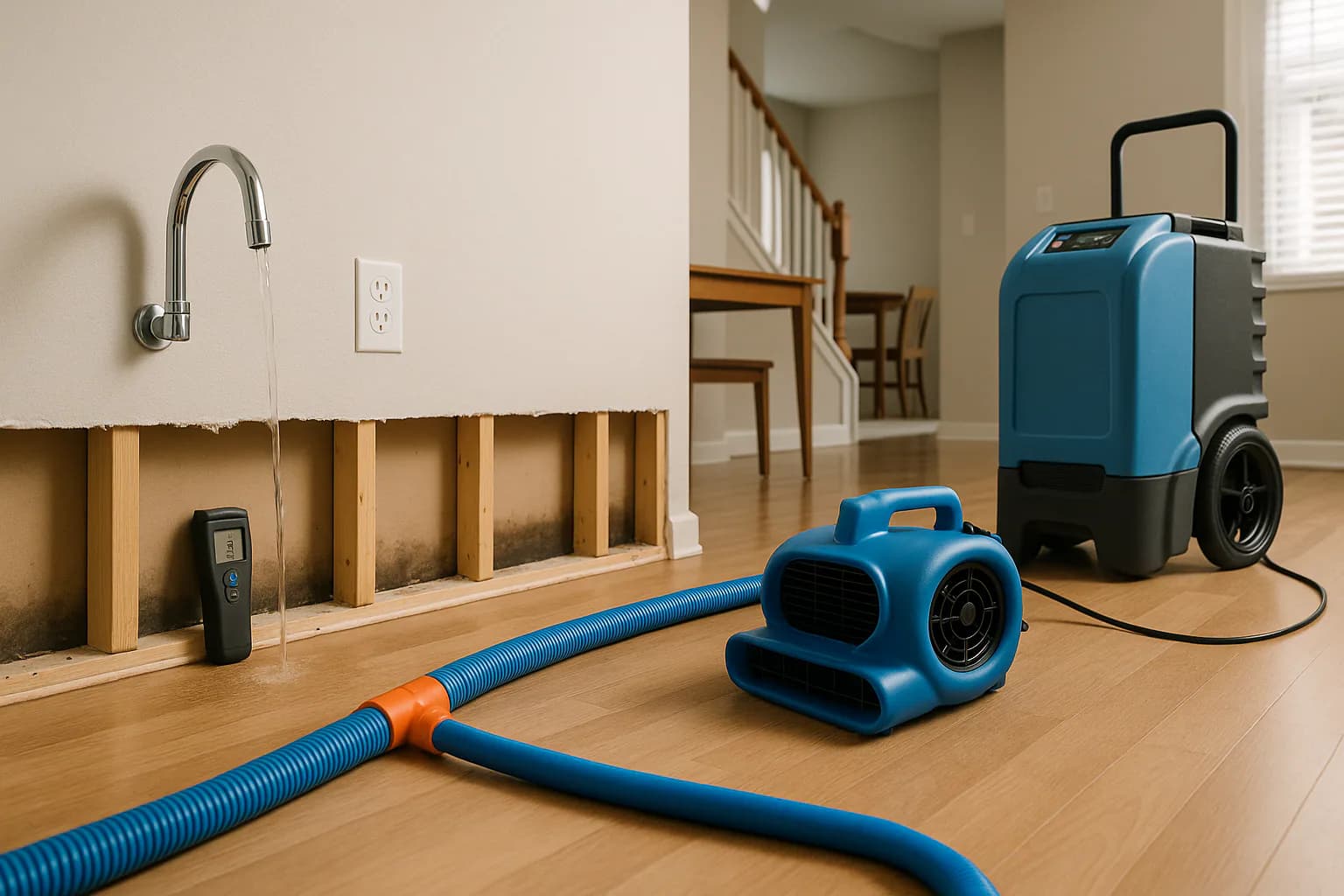
Once standing water is removed, drying can be supported with airflow and dehumidifiers. Fans can help move air across wet surfaces when the water source is clean and there is no sewage, contaminated water, or visible or suspected mold that could be spread. Dehumidifiers help lower indoor humidity so moisture is less likely to remain in the air and settle back onto surfaces.
Open windows only when outdoor conditions support drying. If outside air is humid, opening windows can slow the process. The goal is steady moisture removal, not just moving air around the room. A local pro can suggest the right setup when the wet area is large, hidden, or difficult to dry evenly.
Check Materials, Not Just Surface Dryness
Materials can feel dry on the outside while still holding moisture inside. That is why the EPA recommends drying wet building materials within about 24 to 48 hours when possible and checking that drying is complete before closing up walls or floors. Hidden moisture can remain in wall cavities, under flooring, or in insulation and padding.
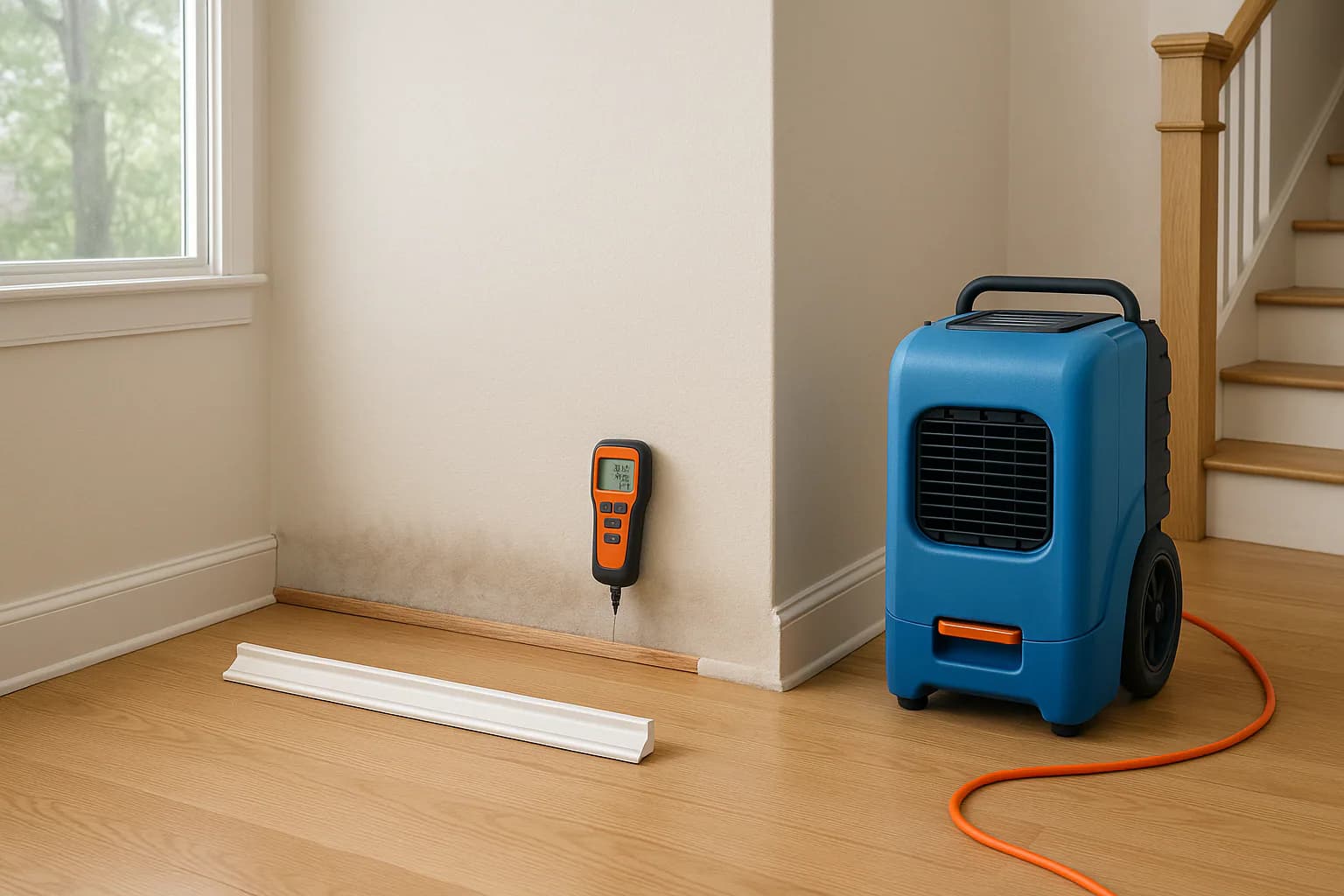
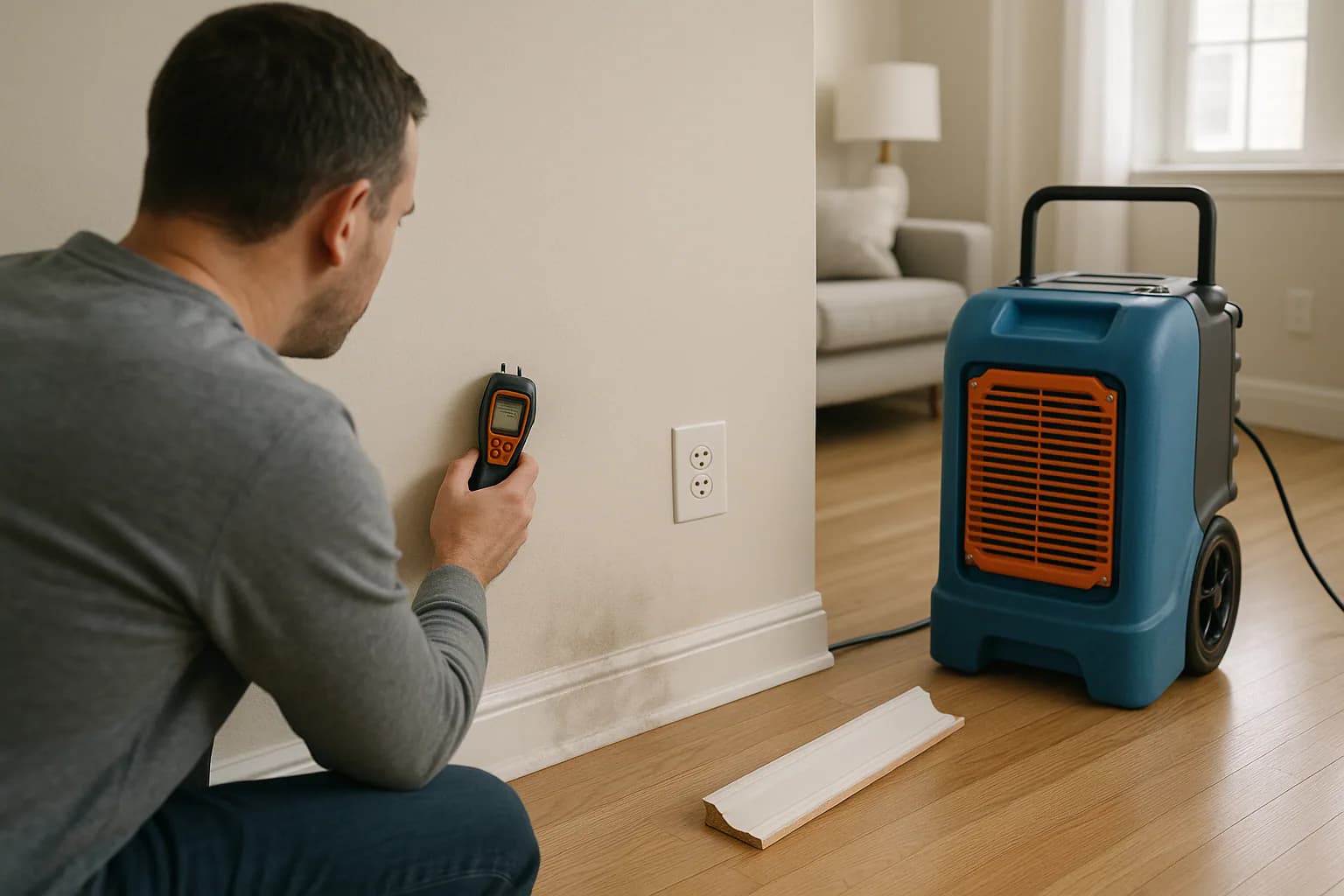
Moisture meters are used to confirm whether materials are still damp. Thermal imaging can help screen for temperature patterns that may point to a wet area, but it does not prove moisture or mold without direct measurement or inspection. If there is any doubt, the safer approach is to keep drying and verify conditions before repairs begin.
Know Which Materials May Need Removal
Some materials dry more easily than others. Non-porous surfaces such as tile, glass, and metal are generally easier to clean and dry. Porous materials such as drywall, insulation, carpet padding, and ceiling tiles can hold moisture and may be difficult to dry thoroughly once saturated.
If a material remains wet or cannot be dried well, removal may be needed to reduce lingering dampness. That decision depends on the source of water, how long the material stayed wet, and how deeply water moved into the structure. A local restoration professional can help evaluate whether a material should be dried in place or taken out.
Treat Contaminated Water With Extra Care
Clean water from a supply line or similar source is different from contaminated water, including sewage and floodwater. Contaminated water requires careful sanitation and safe handling. Household fans should not be used in a way that could spread contaminants through the space.
If black water, sewage, or floodwater is involved, the cleanup approach should be more cautious than a simple dry-out. The pros in your area can assess the situation, protect affected materials, and help reduce the chance of spreading contamination during cleanup and drying.
Watch for Signs of Hidden Moisture
Hidden moisture often shows up in indirect ways. Persistent musty odors, unexplained stains, and areas that stay cool after the room is otherwise dry can all suggest that moisture remains behind surfaces. These signs do not confirm mold, but they do point to the need for closer inspection.
Water may move into places that are not easy to see, including wall cavities and beneath floors. If a room seems dry but odors or stains remain, a moisture check can help determine whether more drying or removal is needed. Closing up the area too soon can trap moisture and make repairs more complicated later.
When to Consider Professional Help
The EPA suggests considering professional help for cleanup when the affected area is roughly 10 square feet or more. Professional help is also worth considering when water has spread into multiple rooms, reached hidden spaces, or come from contaminated sources. A local pro can use moisture meters, inspect affected materials, and help decide what needs further drying or removal.
Professional assessment can also be useful when the cause of water damage is unclear or when materials seem dry on the surface but may still be damp inside. Water Restoration Pros connects homeowners with independent restoration professionals; it does not perform the work itself. The pros in your area can handle the drying plan and cleanup decisions based on the conditions on-site.
Common Mistakes to Avoid
A few mistakes can slow drying and leave dampness behind. Waiting too long to start cleanup, relying only on touch or appearance, and closing walls or floors before confirming dryness can all leave moisture trapped in the structure. Wet padding, insulation, and drywall are common places where hidden moisture lingers.
Another mistake is using airflow without considering the water source. Fans can be helpful in the right situation, but they should not be used in a way that spreads sewage, contaminated water, or suspected mold. When the situation is larger or uncertain, a local pro can help choose a safer drying approach.
A Practical Moisture-Control Checklist
A simple response can help reduce mold risk after water damage: remove standing water, start drying quickly, lower indoor humidity, check hidden areas, and remove materials that cannot be dried thoroughly. Keep the focus on moisture control until the affected area is fully dry and ready for repair.
If the water source was contaminated, if the affected area is large, or if hidden moisture is hard to rule out, professional assessment is the more cautious path. Prompt drying and careful inspection give property owners a better chance of limiting the conditions that allow mold to grow.
Dry It Out Before It Becomes a Bigger Problem
The faster an area dries, the less time damp conditions have to persist. Call Water Restoration Pros to get connected with restoration professionals that service your area and can extract water, set up drying equipment, and verify whether the space is dry.
Call (833) 968-0848Frequently asked questions
How soon should drying start after water damage?
How can hidden moisture be found after a leak or flood?
Should wet materials be dried in place or removed?
Can fans be used after water damage?
When should a homeowner consider professional help?
Sources reviewed (3)
- U.S. EPA - A Brief Guide to Mold, Moisture and Your Home: EPA guidance on moisture control, prompt drying, indoor humidity, and mold cleanup decisions.
- U.S. EPA - Mold Course Chapter 2: EPA guidance to dry wet building materials within about 24 to 48 hours when possible.
- U.S. EPA - Mold Cleanup in Your Home: EPA cleanup guidance, including the roughly 10-square-foot threshold for considering professional help.