Mold in walls after a water leak
Mold in walls after a water leak can be hard to spot because the growth may stay hidden behind drywall, paint, or wallpaper. The EPA notes that prompt drying and moisture control are central to limiting the conditions that allow mold to grow. When a leak has affected wall materials, early attention matters because surface drying alone may not address moisture trapped inside the wall cavity.
Signs mold may be inside a wall
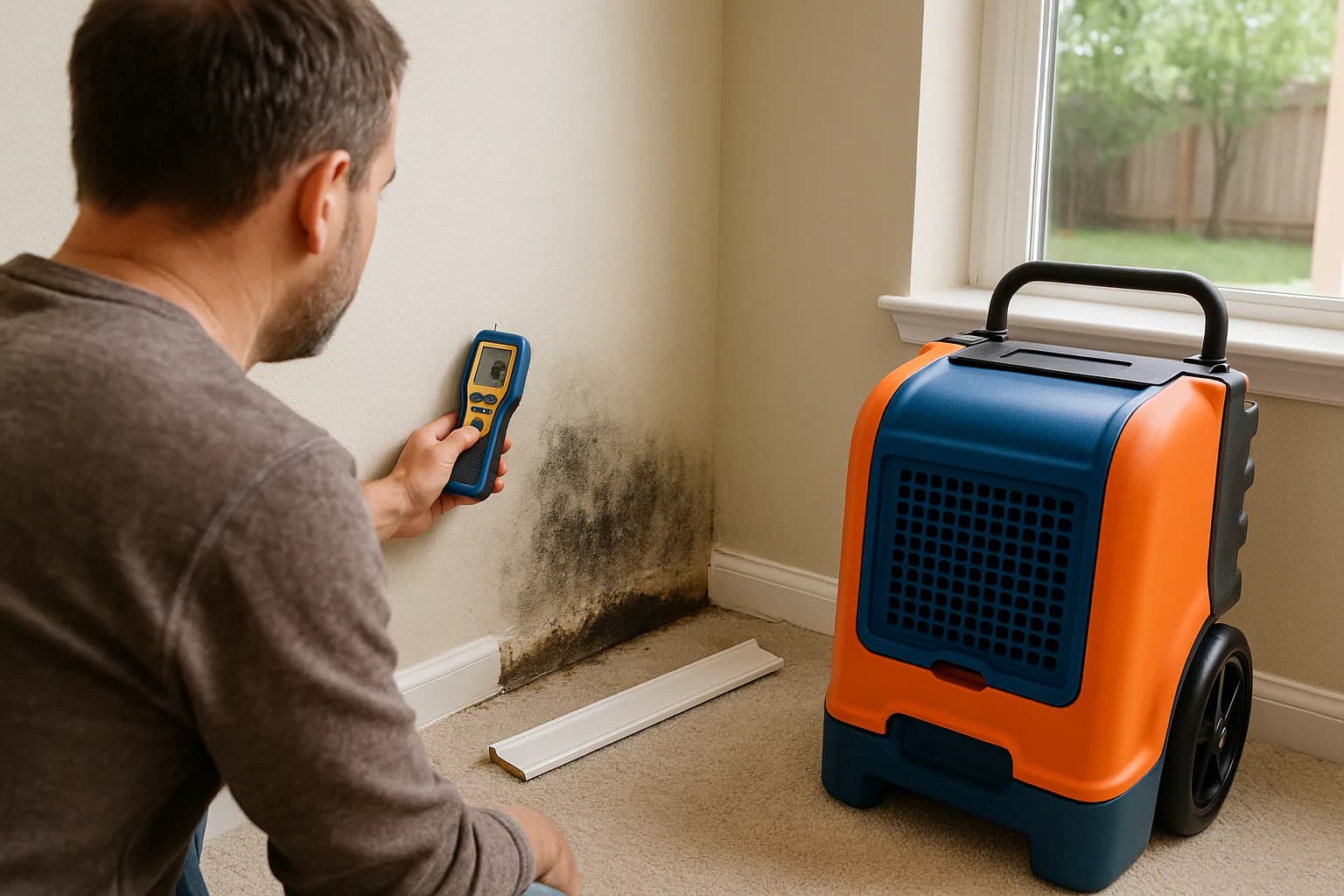
A musty odor, staining, discoloration, or bubbling paint can point to moisture problems behind a wall. These signs do not confirm mold on their own, but they can suggest that wet materials were not fully dried or that moisture remains in the area. If the smell or damage is limited to one room or one section of wall, that area deserves closer attention.
- Persistent musty odor in a specific area
- Staining or discoloration on the wall surface
- Bubbling, peeling, or warped paint or wallpaper
- A prior water leak in the same area
Why mold can develop after a wall seems dry
Walls can still hold moisture after the visible surface looks dry. The EPA advises drying wet building materials within about 24 to 48 hours when possible. If moisture remains inside the wall cavity, conditions can stay favorable for mold growth even when the outside of the wall appears unchanged. Fast, thorough drying is important because hidden dampness is harder to detect than surface water.
How restoration professionals check hidden moisture
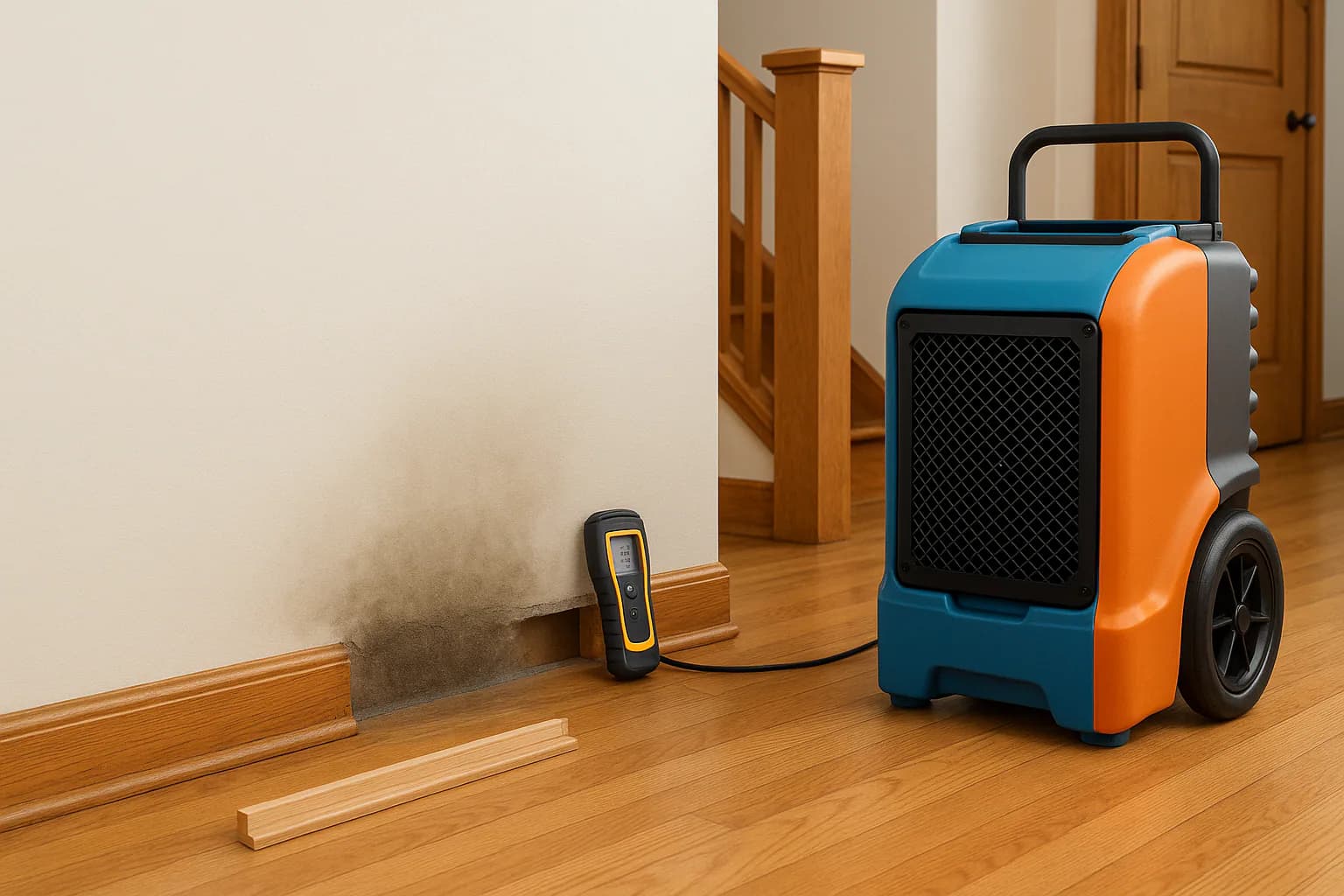
Independent restoration professionals can use non-invasive tools to look for hidden moisture before opening a wall. Moisture meters help measure dampness in building materials. Thermal imaging can screen for temperature patterns that may suggest moisture, but it does not prove moisture or mold without direct measurement or inspection. When needed, small inspection openings may be used to confirm what is happening inside the wall.
- 1
Measure moisture
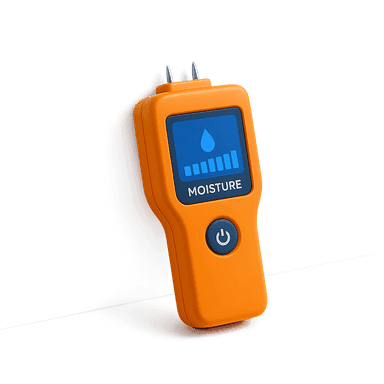
Moisture meters help check whether wall materials are still damp.
- 2
Screen with thermal imaging
Thermal imaging can point to temperature patterns that may suggest hidden moisture.
- 3
Confirm with direct inspection
Small openings may be used when a closer look is needed to verify conditions inside the wall.
What happens if mold is found
If mold is found, the response usually focuses on controlling moisture, containing the affected area, and cleaning or removing damaged materials as needed. The EPA notes that cleanup decisions depend on the amount of mold and the materials involved. For areas larger than roughly 10 square feet, the EPA suggests considering professional help. The key is to address the moisture source and the affected materials together, rather than cleaning only the visible surface.
Drying the wall cavity after a leak
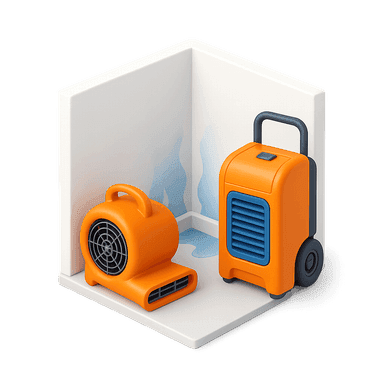
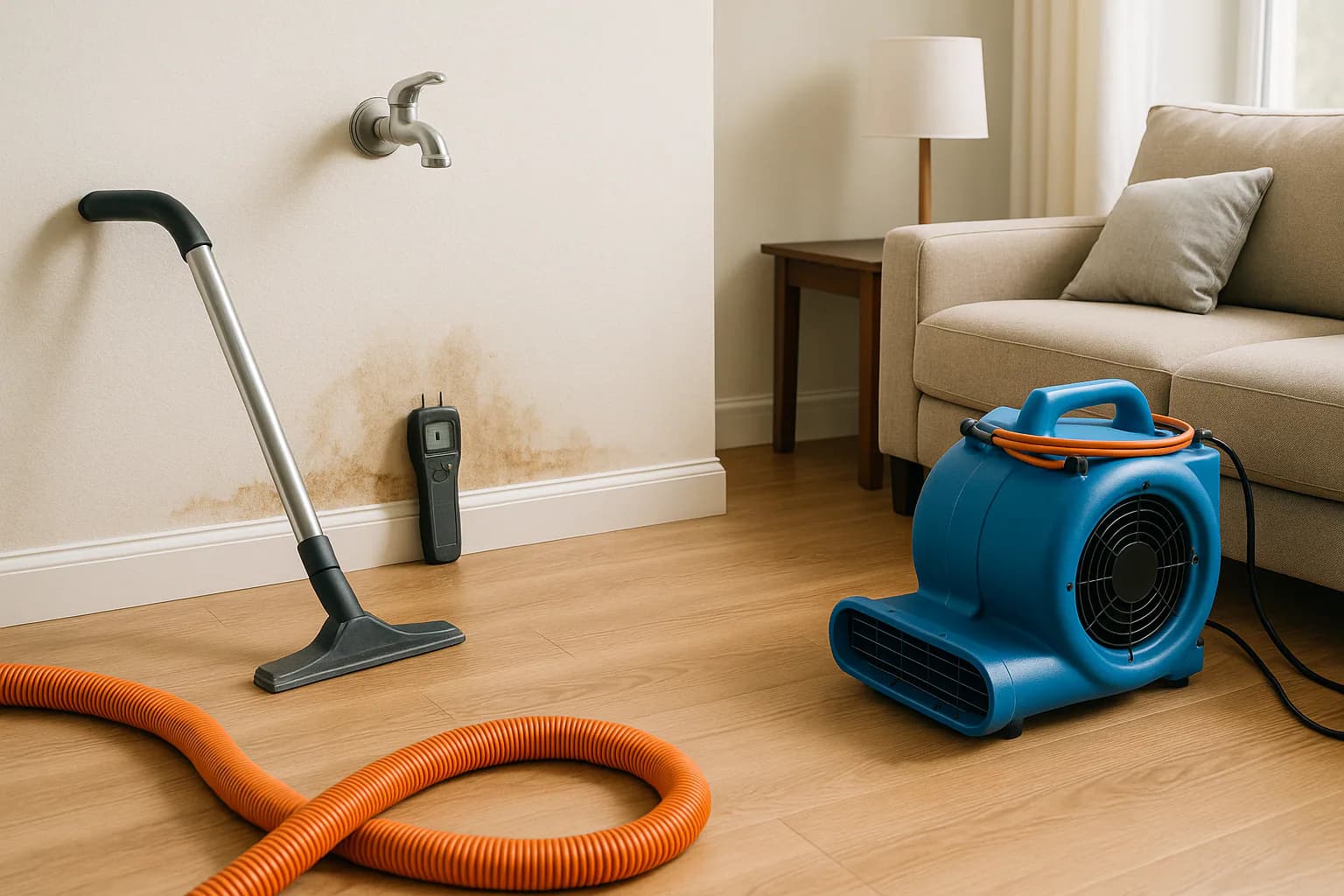
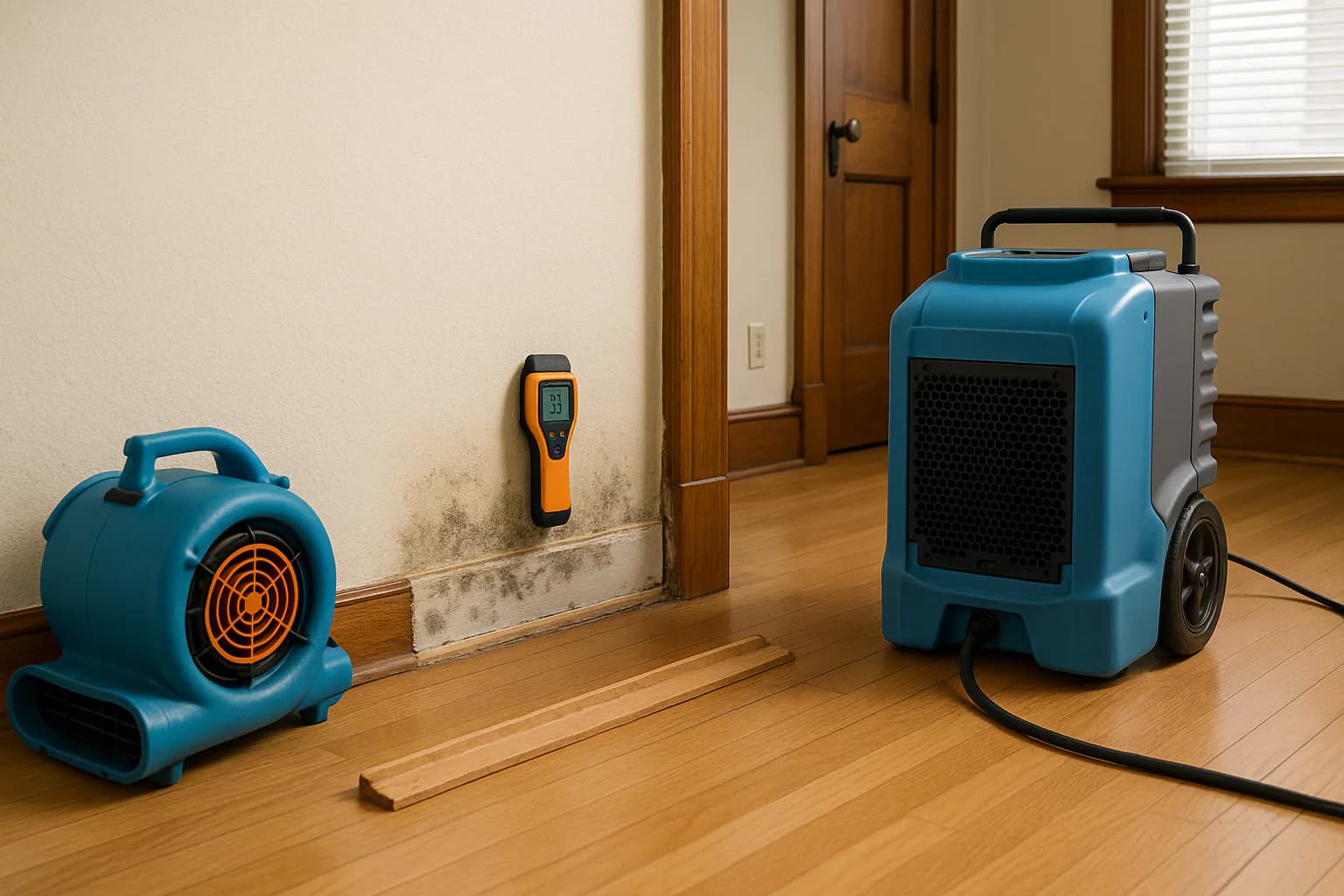
Cavity drying is used to remove moisture from enclosed wall spaces after water intrusion. The goal is to dry the affected materials thoroughly so hidden dampness does not remain in place. Air movers and dehumidification may be used depending on the situation. Good drying practices matter after leaks because moisture left inside the wall can continue to support mold growth conditions.
When to consider professional help
Professional help is worth considering when the affected area is larger than roughly 10 square feet, when the leak has reached inside a wall, or when moisture keeps returning after drying. A local pro can assess the extent of the damage, identify the source of moisture, and recommend a drying or cleanup plan based on the materials involved. Early evaluation can help limit further damage and reduce the chance that hidden moisture remains.
Insurance and next steps
Insurance coverage for mold and water damage depends on the cause of the loss, policy language, exclusions, endorsements, limits, deductible, and the facts of the claim. Property owners should review the policy and contact the insurer to understand what applies. If the damage is still active, the priority is to stop the water source if it can be done safely, protect the area, and arrange an assessment from independent restoration professionals.
How to reduce the chance of repeat problems
After a leak, the most useful prevention step is moisture control. That includes drying wet materials promptly, keeping indoor humidity in check, and watching the area for recurring staining, odor, or peeling finishes. If a wall was affected before, it is worth paying attention to the same location after future rain or plumbing issues, since hidden dampness can return if the source is not fully addressed.
Document the cavity before the wall is closed
When an inspection opening is needed, photograph the cavity before cleaning, after material removal, and again before repair. Record the apparent leak path, affected insulation or drywall, moisture readings, and any plumbing or roof repair that corrected the source. The purpose is to show what was observed and addressed, not to claim that every concealed surface was visible.
A repair decision should follow the condition of the assembly. Ask which materials were retained, how their drying progress was checked, and what area remained inaccessible. If visible growth is present, EPA cleanup guidance and the size and complexity of the affected area help frame whether experienced professional help should be considered. Closing a wall before source control and drying are documented can hide the evidence needed to explain a recurring problem.
Connect with local pros for these services:
Address Mold Concerns Today
Don't let hidden mold compromise your home. Connect with local professionals through Water Restoration Pros for expert evaluation and effective solutions.
Call (833) 968-0848Frequently asked questions
What are the most common signs of mold in a wall after a water leak?
Why can mold develop even after a wall looks dry?
How do restoration professionals check for hidden moisture?
When should professional help be considered for mold cleanup?
Does insurance always cover mold after a water leak?
Sources reviewed (3)
- U.S. EPA - Mold Cleanup in Your Home: EPA cleanup guidance, including the roughly 10-square-foot threshold for considering professional help.
- U.S. EPA - Mold Course Chapter 2: EPA guidance to dry wet building materials within about 24 to 48 hours when possible.
- U.S. EPA - A Brief Guide to Mold, Moisture and Your Home: EPA guidance on moisture control, prompt drying, indoor humidity, and mold cleanup decisions.