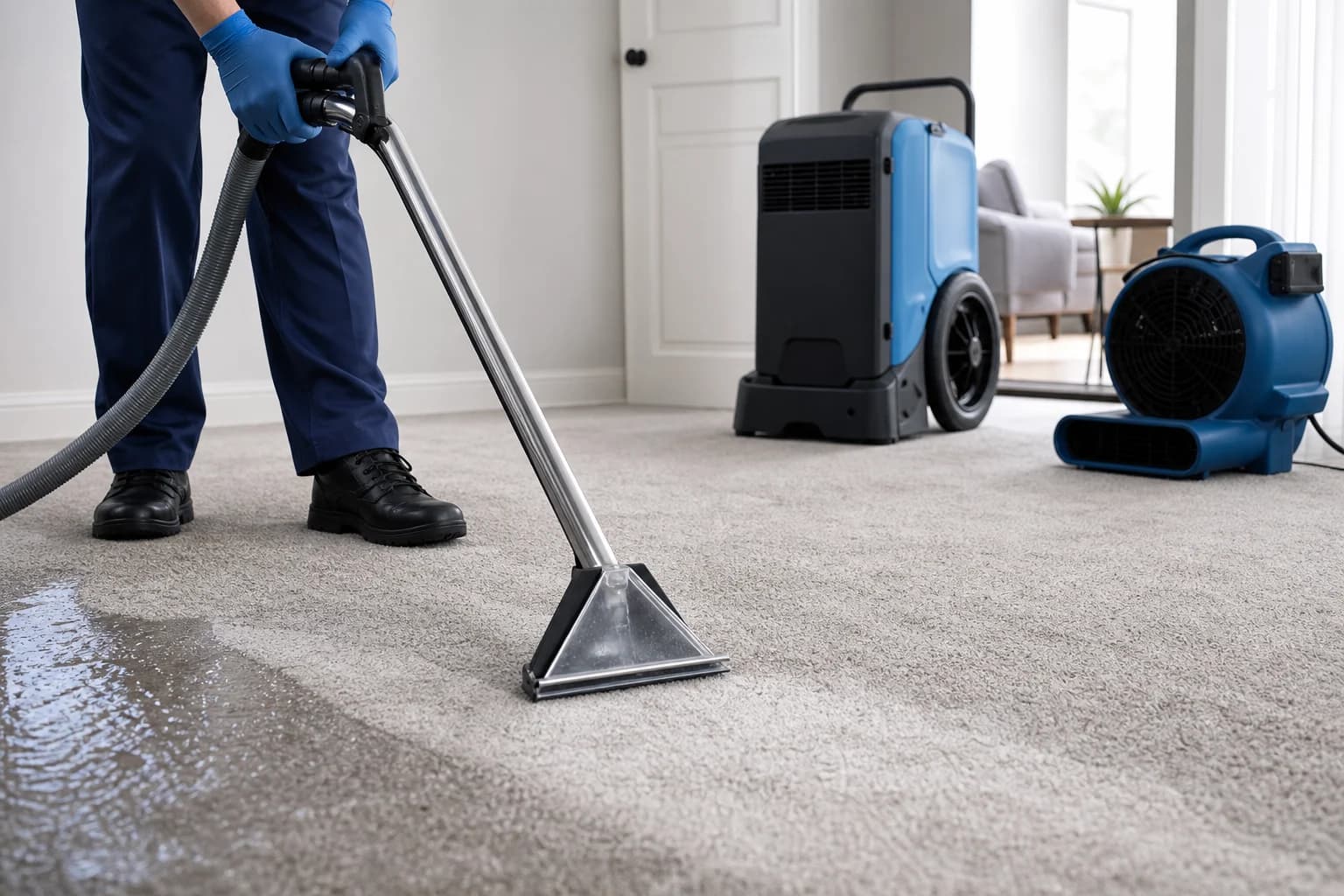
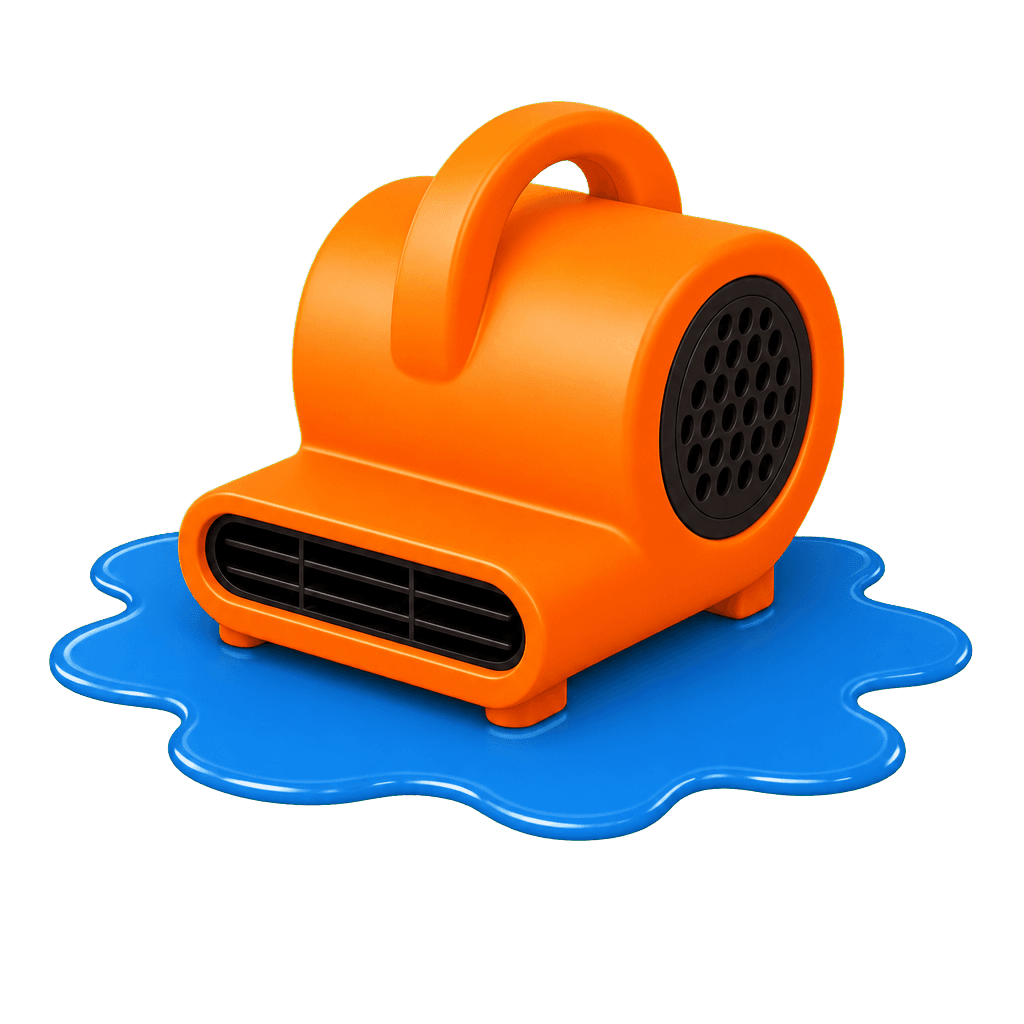
When a property has experienced water damage, thoroughly drying it requires more than just opening windows or running a fan. Two types of equipment commonly used by restoration professionals—air movers and dehumidifiers—play distinct roles in the drying process. Understanding how each device works and why both are needed can help property owners make informed decisions after water damage.
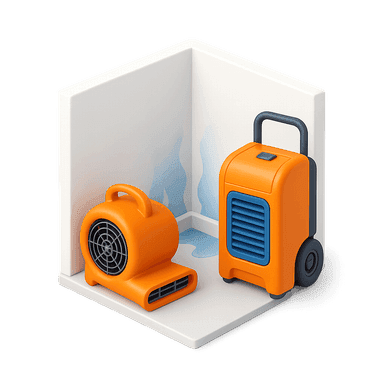
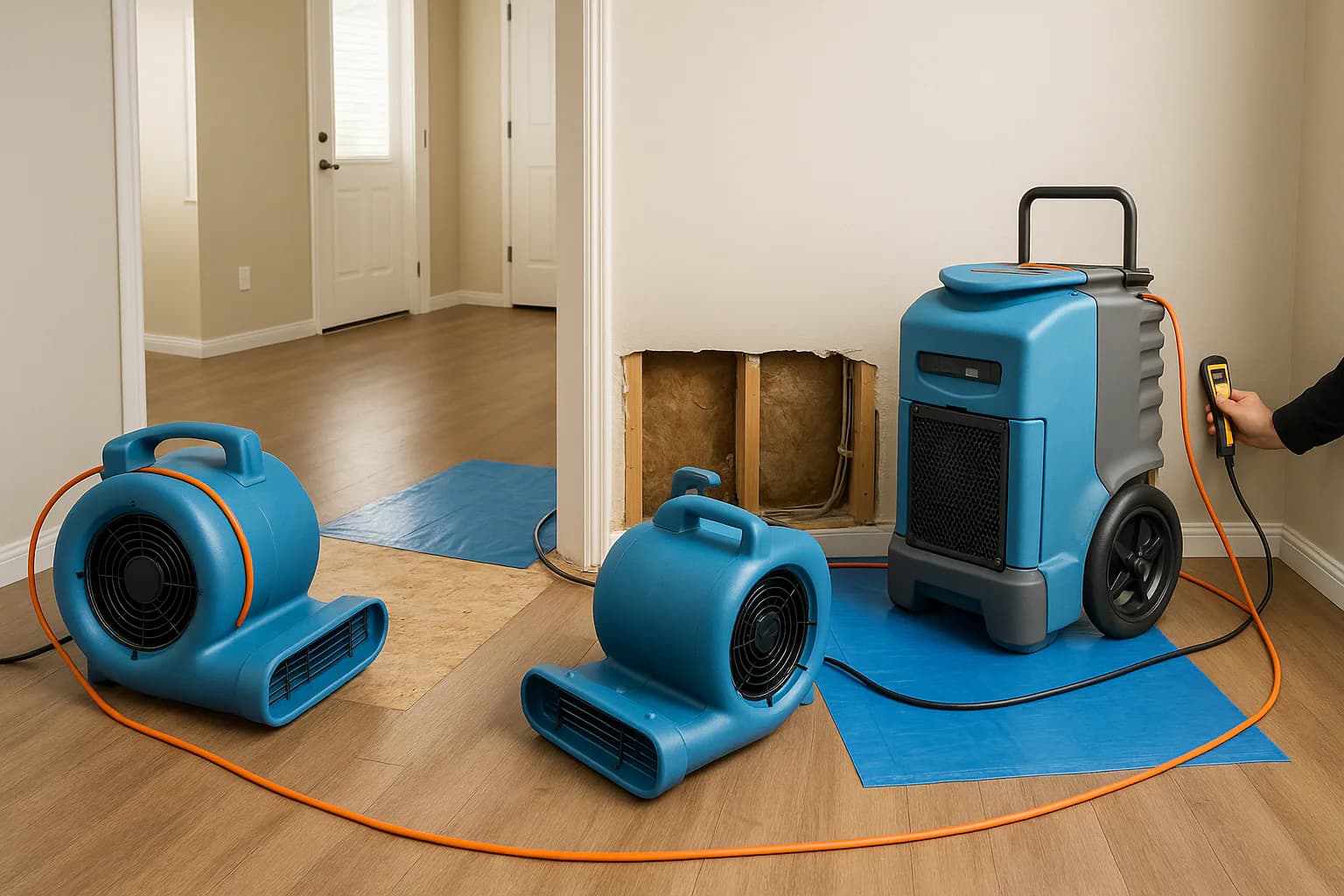
Air movers and dehumidifiers are used together after leaks, flooding, or appliance failures. Air movers (sometimes called drying fans) help release moisture from wet materials, while dehumidifiers remove that moisture from the air to reduce the chance of it resettling inside the building. Restoration professionals use both in combination to support controlled drying, aiming to remove water rather than just shifting it or allowing it to linger unseen.
Understanding the Roles: Air Movers vs. Dehumidifiers
Air movers are specialized, high-velocity fans that create strong airflow across wet surfaces. This airflow supports evaporation by disturbing the moist air layer next to materials like carpet, drywall, wood, and flooring. As water evaporates, it moves into the air, raising humidity levels. If indoor humidity becomes too high, evaporation slows and moisture can remain trapped in building materials.
Dehumidifiers are designed to remove water vapor from the air, collecting it in a reservoir or draining it away. By keeping humidity lower, dehumidifiers help air movers continue drawing moisture out of wet surfaces. Without dehumidifiers, air movers alone may increase the humidity and hinder drying, as the air quickly becomes saturated.
Why Both Tools Matter
Air movers help release moisture from wet materials; dehumidifiers remove it from the air. Used together, they create a drying cycle that is more effective than using either tool alone.
Restoration professionals use these tools in tandem to help dry building materials and reduce the conditions that allow mold to grow. They assess the area size, material saturation, and airflow needs to determine the number and placement of each tool. This approach is generally more effective than using household fans or standard dehumidifiers, which may not be suitable for water-damaged environments.
When Is Professional Drying Equipment Needed?
Small spills on hard, non-porous surfaces can sometimes be managed with towels, household fans, and ventilation. However, when water soaks into carpet, drywall, subflooring, or wall cavities, or when water is contaminated (such as from flooding or sewage), professional-grade drying equipment is often needed. These scenarios may involve hidden moisture that is not accessible with surface drying methods.
Persistent odors, visible stains after initial drying, or temperature differences on walls or floors may indicate that moisture remains below the surface. Restoration professionals may use thermal imaging cameras to screen for unusual temperature patterns that can suggest hidden moisture, but these findings are always confirmed with moisture meters or direct inspection.
In cases involving contaminated water, such as floodwater or sewage backups, safe handling and sanitation are important. Specialized equipment is used to remove water and reduce the risk of property damage. Restoration professionals have the training to evaluate these situations, including areas that are difficult to see or reach.
How Air Movers and Dehumidifiers Work Together
The drying process relies on a cycle: air movers help move moisture out of wet materials and into the air, while dehumidifiers remove that moisture from the air and collect or drain it away. The number and placement of machines depend on factors like the size of the affected area, the types of materials involved, and the amount of water present.
Restoration professionals frequently reposition air movers to direct airflow across all wet surfaces, including walls, floors, and less visible spots like inside cabinets or beneath baseboards. Dehumidifiers are placed where they can efficiently reduce humidity throughout the space. Maintaining this balance supports ongoing evaporation from affected materials.
If air movers are run without dehumidifiers, humidity can build up and slow or stop drying. The air may become saturated, preventing further evaporation. On the other hand, using only dehumidifiers without sufficient airflow from air movers can slow the removal of moisture from building materials.
- Direct air movers across all wet materials, not just on the surface.
- Position dehumidifiers strategically to reduce humidity throughout the affected area.
- Monitor and adjust equipment daily as materials dry and conditions change.
- Continue using equipment until moisture readings indicate drying is complete, even if surfaces feel dry.
Monitoring Drying Progress and Setting a Target
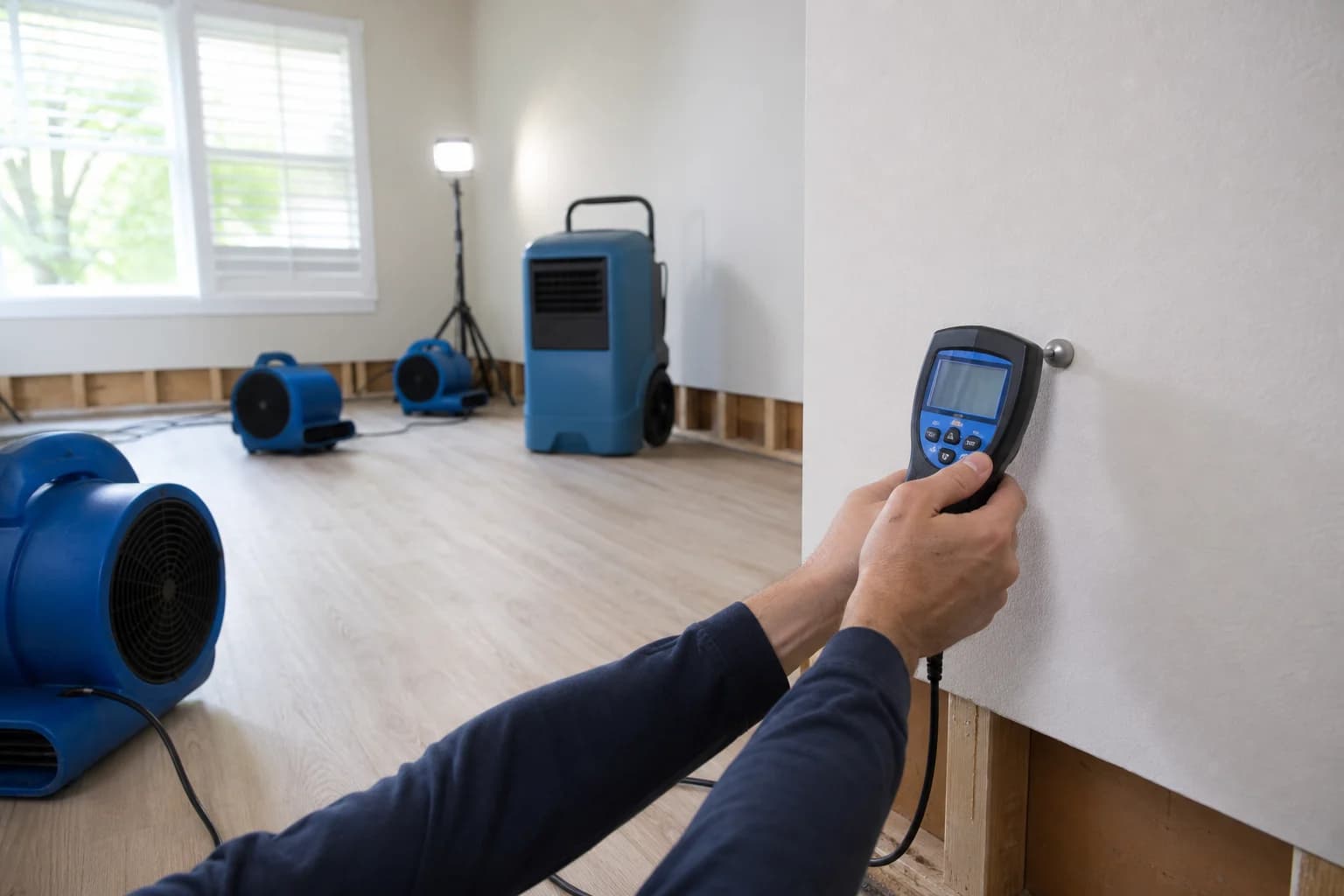
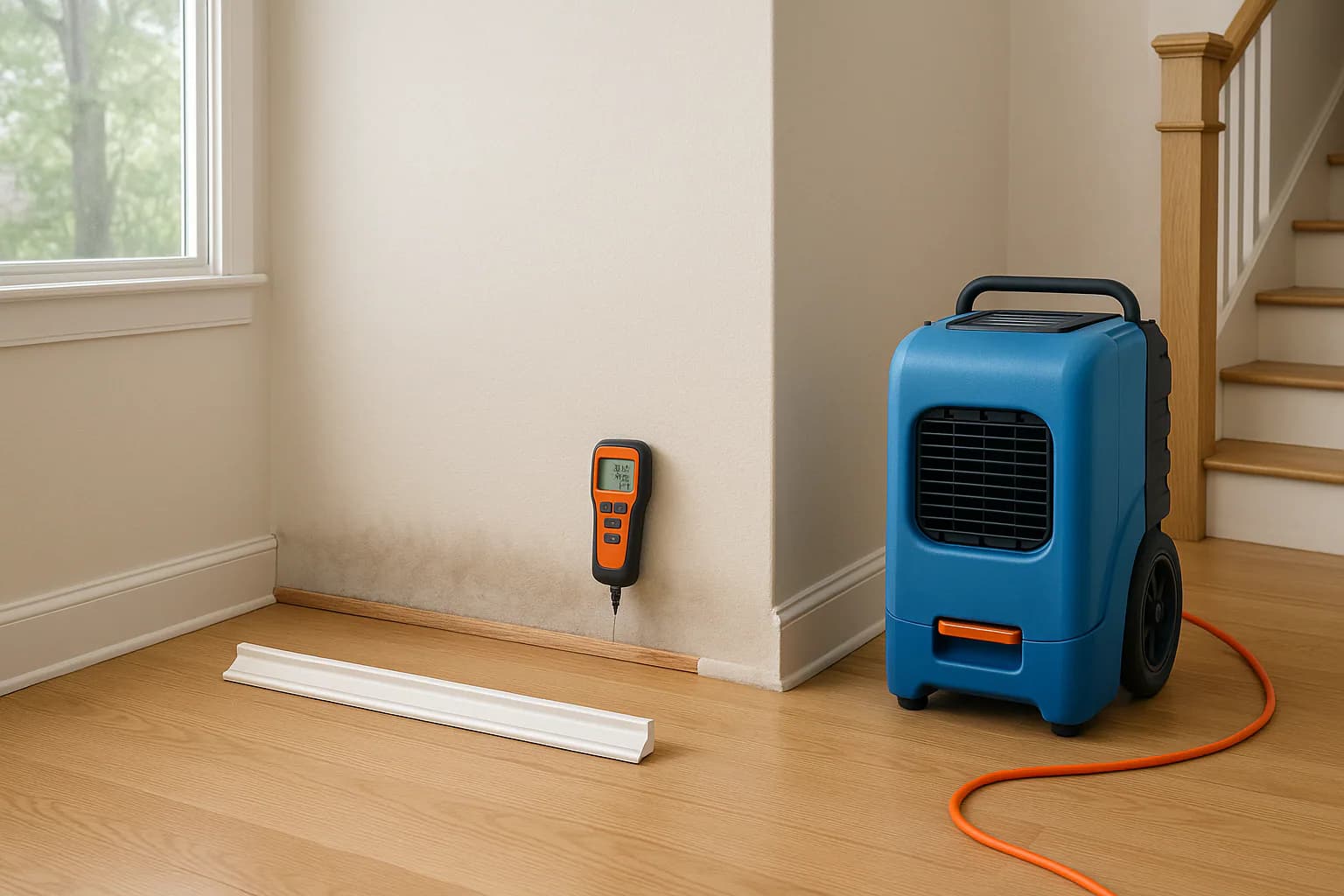
Relying solely on how something feels or looks is not enough—moisture can remain deep within walls, floors, and other materials after the surface appears dry. Restoration professionals use specialized equipment to monitor drying progress. Moisture meters measure the actual moisture content inside materials. Temperature and humidity readings help track the drying environment.
A "dry standard" is determined by taking moisture readings from an unaffected area of similar material. The aim is to match the moisture content of the previously wet area to this standard. Professionals take daily measurements and adjust equipment as needed based on progress. This monitoring helps ensure that hidden moisture is addressed.
Common Mistakes and How to Avoid Them
Shutting off equipment early, often due to noise or inconvenience, or relying on surface dryness as the only indicator, can leave moisture trapped inside walls or floors. This may increase the risk of further property damage. Another frequent mistake is attempting to handle major water damage with household fans, which usually do not provide enough airflow to dry materials deeply.
Using equipment that is not suitable for the type or extent of water intrusion can slow drying or leave wet spots behind. For example, dehumidifiers designed for comfort in homes may not be powerful enough for larger or more severe water damage. Restoration professionals evaluate each situation and select the right mix of air movers and dehumidifiers for the job. If hidden or persistent moisture is suspected, an on-site assessment is recommended.
If water damage involves contaminated or black water, additional safety and sanitation steps are needed. Attempting to address such damage without the right equipment and training may increase risks to property. If there is uncertainty about the extent or source of water, or if water has been present for more than a day, seeking a professional assessment is often the safest next step.
What to Expect From a Professional Drying Assessment
A local restoration professional typically begins with a visual inspection and questions about the water source and how long the affected area has been wet. They may use thermal imaging to identify temperature differences that could suggest hidden moisture, but these findings are always verified with direct moisture measurements. The assessment includes evaluating whether the water is clean or contaminated, if any materials may need removal, and which equipment setup may be most effective.
Progress is monitored daily using moisture and humidity readings, with equipment placement adjusted as materials dry. Persistent odors or stains after initial drying steps may prompt further investigation, especially if they change over time. The goal is to confirm that drying is complete before equipment is removed, reducing the conditions that can allow mold to grow and helping to limit future property issues.
Related Services
Need Your Home Properly Dried Out?
Thorough drying takes the right equipment balanced to your space and verified with moisture readings. Call Water Restoration Pros to get connected with restoration professionals that service your area and can dry your home to a target.
Call (833) 968-0848Frequently asked questions
Can household fans and store-bought dehumidifiers dry water-damaged walls and floors?
How do thermal imaging cameras assist in detecting moisture during drying?
What should property owners do if water damage involves sewage or floodwater?
Sources reviewed (2)
- U.S. EPA - Mold Course Chapter 2: EPA guidance on drying buildings, furnishings, carpet, wall cavities, and other wet materials.
- U.S. EPA - Flooded Home: EPA guidance on safety, cleanup, moisture control, and drying after a home is flooded.