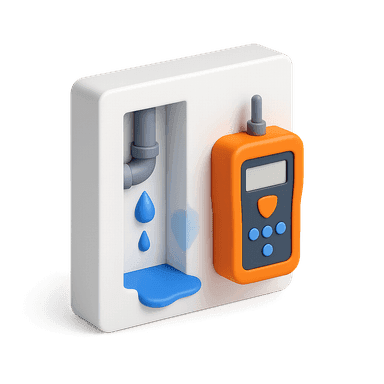
Water found in a basement or at slab level can be unsettling, especially when the source is unclear. Identifying whether the problem is caused by foundation seepage or a plumbing leak is essential for choosing the right repair approach and limiting damage.
Each cause has distinct patterns, and the right solution may involve different types of professionals. This guide outlines practical ways to compare clues, decide who to call, and understand why prompt drying is always necessary—even after repairs.
Foundation Seepage: Common Signs
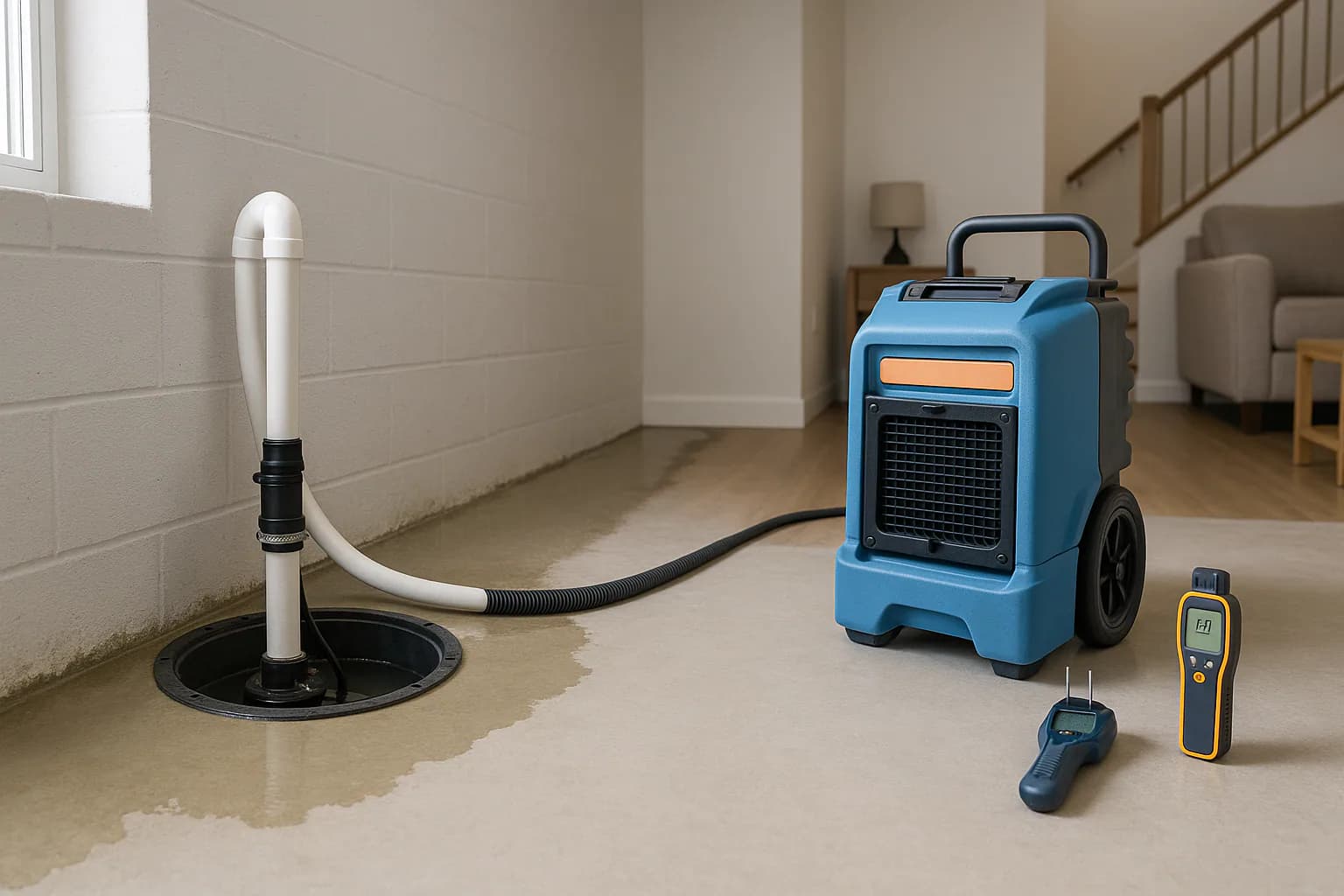
Foundation seepage occurs when water from outside the structure makes its way through walls, floors, or joints. This is most often seen after heavy rain or snowmelt, when the ground around the foundation is saturated. Water typically appears at the wall-floor joint, through cracks, or in spots where the concrete or block is most porous.
A telltale clue is water emerging only during or shortly after wet weather, then drying up during long dry spells. Efflorescence—a white, powdery deposit—may be visible on interior walls, showing that moisture is moving through masonry. Repeated dampness or water stains in the same areas, especially along exterior-facing walls or corners, also suggest seepage.
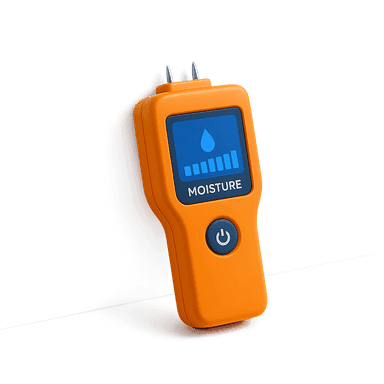
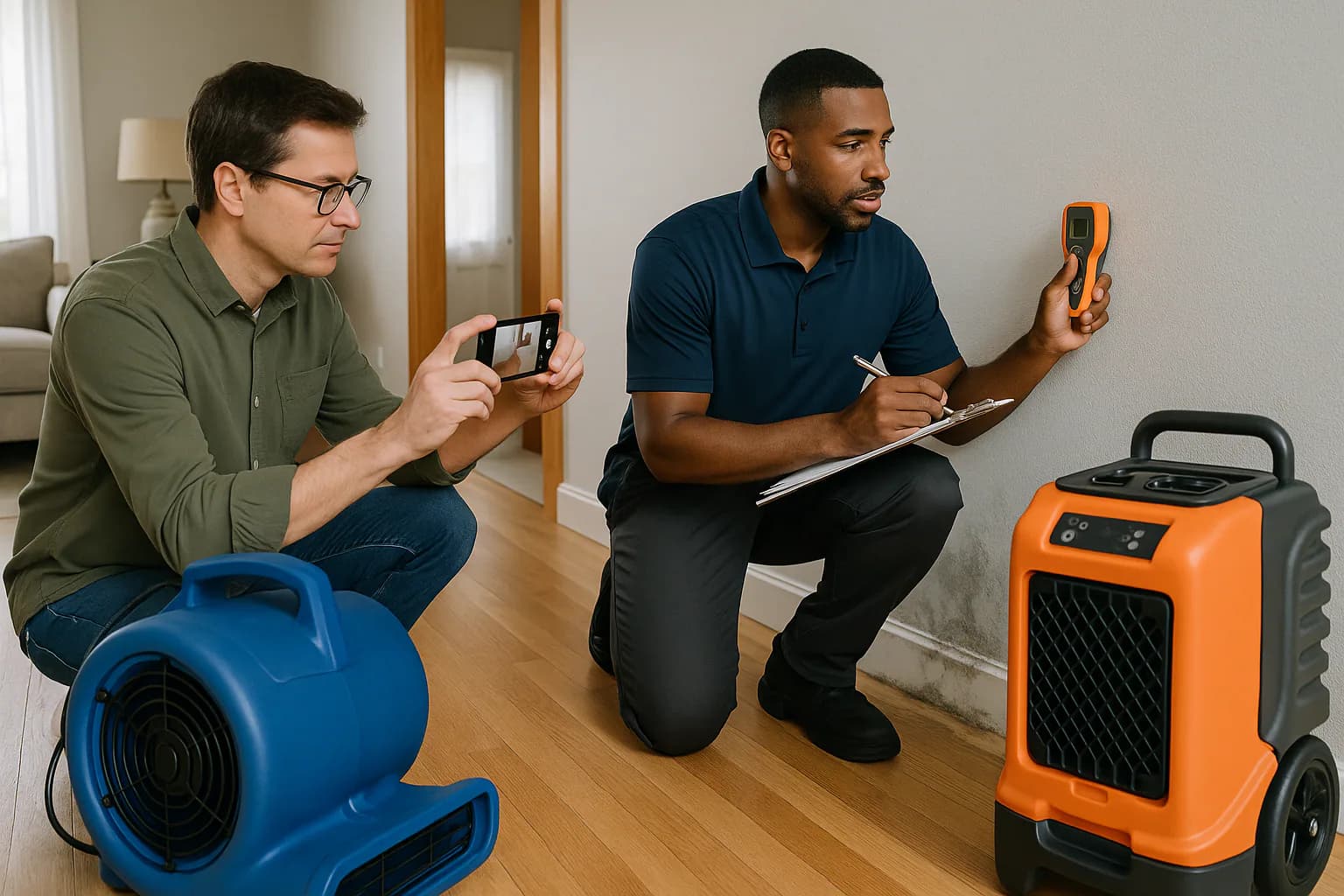
Seepage water is usually clear or slightly discolored, not directly linked to plumbing fixtures or appliances. Restoration professionals can use moisture meters and thorough visual inspection to confirm the presence and extent of seepage.
Plumbing Leak Clues
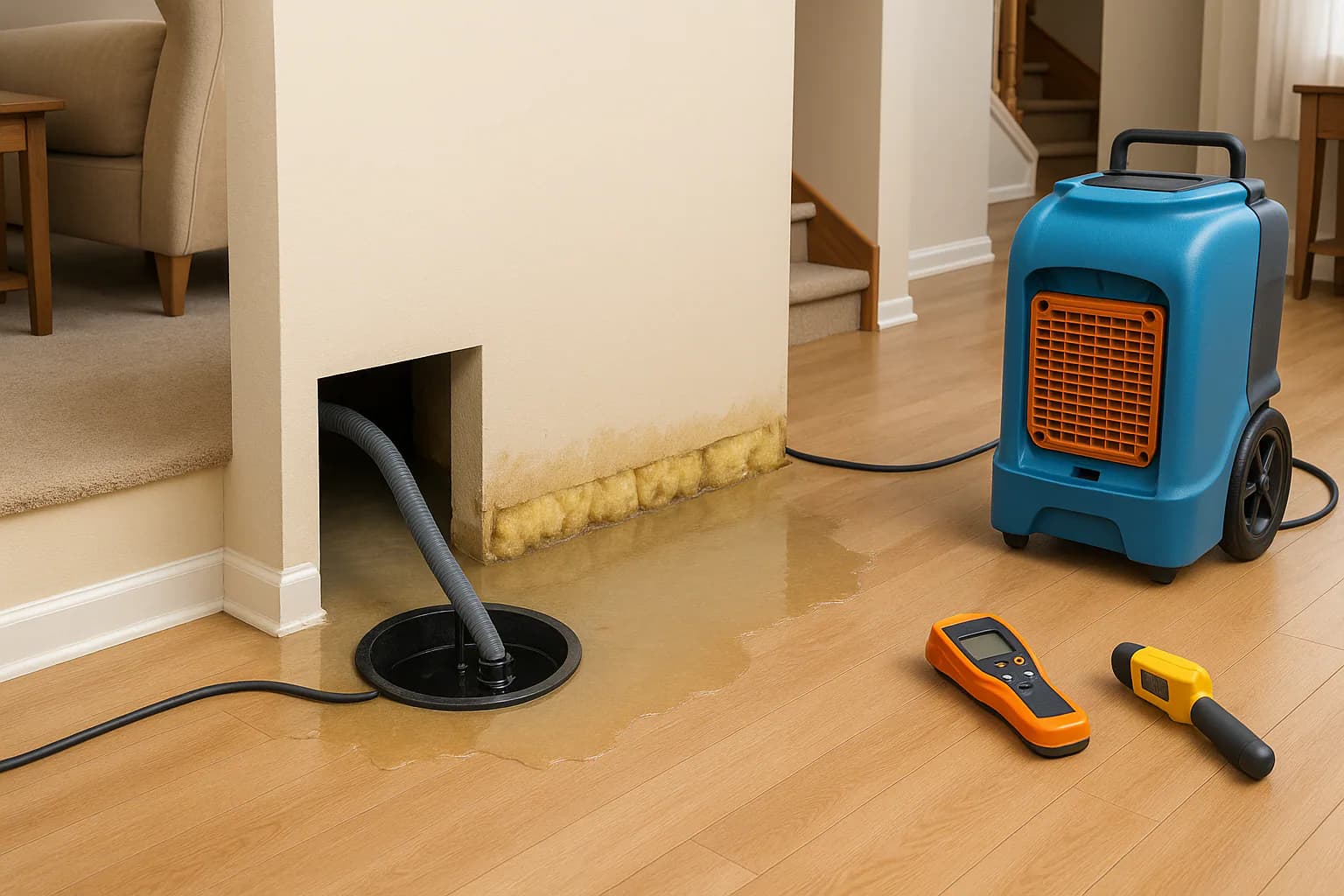
Plumbing leaks often stem from supply or drain pipes inside the home, including those running beneath a concrete slab. Unlike seepage, leaks may cause water to appear regardless of the weather, and sometimes only during dry spells. If the water is present when it hasn't rained, a leak inside the plumbing system is more likely.
Clues signaling a plumbing leak include an unexplained jump in water bills or water meter movement when all fixtures are off. Warm spots on the floor may indicate a hot water line leak beneath the slab. Moisture or pooling near plumbing fixtures, appliances, or visible pipes can also signal a leak. Often, the sound of running or hissing water—even when faucets are closed—points to a hidden leak inside walls or floors.
Plumbers use specialized equipment such as leak detection tools, pressure testing, and pipe cameras to pinpoint and confirm plumbing leaks.
How to Observe and Narrow Down the Source
Homeowners can make several simple observations to help determine whether water is coming from outside or from a plumbing issue. Tracking when and where water appears is a practical first step. Is it after rain, or does it occur during dry weather? Keeping a basic log of weather conditions and water appearance helps clarify patterns.
A few helpful checks include:
- 1
Track weather and water appearance
Note if water appears only after rain or snowmelt (seepage), or during dry stretches (plumbing leak).
- 2
Check the water meter
Turn off all fixtures and appliances. If the meter continues to move, this may indicate a leak in the plumbing system.
- 3
Inspect the area
Look for cracks, efflorescence, or stains on walls and floors (seepage) versus moisture near pipes or fixtures (plumbing leak).
- 4
Feel for temperature differences
Warm or hot damp spots can signal a leaking hot water line under a slab.
- 5
Listen for unusual sounds
Hissing or running water noises with no fixtures in use often point to a hidden plumbing leak.
Decision Callout: Why the Source Matters
Identifying the correct water source helps determine whether a plumber, a drainage contractor, or restoration professional is needed. It also affects insurance coverage, repair approach, and future prevention steps.
Which Professional to Call
The right professional depends on the type of water intrusion:
- Plumbers handle leaks in water supply lines, drains, and fixtures. They use tools to detect, confirm, and repair hidden or obvious plumbing leaks.
- Drainage or waterproofing contractors address foundation seepage. Their work may include evaluating exterior drainage, sealing cracks, grading soil, or installing exterior barriers and drains.
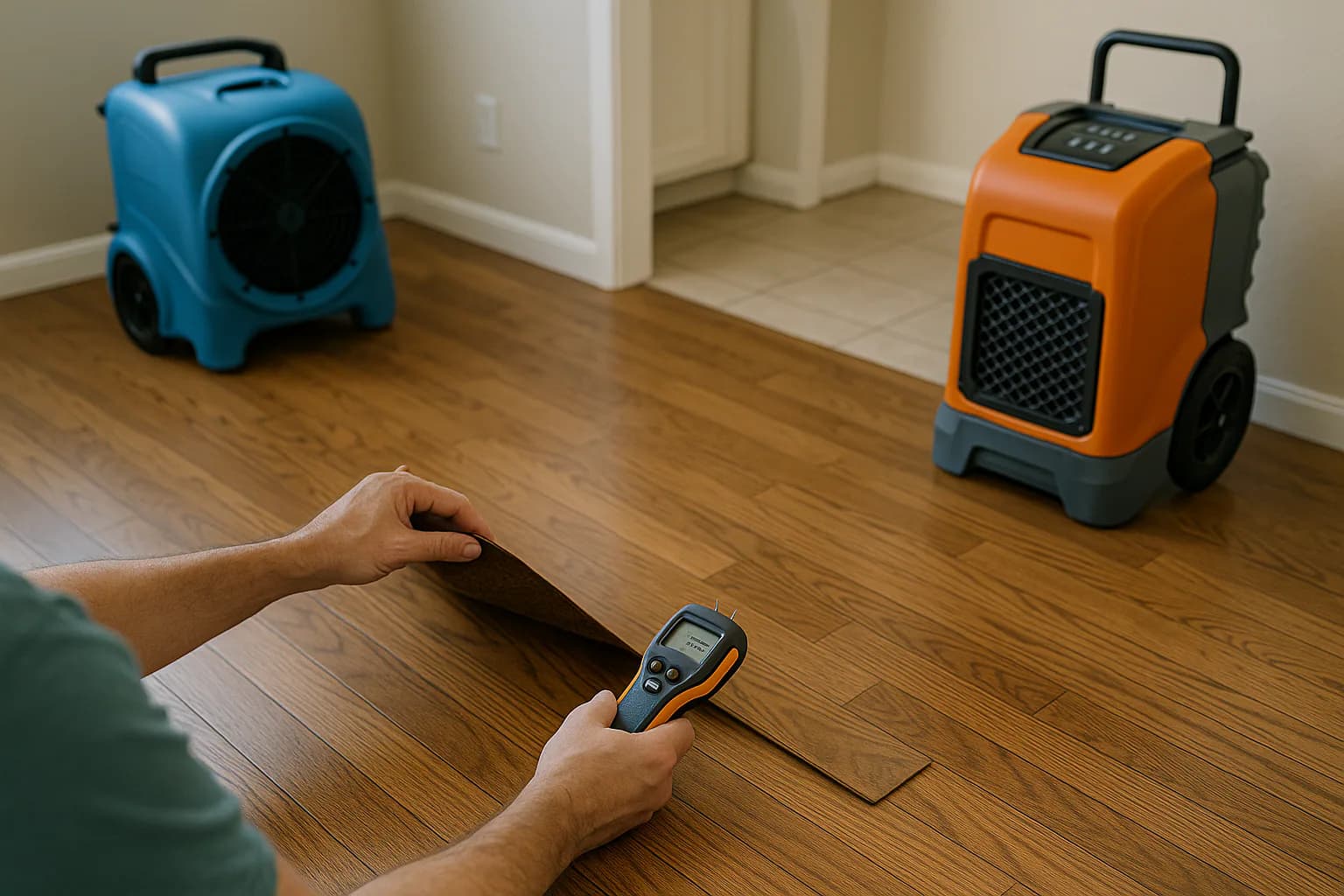
- Restoration professionals are called after the water source is controlled. They specialize in water extraction, drying wet materials, and monitoring for hidden moisture to reduce the conditions that allow mold to grow.
In many cases, restoration professionals work alongside plumbers or drainage experts. They focus on drying and mitigation to help limit structure and contents damage. All pros assess the situation on-site to recommend the best next steps, as solutions depend on factors like the amount of water, time wet, and materials involved.
Why Drying After Repairs Is Vital
Fixing the leak or seepage solves the source but not the lingering moisture. According to EPA guidance, wet materials should be dried within 24 to 48 hours to reduce the risk of mold-friendly conditions. Even when standing water is gone, moisture can stay trapped inside walls, floors, and insulation.
Restoration professionals use equipment such as dehumidifiers, air movers, and moisture meters to detect and remove hidden dampness. Timely drying helps prevent further damage, including warping, stains, and deterioration. The EPA recommends professional help for moldy areas larger than about 10 square feet.
Drying time depends on how much water is present, how long it sat, and what materials are affected. Even if repairs are made quickly, thorough drying is key to avoiding future complications.
Related Services for Water Damage
Connect with Water Restoration Pros
Notice water in your basement or on a slab? Water Restoration Pros connects you with local restoration professionals for moisture detection and drying after leaks or seepage.
Call (833) 968-0848Frequently asked questions
How do I know if water is coming from outside or from plumbing?
Is all water damage covered by homeowners insurance?
Why is professional drying necessary after water damage?
Sources reviewed (2)
- U.S. EPA — A Brief Guide to Mold, Moisture and Your Home: Moisture-control guidance covering prompt drying, indoor relative humidity, condensation, and cleanup decisions for wet materials.
- U.S. EPA - Flooded Home: EPA guidance on safety, cleanup, moisture control, and drying after a home is flooded.