What you may notice
Carpet is soaked and squishy underfoot
Water spread across a carpeted room or hallway
You can smell moisture or musty odor in the carpet
Padding and subfloor under the carpet may still be wet
Water Damage Service
Wet carpet hides water in the padding and against the subfloor, where it lingers and creates odor and mold conditions. Water Restoration Pros helps property owners connect with carpet water extraction help.
Service overview
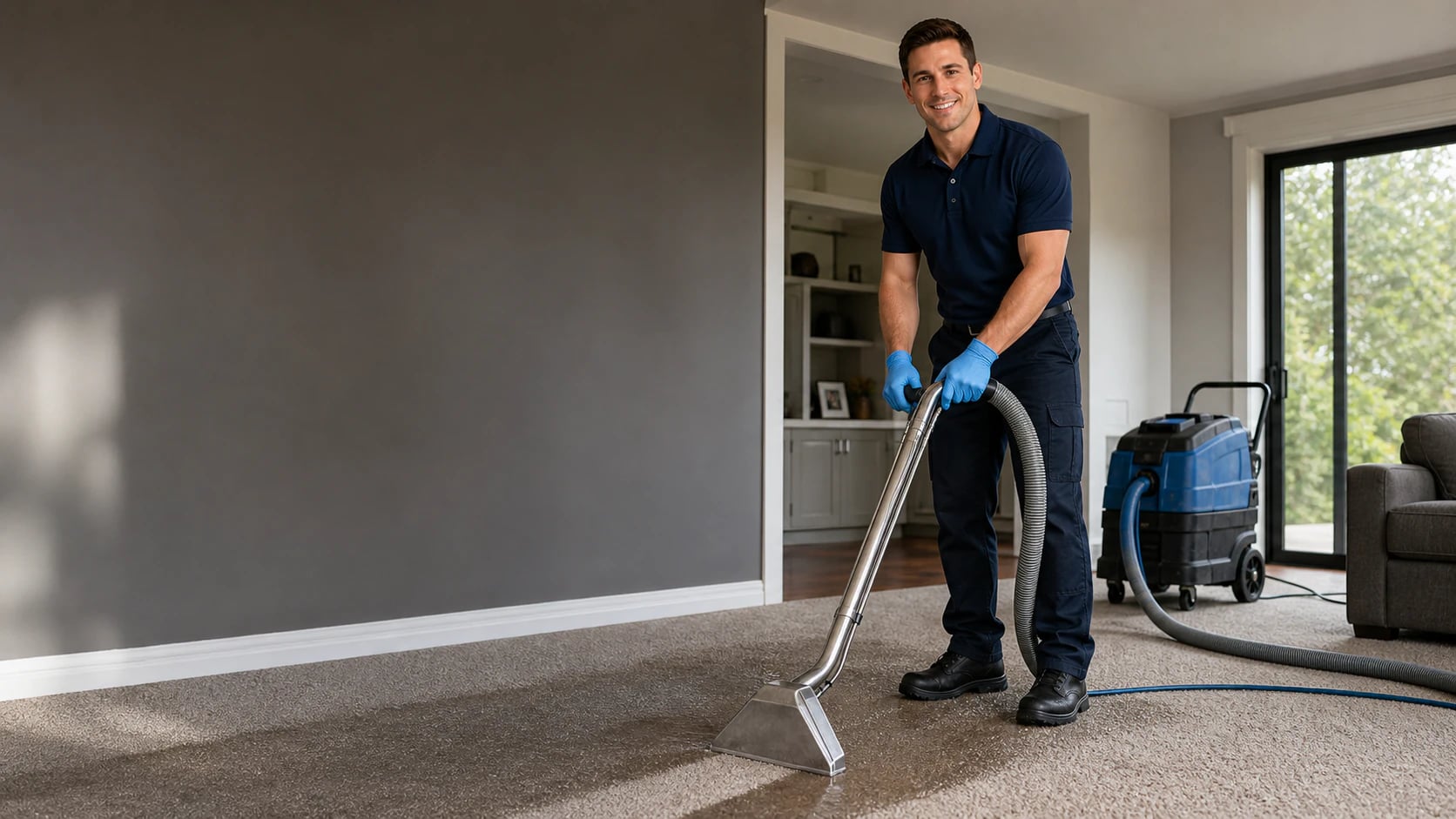
Carpet water extraction help that pulls water from carpet and padding and dries the subfloor beneath.
Recognize the problem
Start with what you can safely observe. The source, the type of water, and the materials affected determine the response after an on-site assessment.
Carpet is soaked and squishy underfoot
Water spread across a carpeted room or hallway
You can smell moisture or musty odor in the carpet
Padding and subfloor under the carpet may still be wet
Leaks and burst pipes that reach carpeted rooms
Appliance overflows and fixture leaks
Water tracking into carpet from an adjacent flood
Below-grade seepage into carpeted basements
Why timing changes the outcome
Trapped moisture under carpet leads to odor and mold conditions. Fast extraction can help save the carpet in clean-water cases.
The subfloor needs to dry, not just the carpet surface.
In-depth guidance
Carpet acts like a wick and the padding underneath acts like a sponge, holding water against the subfloor where it dries slowly and creates odor and mold conditions. Surface drying alone leaves that hidden moisture behind.
Proper carpet water extraction pulls water from the carpet and padding and then dries the subfloor, with monitoring to confirm the whole assembly is dry.
Carpet, padding, and subfloor form a layered structure that reacts differently to water damage. Carpet fibers can often be dried and cleaned, especially when exposed to clean Category 1 water. However, the process requires swift action to prevent mold growth and permanent damage.
Padding absorbs moisture quickly and can become a breeding ground for mold if not addressed promptly. It is typically more challenging to dry completely, making it often necessary to replace, especially in cases involving gray Category 2 or black Category 3 water.
The subfloor, the foundation beneath the carpet and pad, is crucial to assess for moisture. Prolonged dampness can lead to structural issues. Effective drying of the subfloor is essential to prevent long-term problems, such as warping or mold.
Carpet can usually be saved if it is exposed to clean water and dried promptly. Quick action within 24–48 hours aligns with EPA guidance, minimizing the risk of mold. Restoration professionals use specialized equipment to extract water and accelerate drying.
However, the padding underneath often poses a greater challenge. Once soaked, especially with gray or black water, it becomes a prime candidate for replacement. Its sponge-like nature means it traps moisture and contaminants, leading to potential mold growth and odors.
In most cases, restoration professionals recommend replacing the pad to ensure a thorough restoration. This approach helps maintain indoor air quality and ensures the longevity of the carpet.
Professional response
The exact scope changes with the water source and affected materials, but a measured restoration response generally moves through three phases.
Assess and stabilize
Determine the water category and how far it spread through carpet and padding.
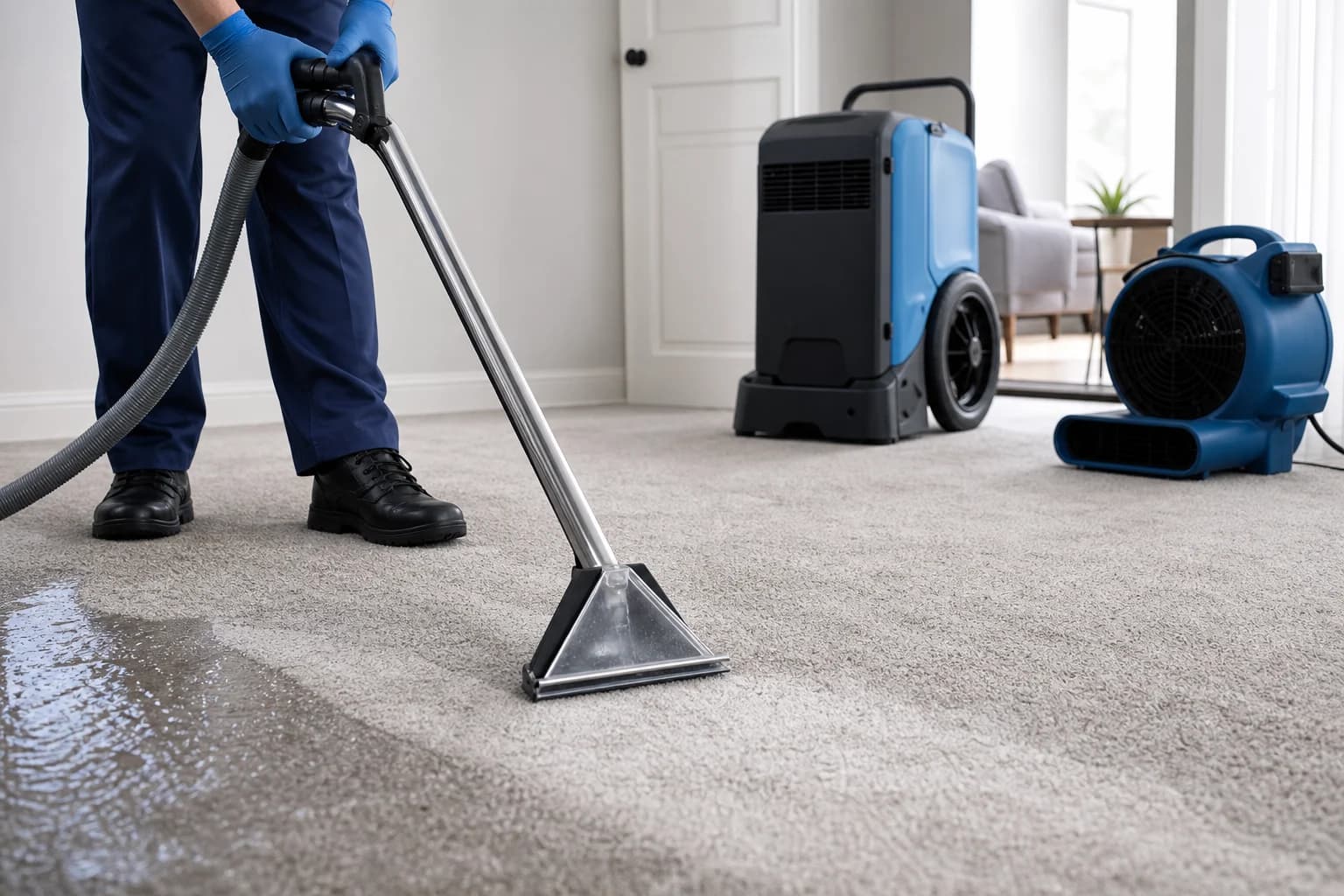
Use extraction equipment to pull water from the carpet and the padding beneath.
Remove and dry
Lift or remove saturated padding when it cannot be dried in place.
Dry the subfloor under the carpet, since that is where moisture lingers.
Verify and recover
Confirm the carpet, padding area, and subfloor are dry before reinstalling or finishing.
Determine the water category and how far it spread through carpet and padding.
Use extraction equipment to pull water from the carpet and the padding beneath.
Lift or remove saturated padding when it cannot be dried in place.
Dry the subfloor under the carpet, since that is where moisture lingers.
The answer should be specific to the property and reflected in the written scope.
The answer should be specific to the property and reflected in the written scope.
The answer should be specific to the property and reflected in the written scope.
Before help arrives
Only take steps you can complete safely. Leave the area and wait for qualified help if there is an electrical, structural, or contamination risk.
Lift furniture off wet carpet to prevent stains and spread.
Do not use a household vacuum to remove the water.
Improve airflow to the room if it is safe to do so.
Note whether the water was clean or contaminated.
Call to connect with carpet water extraction help.
These are general precautions for carpet water extraction; conditions at the property determine what is safe and appropriate.
Choose a state on the map or open its city directory to find carpet water extraction pages for your area.
Carpet Water Extraction in Arkansas
View state pageCarpet Water Extraction in California
View state pageCarpet Water Extraction in Connecticut
View state pageCarpet Water Extraction in Delaware
View state pageCarpet Water Extraction in Florida
View state pageCarpet Water Extraction in Georgia
View state pageCarpet Water Extraction in Idaho
View state pageCarpet Water Extraction in Illinois
View state pageCarpet Water Extraction in Iowa
View state pageCarpet Water Extraction in Kansas
View state pageCarpet Water Extraction in Kentucky
View state pageCarpet Water Extraction in Louisiana
View state pageCarpet Water Extraction in Maine
View state pageCarpet Water Extraction in Massachusetts
View state pageCarpet Water Extraction in Michigan
View state pageCarpet Water Extraction in Mississippi
View state pageCarpet Water Extraction in Montana
View state pageCarpet Water Extraction in Nebraska
View state pageCarpet Water Extraction in Nevada
View state pageCarpet Water Extraction in New Hampshire
View state pageCarpet Water Extraction in New Jersey
View state pageCarpet Water Extraction in New Mexico
View state pageCarpet Water Extraction in New York
View state pageCarpet Water Extraction in North Carolina
View state pageCarpet Water Extraction in North Dakota
View state pageCarpet Water Extraction in Oklahoma
View state pageCarpet Water Extraction in Pennsylvania
View state pageCarpet Water Extraction in Rhode Island
View state pageCarpet Water Extraction in South Dakota
View state pageCarpet Water Extraction in Utah
View state pageCarpet Water Extraction in Vermont
View state pageCarpet Water Extraction in Washington
View state pageCarpet Water Extraction in West Virginia
View state pageCarpet Water Extraction in Wyoming
View state pageThese sources support restoration, safety, moisture, cleanup, and scope guidance. They do not serve as numeric pricing provenance.
Explore the service path
Other ways we help after water damage.
 Water Damage RestorationWhole-home help after leaks, flooding, wet materials, and standing water.View water damage restoration
 Emergency Water RemovalUrgent extraction of standing and active water from floors and rooms.View emergency water removal
 Structural DryingControlled drying of framing, drywall, subfloor, and building materials.View structural drying
 Basement Water RemovalPump-out and drying help for flooded basements and below-grade water.View basement water removal
 Drying & Restoration
Water extraction and restoration are two distinct phases of recovery. Here is what each one involves and why your home typically needs both after water damage.
Read guide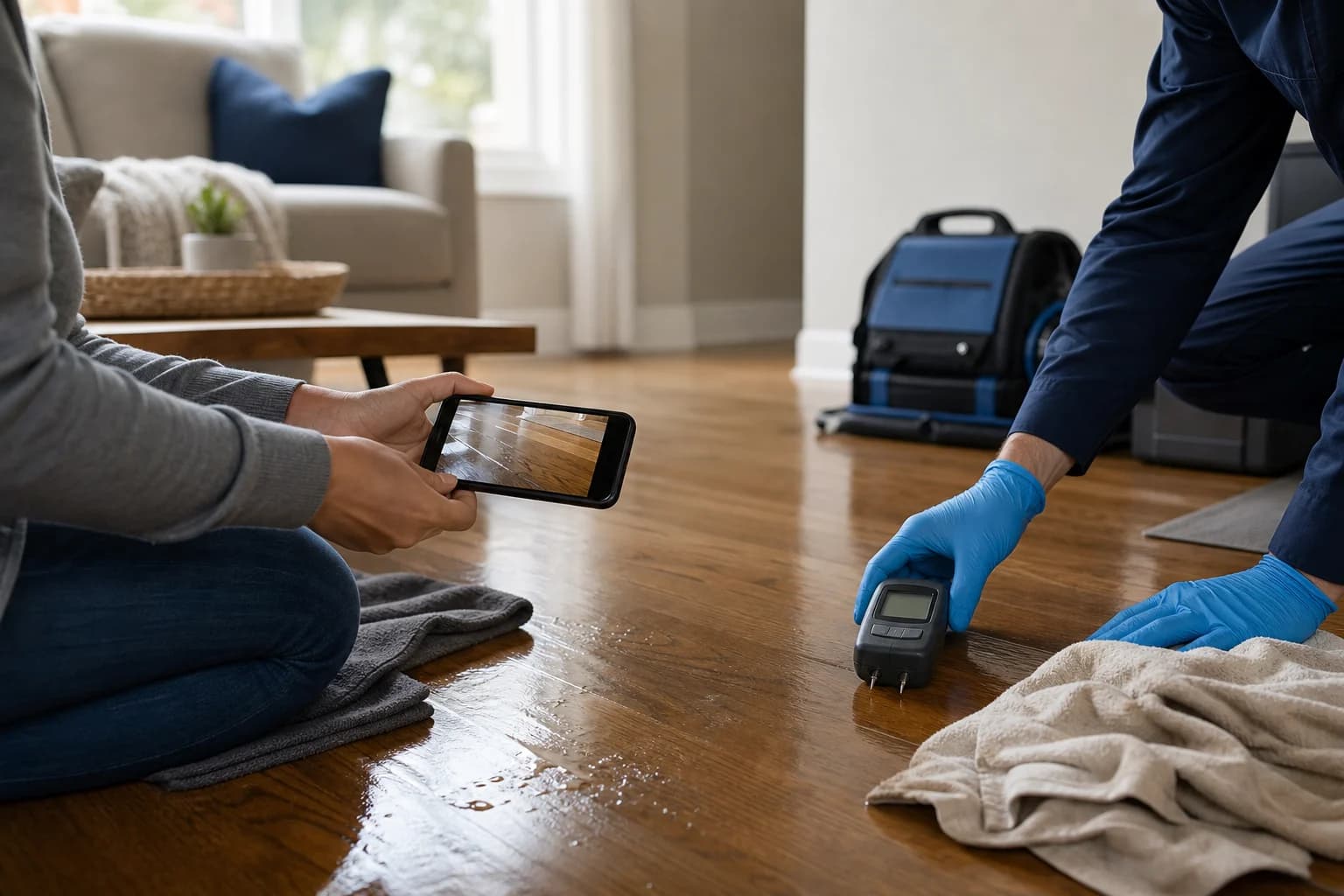 Emergency Response
This guide explains what to do right after water damage occurs, with practical steps to limit further issues, keep your home safe, and help with insurance documentation.
Read guide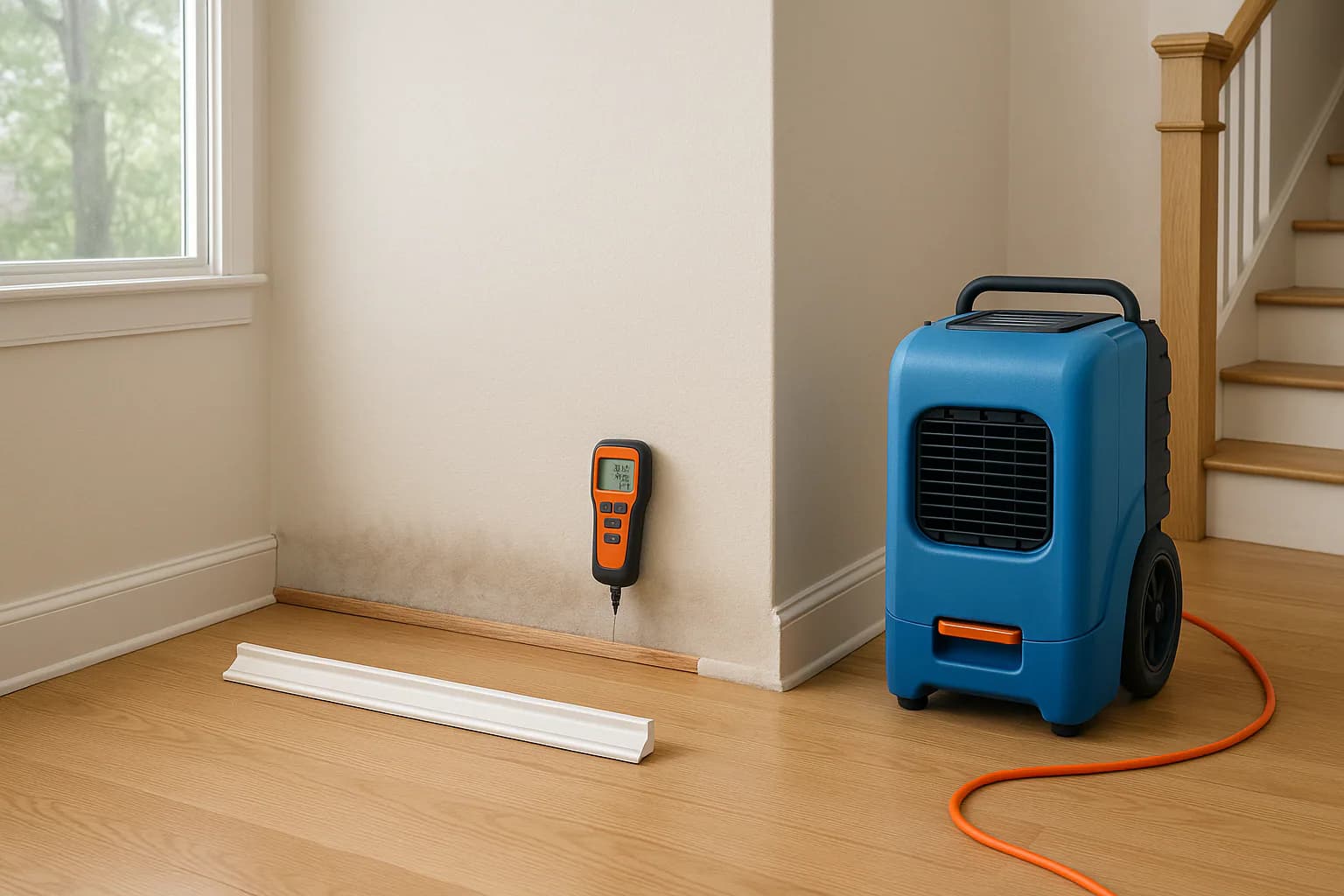 Mold & Moisture
Find out how fast mold can grow after water damage, what factors influence its development, and why quick action and moisture control matter for homeowners facing leaks or floods.
Read guideCall Water Restoration Pros to connect with carpet water extraction help in your area.
Call (833) 968-0848 · No-obligation · Availability varies by area