
A clear service answer
Is mold prevention the right service for this loss?
Moisture-control help focused on drying quickly and thoroughly to reduce the conditions that allow mold to grow after water damage.
The central service decision
Control moisture, dry, and reassess
Has the moisture source been controlled and can wet materials be dried and monitored before persistent dampness creates a larger cleanup problem?
- Review
- source control and hidden moisture
- Review
- material drying and indoor humidity
- Review
- visible growth or conditions requiring separate remediation
When it may fit
You recently had water damage and want to limit mold risk. Materials stayed wet for a while before drying began. A damp area still smells musty after water damage. You want moisture confirmed gone before closing things up.
How the problem may start
Water damage that was not dried quickly or thoroughly. Moisture trapped behind walls, under floors, or in cavities. Damp, low-airflow spaces like basements and crawlspaces. Repairs installed over materials that were still wet.
Service context in Horn Lake
Local conditions that can affect the plan
Local planning context
What can shape the assessment in Horn Lake
Horn Lake sits in DeSoto County immediately south of Memphis, near the Mississippi state line, as a fast-growing suburb on gently rolling, partly low-lying terrain. Its humid subtropical climate brings hot, humid summers and cool winters with occasional freezes. Spring is the wettest and stormiest season, with the region's primary severe-weather threat.
Property and material context
Homes are predominantly built on concrete slabs, so water spreads across finished floors rather than collecting in basements
Access and drying consideration
Humid summers slow evaporation, so dehumidification and moisture monitoring are important
Access and drying consideration
Standing water from flash flooding may need extraction before structural drying begins
Property and material context
Housing is mostly single-family subdivisions from the 1970s onward, including planned developments like DeSoto Village, with a mix of older and newer construction
Access and drying consideration
Severe weather moving across the Memphis metro can affect many Horn Lake homes at once
Verified service geography
The Census Gazetteer identifies Horn Lake city as the matched service geography. Property conditions and service scope still require an on-site assessment.
Professional service plan
How mold prevention work moves forward
Assess and contain
Dry quickly and fully
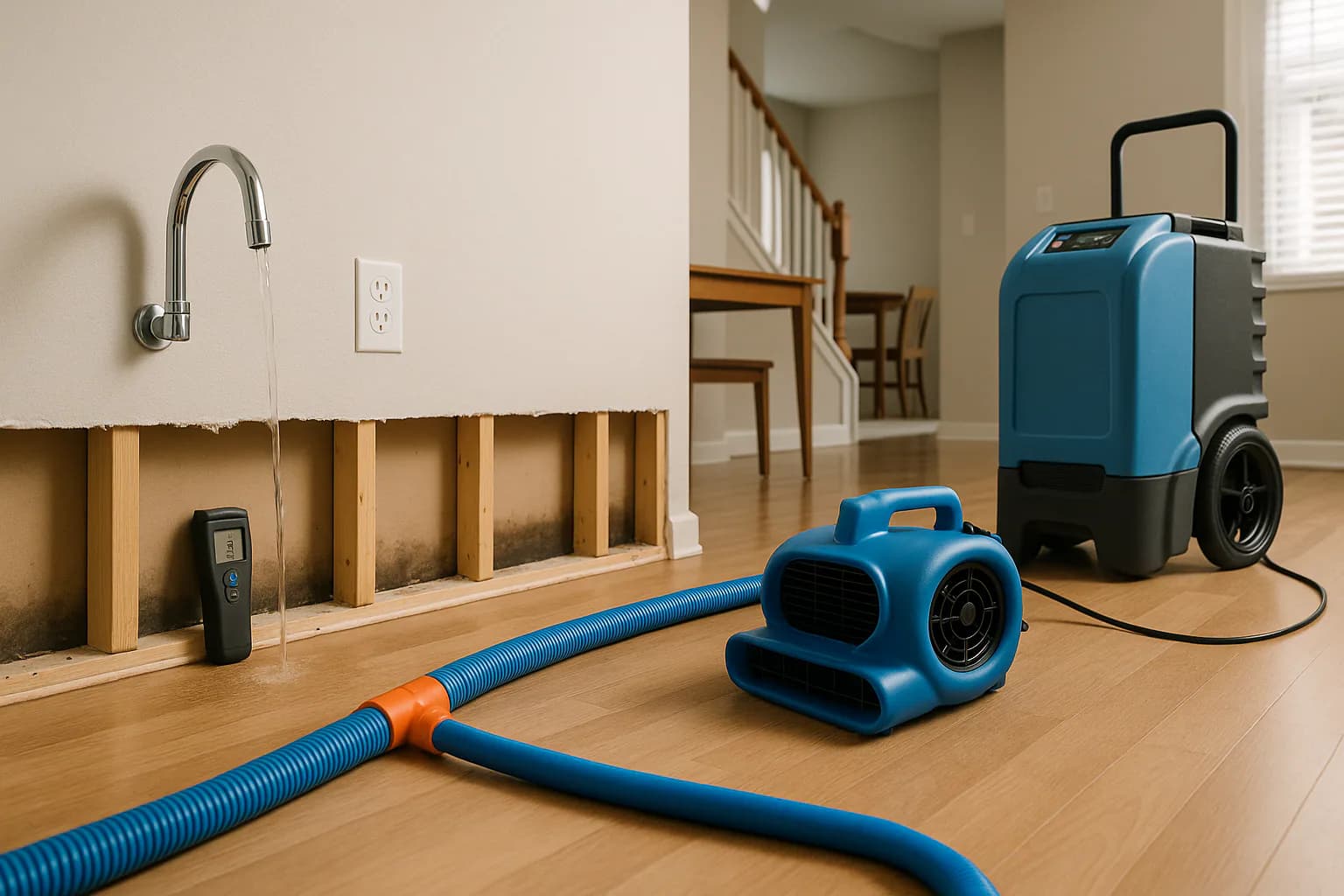
Prioritize fast, thorough drying of all affected materials, since moisture is what mold needs.
Find hidden moisture
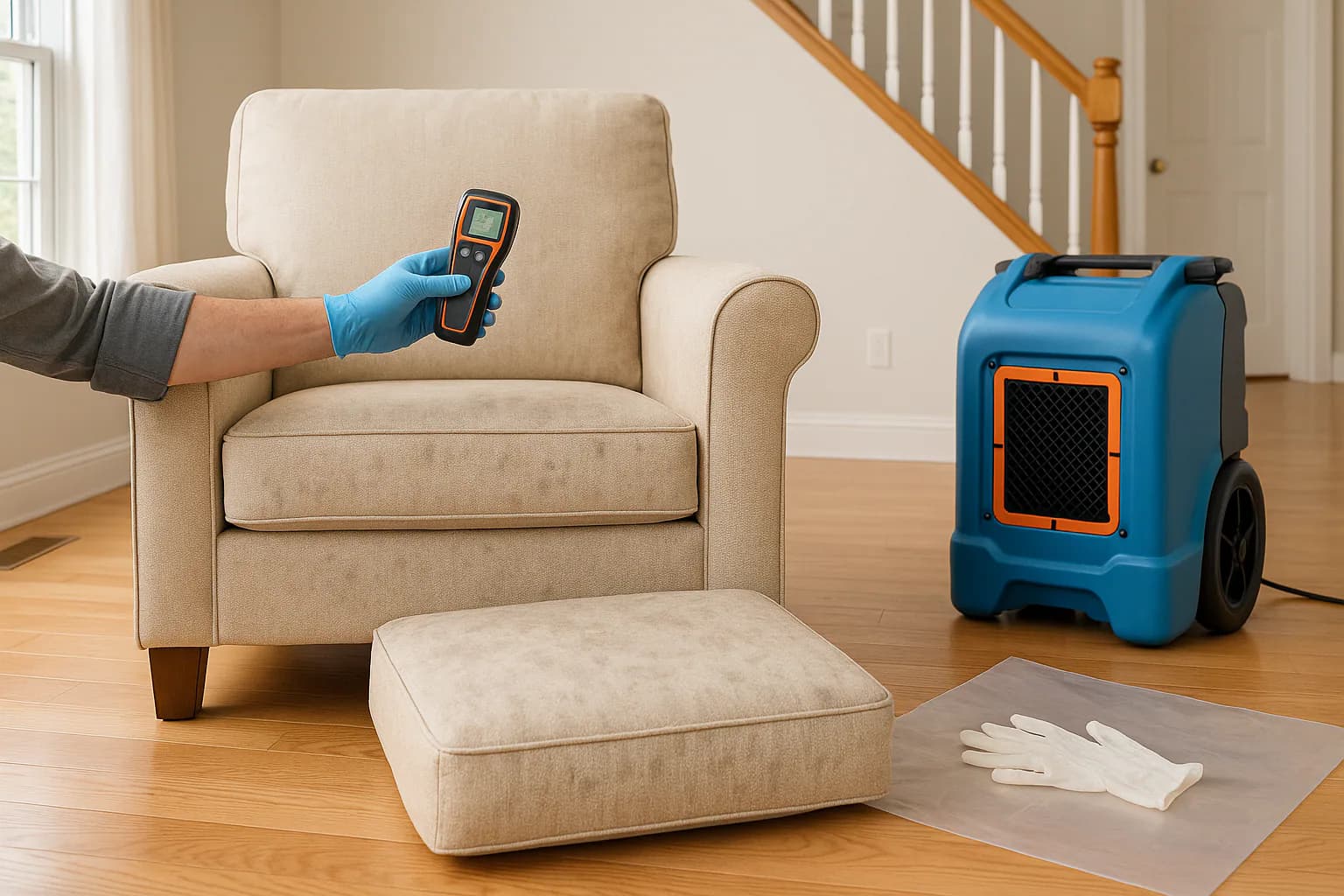
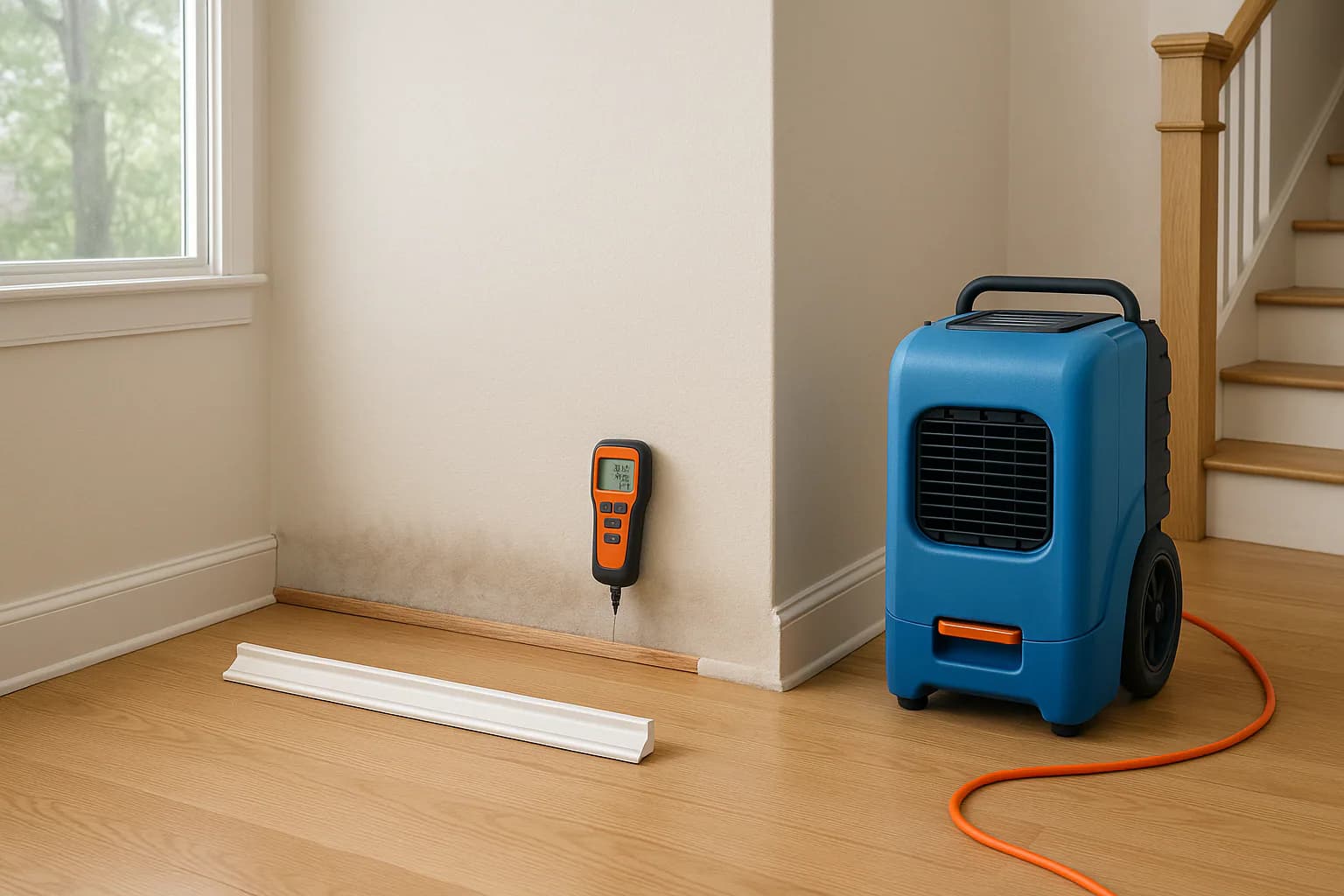
Use moisture meters to locate dampness trapped in cavities, under floors, and behind walls.
Remove and dry
Control humidity
Run dehumidification to keep the surrounding air dry while materials finish drying.
Verify dryness
Confirm materials reach a dry, stable target before closing or repairing the area.
Verify and recover
Address visible mold separately
If mold is already visible, note that it may require specialized remediation beyond drying.
Scope and outcome
What changes the amount of work
Mold needs moisture, so fast drying reduces the conditions it needs. Trapped moisture is what allows mold to develop out of sight.
Moisture control can help limit secondary damage. Confirming materials are dry is better than hoping they are.
What happens next
What to expect from the first visit
Dry quickly and fully
Prioritize fast, thorough drying of all affected materials, since moisture is what mold needs.
Find hidden moisture
Use moisture meters to locate dampness trapped in cavities, under floors, and behind walls.
Control humidity
Run dehumidification to keep the surrounding air dry while materials finish drying.
Verify dryness
Confirm materials reach a dry, stable target before closing or repairing the area.
Before approving the scope
Questions that make a proposal easier to compare
How will the assessment document source control and hidden moisture?
The answer should be specific to the property and reflected in the written scope.
Which conditions determine whether mold prevention is the right service path?
The answer should be specific to the property and reflected in the written scope.
What work, specialist responsibilities, measurements, and completion records will be included in writing?
The answer should be specific to the property and reflected in the written scope.
Documentation
Keep the property record organized
Coverage depends on the water source, policy language, exclusions, endorsements, limits, deductible, and claim facts. When conditions are safe, document the apparent source, affected rooms, visible damage, and reasonable steps taken to limit additional loss. Review the policy and follow the insurer's claim instructions.
This is general information, not insurance or legal advice.
Read the water damage insurance claim guideMore mold prevention in Mississippi
Questions property owners ask
Mold Prevention in Horn Lake: FAQs
What can affect mold prevention in Horn Lake, MS?
What should a mold prevention assessment cover in Horn Lake, MS?
Can drying really help prevent mold?
How fast can mold become a concern after water damage?
What if I already see mold?
Technical and safety sources (8)
These sources support restoration, safety, moisture, cleanup, local context, and scope guidance. They do not serve as numeric pricing provenance.
- U.S. EPA - A Brief Guide to Mold, Moisture and Your Home: EPA guidance on moisture control, prompt drying, indoor humidity, and mold cleanup decisions.
- U.S. EPA - Mold Course Chapter 2: EPA guidance on responding promptly to wet building materials and evaluating moisture conditions.
- U.S. EPA - Flooded Home: EPA guidance on safety, cleanup, moisture control, and drying after a home is flooded.
- NAIC - Consumer Homeowners Insurance: NAIC consumer information on homeowners coverage, exclusions, inventories, and policy review.
- NAIC - What You Need to Know When Filing a Homeowners Claim: NAIC guidance on reporting a claim, documenting damage, deductibles, contractors, and adjuster meetings.
- FEMA National Risk Index: Counties: Supports the regional weather and water context used during location review.
- FEMA National Risk Index Technical Documentation: Explains the scope and limitations of the regional hazard information used during location review.
- U.S. Census Bureau Gazetteer Files: Census reference for official place geography and Gazetteer datasets.